Iron Ore Concentrate Powder to Iron Oxide Red: Which Grinding Mill Should You Use?
Introduction
Iron oxide red (Fe₂O₃) is a critical inorganic pigment widely used in construction materials, paints, coatings, plastics, ceramics, and even advanced magnetic materials. Its production from iron ore concentrate powder involves multiple steps, among which grinding plays a pivotal role in determining the final pigment’s quality, color stability, particle size distribution, and dispersion properties. The transformation from a dense, coarse concentrate to a fine, uniform red pigment demands precise milling technology. Choosing the right grinding mill is therefore not merely an equipment selection—it is a strategic decision that impacts product quality, energy efficiency, production cost, and environmental compliance.
This article provides a professional guide to selecting the most suitable grinding mill for converting iron ore concentrate powder into high-grade iron oxide red. We will analyze the material characteristics, process requirements, and available mill technologies, with a focus on our company’s advanced solutions.
Understanding the Material: Iron Ore Concentrate Powder
Iron ore concentrate powder typically has a particle size ranging from 100 to 200 mesh (74–149 µm) after beneficiation. To be converted into iron oxide red, this material must be ground to a fineness of 325–2500 mesh (5–45 µm), with a narrow particle size distribution to ensure consistent color strength and opacity. The concentrate usually contains about 60–70% iron, with silica, alumina, and other impurities as the balance. The hardness of the concentrate (Mohs hardness 5.5–6.5) and its abrasiveness must be considered when choosing wear-resistant mill components.
Key Grinding Requirements for Iron Oxide Red Production
1. Fineness and Particle Size Distribution: Iron oxide red pigments require a median particle size (D50) typically between 0.5 and 5 µm for optimal color development. Narrow distribution prevents coarse particles that cause streaking or poor gloss. 2. High Purity and No Contamination: The grinding media and mill liners must not introduce impurities like iron from steel balls or other metals, which could alter the pigment’s hue. 3. Energy Efficiency: Fine grinding is energy-intensive. Selecting a mill with high energy efficiency reduces operational costs significantly. 4. Throughput and Scalability: The mill must match the required production capacity, whether for small batch or large-scale industrial operations. 5. Environmental Controls: Dust collection and noise reduction are essential for regulatory compliance.
Mill Options for Iron Oxide Red Production
Several mill types can achieve the required fineness for iron oxide red. Let us compare their applicability:
1. Ball Mill: Ball mills are versatile and can produce fine powders down to 0.074 mm (200 mesh). However, for iron oxide red requiring 325–2500 mesh (<45 µm), a conventional ball mill is less efficient due to high energy consumption and longer grinding times. Moreover, steel ball wear can contaminate the product with iron particles, affecting color purity. For ultra-fine requirements, special ceramic media might be used, but the process remains energy-intensive and space-occupying.
2. Jet Mill: Jet mills use high-speed compressed air or steam to cause particle-particle collisions, achieving fineness down to 5 µm. They offer excellent purity (no media contamination) and can produce very fine powders. However, jet mills have very high energy consumption (typically 2x more than mechanical mills) and low throughput, making them less economical for large-scale production. Additionally, the feed material must be already fine (usually <1 mm).
3. Pin Mill or Classifier Mill: These are mechanical impact mills with integral classifiers. They can achieve fineness around 10–45 µm with moderate energy consumption. They are suitable for softer materials but may struggle with the abrasiveness of iron ore concentrate.
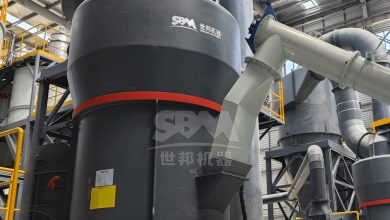
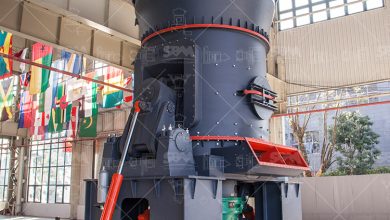
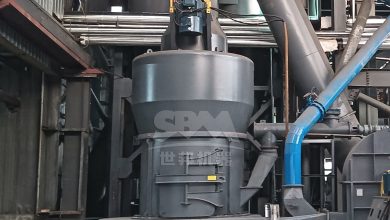
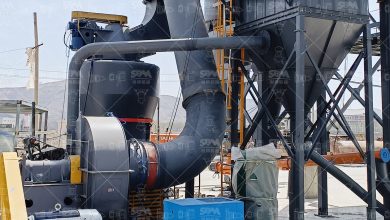
4. Ultrafine Vertical Roller Mill (e.g., LUM Series): This type of mill is designed specifically for ultra-fine grinding (325–2500 mesh). It combines grinding and classification in one unit, using a dynamic classifier to achieve precise cut points. The grinding rollers and table are made of wear-resistant materials, minimizing contamination. The LUM series is highly energy-efficient due to its grinding bed principle and integrated classifier.
5. Trapezium Mill (MTW Series) and Pendulum Mill (MRN Series): These are suitable for grinding to 30–325 mesh (45–600 µm). While they can produce a product at the coarser end of iron oxide red requirements (e.g., 325 mesh), they are more suited for materials that do not require extreme fineness. They can be used as a pre-grinding step before an ultrafine mill.
6. SCM Series Ultrafine Mill: This is a dedicated ultra-fine grinding mill with output fineness from 325 to 2500 mesh (5–45 µm). It uses a unique three-layer grinding ring design and a vertical turbine classifier to ensure precise particle size cutting and uniform finished products. It is 2x more efficient than jet mills and consumes 30% less energy.
Given the stringent fineness and purity requirements of iron oxide red pigments, the most recommended options are the SCM Series Ultrafine Mill and the LUM Ultrafine Vertical Roller Mill. Let us explore these in detail.
SCM Series Ultrafine Mill: Our Recommended Solution for Precision Grinding
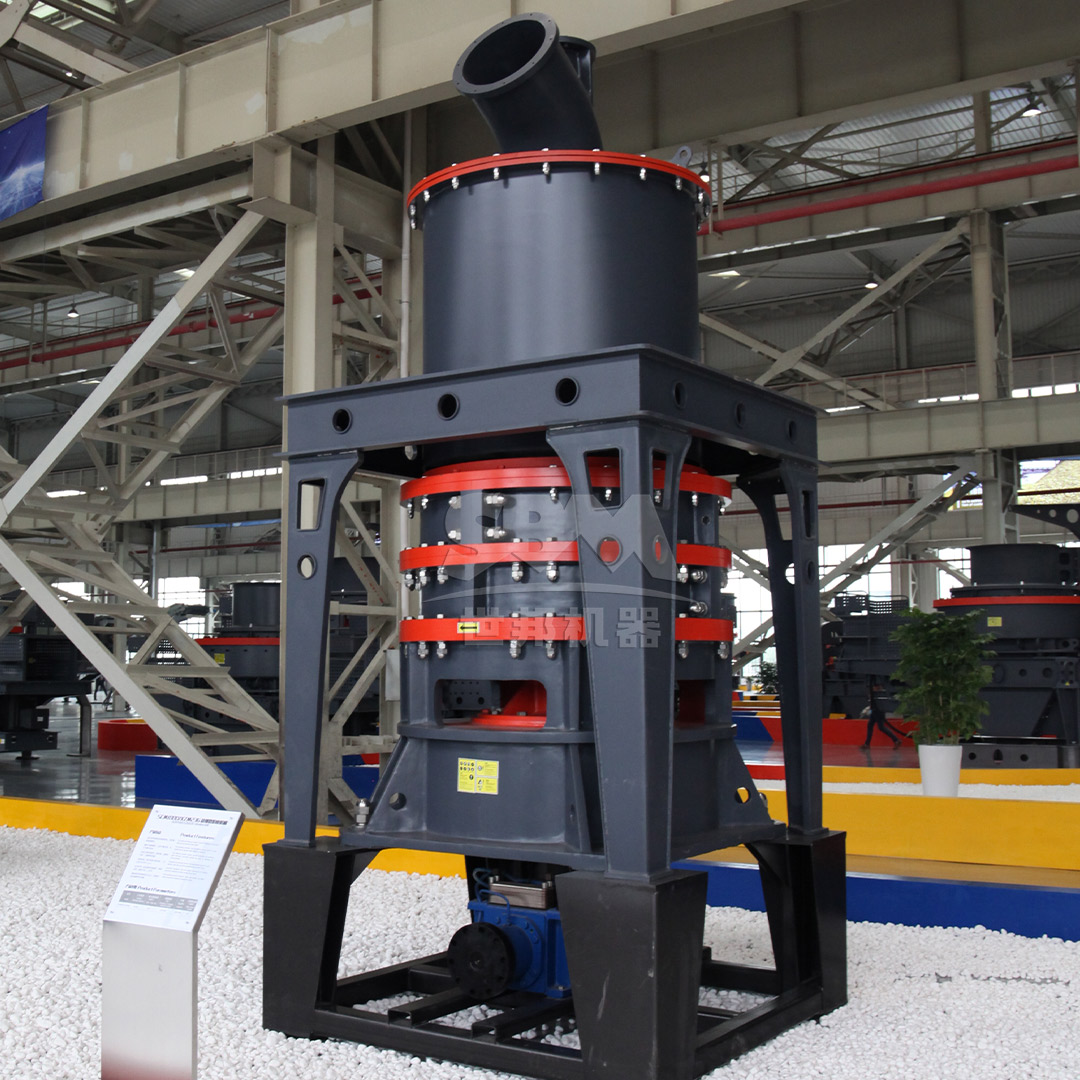
The SCM Series Ultrafine Mill is engineered to produce powders from 325 to 2500 mesh, making it an ideal choice for high-grade iron oxide red. With an input size of ≤20 mm, it can accept the granular concentrate directly from a dryer or a pre-crusher. Its capacity ranges from 0.5 to 25 t/h, covering pilot plants to large-scale production.
Technical Advantages
- High Efficiency & Energy Saving: Its capacity is twice that of jet mills, but energy consumption is 30% lower. The intelligent control system automatically adjusts parameters based on feedback from the finished product analyzer, optimizing the grinding process in real time.
- High-Precision Classification: The vertical turbine classifier ensures a sharp cut point. There is no coarse powder mixing, guaranteeing uniform particle size distribution, which is crucial for consistent color strength of iron oxide red.
- Durable Components: The grinding rollers and rings are manufactured from special wear-resistant alloys, extending their service life by several times compared to standard materials. The shaftless screw grinding chamber design ensures stable operation even with heavy loads.
- Eco-Friendly Operation: It comes with a pulse dust collection system that exceeds international emission standards. The soundproof room design keeps noise levels below 85 dB(A), making it suitable for urban installations.
Working Principle
The main motor drives three layers of grinding rings to rotate. Materials are dispersed into the grinding path by centrifugal force, crushed by roller pressure, and ground layer by layer. The fine powder is carried by air to the classifier, and only particles meeting the specified fineness pass through. The coarse powder falls back for further grinding. The final collection is achieved by a cyclone collector and a pulse dust removal system, ensuring zero product loss and a clean working environment.
Models and Specifications
- SCM800: Capacity 0.5-4.5 t/h, Main Power 75 kW, Fineness 325-2500 mesh.
- SCM900: Capacity 0.8-6.5 t/h, Main Power 90 kW, Fineness 325-2500 mesh.
- SCM1000: Capacity 1.0-8.5 t/h, Main Power 132 kW, Fineness 325-2500 mesh.
- SCM1250: Capacity 2.5-14 t/h, Main Power 185 kW, Fineness 325-2500 mesh.
- SCM1680: Capacity 5.0-25 t/h, Main Power 315 kW, Fineness 325-2500 mesh.
LUM Ultrafine Vertical Roller Mill: The Ideal Alternative for High-Capacity Lines
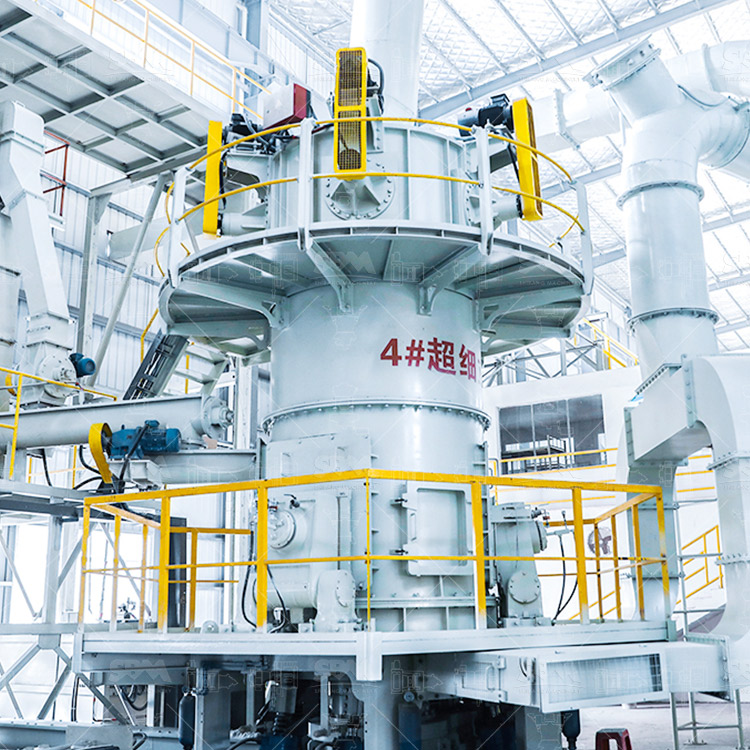
For projects requiring exceptionally high throughput and lower specific energy consumption, the LUM Ultrafine Vertical Roller Mill is a superior alternative. It is designed for fine grinding of 325-2500 mesh with capacities up to 15 t/h.
Technical Advantages
- Efficient Grinding: The unique roller and liner curves enhance the grinding efficiency by at least 20% compared to conventional vertical mills. The grinding bed is stable, leading to lower vibration.
- Precise Classifying: It is equipped with a multi-rotor dynamic classifier that ensures a sharp size distribution with no coarse particles, meeting the strictest specifications for iron oxide red.
- Smart Control: Full PLC automation with remote monitoring capabilities. The system can be integrated into a plant’s DCS. The self-optimizing control algorithms adjust the grinding pressure and classifier speed to maintain the target fineness automatically.
- Environmental Excellence: The mill operates under negative pressure, guaranteeing no dust leakage. The total dust emission is less than 30 mg/Nm³, well below the strictest international standards.
Working Principle
The main motor drives the grinding table via a speed reducer. Materials are fed from the central inlet and spread evenly by centrifugal force. The rollers, under hydraulic pressure, crush the material layer. The fine particles are carried by hot air (or ambient air) to the classifier. The qualified powder is collected by a baghouse, while the oversize particles fall back to the table for regrinding. The grinding rollers can be swung out for easy maintenance, reducing downtime.
Models and Specifications
- LUM1525: Main Power 220-250 kW, Capacity 1.6-11.5 t/h, Fineness 5-30 µm.
- LUM1632: Main Power 280-315 kW, Capacity 2-13.5 t/h, Fineness 5-30 µm.
- LUM1836: Main Power 355-400 kW, Capacity 2.3-15 t/h, Fineness 5-30 µm.
Process Flow Integration
In a typical iron oxide red production line, the iron ore concentrate (with a moisture content of about 8-10%) is first dried in a rotary dryer to reduce moisture to <1%. The dried material is then fed into a crusher to reduce the size to <20 mm. From the crusher, the material is conveyed to the mill’s feed hopper. For the SCM Mill, the feed size is ≤20 mm, so a pre-crusher might be needed if the concentrate is in larger lumps. For the LUM Mill, the feed size is also ≤20 mm. Both mills can handle the direct output from a dryer-crusher combination.
After grinding, the iron oxide red powder is typically subjected to a surface treatment (coating) to improve its weather resistance and dispersibility. The final product is then packed in bags or bulk bags.
Key Selection Criteria: SCM vs. LUM vs. Others
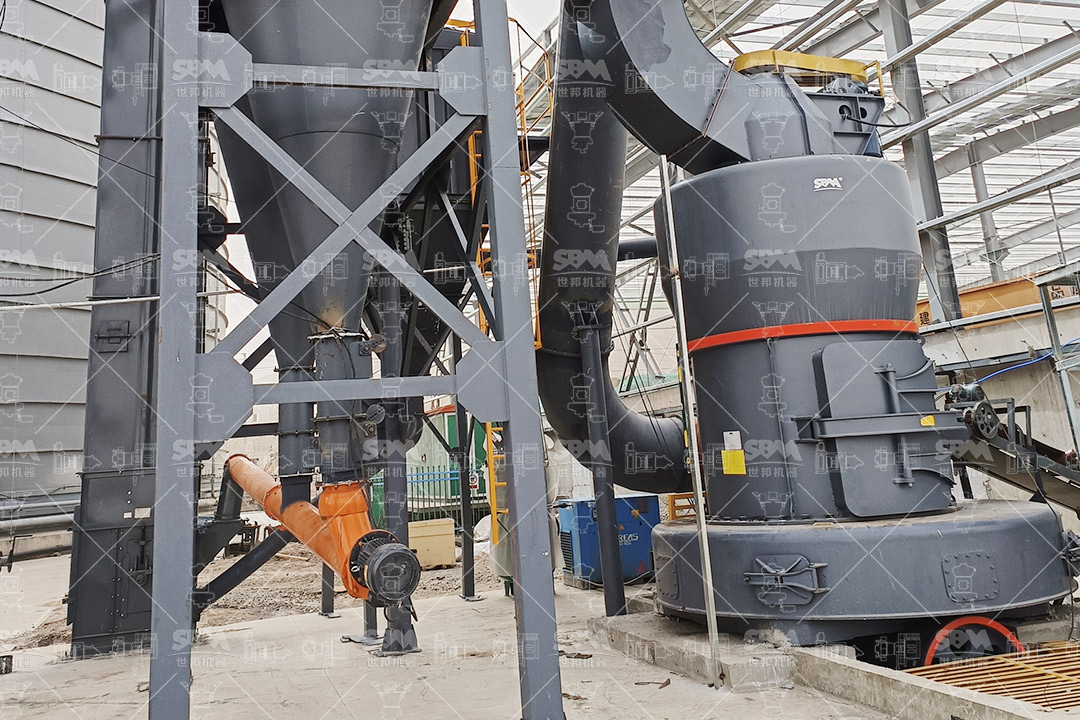
1. Capacity Requirements: For capacities up to 25 t/h, the SCM1680 is suitable. For lines requiring more than 15 t/h, consider multiple LUM mills or a single SCM1680. 2. Product Fineness: Both SCM and LUM achieve 5-45 µm. However, SCM has a slightly better performance in the ultra-fine range (<10 µm) due to its three-layer grinding ring design. 3. Energy Consumption: LUM vertical roller mills are generally 10-15% more energy-efficient than SCM series for the same tonnage. However, SCM has a lower initial capital cost for smaller capacities. 4. Maintenance: LUM’s roller assembly can be changed quickly using hydraulic tools. SCM’s shaftless screw design simplifies maintenance of the grinding chamber.
Comparative Analysis with Other Mills
Compared to a Ball Mill, both SCM and LUM are far more efficient in the ultra-fine range. A ball mill would require a second or third pass, significant media consumption, and produce a wider particle distribution. Compared to a Jet Mill, SCM and LUM consume 30-50% less energy and have a smaller footprint. They also do not require a large compressor, which adds to operational simplicity.
For a coarser product (30-325 mesh), the MTW European Trapezium Mill or MTM Medium-speed Trapezium Mill could be considered, but for iron oxide red, the target is almost always finer than 45 µm. Therefore, these mills are not recommended as a final grinding stage.
Case Study: Successful Application of SCM1250 in Iron Oxide Red Plant
We recently assisted a client in India who wanted to produce iron oxide red (Red 101) from magnetite concentrate. The feed had a particle size of 100 mesh and a moisture content of 5%. After drying, the client installed an SCM1250 mill. The output fineness was set at D90 < 8 µm (approximately 1500 mesh). The mill consistently produced a product with a vibrant red color and excellent tinting strength. The client reported a 40% reduction in power consumption compared to their previous ball mill setup. They were also impressed with the low maintenance requirements—the grinding rings lasted over 12 months even with the abrasive concentrate.
Other Mills in Our Portfolio
For complete line solutions, our company also offers Hammer Mills for pre-crushing (<3 mm), LM Vertical Roller Mills for pre-grinding and coarser grades, and MRN Pendulum Mills for medium fineness. We can design a complete system tailored to your specific raw material and final product specifications.
Conclusion
Selecting the right grinding mill for iron ore concentrate powder to iron oxide red conversion depends on multiple factors: the desired fineness, capacity, purity requirements, energy cost, and maintenance budget. For highest quality and energy efficiency, our SCM Series Ultrafine Mill is the industry benchmark for producing 325-2500 mesh powder. For larger capacities and even lower energy consumption, the LUM Ultrafine Vertical Roller Mill is an excellent choice. Both mills offer advanced classification systems, ensuring a narrow particle size distribution—vital for a premium pigment. We recommend conducting pilot tests with your actual material to determine the optimal parameters and confirm the final product quality. Our engineers are available to support you from feasibility studies to commissioning and after-sales service.