Factors Affecting the Quality of Lime Used in Steelmaking
Introduction
Lime (calcium oxide, CaO) is a fundamental flux in the steelmaking process, particularly in Basic Oxygen Furnaces (BOF) and Electric Arc Furnaces (EAF). Its primary functions are to remove impurities such as phosphorus, silica, and sulfur from molten iron and steel, and to form a protective slag layer. The effectiveness of lime in these roles is critically dependent on its quality. Using sub-standard lime can lead to increased energy consumption, reduced refractory life, higher slag volumes, and inferior steel quality. This article explores the key factors that influence the quality of lime used in steelmaking, focusing on parameters such as chemical composition, physical properties, and reactivity.
1. Chemical Composition
1.1 Calcium Oxide (CaO) Content
The primary active component in lime is CaO. For steelmaking, high-grade lime typically contains over 90% CaO. A higher CaO content ensures maximum desulfurization and dephosphorization capacity. Lowering agents, such as silica (SiO2) and alumina (Al2O3), reduce the effective CaO concentration, requiring the addition of more lime to achieve the desired slag chemistry, thereby increasing costs and slag volume.
1.2 Silica (SiO2) and Alumina (Al2O3) Content
These are the most undesirable impurities in steelmaking lime. High levels of SiO2 and Al2O3 consume CaO to form stable silicates and aluminates, which are less effective at removing impurities. A typical specification for steelmaking lime is SiO2 < 1.5% and Al2O3 < 1.0%. Impurities also increase slag viscosity, slowing down the reaction kinetics and requiring higher operating temperatures.
1.3 Sulfur (S) and Phosphorus (P) Content
Lime itself can introduce harmful elements. High sulfur or phosphorus in the lime will contaminate the steel bath, defeating the purpose of the refining process. Steelmaking lime must have extremely low levels of S (< 0.03%) and P (< 0.01%) to avoid quality issues in the final steel product.
1.4 Loss on Ignition (LOI)
LOI indicates the amount of uncalcined limestone (CaCO3) or hydrated lime (Ca(OH)2) present. High LOI represents “dead” or under-burned material that will not participate in slag formation. It also leads to gas evolution (CO2 or H2O) in the furnace, which can cause splashing and increases heat demand. For steelmaking, LOI should be below 2-3%.
2. Physical Properties
2.1 Particle Size Distribution (PSD)
The size of lime particles directly impacts its dissolution rate in the slag. Ideal particles are in the range of 6 mm to 40 mm. Very fine particles (dust) tend to be carried away by the furnace off-gases, wasting material. Very coarse particles sink to the bottom of the furnace or dissolve too slowly to be effective within the short tap-to-tap time. Consistent, well-controlled particle sizing is essential for efficient slag formation.
2.2 Porosity and Density
Highly reactive lime is porous, with a high surface area. This allows the CaO to react quickly with the slag components. The “available lime” is the portion of CaO that is free to react. It depends on the porosity achieved during calcination. High-density, hard-burned lime has lower reactivity and dissolves slowly. Steelmakers often specify a minimum porosity or a standard reactivity test (e.g., the acetic acid test).
2.3 Reactivity
Reactivity, often measured by the rate of neutralization of an acid, is a crucial quality parameter. Over-burned lime has low reactivity, while correctly burned lime has high reactivity. Standard tests use the time for a given volume of acetic acid to be neutralized by a sample of lime. A highly reactive lime will neutralize the acid in under 60 seconds, while over-burned lime may take several minutes. This directly correlates to its performance in the steelmaking vessel.
3. Calcination Process and Control
The conversion of limestone (CaCO3) to lime (CaO) occurs in a rotary or shaft kiln. After the mining and crushing of limestone, precise control of the calcination process is paramount to achieving high-quality steelmaking lime. Key factors include:
- Temperature Control: The calcination temperature should be maintained around 900°C – 1100°C. Temperatures that are too low result in under-burned lime (high LOI). Temperatures that are too high or prolonged residence times cause “dead burning,” where the pore structure collapses, reducing reactivity.
- Residence Time: The duration the limestone spends in the kiln must be optimized for the particle size. Small stones calcine faster than large ones to prevent overburning the fine material.
- Fuel Type: The fuel used (natural gas, coal, oil) must be clean. Impurities in the fuel (like sulfur) can be absorbed by the lime, contaminating it.
4. The Role of Grinding in Quality Enhancement
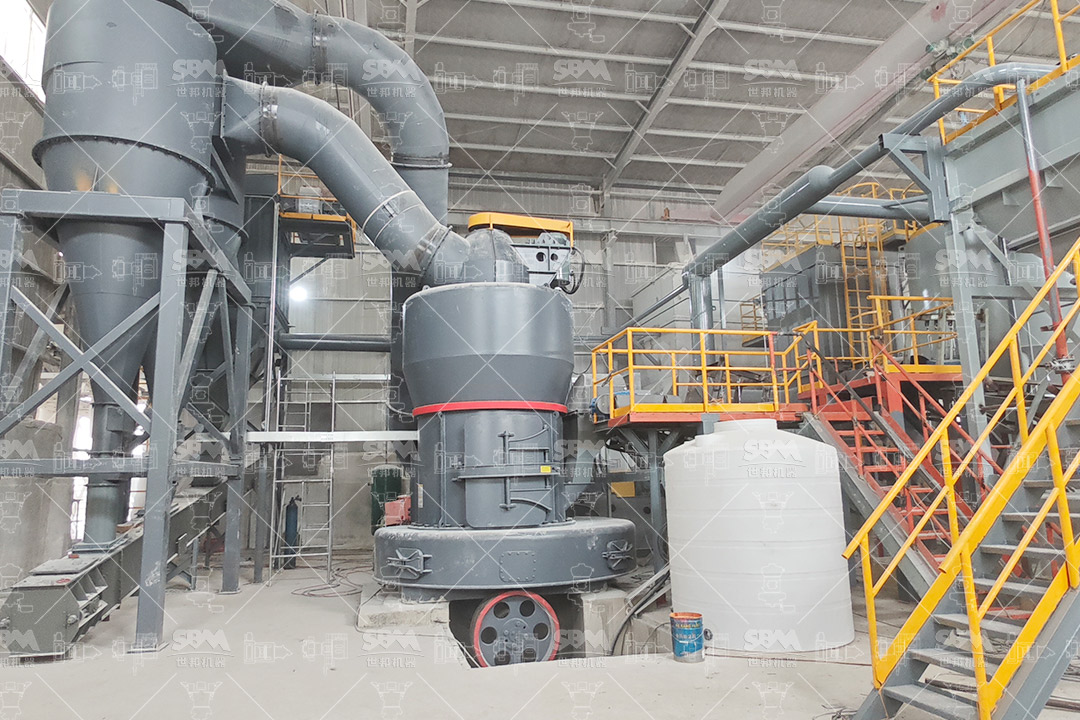
While primary lime for BOF furnaces is typically of a larger particle size, a significant portion of the steel industry uses pulverized lime for injection processes, desulfurization stations, and slag conditioning. For these applications, the fineness and uniformity of the lime powder are critical. To achieve the ultra-fine and precisely graded lime powder needed for demanding steelmaking processes, efficient and reliable grinding equipment is essential.
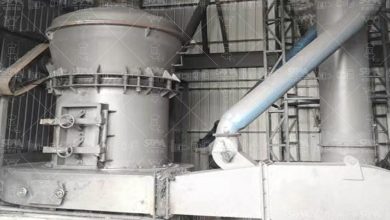
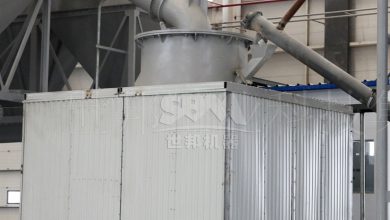
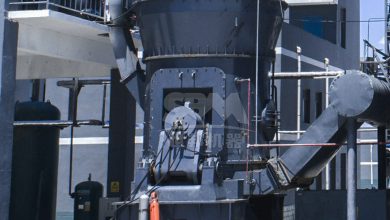
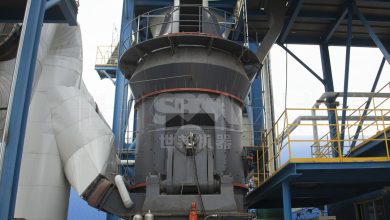
As a leading supplier of industrial grinding solutions, our company offers the SCM Series Ultrafine Mill (45-5μm) and the MTW Series European Trapezium Mill (600-45μm), both ideally suited for producing high-quality lime powders.
Our SCM Series Ultrafine Mill is designed for the highest precision grinding, achieving a fineness of 325-2500 mesh (5-45 microns). Key technical advantages include high efficiency with 2x the capacity of jet mills, lower energy consumption, a vertical turbine classifier for precise particle size cutting (no coarse powder mixing), and an intelligent control system with automatic finished product granularity feedback. This ensures that the lime powder has an extremely uniform particle size and high specific surface area, maximizing its reactivity and dissolution rate in injection applications. Learn more about the SCM Series parameters for model selection tailored to your capacity needs.
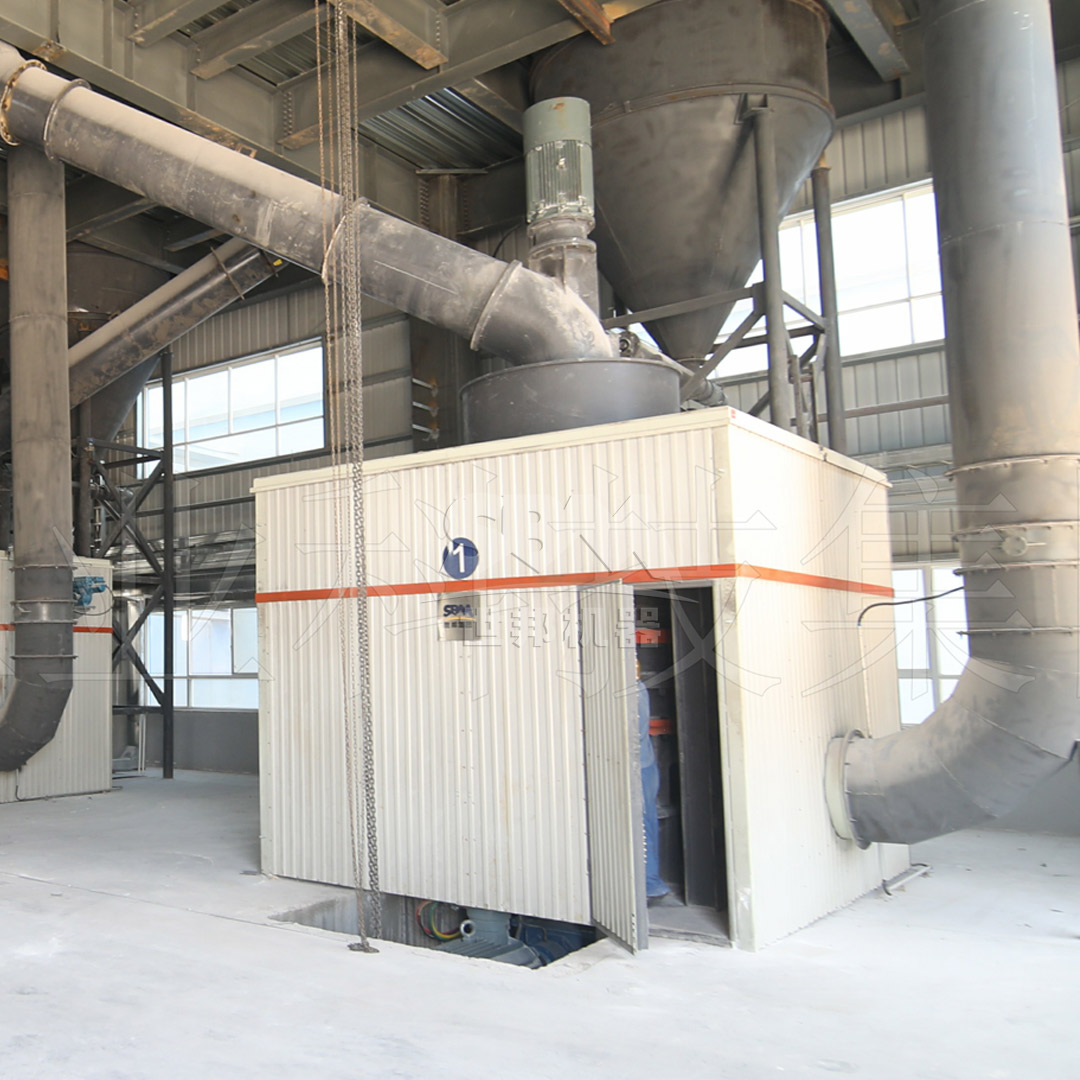
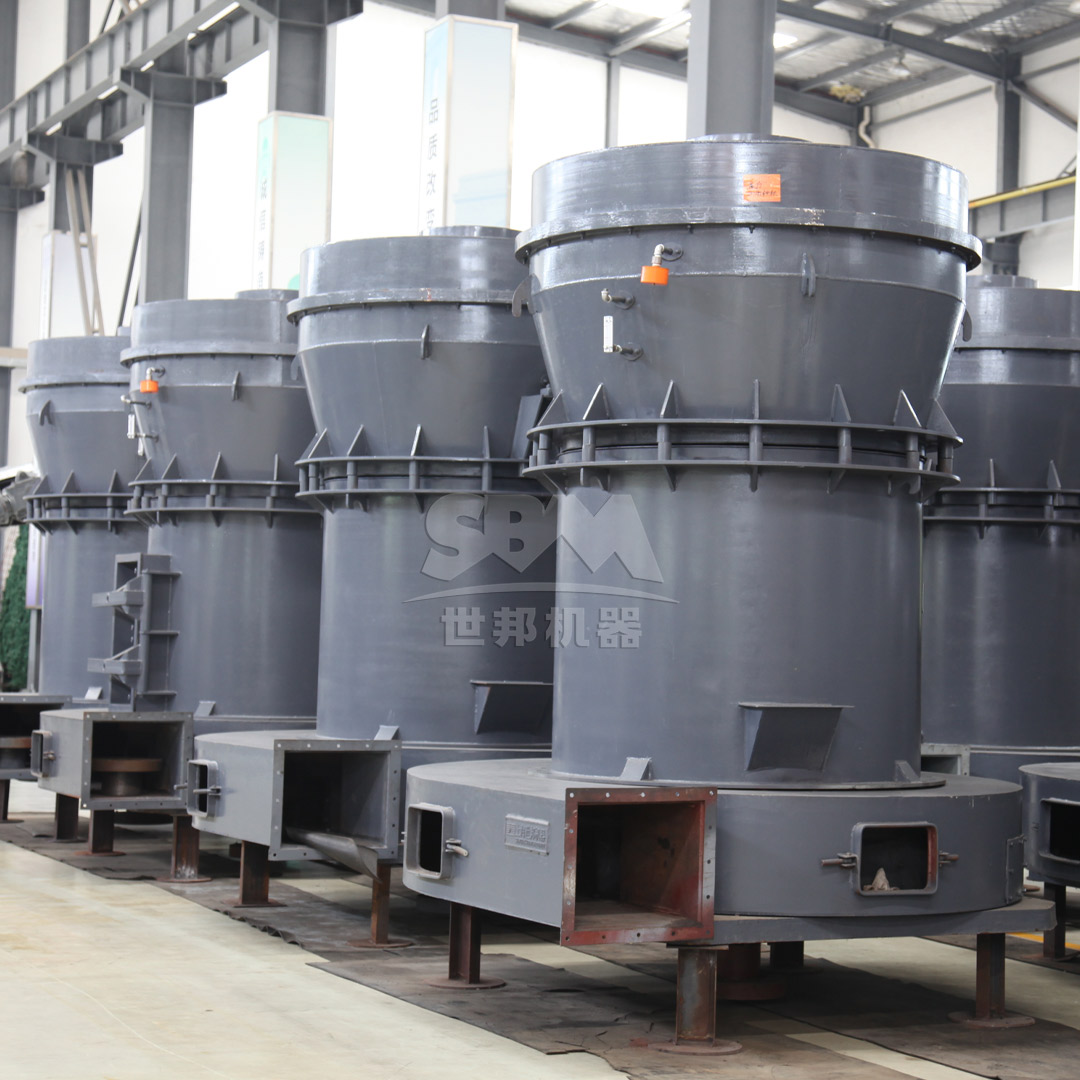
For applications requiring a coarser but still highly consistent product, our MTW Series European Trapezium Mill is the optimal choice. With a fineness range of 30-325 mesh (600-45 microns) and capacities up to 45 tons per hour, this mill features an innovative anti-wear shovel design and an integral bevel gear drive with 98% transmission efficiency. Its straightforward design and powerful performance make it the workhorse for steelmaking lime preparation in larger tonnage operations.
5. Handling and Storage
Lime is hygroscopic and quickly reacts with moisture in the air to form calcium hydroxide (Ca(OH)2), a process known as “slaking.” It also reacts with carbon dioxide (CO2) to reform calcium carbonate (CaCO3). Therefore, the quality of lime can degrade significantly after production if it is not handled and stored properly.
- Air-slaking: This reduces the active CaO content and causes the lime to become sticky and difficult to handle.
- Moisture: High moisture content in storage silos will rapidly slake the lime, making it unusable for steelmaking. Sealed silos with inert gas purging are often used to preserve quality.
6. Finished Product Testing and Quality Assurance
Steel mills typically perform rigorous testing on incoming lime shipments. Key tests include:
- Chemical Analysis (XRF or wet chemistry): For CaO, SiO2, MgO, S, P, and LOI.
- Reactivity Test (Acid Test): Standardized method to determine the speed of reaction.
- Sieve Analysis (Screening): To confirm the particle size distribution.
- Slaking Test: To assess the resistance to moisture degradation.
Conclusion
The quality of lime used in steelmaking is a complex attribute determined by its chemical purity, physical characteristics, and reactivity. From the careful selection of limestone and precise control of the calcination process to proper grinding and storage, each step is crucial. By understanding these factors, steelmakers can select a high-quality lime or a reliable grinding solution to optimize their process. For producing the consistent, high-quality lime powder required for today’s demanding steelmaking operations, exploring advanced milling solutions such as our SCM Series Ultrafine Mill for ultra-fine applications or the MTW Series European Trapezium Mill for robust, high-capacity grinding is a strategic investment in product quality and process efficiency.