How to Choose a Silica Powder Grinding Mill?
1. Understanding the Importance of Silica Powder Grinding
Silica powder, also known as microsilica or silicon dioxide (SiO₂) powder, is a critical raw material in numerous industries, including glass manufacturing, ceramics, electronics, construction, and rubber production. The quality of silica powder—its fineness, particle size distribution, and purity—directly influences the performance of the final product. Therefore, selecting the right grinding mill is not just a matter of equipment procurement; it is a strategic decision that impacts production efficiency, product quality, and operational costs.
Before diving into the technical specifications, it is essential to define your production goals. Are you targeting a coarse powder for construction aggregates (30-200 mesh), a medium-fine powder for ceramic glazes (200-400 mesh), or an ultrafine powder for high-performance coatings and fillers (325-2500 mesh)? The answer will guide your choice of mill type and model.
2. Key Factors to Consider When Choosing a Silica Grinding Mill
Choosing the correct grinding mill for silica requires a careful evaluation of several key parameters. Below are the most critical factors:
2.1 Feed Size and Material Hardness
Silica is a highly abrasive mineral with a Mohs hardness of 7. Your mill must be robust enough to handle this abrasiveness. For silica with a feed size of ≤20mm, ultrafine mills or vertical mills are suitable. If the feed size is larger (e.g., ≤35-50mm), mills with stronger crushing capabilities, such as European trapezium mills or pendulum mills, are more appropriate.
2.2 Required Output Fineness
Fineness is the most critical factor in mill selection. For coarse to medium grinding (30-325 mesh), technologies like the MTW European Trapezium Mill, MTM Medium-speed Mill, or MRN Pendulum Mill are excellent choices. For ultrafine grinding (325-2500 mesh, d97 = 5-45 μm), dedicated ultrafine mills are necessary, as standard mills cannot consistently produce particles below 10 microns.
2.3 Production Capacity (Ton/Hour)
Your required throughput directly dictates the mill model and size. A small laboratory or pilot plant may need only 0.5-5 t/h, while a large industrial operation may require 50-250 t/h. Always select a model with a safety margin of 10-20% above your average capacity requirement to handle peak loads.
2.4 Energy Consumption and Operating Costs
Grinding is an energy-intensive process. Energy costs often represent a significant portion of the total production cost. Modern mills incorporate energy-saving features such as intelligent control systems, optimized grinding mechanisms, and efficient classifiers. For example, vertical roller mills typically consume 30-40% less energy than traditional ball mill systems.
2.5 Environmental Compliance
Silica dust is a recognized health hazard. A good grinding mill must have an effective dust collection system. Look for mills equipped with pulse dust collectors and negative pressure operation. Low noise levels (e.g., ≤85dB) are also important for workplace safety and regulatory compliance.
3. Types of Grinding Mills Suitable for Silica
Based on the factors above, we can categorize suitable mills into three main groups.
3.1 Coarse to Medium Grinding (30-325 Mesh)
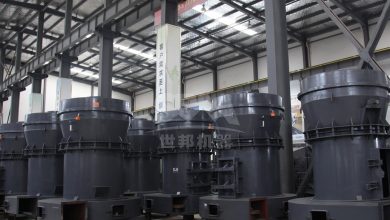
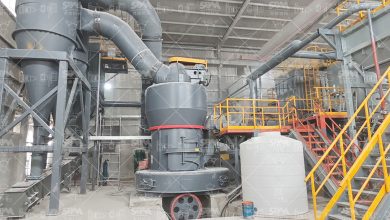
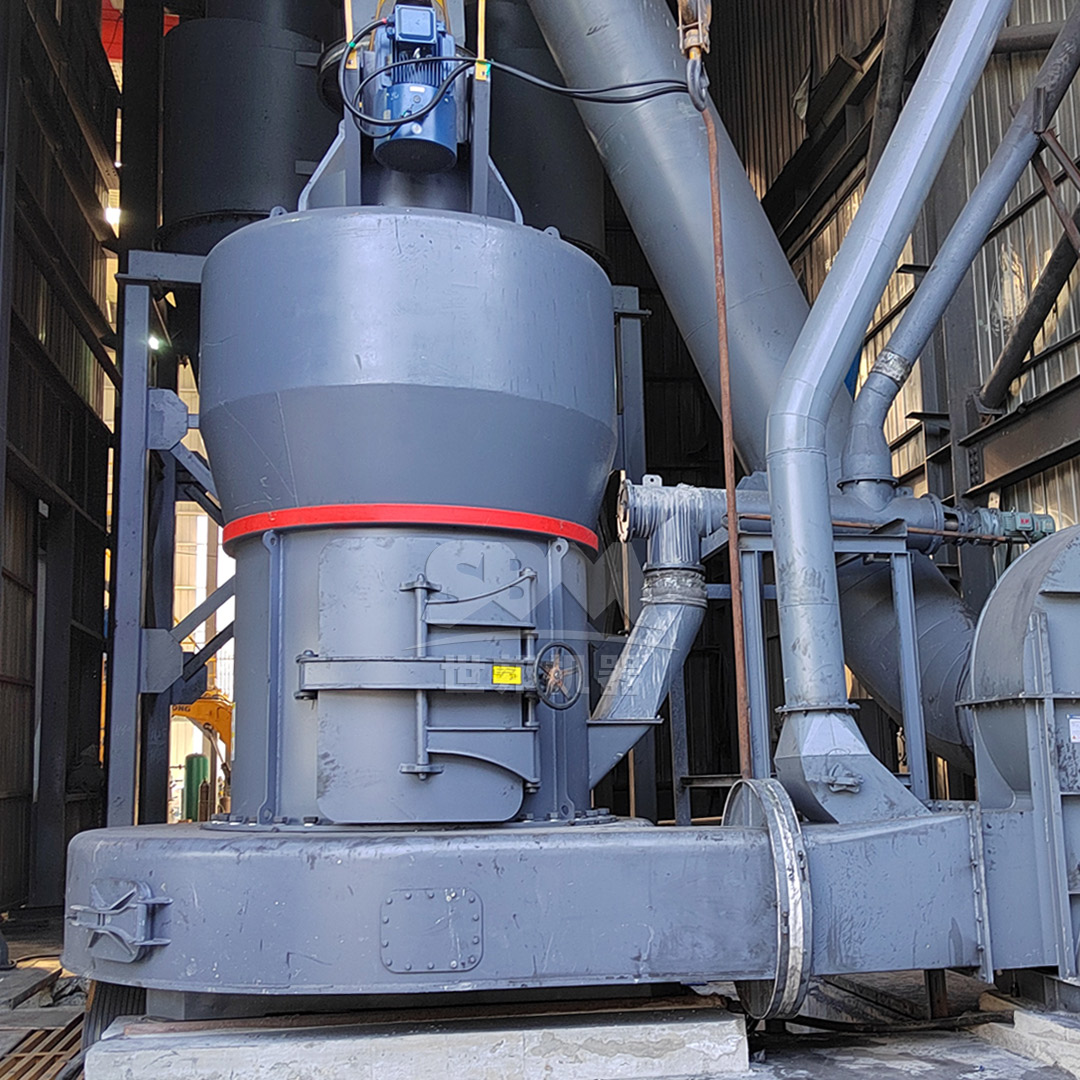
MTW European Trapezium Mill: This is the workhorse for producing silica powder in the 30-325 mesh range. Its integral bevel gear drive offers transmission efficiency of up to 98%, and the anti-wear shovel design significantly reduces maintenance costs. Models like the MTW175G (capacity 9.5-25 t/h) or the MTW215G (capacity 15-45 t/h) are ideal for medium to large-scale operations. The optimized arc air duct minimizes energy loss, making it a cost-effective solution.
MRN Pendulum Mill: With a capacity range of 2.7 to 83 TPH and feed sizes up to 50mm, the MRN pendulum mill is another robust option. Its thin oil lubrication system is a first-in-class maintenance-free design, which is perfect for continuous industrial production.
3.2 Ultrafine Grinding (325-2500 Mesh)
For high-value applications requiring extremely fine powder, such as electronic encapsulation materials or high-quality paints, an ultrafine mill is mandatory.
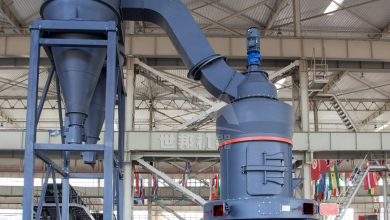
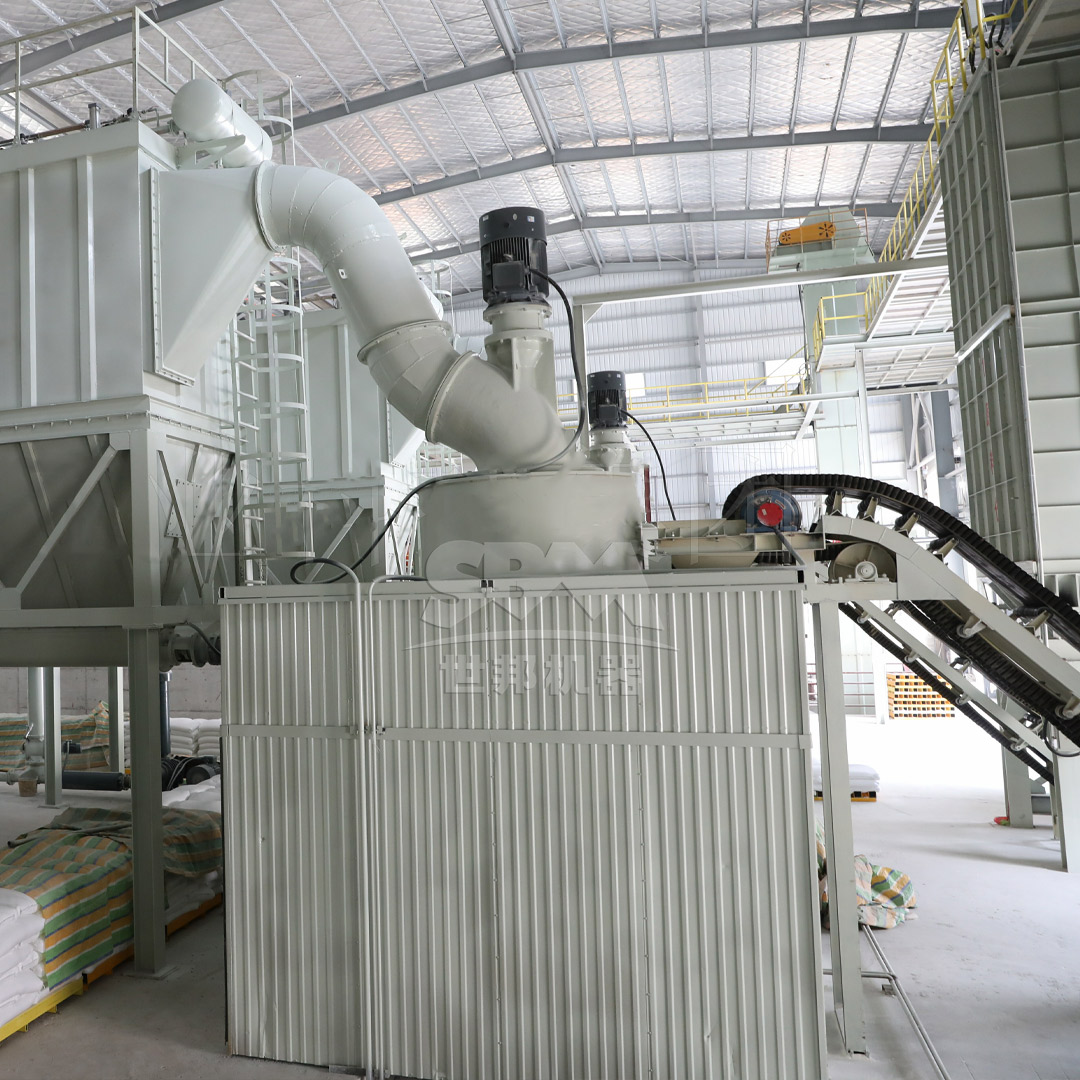
SCM Series Ultrafine Mill: This mill is specifically designed for ultrafine silica powder from 325 to 2500 mesh (45-5 microns). Its capacity is up to twice that of jet mills with 30% lower energy consumption. The vertical turbine classifier ensures no coarse powder mixing, guaranteeing high uniformity. For example, the SCM1680 model can process 5.0-25 t/h of silica to a fineness of d97=5-45μm.
LUM Ultrafine Vertical Roller Mill: Similar in output fineness to the SCM series, the LUM mill uses a unique roller and liner curve design for efficient grinding. Its PLC automation system provides stable, unattended operation. It is particularly effective for producing superfine powder in the 5-30 micron range.
3.3 Large-Scale, High-Capacity Grinding (30-600 Mesh)
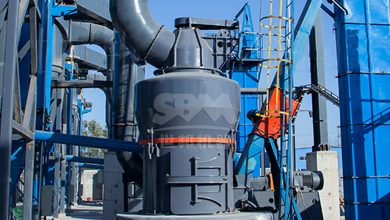
LM Vertical Roller Mill: For massive production lines (e.g., 50-250 t/h), the LM vertical roller mill is the best choice. Its integrated design combines crushing, grinding, and selection in one system, reducing floor space by 50%. More importantly, its energy consumption is 30-40% lower than that of a traditional ball mill. The non-contact design between rollers and table increases wear part life by three times. If you need a comprehensive solution for large-scale silica powder production, the LM series is unmatched.
4. Detailed Product Recommendations
Based on our extensive experience in mineral processing, we highly recommend two specific products for silica powder grinding, depending on your fineness and capacity requirements.
Recommendation 1: For Ultrafine Silica Powder (325-2500 mesh, 5-45μm)
We strongly recommend the SCM Series Ultrafine Mill. This mill is the crown jewel of our ultrafine grinding technology. It excels in producing high-value, ultra-pure silica powder. Its key advantages for silica processing are:
- Superior Efficiency: The SCM mill is twice as productive as a jet mill while using 30% less energy. This translates directly to lower cost per ton of product.
- Precision Classification: The vertical turbine classifier system ensures a precise cut point with absolutely no coarse powder mixing. This is critical for applications where particle size consistency is paramount.
- Durability in Abrasive Environments: The rollers and rings are made of special wear-resistant materials, extending their service life several times compared to standard materials. The shaftless screw grinding chamber ensures stable operation even when processing abrasive silica.
- Eco-Friendly Operation: The pulse dust collection efficiency exceeds international standards, and the soundproof room design keeps noise levels low, making it compliant with the strictest environmental regulations.
For a production requirement of 5-25 t/h of ultrafine silica, the SCM1680 model is ideal, featuring a main power of 315kW and a feed size capacity of 0-20mm.
Recommendation 2: For Medium-Fine Silica Powder (30-325 mesh, up to 0.038mm)
For customers requiring high-capacity grinding of silica in the standard mesh range, the MTW Series European Trapezium Mill is our top recommendation. Here is why:
- High Transmission Efficiency: Its integral bevel gear drive achieves a transmission efficiency of up to 98%, saving mechanically lost energy.
- Reduced Maintenance: The combined shovel blades and curved design of the grinding rollers significantly extend their life and reduce the frequency of replacement. The non-resistance flow volute structure reduces maintenance costs by 30%.
- Stable Performance: The optimized arc air duct reduces airflow energy loss, ensuring smooth and consistent operation even with large feed sizes (up to 50mm).
- Versatile Capacity Range: With models ranging from 3 t/h (MTW110) to 45 t/h (MTW215G), there is a perfect fit for any scale of operation.
For a standard medium-scale silica powder plant, the MTW138Z (capacity 6-17 t/h, main power 90kW) or the MTW175G (capacity 9.5-25 t/h, main power 160kW) offers an excellent balance of cost, performance, and reliability.
5. Matching Your Specific Needs to the Right Model
To illustrate how to apply the information above, let’s consider three hypothetical scenarios:
- Scenario A: Small workshop, producing 2 t/h of 800 mesh silica for paint. The ideal choice is the SCM800 or SCM900 Ultrafine Mill. Its fineness range of 325-2500 mesh covers the target of 800 mesh perfectly, and the small footprint fits a workshop environment.
- Scenario B: Medium-sized factory, producing 12 t/h of 200 mesh silica for glass. The MTW138Z or MTW175G Trapezium Mill is the best fit. It handles the feed size easily and provides the exact fineness needed with high throughput and low energy consumption.
- Scenario C: Large industrial complex, producing 80 t/h of 150 mesh silica for ceramics. The LM220K Vertical Roller Mill (36-105 t/h) or even the LM280K (50-170 t/h) is required. Its massive capacity, integrated design, and low operating cost make it the only viable solution for this scale.
6. Conclusion and Final Advice
Choosing a silica powder grinding mill is a decision that requires a thorough analysis of your material characteristics, target product specifications, and budget. Do not compromise on quality for initial cost; a high-efficiency mill pays for itself through reduced energy bills, lower maintenance, and higher product quality.
We recommend consulting with our technical team who can perform a sample grinding test on your specific silica raw material. This will provide definitive data on achievable fineness, capacity, and energy consumption. Based on this information, we can confidently guide you to the perfect solution, whether it is the high-performance SCM Ultrafine Mill for the finest powders or the robust MTW Trapezium Mill for bulk production.
Invest in the right technology today, and you will ensure a profitable, sustainable, and high-quality silica powder production line for years to come.