Application of Magnesite Vertical Roller Mill in Magnesite Flotation Process
1. Introduction to Magnesite Processing
Magnesite (MgCO₃) is a critical industrial mineral used extensively in the production of refractory materials, magnesium compounds, and environmental applications. The beneficiation of magnesite ore typically involves a series of processes including crushing, grinding, classification, and flotation. Among these stages, grinding plays a pivotal role as it determines the liberation degree of magnesite from gangue minerals such as dolomite, talc, and quartz. Inefficient grinding can lead to poor flotation recovery, high reagent consumption, and increased operational costs.
In recent years, vertical roller mills (VRMs) have gained widespread acceptance in the mineral processing industry due to their superior energy efficiency, compact footprint, and precise product control. This article explores the application of magnesite vertical roller mills in the magnesite flotation process, highlighting their technical advantages, operational benefits, and contribution to sustainable mineral processing.
2. The Role of Grinding in Magnesite Flotation
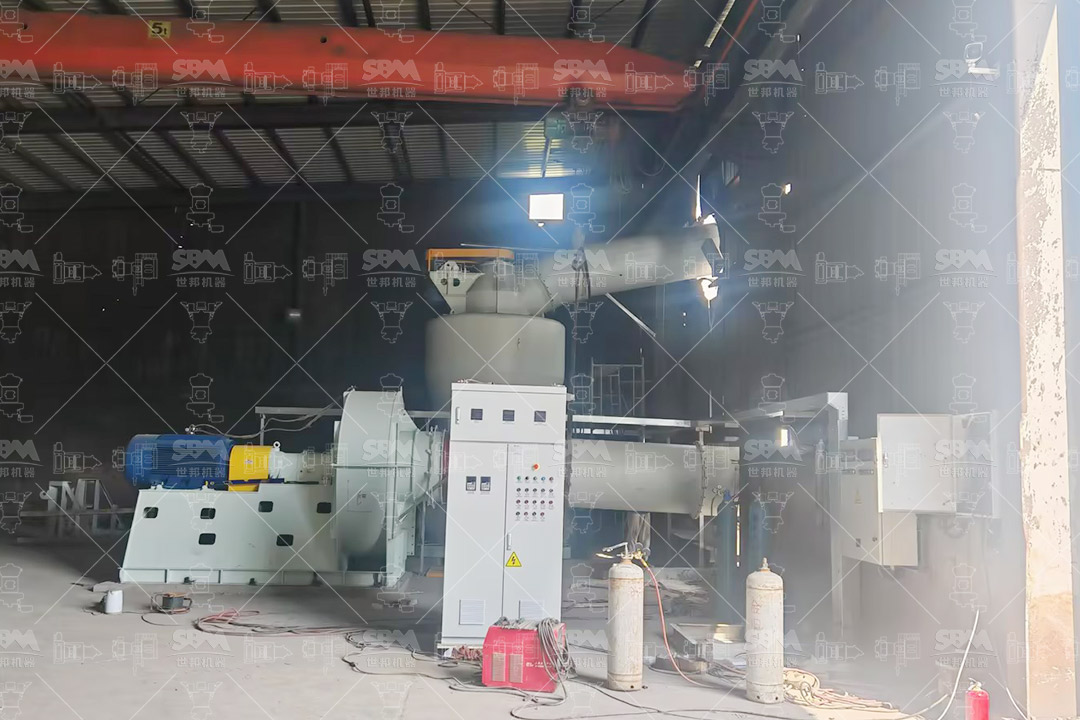
The flotation process for magnesite typically requires the ore to be ground to a particle size of 74–150 μm (100–200 mesh) to achieve adequate liberation. Over-grinding produces excessive slimes that consume flotation reagents and reduce recovery, while under-grinding results in incomplete liberation and poor product grade. Therefore, selecting the right grinding equipment is crucial for optimizing the entire beneficiation circuit.
Traditional ball mill systems have been the industry standard for decades. However, they suffer from several drawbacks including high energy consumption (typically 20–30 kWh/t for magnesite), significant wear part replacement costs, and large floor space requirements. In contrast, magnesite vertical roller mills offer a more efficient alternative by integrating grinding, drying, and classification into a single unit, reducing energy consumption by 30–50% compared to ball mills.
3. Advantages of Vertical Roller Mills for Magnesite Grinding
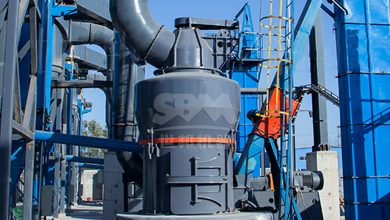
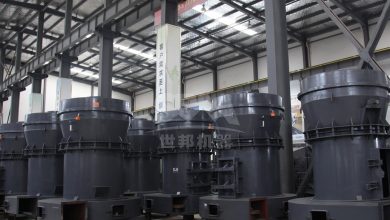
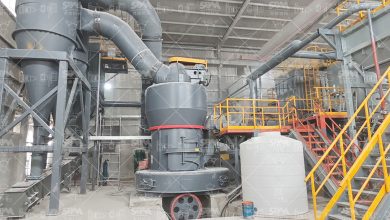
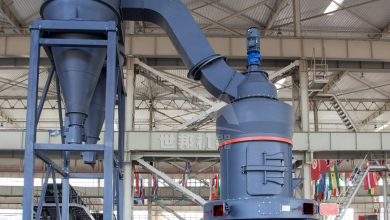
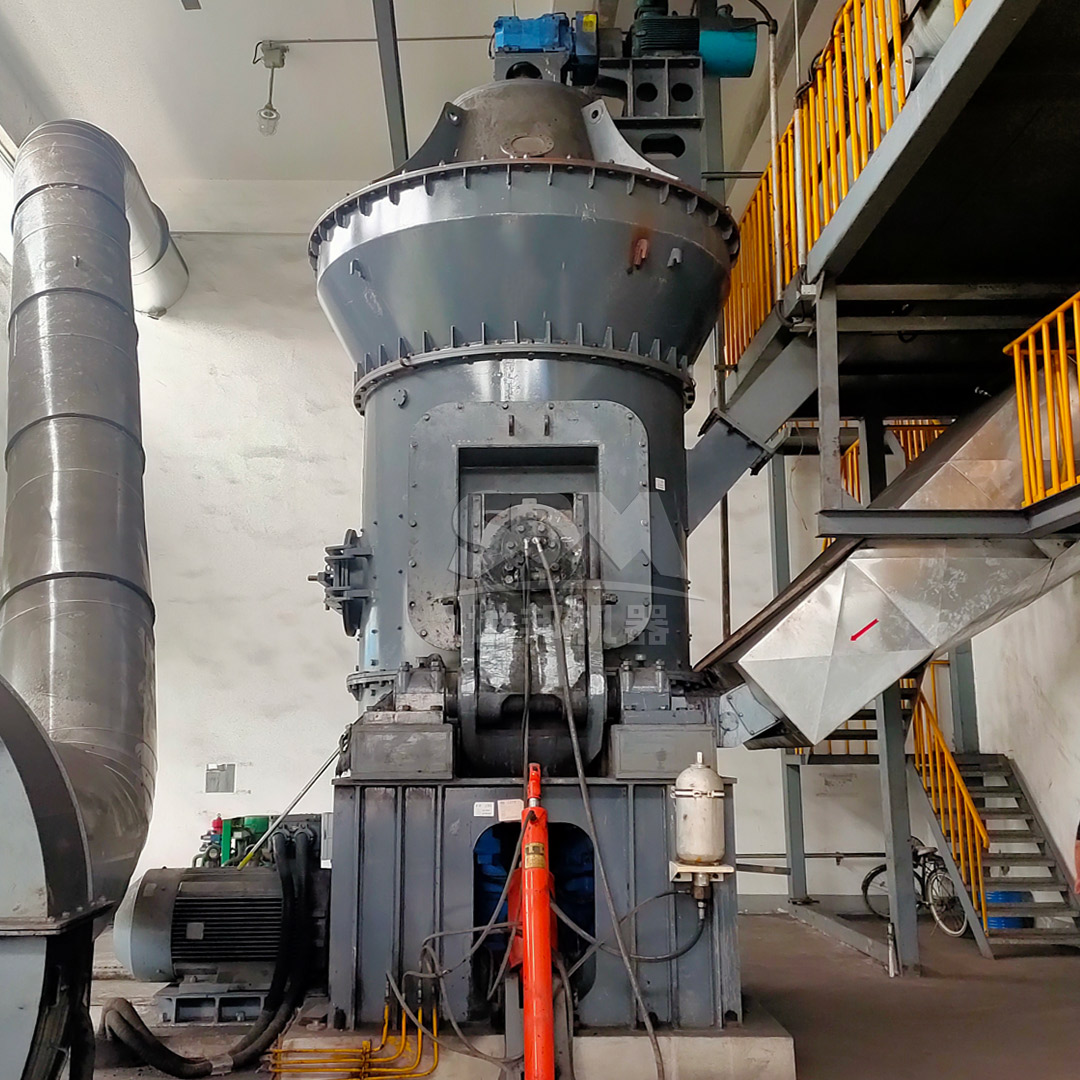
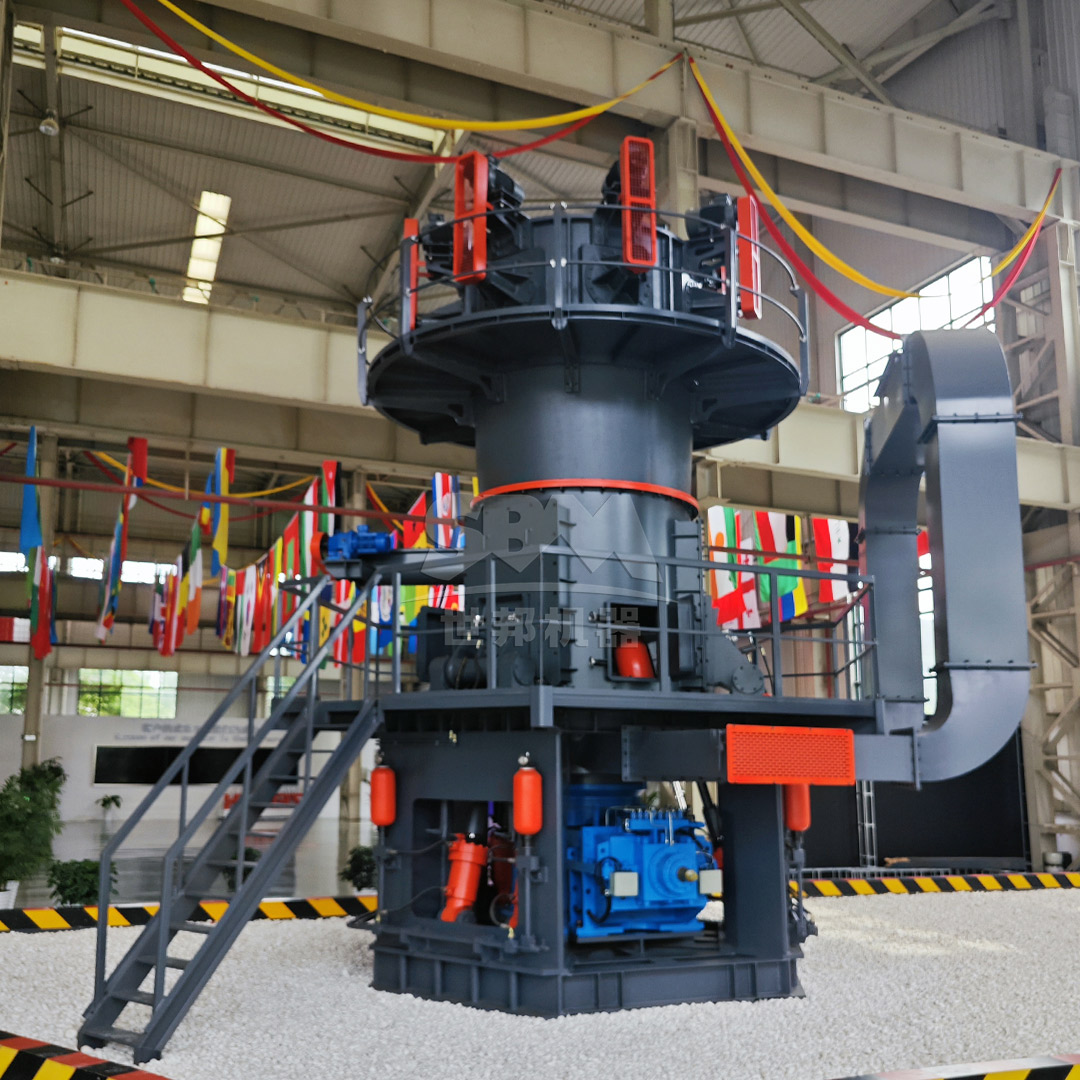
The LM Series Vertical Roller Mill from our company represents a state-of-the-art solution for magnesite grinding. With core parameters including feed size up to 50mm and output fineness ranging from 30 to 325 mesh (up to 600 mesh for special models), these mills are ideally suited for magnesite flotation feed preparation.
Key advantages include:
- Integrated Design: The system combines crushing, grinding, and selection in one unit, reducing floor space by up to 50% compared to conventional ball mill circuits. This is particularly beneficial for existing plants undergoing capacity expansion where space is limited.
- Low Operating Cost: The non-contact design between rollers and grinding table extends wear part life by three times. For magnesite processing, this translates to significantly lower maintenance costs and higher equipment availability.
- Intelligent Control: The expert-level auto-control system supports remote and local switching, with real-time monitoring of critical parameters such as grinding pressure, table speed, and classifier speed. This ensures consistent product fineness crucial for flotation performance.
- Environmental Compliance: Fully sealed negative pressure operation ensures dust emissions below 20 mg/Nm³, meeting stringent environmental regulations.
We highly recommend the LM Series Vertical Roller Mill for large-scale magnesite processing applications. For operations requiring higher capacity, the LM280K model with a table diameter of 2800mm and capacity up to 170 t/h (fineness 170–45 μm) offers exceptional throughput. Alternatively, for finer grinding requirements in downstream processing, the LUM Ultrafine Vertical Roller Mill (325–2500 mesh) can be integrated as a secondary grinding stage.
4. Process Integration: From Crushing to Flotation
A typical magnesite flotation plant utilizing vertical roller mills follows a streamlined process flow:
Primary Crushing: Run-of-mine ore (typically 300–500mm) is reduced to <50mm using jaw crushers and cone crushers. The crushed product is fed directly to the vertical roller mill feed bin.
Grinding & Classification: In the LM Series vertical roller mill, material is ground between the rotating table and stationary rollers. The grinding pressure is hydraulically adjustable, allowing precise control over energy input. Hot air (if required for drying) enters the mill through the air ring, lifting fine particles to the dynamic classifier. The classifier speed determines the final product fineness. For magnesite flotation, typical classifier settings yield 80% passing 200 mesh (74 μm). Oversize particles fall back to the grinding table for further reduction.
Product Collection: The fine powder exits the mill with the gas stream and is collected in a baghouse or cyclone collector. The product can be directly fed to the flotation conditioning tank without intermediate storage, simplifying the process.
5. Case Study: Enhancing Magnesite Flotation Recovery
In a recent installation at a magnesite processing plant in Liaoning Province, China, replacing two ball mills with a single LM170K vertical roller mill resulted in:
- Energy savings of 38% (from 28.5 kWh/t to 17.6 kWh/t)
- Improved flotation recovery from 82% to 89% due to more consistent particle size distribution and reduced slime generation
- Reduction in reagent consumption by 15% due to better mineral surface exposure
- Annual maintenance cost reduction of over $200,000
These results demonstrate the transformative impact of vertical roller mill technology on magnesite processing economics.
6. Technical Specifications for Magnesite Applications
For magnesite grinding in flotation circuits, the following LM Series models are recommended based on plant capacity:
| Model | Table Diameter (mm) | Capacity (t/h) | Fineness (μm) | Main Power (kW) |
|---|---|---|---|---|
| LM130K | 1300 | 10–28 | 170–40 | 200 |
| LM150K | 1500 | 13–38 | 170–40 | 280 |
| LM170K | 1700 | 18–48 | 170–40 | 400 |
| LM190K | 1900 | 23–68 | 170–40 | 500 |
For plants requiring both coarse and fine grinding stages, the combination of an MTW Series European Trapezium Mill (for coarse grinding to 30–325 mesh) and the LUM Ultrafine Vertical Roller Mill (for fine grinding to 325–2500 mesh) offers maximum flexibility. The MTW175G model, with capacity up to 25 t/h and fineness down to 0.038mm, is an excellent choice for medium-scale operations.
7. Conclusion
The application of magnesite vertical roller mills in the magnesite flotation process represents a significant advancement in mineral processing technology. By delivering consistent product fineness, reducing energy consumption, and minimizing operational costs, VRMs provide a compelling solution for both new plants and retrofit projects. The LM Series Vertical Roller Mill, with its robust design and intelligent control system, stands out as the preferred choice for magnesite beneficiation. For operations seeking to maximize recovery while minimizing environmental impact, investing in modern VRM technology is a strategic decision that delivers long-term returns.