The Role of Tailings Grinding Mills in Green Mining Construction
Introduction: The Imperative of Green Mining
The global mining industry is undergoing a profound transformation. As environmental regulations tighten and society demands sustainable resource management, the concept of “green mining” has moved from a niche ideal to a central operational strategy. Green mining encompasses a range of practices aimed at minimizing the ecological footprint of mining activities, from reducing energy consumption and water usage to controlling dust and noise pollution. Crucially, it also involves the responsible management of mining waste, particularly tailings. Traditionally seen as a liability, tailings are increasingly recognized as a potential resource. The key to unlocking this value and mitigating environmental risks lies in advanced grinding technology. This article explores the critical role of tailings grinding mills in constructing a greener, more sustainable mining industry.
Transforming Waste into Value: The Economic and Environmental Case
Tailings, the finely ground rock particles left after valuable minerals have been extracted, represent one of the largest waste streams on the planet. Mismanaged tailings can lead to catastrophic environmental disasters, including dam failures that contaminate waterways and devastate ecosystems. However, these materials are not inert. They often contain residual valuable minerals, metals, and industrial minerals that can be recovered. Furthermore, processed tailings can be repurposed into construction materials like cement, bricks, and backfill for mine cavities. This circular economy approach not only generates new revenue streams but also dramatically reduces the volume of waste requiring storage, lowering the long-term environmental liability. Achieving this transformation, however, requires precise and efficient grinding equipment capable of handling abrasive, heterogeneous feed materials.
Core Technologies in Tailings Reprocessing
Effective tailings utilization hinges on the ability to grind the material to a specific, fine particle size distribution. The grinding mill must be robust enough to handle the abrasive nature of tailings while offering the flexibility to produce different product finenesses for various downstream applications. Key requirements for a green mining mill include:
- High Energy Efficiency: Grinding is one of the most energy-intensive processes in mining. A mill that consumes less power per ton of material processed directly reduces the operation’s carbon footprint.
- Low Noise and Dust Emissions: A closed-loop, negative-pressure system with high-efficiency dust collection is essential for clean operation.
- Precise Classification: Producing a uniform, high-quality final product is critical for applications like cement additives or high-value filler materials.
- Wear Resistance: Tailings are highly abrasive. Mills with durable components reduce maintenance frequency, downtime, and the consumption of spare parts.
SCM Series Ultrafine Mill: A Solution for High-Value Tailings Applications
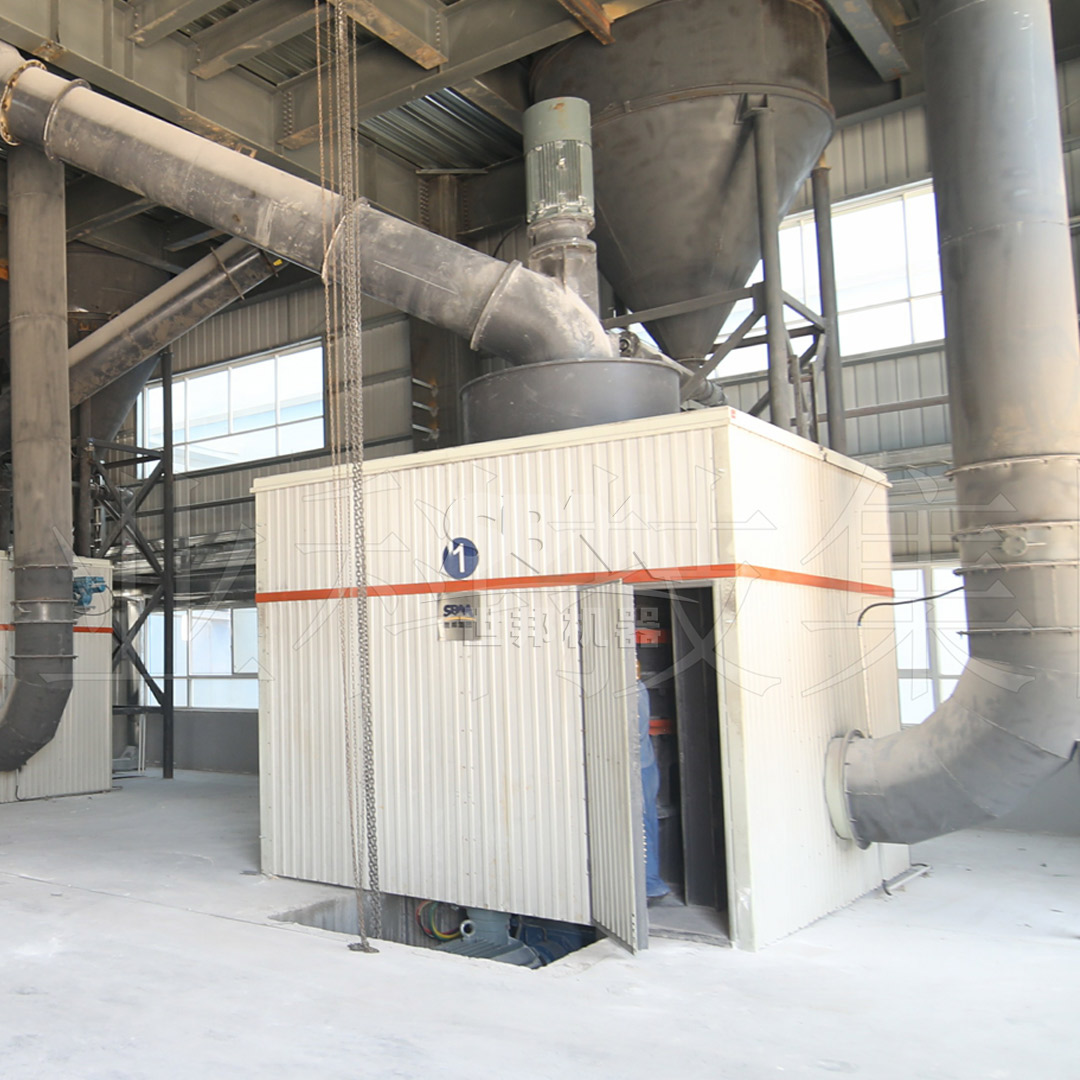
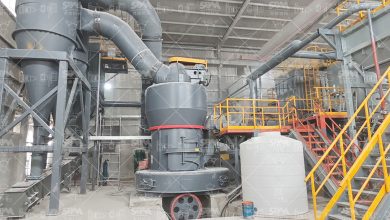
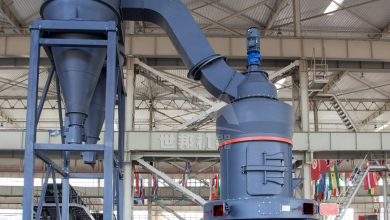
For operations targeting ultra-fine grinding of tailings for high-value applications such as rubber fillers, coatings, or ceramics, the SCM Series Ultrafine Mill stands out as a premier choice. Its core parameters—an input size of ≤20mm and an output fineness ranging from 325 to 2500 mesh (45-5μm)—make it uniquely suited for producing the micronized powders demanded by these markets. The SCM mill’s technical advantages directly align with green mining principles. Its capacity can be up to 2 times that of a traditional jet mill while consuming 30% less energy, representing a significant leap in efficiency. The vertical turbine classifier ensures high-precision particle size cutting with no coarse powder mixing, guaranteeing product uniformity. Furthermore, its special material rollers and rings offer extended service life, and the integrated pulse dust collection system ensures eco-friendly, low-noise operation. Models ranging from the SCM800 (0.5-4.5 t/h) to the SCM1680 (5.0-25 t/h) provide scalable solutions for different project sizes.
MTW Series European Trapezium Mill: The Workhorse for Bulk Tailings Utilization
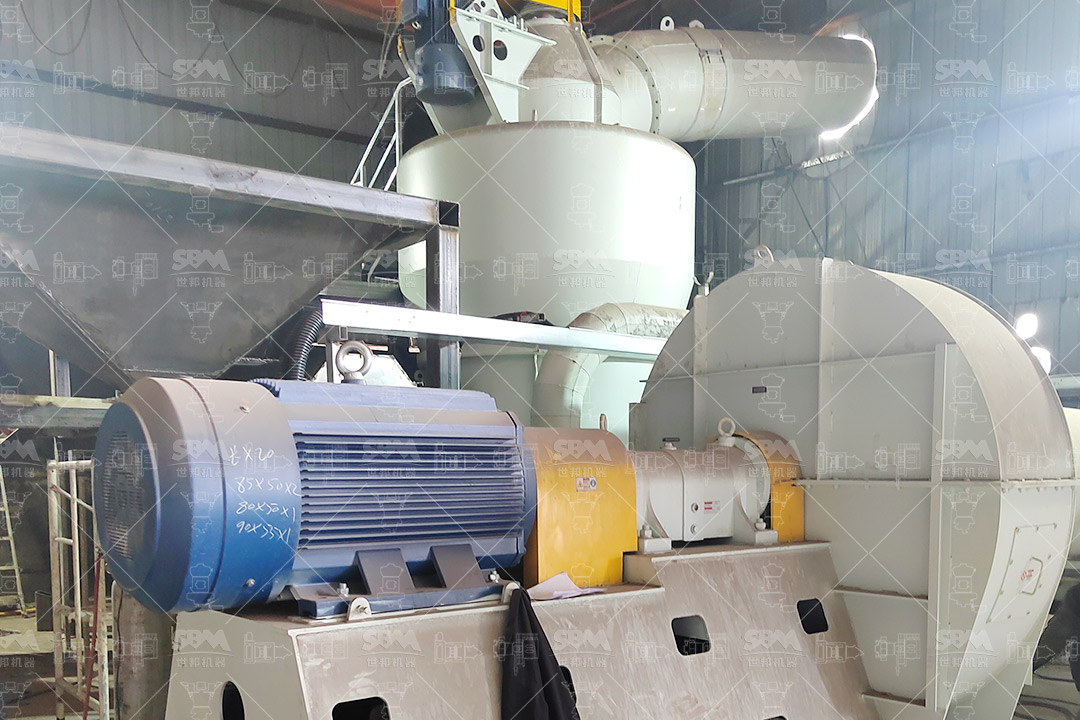
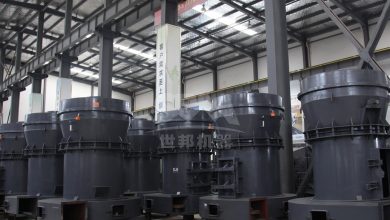
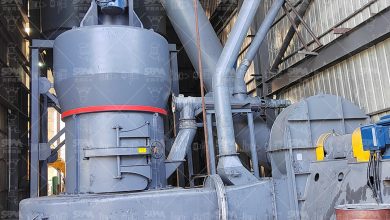
When the goal is to prepare tailings for bulk applications like mine backfill, cement manufacturing, or as a road base aggregate, a robust, large-capacity mill is required. The MTW Series European Trapezium Mill is an excellent choice for these tasks. With an input size of up to 50mm and an output fineness of 30-325 mesh, it is capable of handling coarser feed and producing a wide range of standard particle sizes. Its capacity of 3-45 ton/h makes it suitable for medium to large-scale operations. The MTW mill’s design incorporates several features that enhance its sustainability profile. The integral bevel gear drive achieves transmission efficiency of up to 98%, reducing energy loss. The anti-wear shovel design and wear-resistant volute structure lower maintenance costs by up to 30%. The optimized arc air duct improves airflow efficiency, and the fully sealed negative pressure operation ensures minimal dust leakage, contributing to a safer and cleaner working environment.
Innovative Design Meets Environmental Stewardship
Both the SCM and MTW series mills are built on a foundation of advanced engineering that prioritizes both performance and environmental responsibility. The working principles of these mills—whether it is the layer-by-layer grinding of the SCM or the extrusion crushing of the MTW—are designed for maximum material-to-energy conversion. The intelligent control systems featured in modern mills allow for automatic adjustment of operational parameters, ensuring that the mill operates at its peak efficiency point based on the real-time properties of the feed material. This “smart grinding” capability not only saves energy but also ensures a consistent product quality, which is vital for establishing reliable, secondary material markets for tailings.
Conclusion: A Cornerstone of the Circular Economy in Mining
Tailings grinding mills are not just pieces of machinery; they are a cornerstone technology for achieving zero-waste mining. By enabling the economic and safe reprocessing of mining waste, mills like the SCM Series Ultrafine Mill and MTW Series European Trapezium Mill are helping to transform the industry. They allow mining companies to turn an environmental challenge into a business opportunity, reducing the need for new tailings storage facilities, creating value from waste, and conserving natural resources. As the world moves towards a more circular economy, the role of technologically advanced, energy-efficient, and environmentally friendly grinding mills will only become more central to the future of green mining construction.
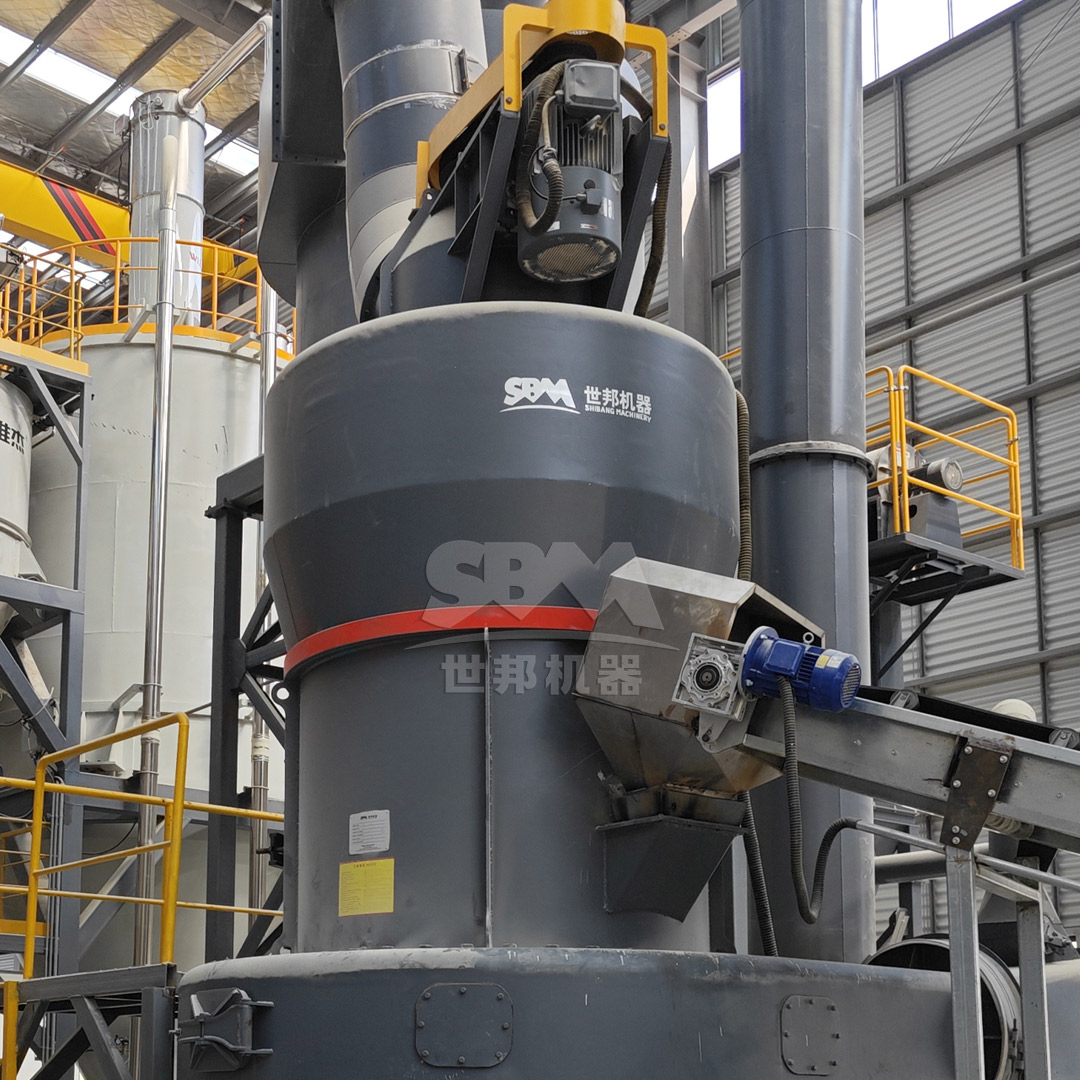
The path to a sustainable mining future is complex, but the technology required is available today. By investing in high-performance grinding solutions, the industry can meet its production targets while fulfilling its environmental and social responsibilities, proving that economic viability and ecological stewardship can go hand in hand.