What is the Best Vermiculite Grinding Mill Manufacturer?
Introduction: Understanding Vermiculite Processing
Vermiculite is a unique mineral with exceptional thermal insulation, fire resistance, and lightweight properties, making it indispensable in industries ranging from construction and agriculture to industrial packaging. After mining and beneficiation, vermiculite must be ground into specific particle size distributions—typically between 30 mesh (600 μm) and 2500 mesh (5 μm)—to unlock its full commercial value. Choosing the right grinding mill is critical: it directly impacts production efficiency, energy costs, product quality, and overall profitability. This comprehensive guide explores the key factors that define the best vermiculite grinding mill manufacturer and presents the advanced solutions that meet the stringent demands of the industry.
Key Challenges in Vermiculite Grinding
Vermiculite possesses a layered, flaky structure that requires specialized grinding equipment. Unlike brittle, homogeneous minerals, vermiculite can be easily over-ground, resulting in excessive fines that reduce thermal efficiency and market value. Additionally, the mineral’s abrasive nature demands that components such as grinding rollers, rings, and classifiers be manufactured from highly wear-resistant materials to ensure longevity. The ideal vermiculite grinding mill must therefore deliver precise particle size distribution control, high throughput, low energy consumption, and robust durability. Manufacturers who master these technical nuances set themselves apart in the global market.
Criteria for Selecting the Best Manufacturer
The best vermiculite grinding mill manufacturer is defined by several key attributes:
- Technological Expertise: Proven experience in processing non-metallic minerals with layered structures.
- Product Range: Availability of mills covering both coarse grinding (30-325 mesh) and ultra-fine grinding (325-2500 mesh).
- Energy Efficiency: Advanced designs that lower power consumption per ton of product.
- Precision Classification: High-efficiency classifiers that guarantee no coarse particles contaminate the final product.
- After-Sales Support: Global service network, spare parts availability, and process optimization assistance.
- Environmental Compliance: Dust-tight, low-noise operations that meet international emission standards.
Several global manufacturers exist, but only a select few combine all these qualities. Among them, Zenith Mining and Construction Machinery Co., Ltd. stands out with decades of innovation and a comprehensive suite of mills designed for minerals like vermiculite.
Leading Mill Technologies for Vermiculite
Based on the desired final fineness and throughput, different mill types are optimal:
Ultra-Fine Grinding (325-2500 Mesh / 45-5 μm)
When the application demands high-value, ultra-fine vermiculite powder—such as for specialized fireproofing compounds or advanced sealants—the SCM Series Ultrafine Mill is the industry benchmark. This mill features a three-layer grinding ring that rotates at high speed, dispersing material via centrifugal force. Rollers apply precise pressure to achieve interlayer crushing. Key technical advantages include:
- Capacity 2x that of traditional jet mills with 30% lower energy consumption.
- Intelligent automatic control with real-time feedback on finished product granularity.
- Vertical turbine classifier for precise particle size cutting without coarse powder mixing.
- Special material rollers and rings that extend service life several times over.
SCM Series models range from the SCM800 (0.5-4.5 t/h) to the SCM1680 (5.0-25 t/h), with input sizes up to 20mm and fineness adjustable across 325-2500 mesh. For most medium-scale vermiculite operations, the SCM1000 (1.0-8.5 t/h) offers an ideal balance of capacity and precision.
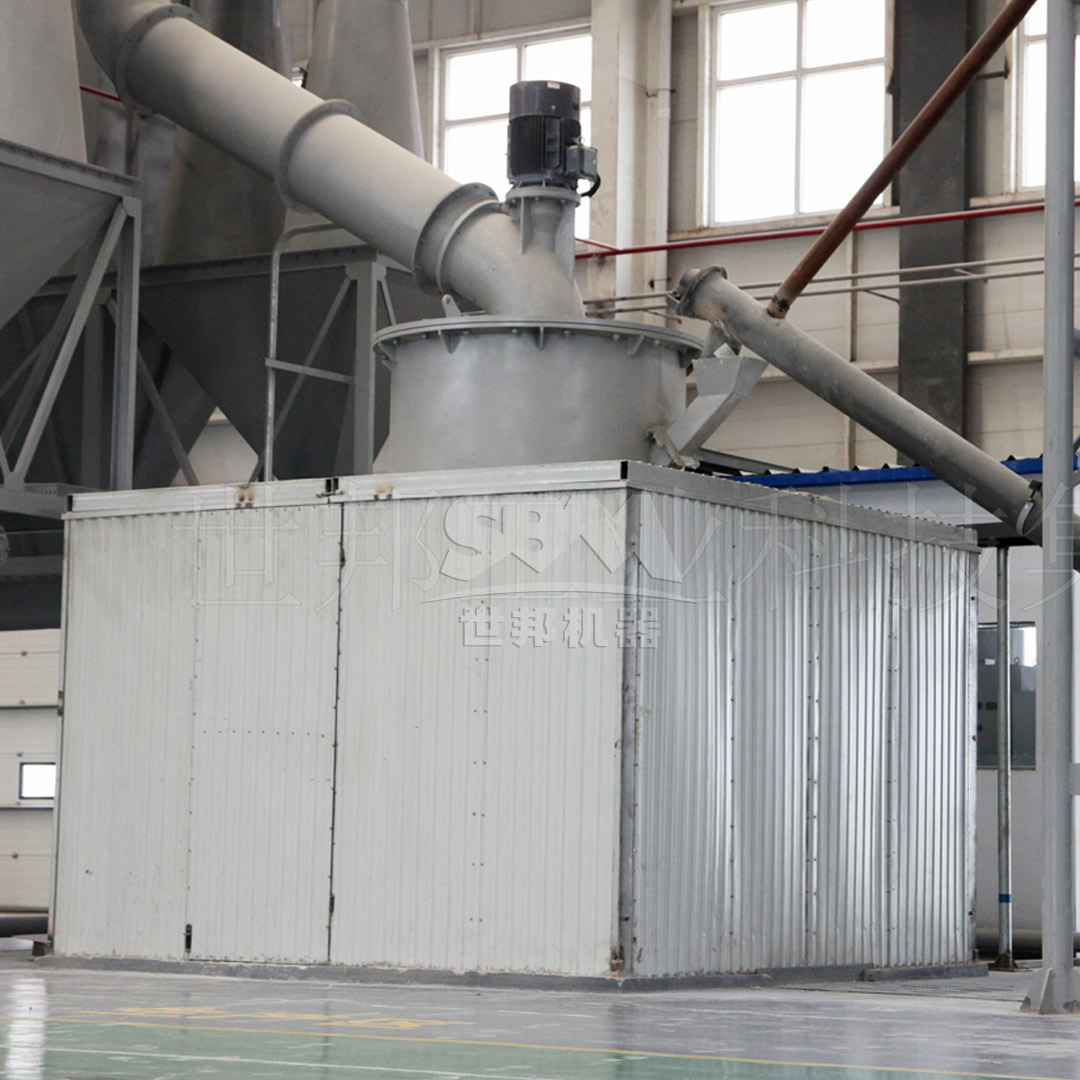
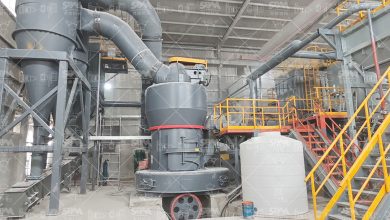
SCM Series Ultrafine Mill – engineered for precision and energy savings in ultra-fine vermiculite grinding.
Medium-to-Fine Grinding (30-325 Mesh / 600-45 μm)
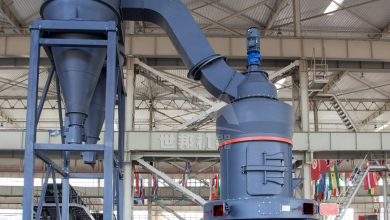
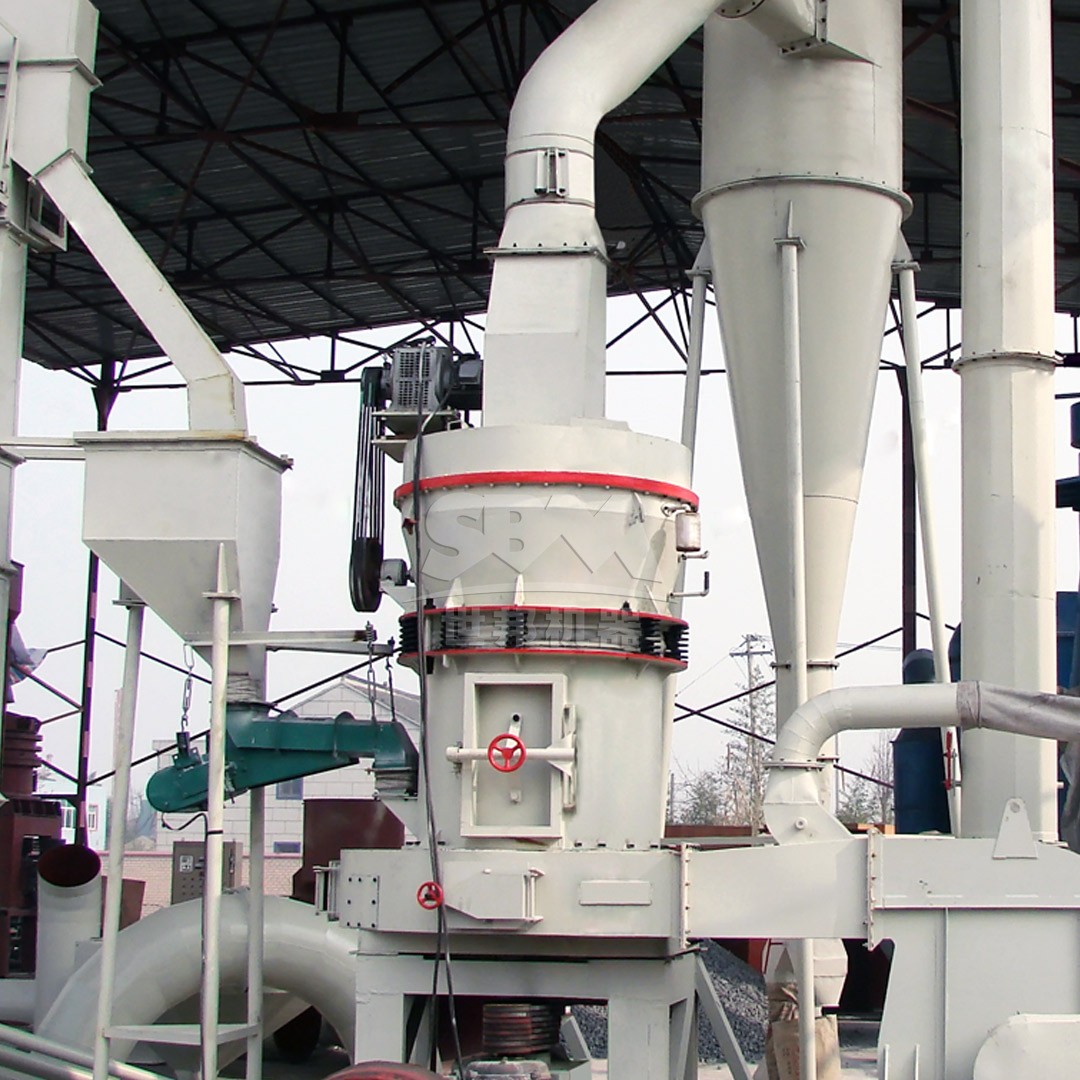
For applications requiring particle sizes from 30 mesh down to 325 mesh—such as horticultural vermiculite, loose-fill insulation, or lightweight aggregates—the MTW Series European Trapezium Mill is the premier choice. This mill incorporates an integral bevel gear drive with transmission efficiency up to 98%, saving both space and installation costs. Its optimized arc air duct reduces airflow energy loss, while wear-resistant volute structures cut maintenance costs by 30%. The anti-wear shovel combined design extends grinding roller life significantly.
The MTW138Z (6-17 t/h) and MTW175G (9.5-25 t/h) are particularly well-suited for vermiculite operations that demand consistent production with minimal downtime. All MTW models handle feed sizes up to 50mm with fineness ranging from 10 to 325 mesh.
Alternatively, the LM Series Vertical Roller Mill offers an integrated crushing, grinding, and selection solution. Its floor space is reduced by 50% compared to traditional systems, and energy consumption is 30-40% lower than ball mill systems. For large-scale operations grinding vermiculite to 170-40 μm, models like the LM190K (23-68 t/h) provide unmatched economy.
Flexible Multi-Purpose Grinding
For operations that require versatility across varying feed materials and fineness settings, the MTM Series Medium-speed Trapezium Mill offers intelligent pressure regulation that automatically compensates for roller wear, extending component life by 30%. The innovative horizontal pull-rod roller assembly protects main shaft bearings even when handling larger materials. With capacities from 3 to 22 t/h and fineness down to 45 μm, the MTM130 (6-11 t/h) is a popular choice for medium-sized vermiculite plants.
Specialized Solutions: LUM Ultrafine Vertical Roller Mill
For producers targeting the ultra-fine segment (325-2500 mesh) with even higher capacity needs, the LUM Ultrafine Vertical Roller Mill combines the space-saving vertical design with multi-rotor classification technology. The unique roller and liner curves maximize grinding efficiency, while the PLC automation ensures stable operation with minimal human intervention. The LUM1836, with a power range of 355-400 kW and throughput of 2.3-15 t/h, is designed for continuous, dust-free production of premium vermiculite powders.
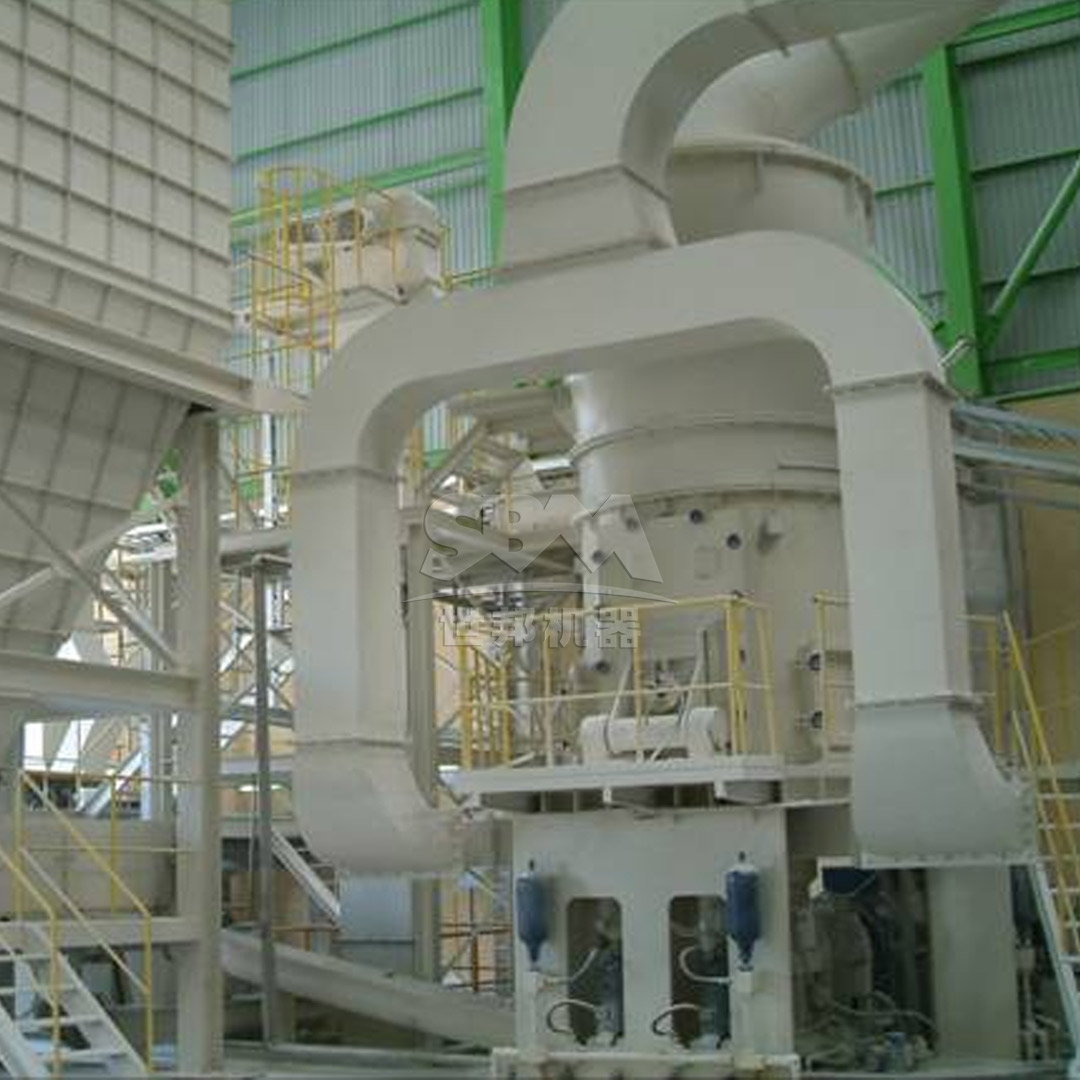
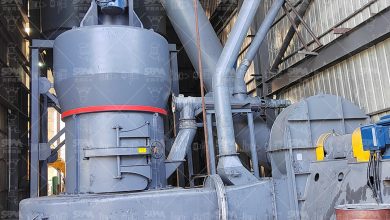
LUM Series Vertical Roller Mill – combining vertical integration with ultra-fine classification.
Why Choose Zenith as Your Vermiculite Mill Partner?
Zenith’s mills are not “one-size-fits-all.” Each machine is designed based on decades of field experience and ongoing R&D. The company’s patent portfolio includes technologies such as the internal suction oil lubrication system (MTW series), modular grinding roller quick-change systems (LM series), and noise-eliminating damping designs (MTM series). For vermiculite specifically, Zenith recommends:
- For ultra-fine premium powder (325-2500 mesh): SCM Series Ultrafine Mill – the best combination of high capacity and energy efficiency.
- For medium-to-fine general production (30-325 mesh): MTW Series European Trapezium Mill – industry-leading wear life and low operating costs.
Every mill from Zenith is backed by a global service network, with real-time monitoring options and complete spare parts support. Whether your vermiculite operation requires a single mill or a full turnkey grinding plant, Zenith provides customized solutions that maximize your return on investment.
Conclusion
The best vermiculite grinding mill manufacturer possesses deep understanding of the mineral’s unique behavior, offers a diverse product portfolio covering the full fineness spectrum, and delivers equipment that is energy-efficient, durable, and easy to maintain. By investing in advanced mills such as the SCM Ultrafine Mill for ultra-fine applications or the MTW European Trapezium Mill for standard production, vermiculite processors can achieve higher yields, superior product quality, and lower total cost of ownership. Contact Zenith today for a consultation and discover how the right mill can transform your vermiculite processing operation.