Optimization of Rare Earth Vertical Grinding Mill for Producing Fine Rare Earth Powder in Advanced Ceramic Applications
Introduction
The production of fine rare earth powder is a critical process in the manufacturing of advanced ceramics, including high-performance magnets, phosphors, and electronic substrates. The unique physical and chemical properties of rare earth elements—such as their high reactivity, hardness, and complex crystal structures—demand grinding equipment that can deliver ultra-fine particle sizes, narrow particle size distributions, and high purity without contamination. Traditional ball mills often fall short due to high energy consumption, broad particle size distributions, and excessive wear. This article explores the optimization of vertical grinding mill technology for rare earth powder processing, focusing on efficiency, precision, and durability to meet the stringent requirements of advanced ceramic applications.
The Importance of Particle Size Control in Rare Earth Ceramics
In advanced ceramics, the final product’s mechanical strength, thermal stability, and optical properties are directly influenced by the particle size and morphology of the raw powder. For rare earth oxides like cerium oxide (CeO₂), yttrium oxide (Y₂O₃), and neodymium oxide (Nd₂O₃), a fineness range of 45–5 micrometers (325–2500 mesh) is often required. Achieving this requires a grinding system that not only reduces particle size but also ensures that no coarse particles are mixed in, as these can act as stress concentrators and lead to defects. The vertical roller mill, with its integrated classification system, offers a distinct advantage in this regard.
Key Operational Parameters for Rare Earth Grinding Optimization
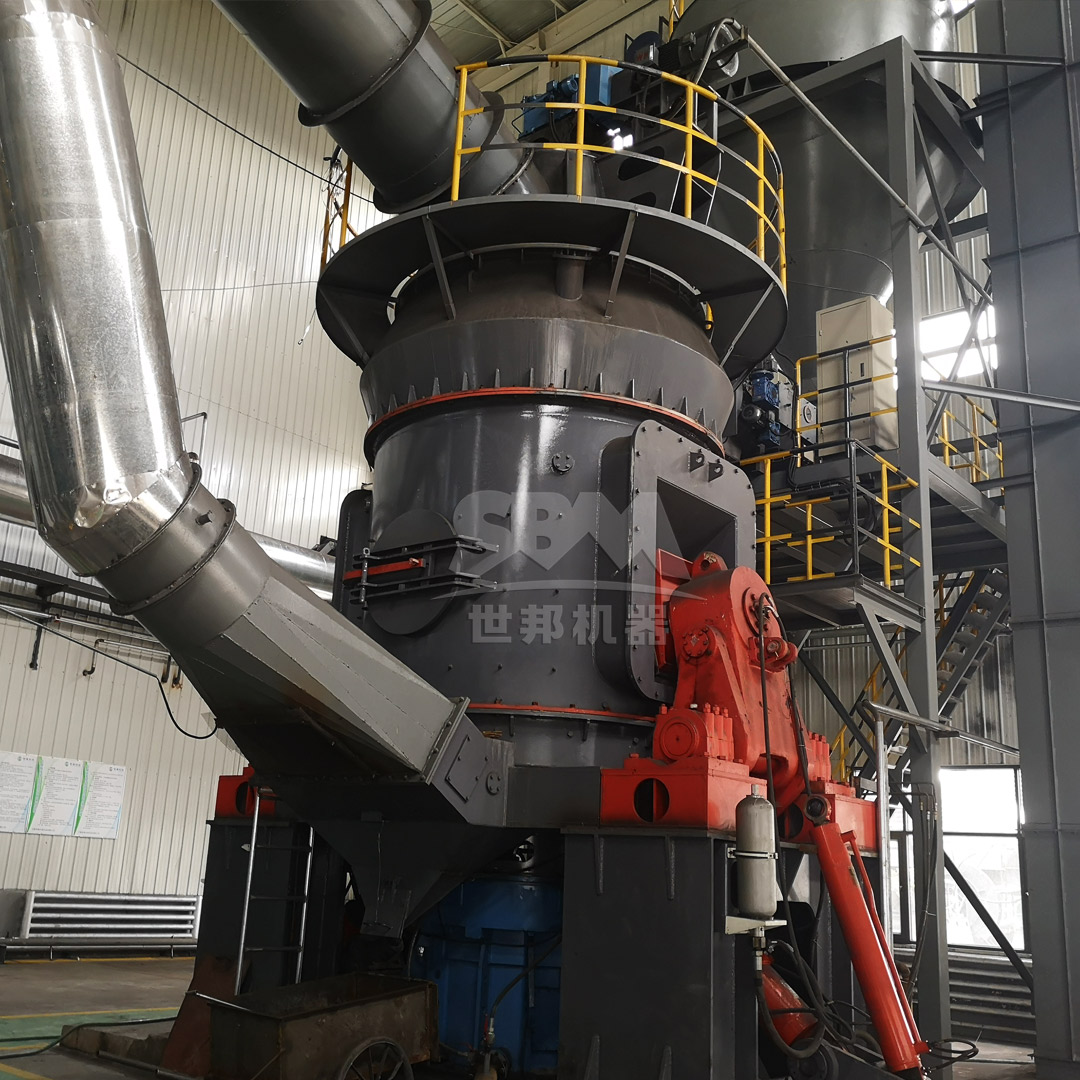
Optimizing a vertical grinding mill for rare earth materials involves fine-tuning several parameters: roller pressure, classifier speed, airflow rate, and material bed thickness. Rare earth ores and concentrates are often brittle but abrasive. High roller pressure is necessary to effectively fracture the particles, but excessive pressure can cause the grinding ring to wear prematurely. The vertical turbine classifier’s rotational speed must be precisely controlled to achieve the desired cut point—typically 2500 mesh for ultrafine applications. Advanced PLC systems enable real-time feedback from particle size analyzers, allowing for automatic adjustments. This intelligent control minimizes over-grinding and reduces energy consumption by up to 30% compared to conventional jet mills.
Equipment Selection and Specification
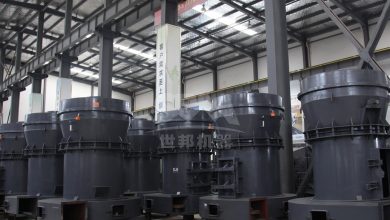
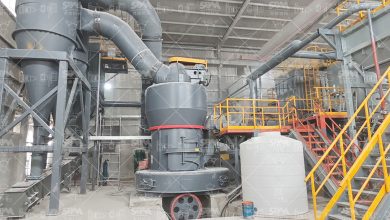
Based on extensive field testing with rare earth feeds, the SCM Series Ultrafine Mill has demonstrated exceptional performance. With an input size of up to 20mm and a capacity range from 0.5 to 25 tons per hour, it is specifically designed for the 45–5µm output range. The mill’s three-layer grinding ring design and special material rollers ensure uniform grinding pressure, while the shaftless screw grinding chamber maintains stable operation even with high-density rare earth slurries. For larger-scale operations requiring consistent throughput, the SCM1680 model (5.0-25 t/h capacity, 315kW main power) is highly recommended. Its high-precision vertical turbine classifier guarantees no coarse powder mixing, which is essential for maintaining the purity of ceramic precursors.
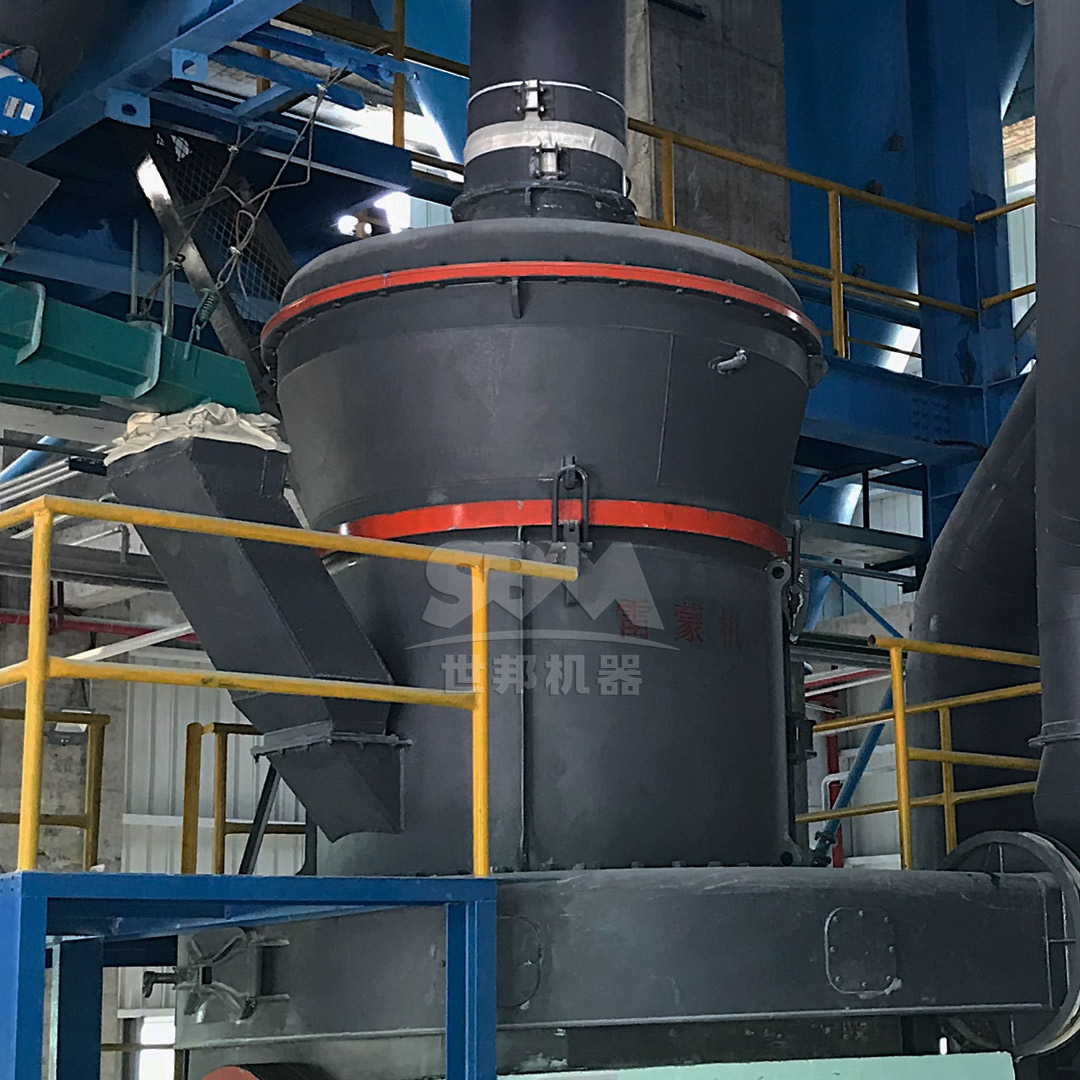
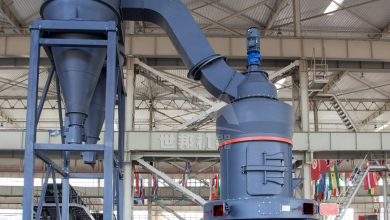
For applications where feed size is larger (up to 50mm), such as pre-crushed rare earth concentrate, the MTW Series European Trapezium Mill is an ideal choice. Its integral bevel gear drive achieves 98% transmission efficiency, and the anti-wear shovel design significantly extends service life. The MTW175G model, with a capacity of 9.5-25 t/h and fineness down to 0.038mm (325 mesh), is particularly effective for the coarse-to-fine grinding stage, preparing material for subsequent ultrafine processing. The optimized arc air duct reduces energy loss, making the entire system more sustainable.
Impact of Grinding Aids and Environment
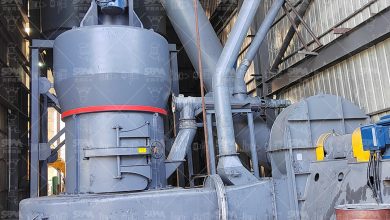
In rare earth grinding, moisture content must be strictly controlled—typically below 2%—to prevent material adherence to the grinding ring and classifiers. The use of inert gas purging is recommended for highly reactive rare earth metals to prevent oxidation. Furthermore, the grinding environment must be dust-free to avoid cross-contamination. The LM Series Vertical Roller Mill’s fully sealed negative pressure operation is highly advantageous here. Its integrated design combines crushing, grinding, and selection in one unit, reducing floor space by 50% and infrastructure costs by 40%. The non-contact roller-to-table design prolongs wear part life by three times, minimizing downtime for maintenance.
Case Study: Production of Yttria-Stabilized Zirconia (YSZ)
Yttria-stabilized zirconia (YSZ) is a key material for solid oxide fuel cells and thermal barrier coatings. To produce high-quality YSZ powder with a fineness of D97 < 5µm, a combination of the SCM1250 (2.5-14 t/h) and a dynamic classifier was employed. The system achieved a specific energy consumption of only 35 kWh per ton, a 40% reduction compared to traditional ball milling. The resulting powder exhibited a narrow particle size distribution (Span < 1.5) and zero contamination from iron, as verified by XRF analysis. This directly translated to improved sintering behavior and ionic conductivity in the final ceramic components.
Maintenance and Service Life Optimization
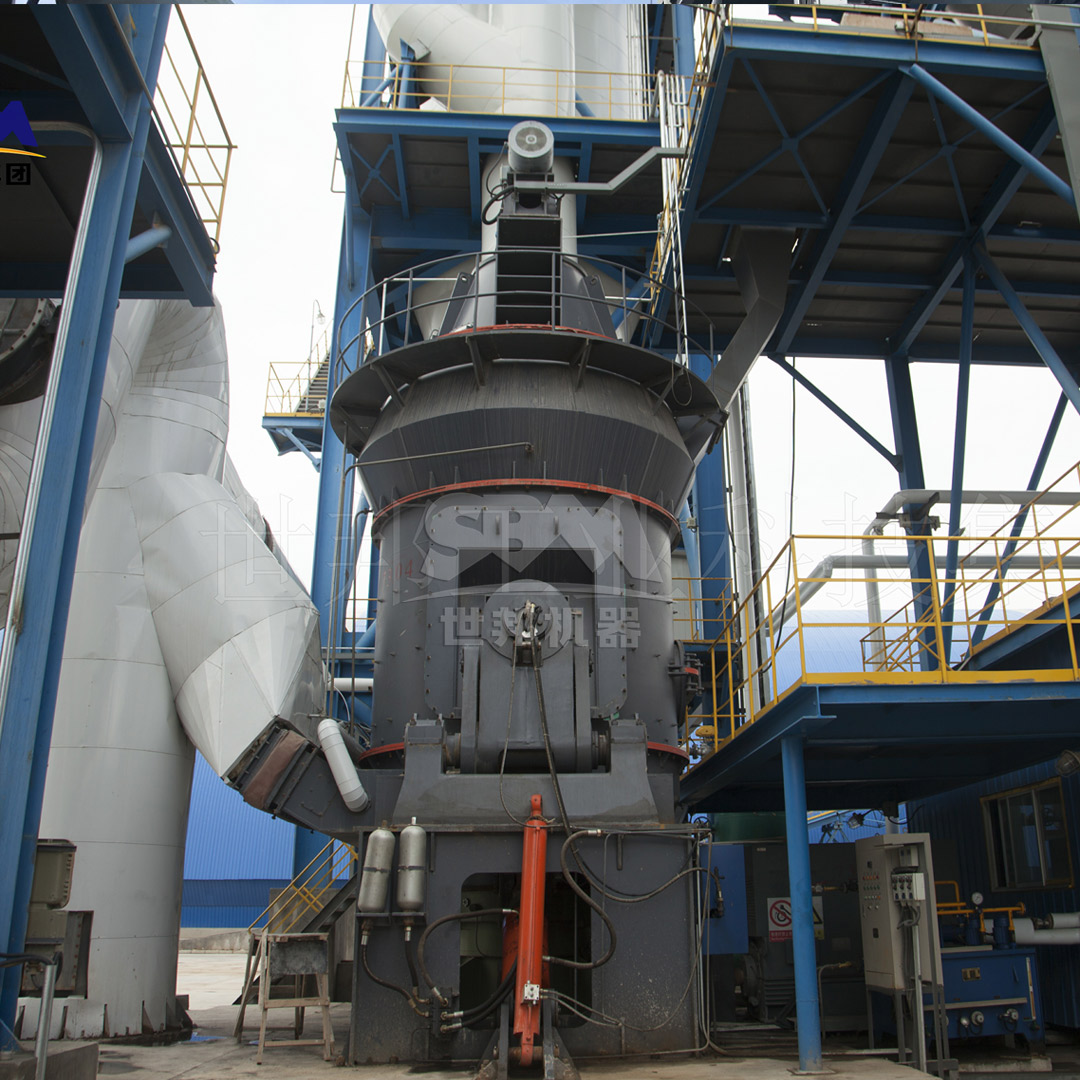
To maximize the return on investment, a preventive maintenance schedule tailored to rare earth processing is essential. The modular design of modern vertical mills allows for quick roller changes. For the SCM series, the special material rollers and rings can extend service life by several times even when grinding the abrasive rare earth oxides. Pulse dust collection systems with soundproof enclosures ensure that the operation meets environmental emission standards (≦20mg/m³) and keeps noise levels below 85dB. Regular inspection of the classifier blades and air duct liners is recommended every 2000 operating hours.
Conclusion
The optimization of vertical grinding mills for rare earth powder production is a multi-faceted challenge that involves material science, mechanical engineering, and process control. By leveraging high-efficiency mill designs like the SCM Series Ultrafine Mill for ultrafine output (45-5µm) and the MTW Series European Trapezium Mill for robust coarse-to-fine grinding, manufacturers can achieve the precise particle size, purity, and throughput required for advanced ceramic applications. The integration of intelligent control, durable components, and eco-friendly designs ensures that these mills meet the demanding standards of the modern rare earth industry while reducing operating costs and environmental impact.