Advantages of Vertical Roller Mills in Grinding Stations
Introduction to Vertical Roller Mill Technology
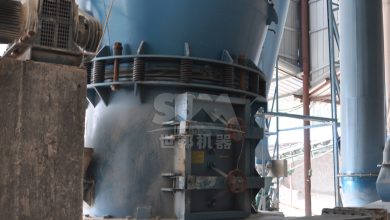
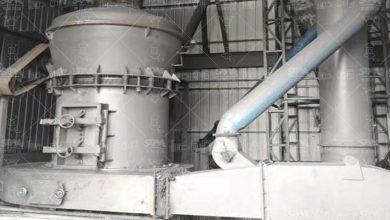
In modern mineral processing and cement grinding stations, the vertical roller mill (VRM) has emerged as a dominant technology, outperforming traditional ball mill systems in efficiency, footprint, and operational cost. Unlike conventional grinding equipment that relies on impact and attrition in a rotating drum, VRMs utilize a bed of material compressed between a rotating table and stationary rollers. This fundamental design difference yields numerous advantages, making VRMs the preferred choice for new installations and upgrades across industries including cement production, mineral processing, slag grinding, and coal pulverization.
The evolution of VRM technology has been driven by the industry’s relentless pursuit of lower energy consumption, higher product quality, and reduced environmental impact. Modern VRMs integrate advanced classification systems, intelligent controls, and durable wear components to deliver consistent performance over extended operational periods.
Energy Efficiency: The Primary Advantage
The most significant advantage of vertical roller mills is their superior energy efficiency. Compared to ball mill systems, VRMs typically consume 30% to 50% less energy for the same grinding task. This reduction is achieved through the principle of inter-particle comminution, where material layers are crushed between rollers and the grinding table rather than relying on impact from heavy steel media.
For example, in cement raw material grinding, a VRM can achieve the same fineness as a ball mill while consuming only 7-10 kWh per ton of material, compared to 15-20 kWh per ton for ball mills. This energy saving translates directly to reduced operational costs and lower carbon emissions, making VRMs a crucial technology for sustainable industrial development.
The intelligent control systems in modern VRMs further optimize energy usage by continuously monitoring grinding pressure, table speed, and classifier settings to maintain peak efficiency across varying feed conditions.
Space-Saving Integrated Design
Vertical roller mills excel in reducing plant footprint. A complete VRM system integrates crushing, grinding, drying, and classification into a single compact unit. This integration reduces floor space requirements by up to 50% compared to traditional multi-equipment layouts.
Furthermore, VRMs can be installed outdoors with minimal civil engineering requirements, reducing infrastructure costs by up to 40%. The elimination of intermediate material handling systems such as bucket elevators, air slides, and conveyor belts simplifies plant layout and reduces maintenance points.
For grinding station upgrades where space is constrained, the compact footprint of VRMs allows for capacity expansion without requiring additional building extensions or significant structural modifications.
Superior Drying Capability
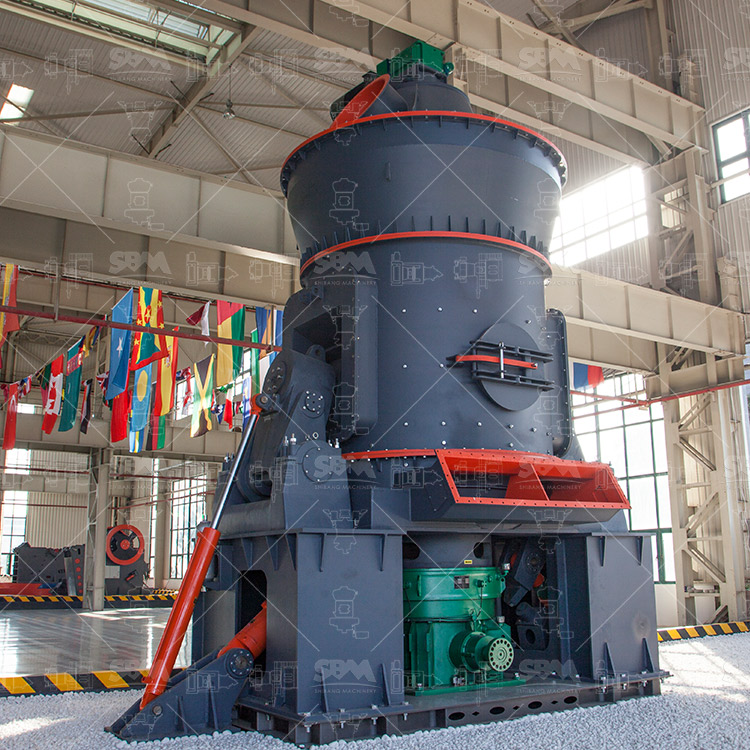
Many industrial materials require drying before or during grinding. VRMs offer exceptional drying efficiency because they utilize the grinding chamber itself as a drying vessel. Hot process gases are introduced into the mill body, flowing upward through the grinding zone to simultaneously dry and convey the ground material.
VRMs can handle materials with moisture content up to 20% or higher, eliminating the need for separate drying drums or flash dryers. The variable temperature and gas flow control allow precise management of drying intensity, protecting heat-sensitive materials while achieving complete moisture removal.
This integrated drying capability is particularly valuable in cement grinding stations where slag, fly ash, or limestone with variable moisture content must be processed efficiently.
Precise Product Quality Control
The classification system in VRMs enables precise control of finished product fineness. Modern dynamic classifiers, such as those employed in our advanced mill designs, use variable-speed rotors to create centrifugal classification zones that accurately separate coarse and fine particles.
Operating personnel can adjust product fineness on-the-fly without stopping the mill, responding quickly to changing quality requirements. The classifier ensures that no oversized particles contaminate the final product, eliminating the need for downstream screening systems.
For applications requiring ultra-fine products, specialized VRM configurations can achieve fineness down to 325-2500 mesh (5-45 microns) with narrow particle size distributions, suitable for high-value mineral fillers and chemical applications.
Environmental and Operational Benefits
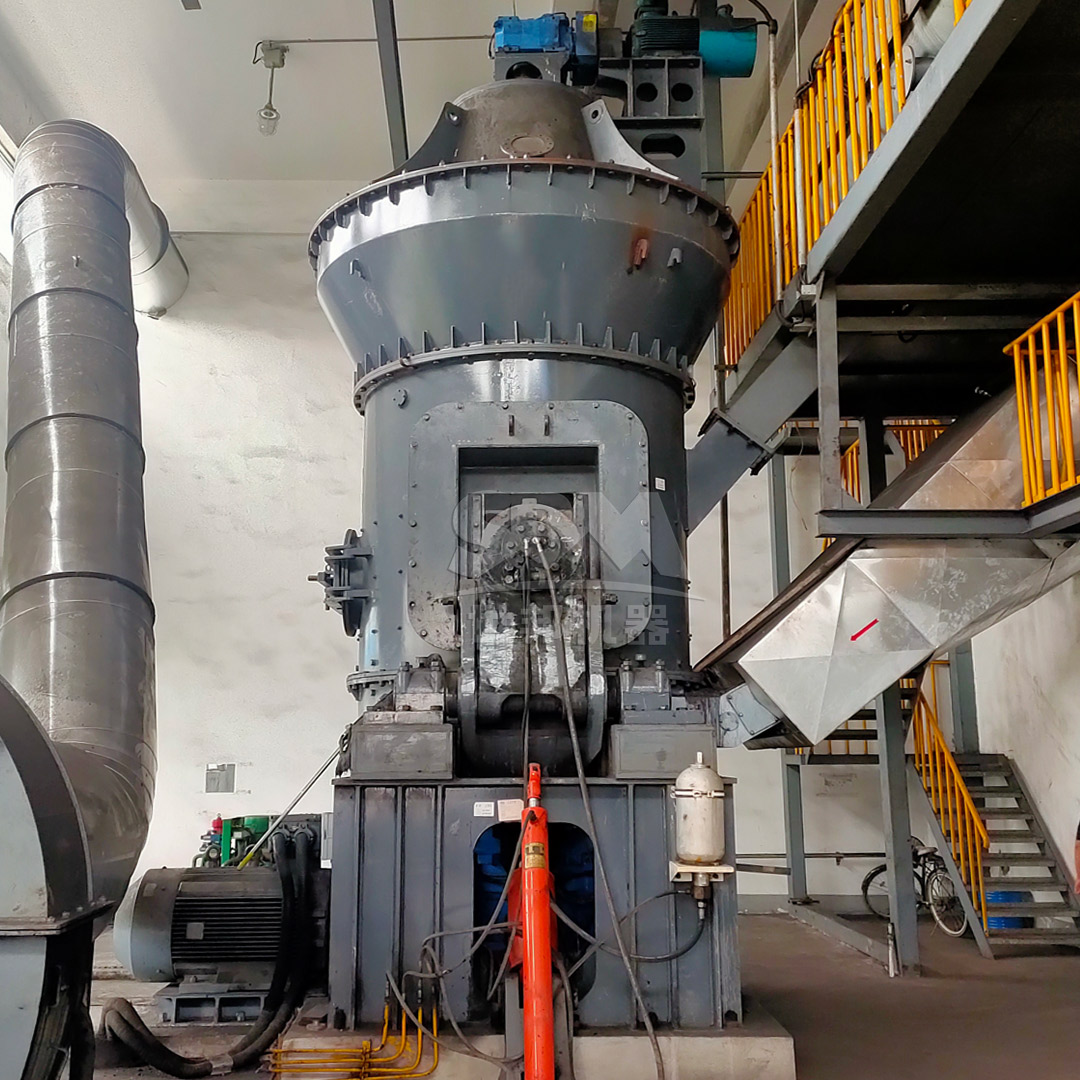
Vertical roller mills operate under negative pressure with fully sealed housings, preventing dust emissions and creating a cleaner working environment. The enclosed design also significantly reduces noise levels compared to ball mills, with typical VRM noise levels below 85 dB(A) at operational conditions.
The bed-grinding principle generates less vibration and mechanical stress, contributing to longer equipment life and lower maintenance requirements. Wear components such as grinding rollers and table liners are designed for easy replacement, with modular assembly systems that reduce downtime during maintenance campaigns.
Additionally, VRMs produce less noise and vibration than ball mills, contributing to better working conditions and compliance with increasingly stringent environmental regulations.
Versatility Across Materials
The adaptability of VRM technology allows it to handle a wide range of materials with varying hardness, abrasiveness, and moisture content. From cement clinker (Bond Work Index 14-16 kWh/t) to blast furnace slag (W.I. 18-24 kWh/t) and from coal to limestone, VRMs can be optimized through roller configuration, grinding pressure, and table speed adjustments.
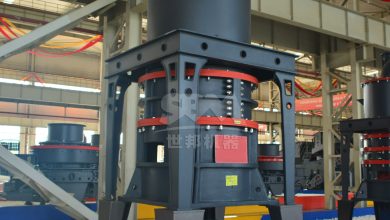
Our product range includes specialized configurations for different applications: the LM Series for cement and mineral grinding from 3 to 250 tons per hour, and the LUM Series for ultra-fine processing achieving 325-2500 mesh output.
For further information on how VRM technology can optimize your specific grinding operation, we welcome inquiries about material testing and mill sizing.
Recommended Products for Grinding Stations
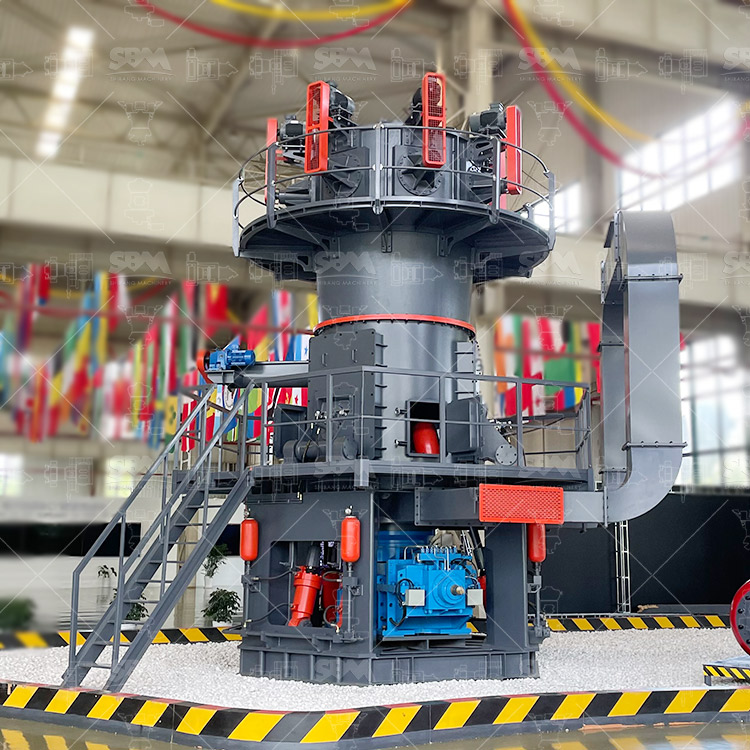
For grinding stations requiring high-capacity, energy-efficient processing of cement raw materials, clinker, slag, and minerals, we strongly recommend the LM Series Vertical Roller Mill. With an integrated design that reduces floor space by 50% and energy consumption 30-40% lower than ball mill systems, the LM Series offers capacities from 3 to 250 ton/h and fineness ranging from 325 to 45 microns. The expert-level auto-control system supports remote and local switching with real-time monitoring, minimizing manual intervention. Fully sealed negative pressure operation ensures dust emission of less than 30 mg/Nm³ and noise levels below 85 dB(A).
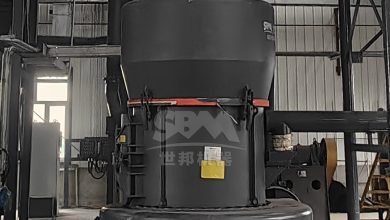
For applications requiring ultra-fine powders in the 45-5 micron range, the SCM Series Ultrafine Mill delivers exceptional performance with capacity twice that of jet mills and 30% lower energy consumption. The vertical turbine classifier achieves precise particle size cutting without coarse powder mixing. Models SCM800 through SCM1680 cover capacities from 0.5 to 25 ton/h, making them ideal for high-value mineral processing, fine chemical production, and specialized filler applications.
Conclusion
Vertical roller mills represent the state of the art in grinding technology for modern industrial grinding stations. Their advantages in energy efficiency, compact design, drying capability, product quality control, and environmental compliance make them the optimal choice for new installations and capacity expansions.
As the industry continues to demand higher efficiency, lower emissions, and better product quality, VRM technology will continue to evolve with advanced materials, smarter controls, and innovative mechanical designs. Investing in VRM technology today positions grinding operations for long-term success in an increasingly competitive and environmentally conscious marketplace.