Illite Raymond Mill Production Line: Configuration, Working Principle and Application Guide
Introduction to Illite and Its Industrial Importance
Illite is a non-expanding clay mineral widely used in ceramics, cosmetics, paper coatings, and advanced materials. Its unique layered structure and fine particle size make it highly valuable for producing high-performance fillers and extenders. To fully unlock the potential of illite, a specialized grinding production line is essential. Our Raymond roller mill systems, including the advanced MTW Series European Trapezium Mill and the ultra-fine SCM Series Ultrafine Mill, offer tailored solutions for processing illite efficiently. This guide explores the configuration, working principles, and applications of an ideal illite Raymond mill production line.
Production Line Configuration
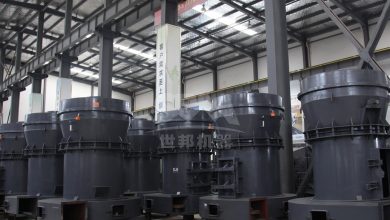
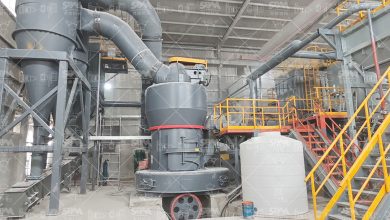
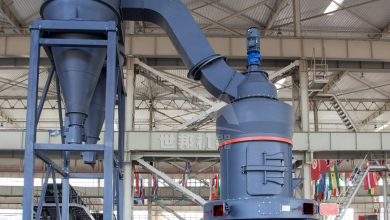
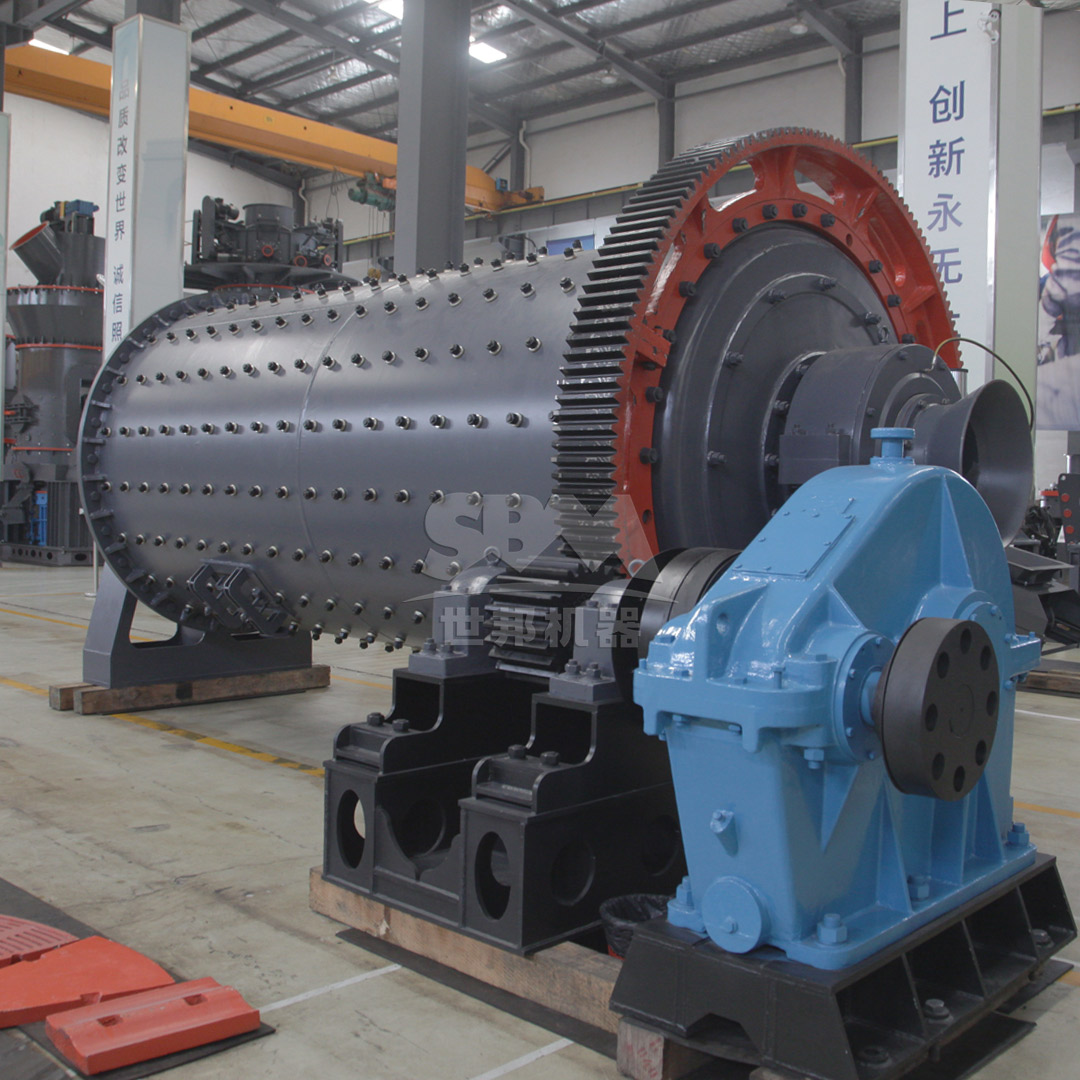
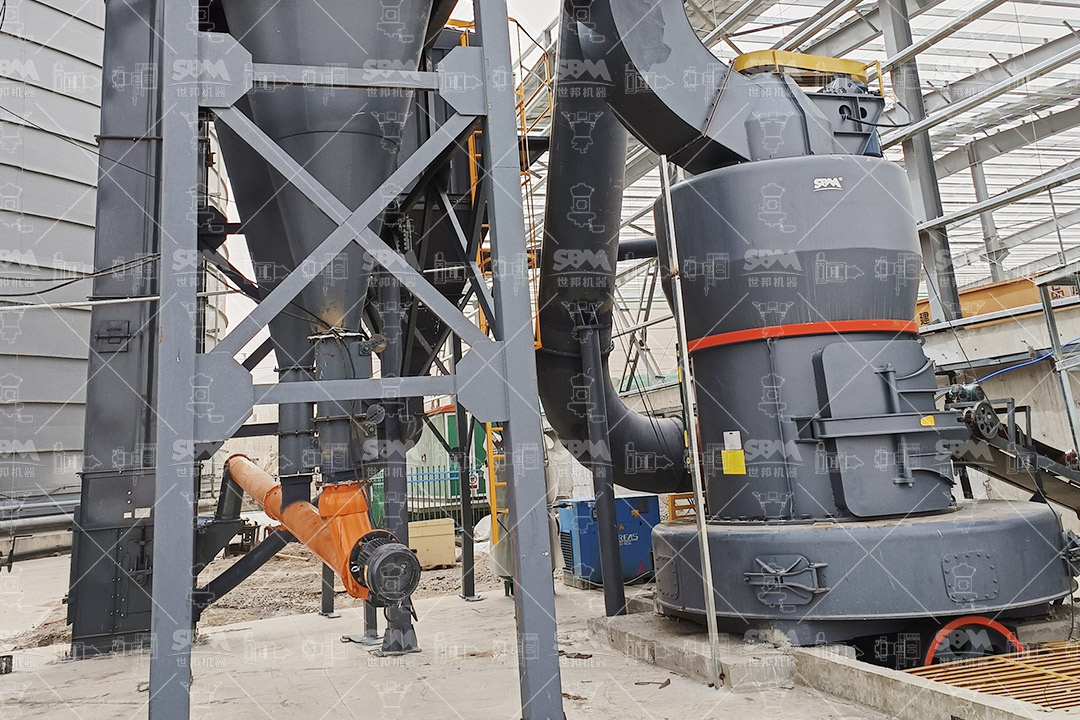
A standard illite Raymond mill production line integrates several key components: a crushing unit (jaw crusher or hammer mill), a bucket elevator, a vibrating feeder, the main grinding mill (suitable Raymond mill), a classifier system, a cyclone collector, a pulse dust collector, and a control cabinet. For illite, which typically requires a final fineness of 30-600 mesh (depending on the application), the MTW Series European Trapezium Mill is an excellent choice for medium-fine grinding (600-45μm). For ultra-fine illite powder (325-2500 mesh), the SCM Series Ultrafine Mill is the ideal solution. Our recommended configuration includes a primary crusher (e.g., hammer mill for low-moisture illite), a feeder, the selected grinding mill, a high-efficiency classifier, and a pulse dust removal system to ensure eco-friendly operation.
Working Principle of the Illite Grinding Mill
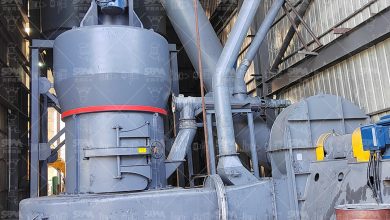
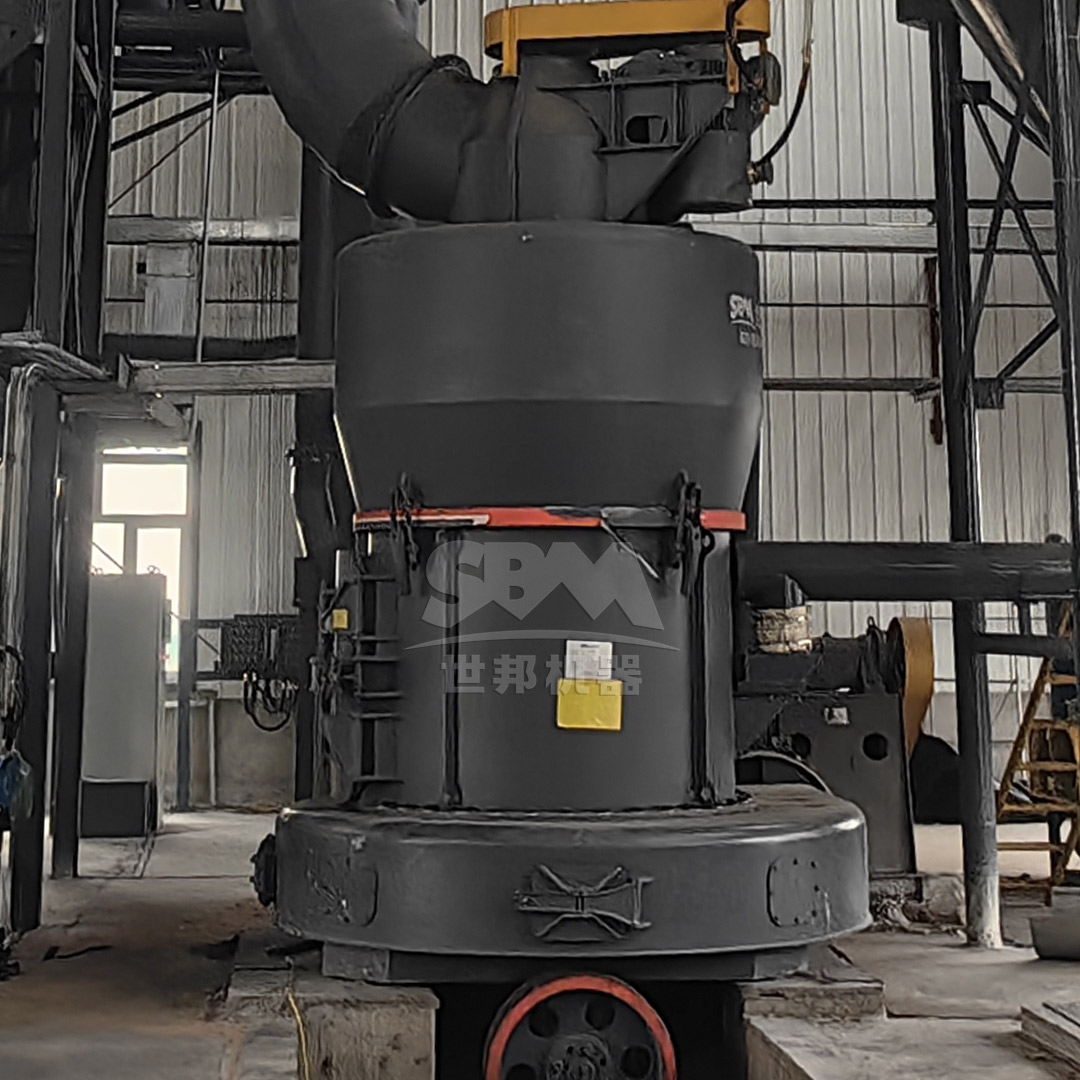
In a standard Raymond mill system, such as the MTW Series, the working principle involves the main motor driving the grinding rollers to revolve around the central axis while self-rotating to generate centrifugal force. The shovels continuously feed the crushed illite between the grinding ring and rollers, forming a material layer. The materials are crushed and ground through extrusion and friction. The airflow system then carries the ground powder to the classifier, where oversized particles are separated and returned for re-grinding. The qualified fine powder passes through the classifier and is collected by the cyclone collector and pulse dust collector. For the SCM Series Ultrafine Mill, the main motor drives three layers of grinding rings to rotate, dispersing materials into the grinding path by centrifugal force, followed by layer-by-layer crushing and grinding, culminating in precise classification via a vertical turbine classifier. This ensures no coarse powder mixing, making it perfect for high-value illite applications.
Key Technical Advantages for Illite Processing
Our grinding mills offer numerous benefits for illite production. The MTW Series European Trapezium Mill features an optimized arc air duct that reduces airflow energy loss, improving transmission efficiency by up to 15%. Its integral bevel gear drive achieves a transmission efficiency of 98%, saving space and reducing installation costs. The anti-wear shovel design uses combined blades that significantly lower maintenance costs. For ultra-fine illite, the SCM Series Ultrafine Mill provides a capacity two times that of jet mills while consuming 30% less energy. The special material rollers and rings extend service life several times over, and the shaftless screw grinding chamber ensures stable operation. Both mills feature intelligent control systems with automatic finished product granularity feedback, ensuring consistent quality and high throughput. For example, Model SCM1250 can process 2.5-14 t/h of illite to a fineness of 325-2500 mesh, while Model MTW175G handles 9.5-25 t/h at 30-325 mesh.
Application Guide for Illite Powder
Illite powder produced by our mills serves diverse industries. In ceramics, it improves plasticity and strength of green bodies, with a preferred fineness of 200-400 mesh. For cosmetics, ultra-fine illite (600-1250 mesh) is used as a natural mineral powder for oil absorption and a silky feel. In paper coatings, illite enhances brightness and printability, typically requiring 325-600 mesh. Our SCM Series Ultrafine Mill (e.g., Model SCM1000, capacity up to 8.5 t/h) is ideal for producing high-purity, ultra-fine illite for premium applications. Meanwhile, the MTW Series European Trapezium Mill (e.g., Model MTW215G, capacity up to 45 t/h) suits large-scale production of medium-fineness illite. We strongly recommend integrating our SCM1680 Ultrafine Mill (with a capacity of 5.0-25 t/h and fineness down to 5μm) for high-value illite products, as it offers the best balance of capacity, energy efficiency, and product uniformity. For applications requiring consistent performance, both series feature pulse dust collection systems that exceed international environmental standards, ensuring a clean and safe production facility.
Conclusion and Product Recommendation
To achieve optimal results in illite grinding, choosing the right mill is critical. Based on your desired fineness and throughput, we recommend the MTW Series European Trapezium Mill (Models MTW138Z to MTW215G) for medium-fine illite production (30-325 mesh) with capacities from 6 to 45 t/h. For ultra-fine illite powder (325-2500 mesh), the SCM Series Ultrafine Mill (Models SCM1250 and SCM1680) is best, offering capacities up to 25 t/h and superior energy savings. Both series are backed by patented technologies, intelligent control, and durable designs, making them the most reliable solution for your illite processing needs. Contact our team for a customized configuration tailored to your specific raw material and production targets.