
How to Choose the Right Mill for Zeolite Powder: Vertical Roller Mill or Zeolite Micro Powder Grinding Mill?
Introduction
Zeolite, a naturally occurring aluminosilicate mineral, is prized for its unique ion-exchange, adsorption, and catalytic properties. Its applications span across agriculture (as soil conditioners and animal feed additives), water treatment (as filtration media), and the chemical industry (as catalysts and molecular sieves). To unlock its full potential, zeolite must be processed into a fine powder, typically ranging from 100 to 2500 mesh depending on the application. The choice of grinding mill is therefore critical, directly influencing production efficiency, product quality, energy consumption, and overall operational costs.
Two dominant technologies are available in the market: the Vertical Roller Mill (VRM), exemplified by the LM series, and the Zeolite Micro Powder Grinding Mill, which includes high-efficiency ultrafine grinding systems like the SCM series. While both can process zeolite, they are engineered for different feed sizes, capacities, and target fineness levels. This article provides an in-depth technical comparison to guide you in making an informed decision based on your specific project requirements.
Understanding Your Application: The Decisive Factor
Before comparing machine specifications, it is essential to define your zeolite application. This singular factor will narrow down your choices significantly.
- Agriculture & Aquaculture: Typically requires powders in the 80 to 200 mesh range (180-75 μm). This is for soil pH neutralization and slow-release ion exchange. For this range, both a VRM and a European Trapezium Mill (MTW) are excellent choices.
- Water Treatment & Filtration: Often requires granular or very coarse powders (20-60 mesh), but secondary fine grinding to 200 mesh may be needed. High hardness and abrasion resistance are key considerations.
- Catalyst & Molecular Sieve Production: This demands ultra-fine powders, often in the range of 325 to 1250 mesh (45-10 μm), sometimes even 5 μm. This requires a dedicated Micro Powder Grinding Mill like the SCM Ultrafine Mill.
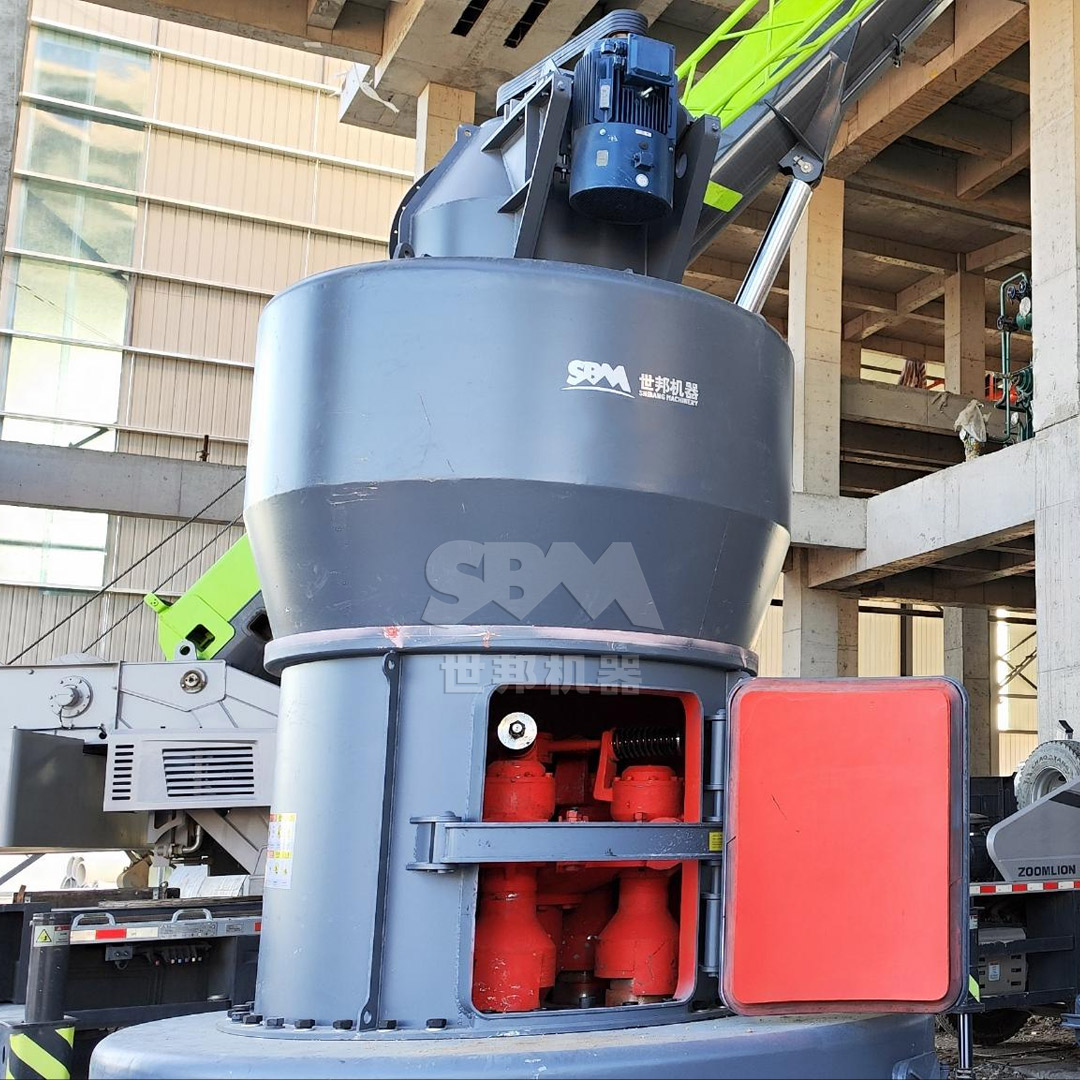
Option 1: LM Series Vertical Roller Mill – The High-Capacity Workhorse
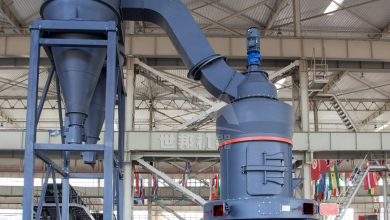
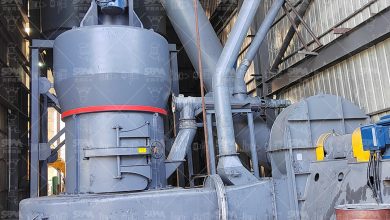
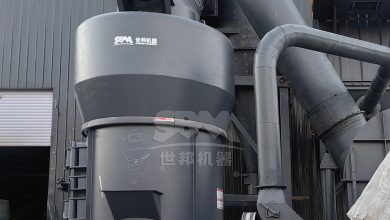
The LM Vertical Roller Mill is a mature technology designed for medium to large-scale grinding operations. It integrates crushing, grinding, drying, and classifying into a single unit. The grinding principle involves a rotating grinding table and stationary hydraulic-pressed rollers.
Why it is suitable for Zeolite:
- High Capacity & Efficiency: The LM series (e.g., LM130K to LM280K) offers capacities ranging from 10 to 170 tons per hour. Its integrated design reduces floor space by 50%, and energy consumption is 30-40% lower than traditional ball mill systems. This is ideal for large-scale zeolite mines producing material for the construction or bulk agriculture sectors.
- Moisture Handling: The VRM uses hot air to dry material in-circuit. Zeolites often contain 10-20% free moisture, and the VRM excels at simultaneous grinding and drying, eliminating the need for a separate dryer.
- Fineness Range: The standard LM K series (Mineral Mill) can produce fineness from 170 to 40 μm (approximately 80-400 mesh). This covers the most common zeolite uses in construction and agriculture.
- Wear Considerations: Zeolite has a hardness of 3.5-5.5 on the Mohs scale. The LM mill uses wear-resistant high-chrome roller and table materials. The non-contact design between rollers and table prevents metal-on-metal wear, significantly extending the service life compared to other grinding mechanisms.
However, Limitations Exist: The standard VRM cannot reach the fineness required for catalyst-grade zeolite without significant modifications. While there is a specialized GX series (Vertical Fine-powder Mill) that can reach 325-600 mesh, the cost and complexity may be higher than a dedicated micro-powder mill for these specific tasks.
Option 2: SCM Series Ultrafine Mill – The Precision Powder Specialist
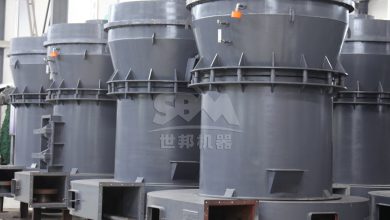
For applications demanding fineness beyond 400 mesh, particularly in the 325 to 2500 mesh range (45-5 μm), the SCM Series Ultrafine Mill is the industry benchmark. This is not a modified general-purpose mill; it is engineered specifically for superfine grinding.
Why it is Essential for Zeolite:
- Ultra-Fine Precision: The SCM uses a multi-layer grinding ring and a vertical turbine classifier to ensure precise particle size cut. It achieves 100% passing 45 μm and can produce products as fine as 5 μm (d97). This is vital for synthetic zeolite production where catalytic activity depends on high surface area.
- Superior Classification: The vertical turbine classifier has a high degree of precision, ensuring no coarse powder mixing. This guarantees consistent product quality, which is non-negotiable in the chemical industry.
- Investment Efficiency: While a jet mill can achieve similar fineness, the SCM mill has a capacity double that of a jet mill with 30% lower energy consumption and significantly lower initial capital investment.
- Versatility with Hard Materials: The special material used for rollers and grinding rings enhances durability, which is beneficial when dealing with the slightly abrasive nature of raw zeolite rock.
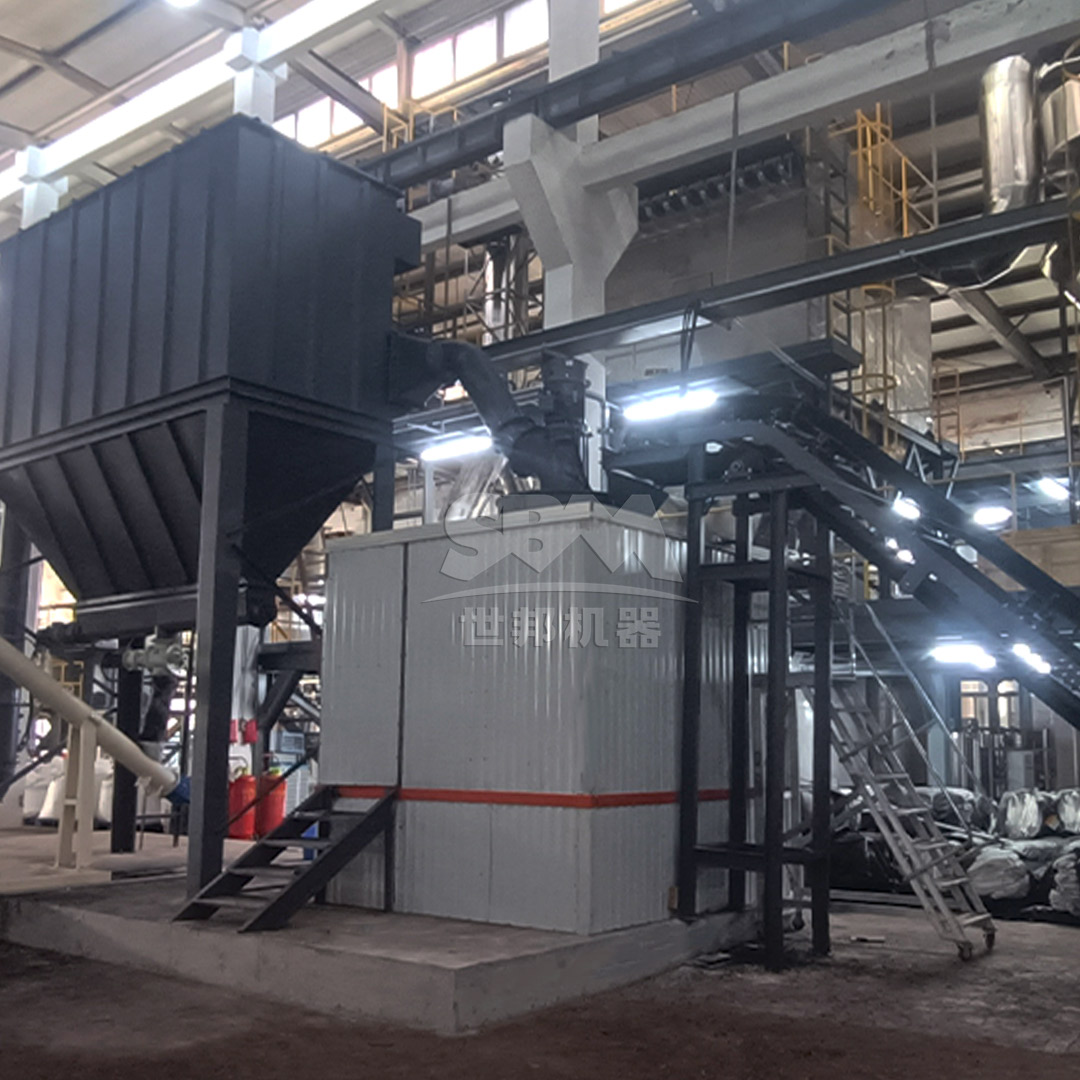
Head-to-Head Technical Comparison
1. Feed Size and Pre-Processing
- LM Series VRM: Can accept up to 50mm feed size directly, eliminating the need for a primary crusher in many cases.
- SCM Ultrafine Mill: Requires a feed size of ≤20mm. If you have large rocks, a jaw crusher or hammer mill is required for pre-crushing.
2. Output Fineness and Capacity
- LM Series VRM: 80-400 mesh (170-40 μm) typical, with a yield of 10-170 t/h.
- SCM Ultrafine Mill: 325-2500 mesh (45-5 μm) typical, with a yield of 0.5-25 t/h. It is a lower throughput machine but produces a higher-value, finer product.
3. Energy Consumption
- LM Series: While 30% more efficient than ball mills, it still consumes significant power (e.g., 400kW motor for LM170K) proportional to its massive throughput.
- SCM Series: Specifically optimized for energy efficiency in the micron range. It consumes 30% less energy than a jet mill, making it the most cost-effective solution for fine grinding.
4. Installation and Footprint
- LM Series: The integrated system reduces floor space by 50%, but its physical size is still substantial.
- SCM Series: Features a modular design, making installation quicker and occupying a smaller footprint than a jet mill system of similar output.
5. Operational Noise
- LM Series: Manufactured with soundproofing materials to reduce noise pollution.
- SCM Series: Designed with a soundproof room option, ensuring low noise levels, which is critical for plants located near populated areas.
Decision Matrix: Which Mill Should You Choose?
| Target Fineness | Application Example | Recommended Mill | Recommended Model |
|---|---|---|---|
| Below 325 mesh (Coarse/Medium) | Soil conditioner, bulk filler | LM Vertical Roller Mill | LM150K, LM190K |
| 325-600 mesh (Fine) | Premium agriculture, common adsorbents | MTW European Mill (or LM GX) | MTW175G, MTW215G |
| 600-1250 mesh (Ultra-fine) | Catalyst base, high-grade polymer filler | SCM Ultrafine Mill | SCM900, SCM1250 |
| 1250+ mesh (Super-fine) | Specialized molecular sieves | LUM Ultrafine Vertical Mill or SCM | LUM1836, SCM1680 |
Two Solutions for Different Production Goals
If your goal is mass production of standard mesh (60-500 mesh) for agricultural or industrial filler, we strongly recommend the LM Series Vertical Roller Mill. Specifically, the LM170K model, with its 400kW main power and capability to produce 18-48 tons per hour, is a reliable workhorse that maximizes ROI in high-volume projects. Its integrated drying and grinding capabilities simplify the plant layout.
Conversely, if you are producing high-value zeolite powder below 400 mesh for catalysts or premium filtration media, the SCM Series Ultrafine Mill is the industry’s best choice. The SCM1250 model, with a capacity of 2.5-14 t/h, is often the sweet spot for balancing output and precision. It offers the lowest operational cost per ton of ultra-fine powder.
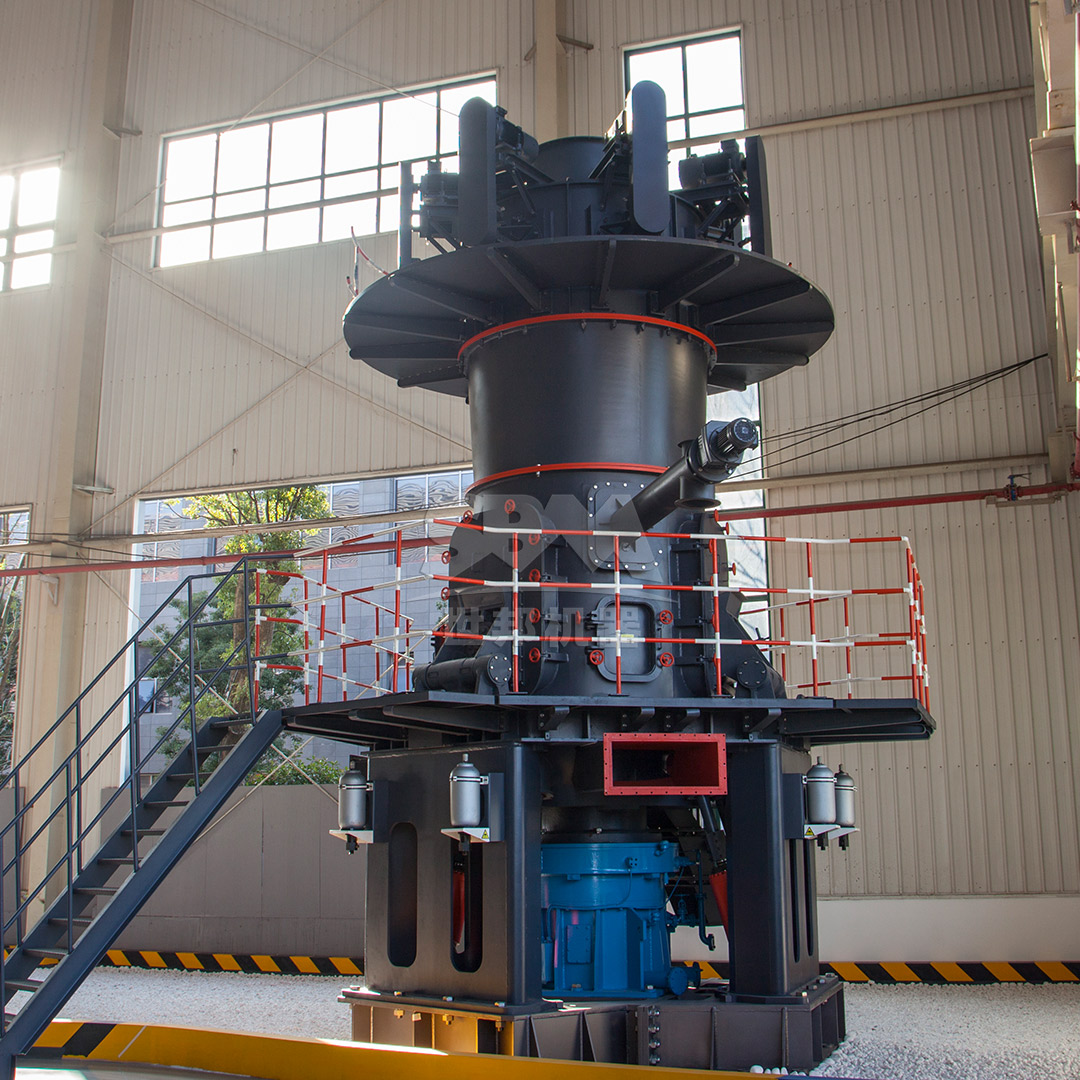
Additional Considerations
Auxiliary Equipment
No matter which mill you choose, the complete system includes: a feeder, a bucket elevator, and a pulse dust collector. For the SCM series, the system often includes a bag filter and a high-pressure blower. The LM VRM includes a multi-cyclone collector and a bag house.
Maintenance and Wear
Zeolite is moderately abrasive. For the LM VRM, the use of qualified grinding rollers is essential. For the SCM mill, the design of the roller sleeve and grinding ring materials ensures they last for thousands of hours, reducing downtime.
Final Verdict
There is no definitive ‘best’ mill, only the ‘best fit’ for your application. Choose a Vertical Roller Mill (LM series) when you prioritize high tonnage, energy efficiency at scale, and moisture removal for standard fineness. Choose a Zeolite Micro Powder Grinding Mill (SCM series) when your product value is defined by ultra-fineness, specific surface area, and precise classification. By carefully assessing your target market, feed material, and desired power output, you can select the perfect solution to optimize your zeolite processing operation.
For more detailed consultation on plant design and equipment pricing, please contact our engineering team. We offer complete turnkey solutions, including crushers, elevators, and storage silos, tailored to your zeolite project.