How to Solve High Vibration and Loud Noise in Raymond Mill Main Motor
Introduction
The Raymond mill is a cornerstone of the industrial grinding industry, widely used for processing non-metallic minerals, chemicals, and construction materials. However, operators often encounter a critical issue: high vibration and loud noise emanating from the main motor. This not only disrupts production efficiency but also poses safety risks and accelerates equipment wear. Understanding the root causes and implementing effective solutions is essential for maintaining optimal performance. In this article, we will explore the primary reasons behind these problems and provide actionable strategies to resolve them.
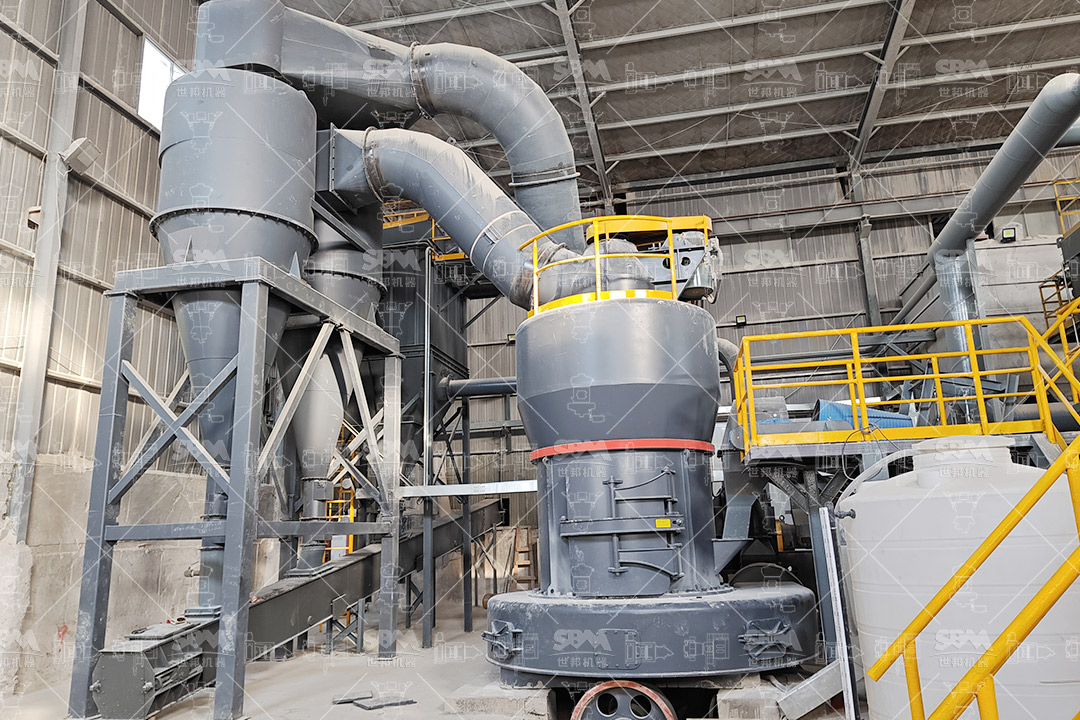
Common Causes of High Vibration and Loud Noise
High vibration and noise in the main motor of a Raymond mill can stem from several sources, ranging from mechanical misalignments to operational imbalances. Below are the most common causes:
- Imbalanced Rotor or Grinding Components: Uneven wear of grinding rollers, rings, or the motor rotor can create centrifugal forces that lead to vibration. This often results from inconsistent feed material or prolonged operation without maintenance.
- Loose Foundation or Anchor Bolts: A Raymond mill must be mounted on a solid, level foundation. If anchor bolts become loose or the foundation cracks, the entire unit—including the main motor—can vibrate excessively, amplifying noise.
- Misalignment of Couplings or Shafts: The main motor is connected to the mill’s drive system via couplings. Misalignment due to thermal expansion, improper installation, or worn components can cause cyclic stress, resulting in vibration and noise.
- Worn Bearings in the Motor or Mill: Bearings are critical for smooth rotation. Degradation due to lack of lubrication, contamination, or fatigue introduces play, leading to rough operation and loud metallic sounds.
- Electrical Imbalances: Issues such as unbalanced voltage, phase loss, or harmonics from variable frequency drives (VFDs) can cause the motor to run roughly, generating both vibration and audible noise.
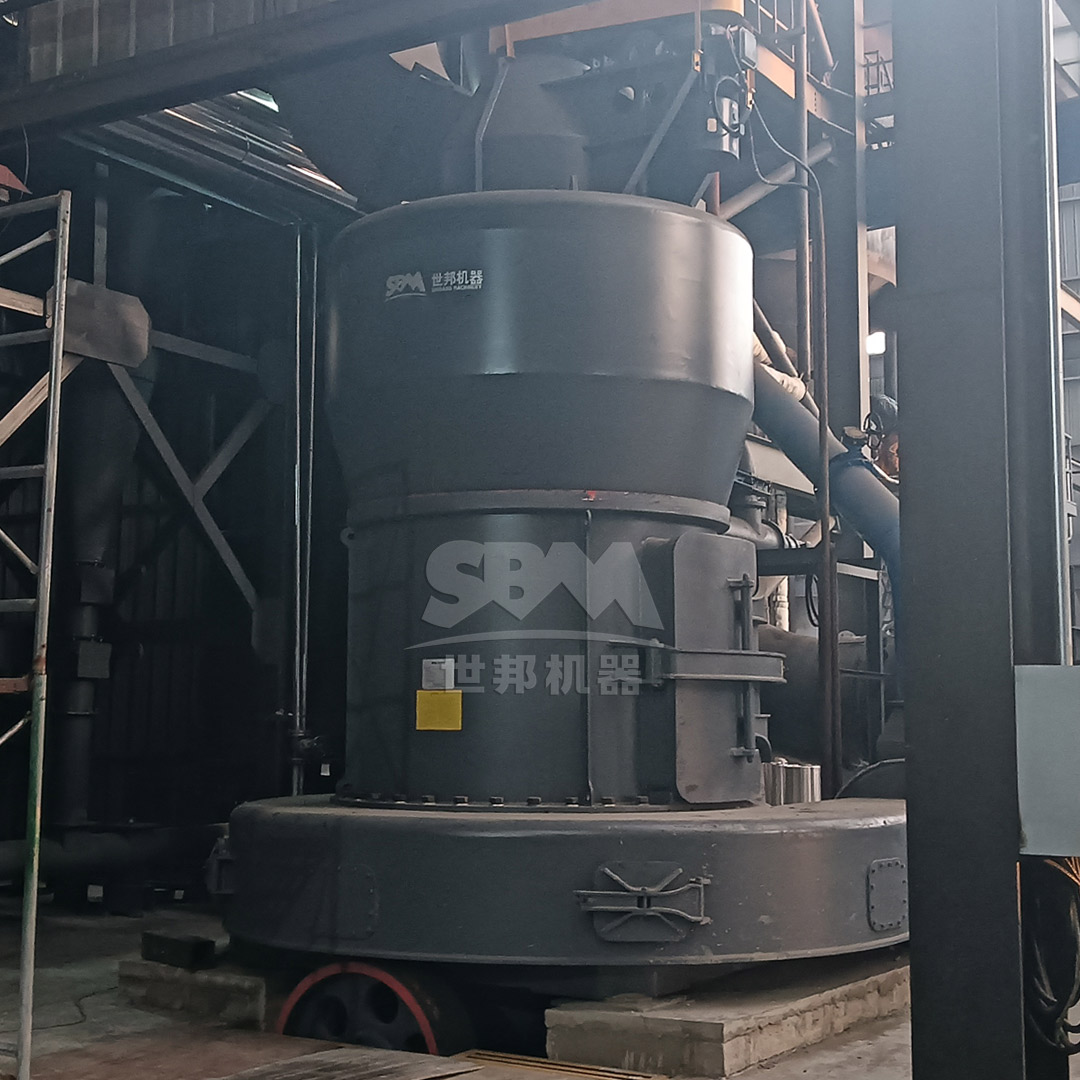
Step-by-Step Troubleshooting and Solutions
1. Conduct a Thorough Inspection
Begin with a visual and auditory inspection. Check for loose bolts, cracks in the foundation, and unusual sounds from bearings. Use a stethoscope or ultrasonic detector to pinpoint noisy areas. Measure vibration levels using a vibration meter at multiple points on the motor housing and bearing caps. Record baseline data for comparison.
2. Address Mechanical Imbalances
If imbalance is detected, shut down the mill and inspect the grinding rollers and rings for uneven wear. Replace worn parts and ensure proper assembly. For the motor rotor, dynamic balancing may be required. This process involves adding or removing weight from the rotor to correct imbalance. Always use precision balancing equipment to minimize vibration below 0.1 mm/s (RMS) for industrial motors.
3. Tighten and Reinforce the Foundation
Check all anchor bolts and retighten them to the manufacturer’s specified torque. If the foundation is cracked, repair it with high-strength epoxy grout. Install vibration-damping pads or isolation mounts between the mill base and the foundation to reduce transmitted vibration. This is especially important for high-capacity mills, as the main motor’s torque can easily amplify minor instabilities.
4. Realign Couplings and Shafts
Use a laser alignment tool to check the alignment between the main motor shaft and the mill’s input shaft. Align both parallel and angular offsets to within 0.05 mm. Replace worn flexible couplings with new ones that have higher misalignment tolerance. For permanent solutions, consider using grid or disc couplings that can accommodate minor thermal expansions without inducing vibration.
5. Replace or Service Bearings
If bearing noise is present, disassemble and inspect the bearings. Clean and re-grease if they are reusable; otherwise, replace with high-quality, sealed bearings. For heavy-duty applications, use bearings with increased radial clearance (C3 or C4 class) to accommodate thermal expansion. Ensure proper lubrication intervals using the correct grease type (e.g., lithium-complex based for high-temperature environments).
6. Optimize Electrical Parameters
Measure voltage and current on all three phases. Correct imbalances by adjusting the load or contacting the utility provider. If using a VFD, install line reactors or harmonic filters to reduce electrical noise. Ensure the motor is properly grounded to prevent electrical discharges that can cause pitting in bearings. A stable electrical supply directly reduces torque ripple and associated vibration.
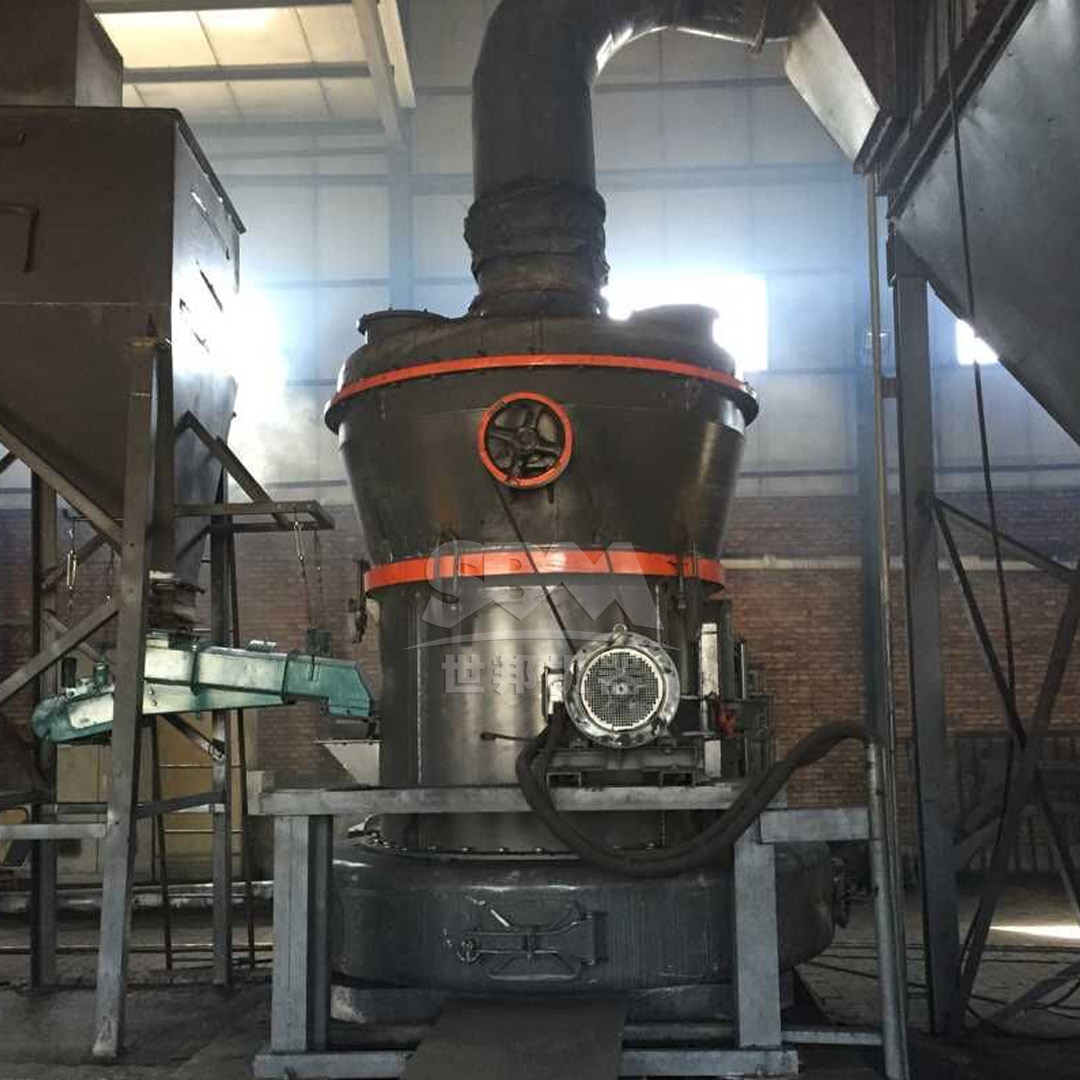
Preventive Maintenance Tips
Beyond reactive repairs, a robust preventive maintenance program is key to long-term stability. Implement the following practices:
- Schedule regular vibration monitoring (monthly) and trend analysis to detect early signs of imbalance or bearing wear.
- Perform routine lubrication of all rotating parts, using grease that meets the mill’s high-temperature and heavy-load requirements.
- Inspect foundation bolts and alignment quarterly, particularly after seasonal temperature changes.
- Train operators to recognize unusual noise and vibration patterns so they can report issues before they escalate.
Recommended Solutions from Our Product Line
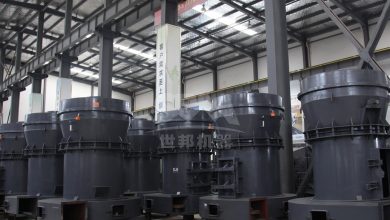
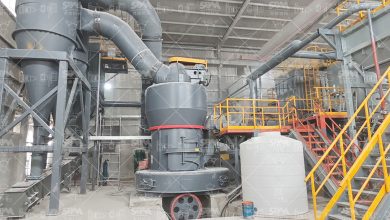
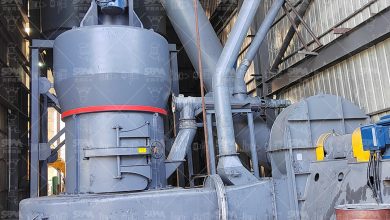
While addressing the root causes is critical, upgrading to a modern, high-efficiency mill can eliminate many of these problems at the source. Our SCM Series Ultrafine Mill (45-5μm) is designed with advanced vibration-dampening technology and precision-balanced components, ensuring smooth operation even under high loads. The SCM series features a soundproof room design and intelligent control systems that automatically adjust grinding parameters, reducing strain on the main motor. For those seeking even higher capacity and lower noise levels, the LM Series Vertical Roller Mill offers a non-contact grinding design that minimizes mechanical wear and vibration. Its integrated system reduces floor space by 50% and lowers operating noise to below 85 dB, making it ideal for environmentally sensitive sites. Both models feature state-of-the-art lubrication and bearing systems that extend maintenance intervals and reduce overall operational costs. By upgrading to one of these solutions, you can significantly mitigate high vibration and loud noise, while improving throughput and energy efficiency.
Conclusion
High vibration and loud noise in a Raymond mill’s main motor are not just annoyances—they are indicators of underlying mechanical or electrical issues. By methodically inspecting for imbalances, misalignments, loose foundations, and worn components, you can restore smooth, quiet operation. Regular preventive maintenance and the adoption of modern grinding technology, such as our SCM or LM series mills, provide a long-term path to reliable performance. Addressing these challenges head-on will prolong equipment life, enhance product quality, and create a safer working environment.