How to Increase the Added Value of Barite Powder Using a Barite Grinding Mill
Introduction: The Value of High-Quality Barite Powder
Barite, a mineral composed of barium sulfate (BaSO4), is a critical industrial mineral widely used in oil and gas drilling, paint, plastics, rubber, and medical industries. Its value is directly linked to its purity, whiteness, and, most importantly, particle size distribution. Low-grade, coarse barite powder commands a low market price, while ultra-fine, high-purity barite powder (e.g., D97 < 10μm) can be sold at a premium, often fetching prices 3 to 5 times higher. The key to unlocking this added value lies in the selection and operation of the right barite grinding mill.
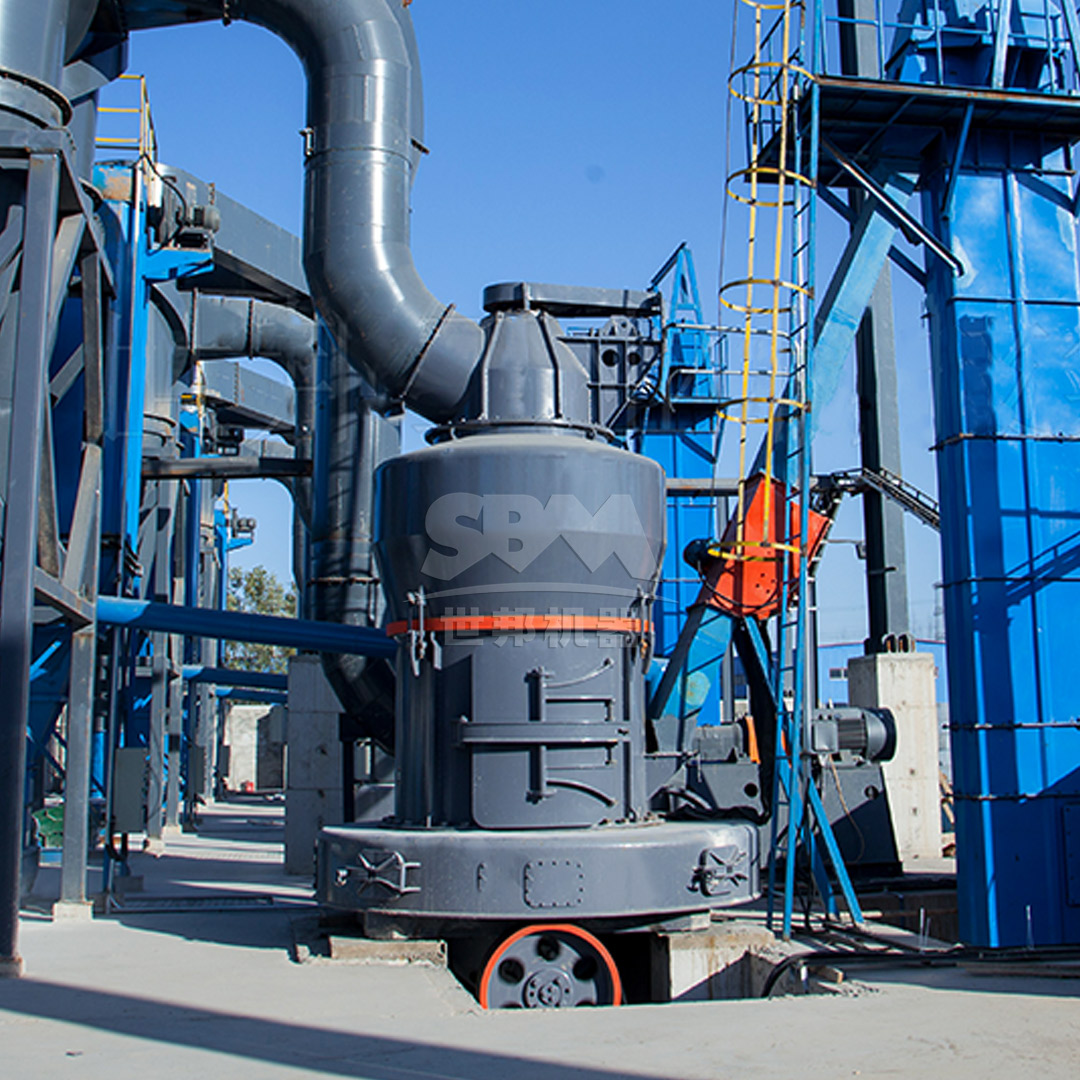
The Foundation: Selecting the Right Grinding Mill for Barite
The first step to increasing added value is choosing a mill that can precisely control particle size while maintaining high throughput and low operational costs. For barite, two primary mill types stand out: the European trapezium mill for standard industrial powders (325 mesh D97) and the ultrafine mill for high-value, ultra-fine products (1250-2500 mesh).
Case Study 1: Standard High-Value Barite Powder (325 mesh D97)
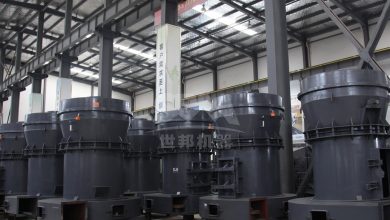
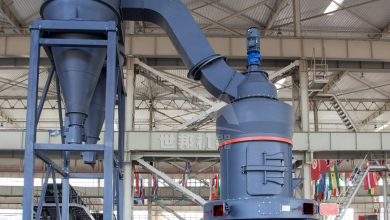
For barite used in drilling fluids or the paint industry, a fineness of 325 mesh (45μm) D97 is the standard. The goal is to achieve this fineness with maximum efficiency and minimum energy consumption. Our MTW Series European Trapezium Mill (600-45μm) is the ideal solution for this application.
Key Features Enhancing Value:
- Anti-wear Shovel Design: Combined shovel blades and a curved design extend the life of the grinding roller, reducing downtime and maintenance costs. This directly improves your total cost of ownership (TCO).
- Optimized Arc Air Duct: This patent design reduces airflow energy loss, improving transmission efficiency by over 15% compared to traditional mills.
- Integral Bevel Gear Drive: With a transmission efficiency of 98%, this drive system saves space and reduces power loss, lowering your electricity bill per ton of barite powder.
- High Capacity: With models like the MTW215G capable of producing 15-45 tons per hour, you can meet high-volume orders without sacrificing quality.
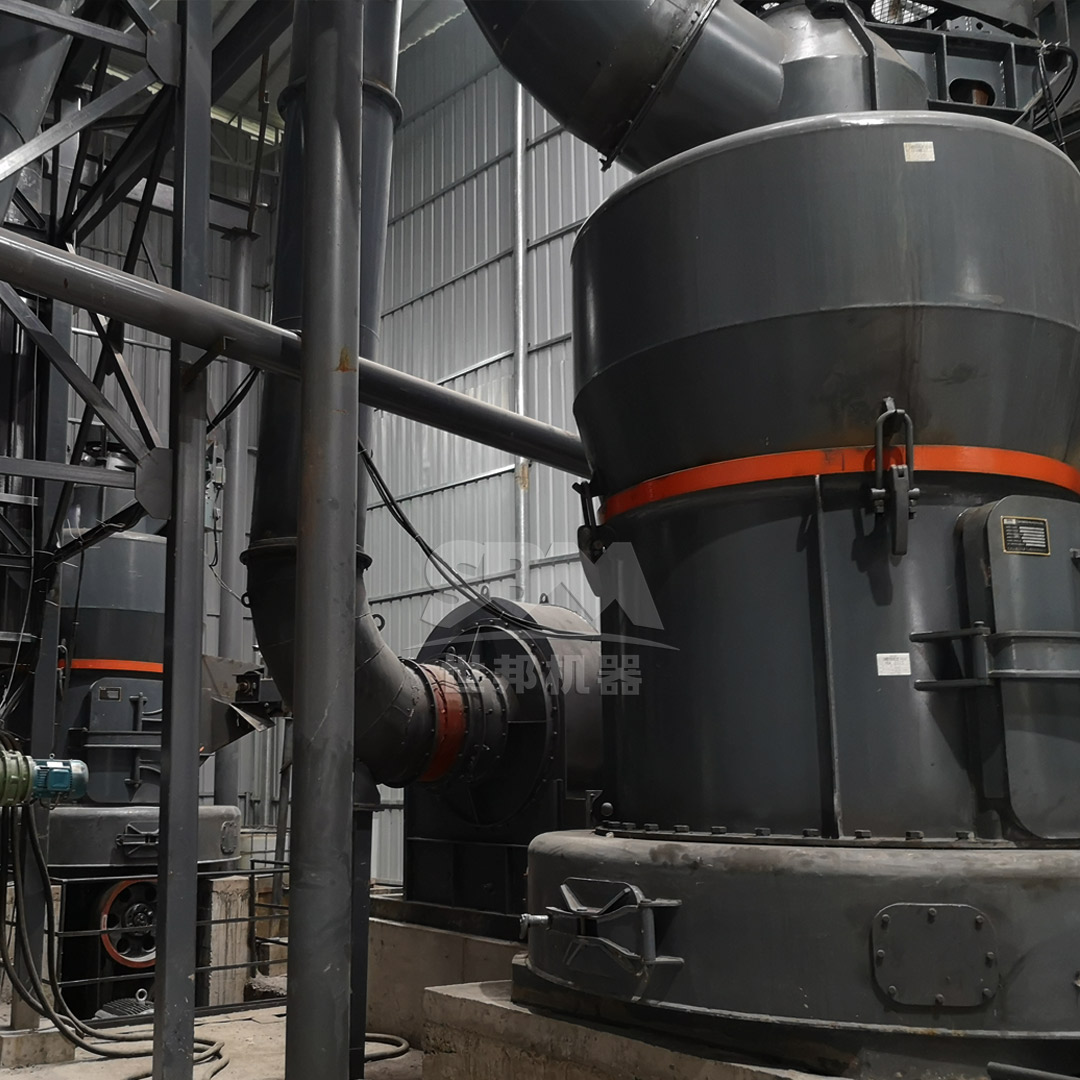
By using the MTW mill, a typical barite producer can increase their powder’s market value by ensuring a consistent 325-mesh product (D97) with zero coarse particles, making it premium-grade material for the oil & gas industry.
Case Study 2: Ultra-Fine High-Value Barite Powder (1250-2500 mesh)
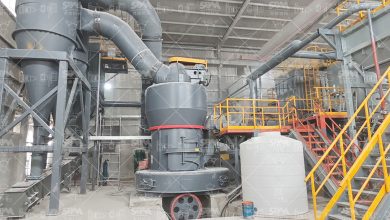
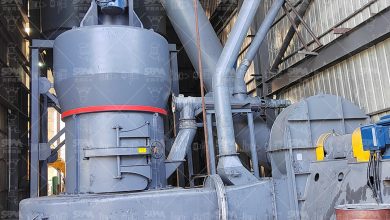
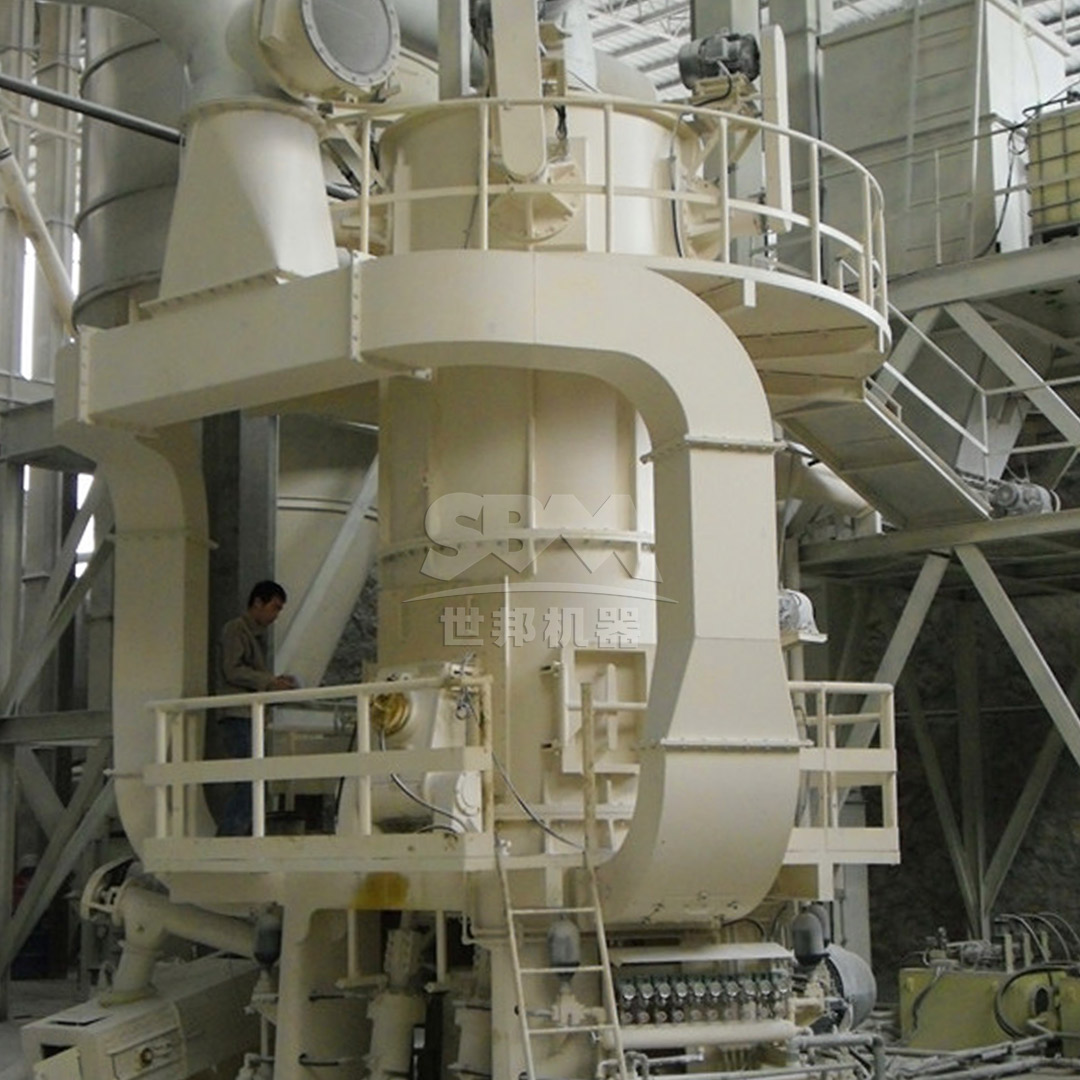
To enter high-margin markets like plastics masterbatch, rubber reinforcement, or high-end fillers, barite powder must be ground to an ultra-fine size of 1250 mesh (10μm) or even 2500 mesh (5μm). This is where our SCM Series Ultrafine Mill (45-5μm) becomes indispensable.
Key Features for Ultra-Fine Grinding:
- High Efficiency & Energy Saving: Designed using a high-pressure pulverization mechanism, its capacity is 2 times that of jet mills (the traditional choice for ultra-fine grinding), with 30% lower energy consumption. This is a game-changer for production costs.
- High-Precision Classification: The vertical turbine classifier provides precise particle size cutting. This ensures no coarse powder mixing, which is critical for achieving the tight particle size distribution required for premium applications.
- Durable Design: Special material rollers and rings extend the service life several times over, while the shaftless screw grinding chamber ensures stable operation even under continuous heavy loads.
- Smart Control: An intelligent control system with automatic finished product granularity feedback ensures consistent product quality without constant manual supervision.
By upgrading to the SCM Series Mill, you can transform standard barite into a specialized product. For example, barite powder ground to 2500 mesh (D97) can be sold as a functional filler in high-gloss plastics, where it replaces more expensive materials like precipitated barium sulfate.
Techniques to Maximize Added Value in Operation
Beyond choosing the right mill, here are operational strategies to further enhance value:
- Automated Classification Adjustment: Use the mill’s intelligent control system (e.g., SCM’s automatic feedback) to adjust classifier speed. This allows you to switch between different fineness grades (e.g., 800 mesh to 1500 mesh) with minimum downtime, catering to different customer needs.
- Control of Whiteness and Purity: Ensure the mill’s lining and grinding media are non-contaminating. Both our MTW and SCM mills use wear-resistant materials that prevent iron contamination, preserving the barite’s natural high whiteness.
- Efficient Dust Collection: The integrated pulse dust collectors in both series (as per your specifications, an internationally advanced technology) not only meet strict environmental regulations but also allow you to collect the finest powder separately, which often has the highest value.
Conclusion: The Return on Investment
Investing in a high-quality barite grinding mill like the MTW Series for standard products or the SCM Series Ultrafine Mill for premium products is a direct path to increasing the added value of your barite powder. By reducing energy consumption, ensuring precise particle size, and minimizing maintenance costs, these mills allow you to produce higher-selling products at a lower cost. The result is a significantly improved profit margin and a stronger competitive position in the global minerals market.