How to Process Sepiolite Powder: A Complete Guide to Grinding and Milling
Introduction to Sepiolite Processing
Sepiolite, also known as meerschaum, is a complex magnesium silicate clay mineral prized for its unique fibrous structure, high surface area, and exceptional absorption properties. Its applications span a wide range of industries, including absorbents, carriers, rheological modifiers, and functional fillers in polymers, paints, and drilling fluids. The key to unlocking its commercial value lies in effective processing—specifically, grinding and milling—to achieve the desired particle size distribution, surface activation, and preservation of its fibrous morphology. This guide provides a comprehensive overview of the sepiolite powder production process, from raw material preparation to final classification, with a focus on selecting the optimal milling technology.
1. Pre-Processing: From Raw Ore to Feedstock
Before grinding, raw sepiolite ore must undergo several preparatory steps to ensure efficient and consistent milling.
1.1 Crushing and Primary Size Reduction
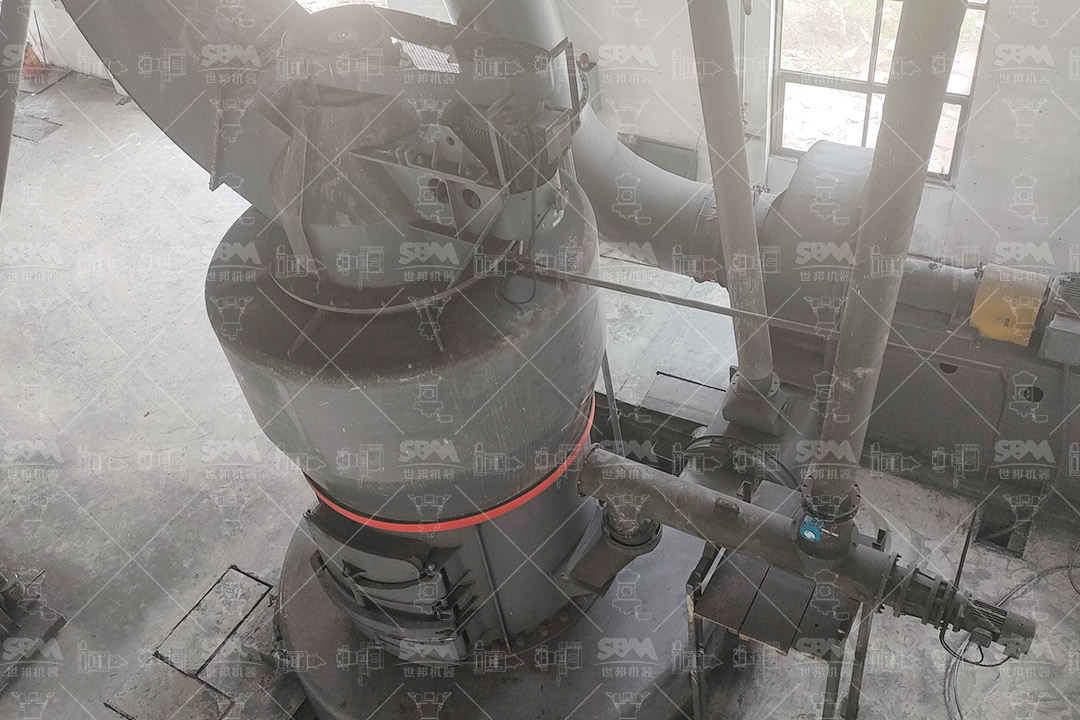
Mined sepiolite lumps are first subjected to primary crushing using jaw crushers or hammer mills to reduce them to a manageable size, typically below 50mm. This step is crucial for preparing a uniform feed for subsequent drying and fine grinding.
1.2 Drying
Sepiolite often contains significant surface and structural water. Efficient drying is essential to prevent clogging in mills and to improve grinding efficiency. Rotary dryers or flash dryers are commonly employed to reduce moisture content to below 10-15%.
1.3 Beneficiation (Optional)
Depending on the ore quality, beneficiation processes like washing, dispersion, and sedimentation may be used to remove impurities such as quartz, carbonates, or other clay minerals, thereby increasing the purity of the sepiolite feed.
2. Core Grinding and Milling Technologies for Sepiolite
The selection of milling equipment is paramount and depends on the target fineness, required capacity, and the need to preserve the mineral’s acicular (needle-like) structure. Here we explore the most suitable technologies.
2.1 Coarse to Medium Grinding (30-325 Mesh / 600-45μm)
For applications requiring a coarser powder, such as in some animal feed additives or basic absorbents, robust and high-capacity mills are ideal.
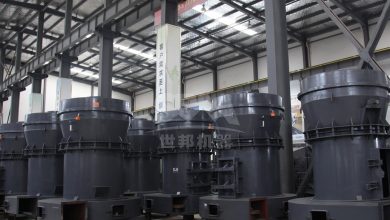
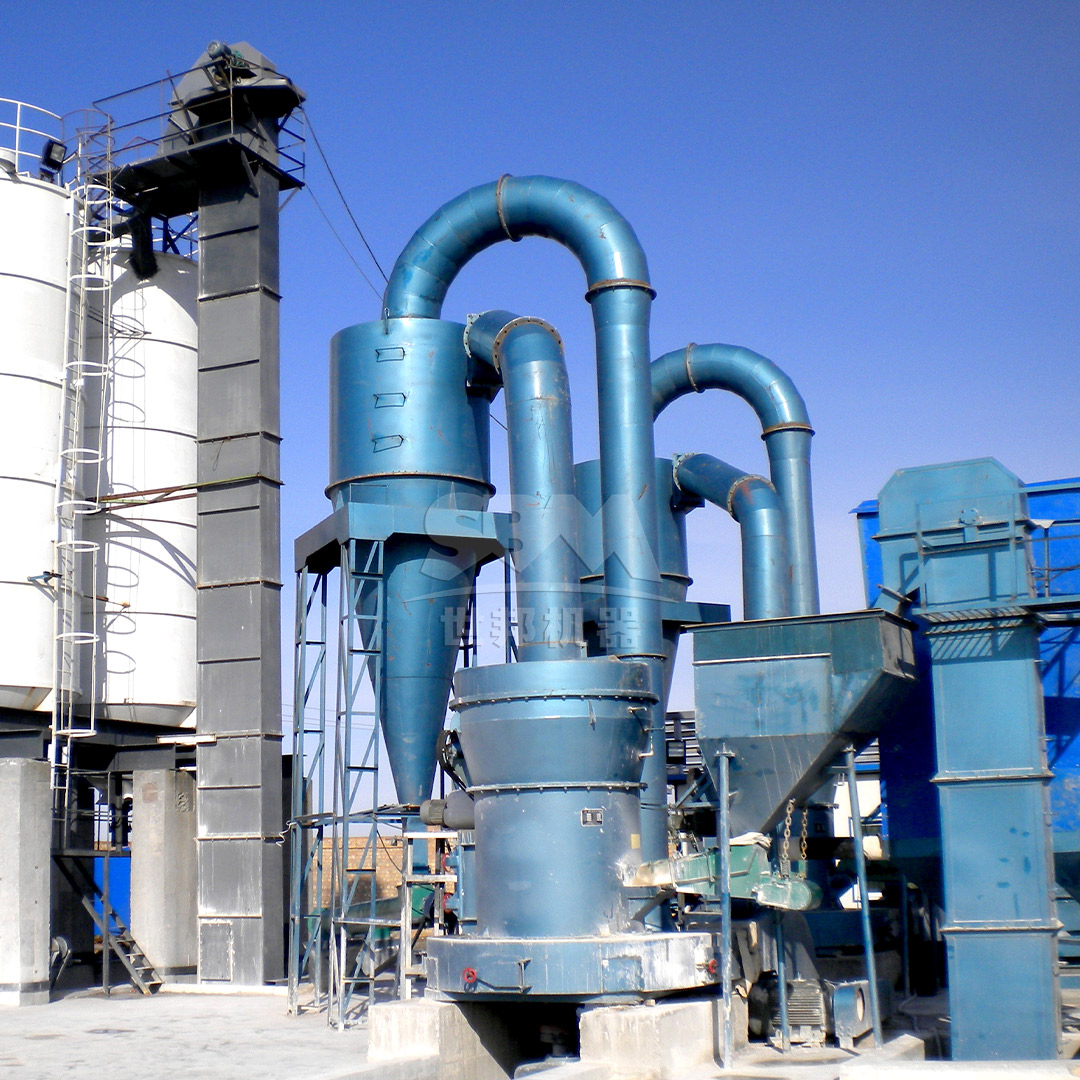
Recommended Technology: MTW Series European Trapezium Mill
For the initial or standalone grinding of sepiolite to a medium fineness, the MTW Series European Trapezium Mill stands out. Engineered for high efficiency and durability, it is perfectly suited for processing non-metallic minerals like sepiolite. Its core advantages include an anti-wear shovel design and wear-resistant volute structure, which significantly reduce maintenance costs when handling abrasive materials. The integral bevel gear drive ensures smooth operation with 98% transmission efficiency. With an input size of up to 50mm and a capacity ranging from 3 to 45 tons per hour, the MTW mill can efficiently produce powder in the 30-325 mesh range, making it a workhorse for large-scale sepiolite processing plants.
2.2 Fine to Ultrafine Grinding (325-2500 Mesh / 45-5μm)
Most high-value applications of sepiolite, such as in cosmetics, pharmaceuticals, and high-performance nanocomposites, demand ultrafine powders with a high aspect ratio. This requires advanced milling systems capable of delicate, shearing-type grinding.
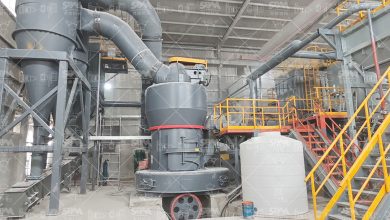
Recommended Technology: SCM Series Ultrafine Mill
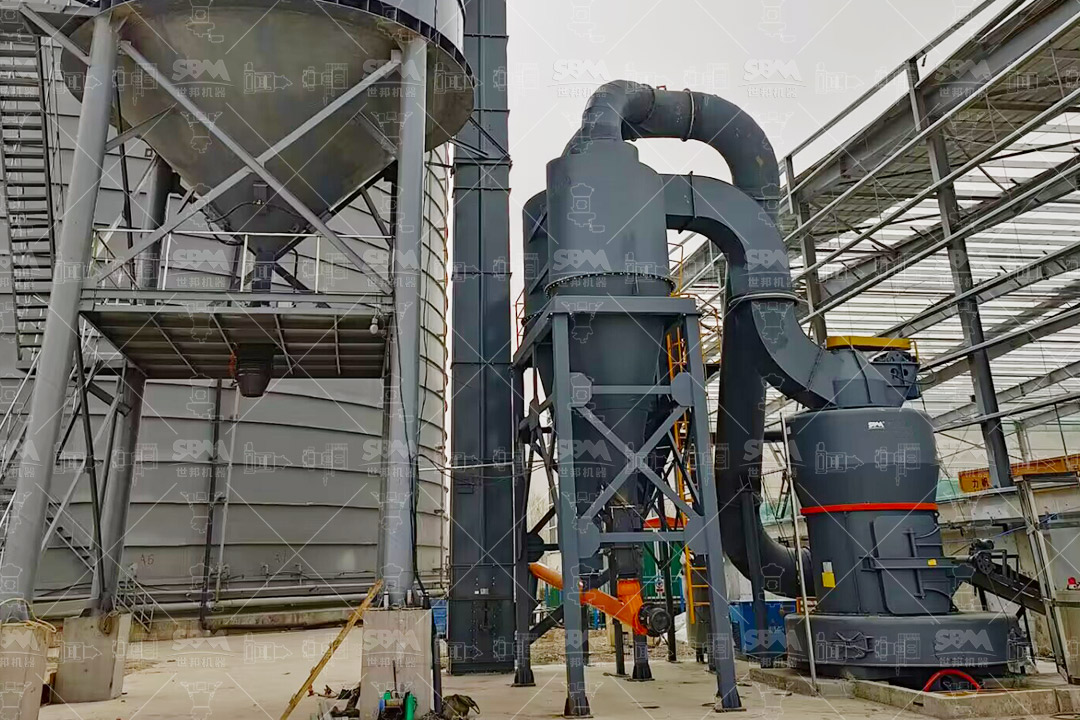
To achieve the finest particle sizes while aiming to maintain the fibrous structure of sepiolite, the SCM Series Ultrafine Mill is the technology of choice. This mill excels in producing powders from 325 to 2500 mesh (45-5μm). Its high-precision vertical turbine classifier ensures precise particle size cuts and a uniform product without coarse powder mixing. The grinding mechanism, which uses special material rollers and rings, applies layered grinding pressure, which is more conducive to delaminating sepiolite fibers than impact-based methods. Furthermore, its high efficiency and energy-saving design offers capacity twice that of jet mills with 30% lower energy consumption. For operations targeting the premium ultrafine sepiolite powder market, the SCM series, with models like the SCM1250 (2.5-14t/h capacity), provides an optimal balance of performance, product quality, and operational economy.
2.3 Alternative Technologies
- Ball Mills: Suitable for wet or dry grinding to a moderate fineness (0.074-0.8mm). They are a traditional choice but may be less energy-efficient and can potentially damage the fibrous structure through high-impact forces.
- Vertical Roller Mills (e.g., LM Series): Excellent for large-scale, integrated grinding of non-metallic minerals. They offer low operating costs and are suitable for producing powder in the 30-325 mesh range, with some models capable of finer outputs.
- Jet Mills: Utilize particle-on-particle impact in a high-speed air stream. Ideal for achieving very fine sizes without contamination, but often have higher energy consumption and lower capacity compared to advanced roller mills like the SCM series.
3. Post-Milling Processing: Classification and Surface Modification
3.1 Air Classification
Integrated or standalone air classifiers are critical for separating the milled product into specific, narrow particle size fractions. This step ensures the final powder meets precise customer specifications.
3.2 Surface Modification (Activation)
To enhance compatibility with organic matrices (e.g., plastics, rubber) or to improve dispersion, sepiolite powder often undergoes surface modification. This typically involves heating (thermal activation) or chemical treatment with silanes or surfactants in high-speed mixers.
4. Key Considerations for a Successful Sepiolite Milling Plant
- Feed Consistency: Ensure uniform moisture and particle size from the drying and crushing stages to stabilize mill operation.
- Abrasion Resistance: Sepiolite can be abrasive. Select mills with wear-resistant components, such as the special rollers and rings in the SCM mill or the anti-wear designs in the MTW mill.
- Dust Control: Implement comprehensive dust collection systems. Both the SCM and MTW series feature advanced pulse dust collectors with efficiency exceeding international standards, ensuring a clean working environment.
- Process Control: Utilize automated control systems to monitor key parameters like feed rate, classifier speed, and temperature, ensuring consistent product quality. The intelligent control systems in our SCM and LM series mills are exemplary in this regard.
Conclusion
Processing sepiolite into high-quality powder is a multi-stage operation that demands careful selection of technology at each step. From robust primary grinding with the MTW Series European Trapezium Mill to the delicate production of ultrafine, structurally intact powder with the SCM Series Ultrafine Mill, the right equipment is crucial for achieving target specifications, maximizing yield, and controlling operational costs. By understanding the properties of sepiolite and the capabilities of modern milling systems, producers can optimize their processes to serve diverse and growing markets effectively. Investing in efficient, durable, and precise grinding technology is the foundation for success in the competitive field of industrial minerals.