Dolomite Powder Processing: Equipment, Technology, and Industrial Applications
Introduction
Dolomite, a calcium magnesium carbonate mineral (CaMg(CO3)2), is a cornerstone industrial material prized for its unique chemical and physical properties. Its processing into fine and ultrafine powders unlocks immense value across diverse sectors, from construction and agriculture to advanced manufacturing. The transformation from raw mineral to high-value powder is a sophisticated technological endeavor, demanding precise equipment selection and a deep understanding of grinding science. This article delves into the core equipment, advanced technologies, and expansive industrial applications that define modern dolomite powder processing.
Key Properties and Processing Challenges
Dolomite’s moderate hardness (3.5-4 on the Mohs scale) and brittle nature make it amenable to grinding. However, achieving consistent particle size distribution (PSD), maintaining high whiteness, and controlling impurities like silica and iron oxides present significant challenges. The primary goal of processing is to liberate the mineral’s inherent properties—such as its alkaline nature, high thermal stability, and reinforcing capability—through controlled size reduction and classification. The choice of processing technology directly impacts the final product’s performance in downstream applications.
Core Processing Equipment and Technology
The dolomite processing line typically involves stages of crushing, grinding, classification, and collection. While primary and secondary crushing (using jaw crushers and cone crushers) prepare the feedstock, the heart of the system lies in the fine and ultrafine grinding mills.
1. Coarse to Medium-Fine Grinding (45-600μm / 30-325 mesh)
For applications requiring powders in the range of 30 to 325 mesh, robust and high-capacity grinding systems are employed.
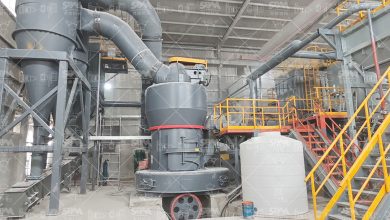
Vertical Roller Mills (VRM), such as the LM Series, represent a leap in efficiency for large-scale production. Their integrated design combines grinding, drying (with hot air), classification, and conveying into a single compact unit. The material is ground between rollers and a rotating table, with immediate classification by an internal dynamic separator. This results in energy savings of 30-40% compared to traditional ball mills and a significantly smaller plant footprint. VRMs are ideal for producing dolomite fillers for plastics, rubber, and construction materials where high throughput is critical.
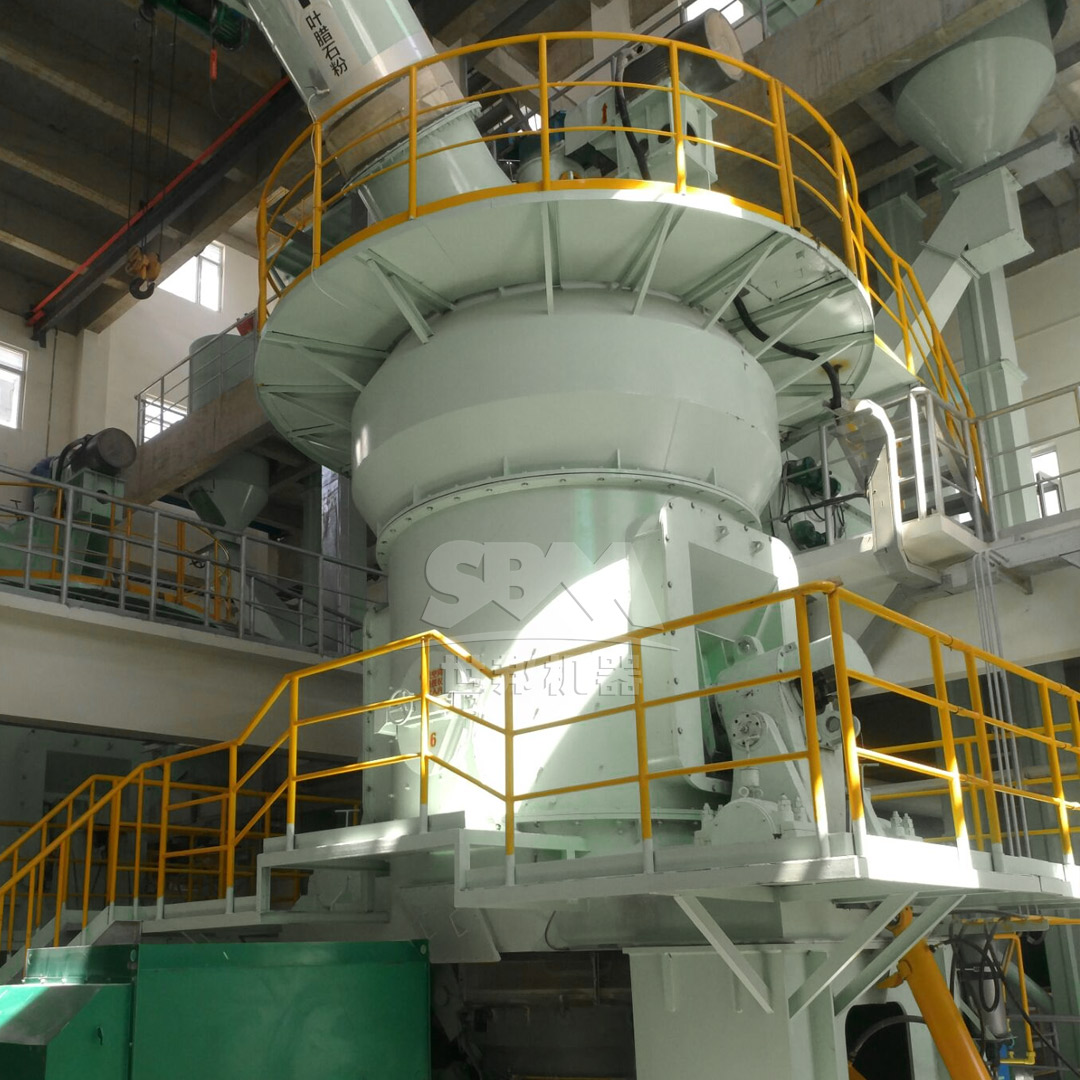
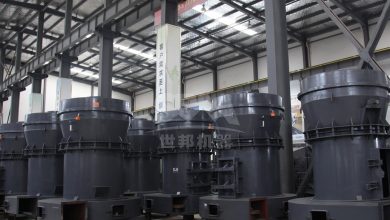
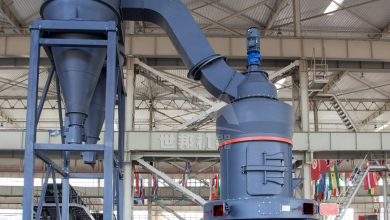
European Trapezium Mills, exemplified by the advanced MTW Series, offer another highly efficient solution for this fineness range. They feature an innovative bevel gear integral transmission with up to 98% efficiency, an optimized curved air duct that minimizes energy loss, and wear-resistant combined shovel blades. For dolomite processors seeking a balance of high capacity, precise classification, and operational reliability for products like agricultural limestone or asphalt filler, the MTW Series is a premier choice. Its anti-wear design and efficient air classification system ensure consistent product quality and reduced maintenance costs.
2. Ultrafine and Superfine Grinding (5-45μm / 325-2500 mesh)
High-value applications demand powders with superior fineness and narrow particle size distribution. This requires specialized ultrafine grinding technology.
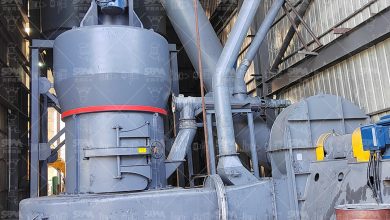
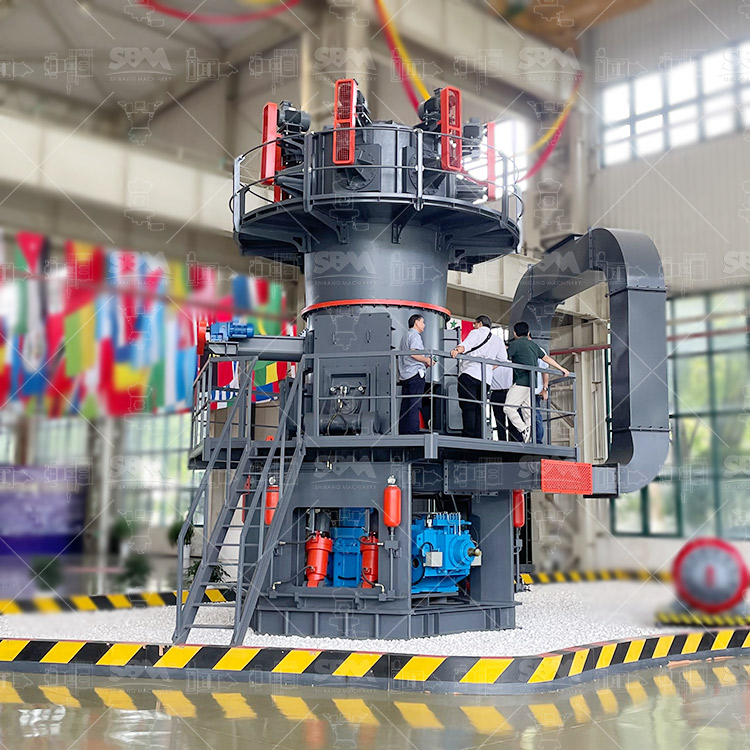
Ultrafine Vertical Roller Mills like the LUM Series push the capabilities of vertical grinding into the micron and sub-micron range. They incorporate multiple grinding rollers and advanced multi-rotor classifiers to achieve precise particle size cuts without coarse particle contamination. Fully automated PLC control ensures stable operation and product consistency, which is paramount for functional fillers in polymers, coatings, and pharmaceutical applications.
For the most demanding superfine grinding requirements, the SCM Series Ultrafine Mill stands out as a technological leader. Engineered to produce powders from 325 to 2500 mesh (45-5μm), it operates on a layer-by-layer grinding principle for exceptional efficiency. Its high-precision vertical turbine classifier guarantees a uniform finished product, while its special material rollers and rings offer remarkable durability. Furthermore, its integrated pulse dust collection system exceeds international environmental standards, and the soundproof design ensures low-noise operation. For producers targeting the premium markets of high-performance plastics, advanced ceramics, or specialty chemicals, the SCM Series provides the technological edge necessary to achieve and maintain superior product specifications with lower energy consumption.
3. Ancillary and Supporting Equipment
A complete system also relies on efficient classifiers (dynamic or static), high-efficiency cyclones and baghouse dust collectors, screw conveyors, and silos. Drying systems may be integrated for processing dolomite with higher moisture content. The entire process is increasingly managed by centralized control systems for optimization and quality assurance.
Industrial Applications of Processed Dolomite Powder
The fineness and quality of dolomite powder determine its application sector:
- Construction & Building Materials: As a filler in asphalt, roofing materials, and sealants; as a raw material in magnesium oxychloride cement; and in the production of glass and ceramics.
- Agriculture: As a soil conditioner to neutralize acidity and supply magnesium and calcium nutrients (ag-lime).
- Environmental: Used in flue gas desulfurization (FGD) processes to capture SO2 emissions from power plants.
- Manufacturing & Industry: As a functional filler and reinforcing agent in plastics, rubber, paints, and coatings to improve stiffness, weathering resistance, and dimensional stability. It serves as a flux in steelmaking and as a raw material for magnesium metal production.
- Specialty & Emerging Applications: High-purity, ultrafine dolomite is used in pharmaceuticals, food additives, and as a catalyst support.
Conclusion
The processing of dolomite into fine and ultrafine powders is a critical value-adding chain that fuels numerous global industries. Success in this field hinges on selecting the right grinding technology tailored to the target particle size, capacity, and quality requirements. From the high-volume efficiency of the MTW Series European Trapezium Mill for coarse to medium-fine products to the precision engineering of the SCM Series Ultrafine Mill for premium superfine powders, modern milling solutions offer unparalleled efficiency, control, and environmental performance. By leveraging these advanced technologies, producers can consistently meet the stringent specifications of diverse markets, ensuring dolomite continues to be a vital material for both traditional and innovative applications.