Applications and Uses of Illite Powder in Various Industries
Introduction to Illite Powder
Illite is a non-expanding, clay-sized, micaceous mineral. As a common phyllosilicate, it is a key component of many shales and argillaceous rocks. When processed into a fine powder, illite exhibits a unique combination of properties including high chemical inertness, excellent plasticity, good ion-exchange capacity, and a fine particle morphology. These characteristics make illite powder a valuable raw material and functional additive across a diverse range of modern industries. From high-end ceramics and construction materials to paints, plastics, and even agriculture, the demand for high-quality, finely ground illite powder is steadily growing. The quality of the final product, however, is heavily dependent on the milling process, which must achieve high fineness, uniform particle size distribution, and consistent purity. This article explores the primary applications of illite powder and highlights the advanced milling technologies required to produce it.
Illite Powder in the Construction and Cement Industry
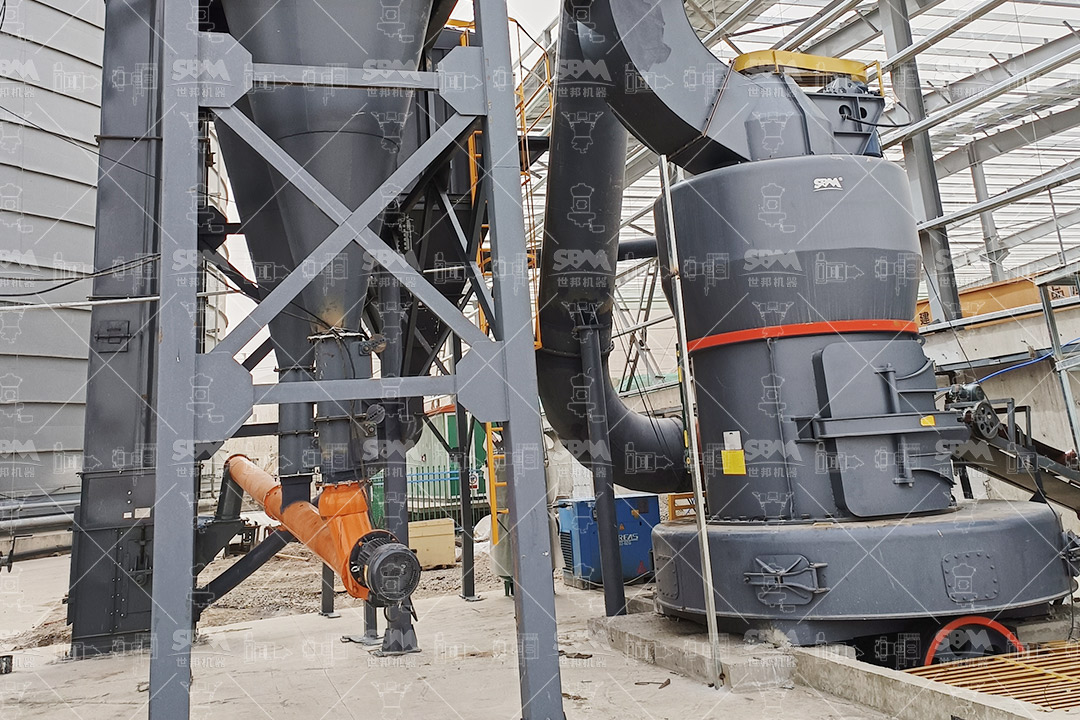
One of the largest consumers of illite powder is the construction sector. In the production of high-performance cement and concrete, illite acts as a pozzolanic additive, although its activity is generally lower than that of kaolinite or metakaolin. Mechanically activated illite, achieved through fine grinding, can enhance the long-term strength and durability of concrete. It improves the densification of the microstructure, reducing porosity and making the concrete more resistant to chemical attack and water permeability. Furthermore, illite is a traditional raw material for the manufacturing of roofing tiles, bricks, and expanded clay aggregates. When fired, illite contributes to the sintering process, improving the mechanical strength and color of the final ceramic body. For these applications, a consistent fineness of 45-125μm (325-120 mesh) is often required. Efficient and large-scale processing is crucial to meet the demands of this industry.
Illite in Ceramics and Refractories
The ceramics industry relies on illite for its plastic properties and its ability to provide green strength to unfired ware. It is a crucial component in the formulation of sanitary ware, tableware, porcelain, and floor tiles. Illite helps to bind other non-plastic raw materials together, forming a workable paste that can be shaped by extrusion or pressing. During firing, illite melts and forms a glassy matrix that binds the whole structure, contributing to the product’s vitrification and mechanical strength. In the production of refractories, high-alumina illite clays are valued for their thermal stability and resistance to slag. The key to producing superior ceramics and refractories is the use of a very fine, contamination-free illite powder. Grinding equipment that can achieve a high specific surface area without introducing metallic iron particles is highly sought after.
Illite Powder as a Functional Filler
Beyond traditional uses, illite powder is increasingly employed as a functional filler in plastics, paints, coatings, and rubber. Its platy, lamellar structure can improve the barrier properties and mechanical strength of polymer composites. In paints and coatings, illite is used as an extender to improve opacity, suspension, and brushability. Because of its chemical inertness, it does not react with other components of the paint formulation. In rubber manufacturing, fine illite powder can serve as a semi-reinforcing filler, improving tensile strength and abrasion resistance while reducing the overall cost. For these high-value applications, the powder must be ultra-fine (325-2500 mesh, or 45-5μm) and have a precisely controlled particle size distribution. Any coarse particles in the filler can lead to surface defects in thin films or stress concentrations in plastic parts. This demands a milling system with superior classifying capabilities.
Agricultural and Environmental Applications
Illite powder also finds significant applications in agriculture and environmental protection. Its high cation exchange capacity (CEC) allows it to retain nutrients like potassium and ammonium, making it a valuable additive in fertilizers and soil conditioners. When applied to sandy or degraded soils, illite can improve water and nutrient retention, enhancing soil fertility. In environmental remediation, illite’s large surface area and surface charge make it an effective sorbent for heavy metals and organic pollutants in wastewater and contaminated soil. For these applications, a specific fineness is critical to maximize the surface area and reactivity. The ability to consistently produce powder with a fineness of 100-600 mesh is a key requirement for these markets.
The Critical Role of Milling Equipment
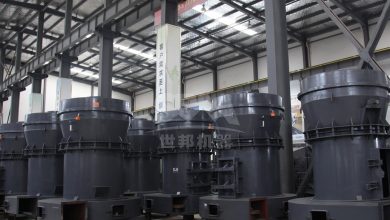
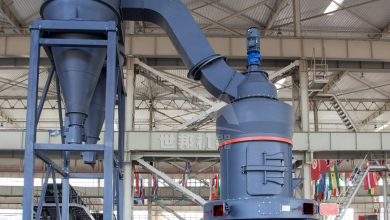
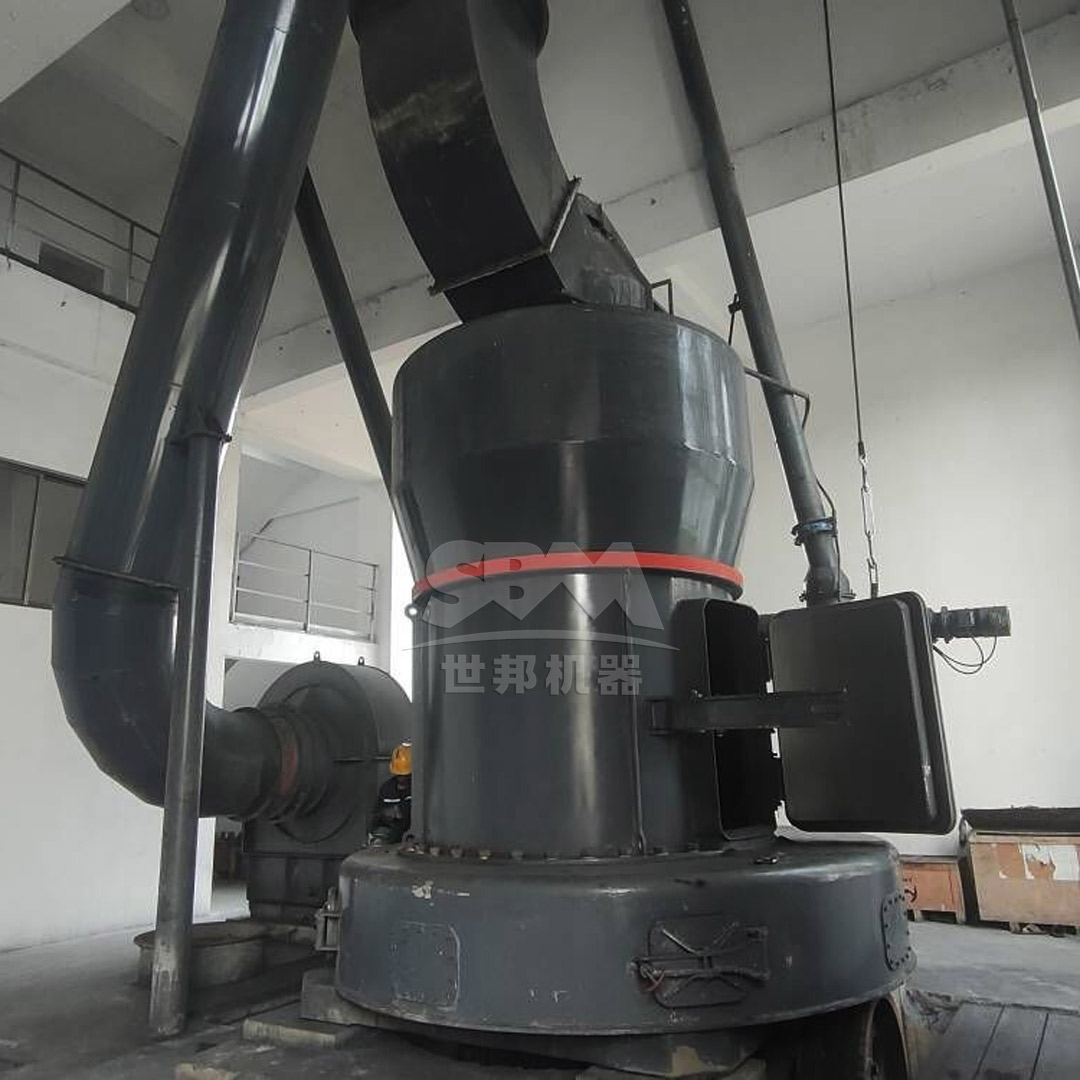
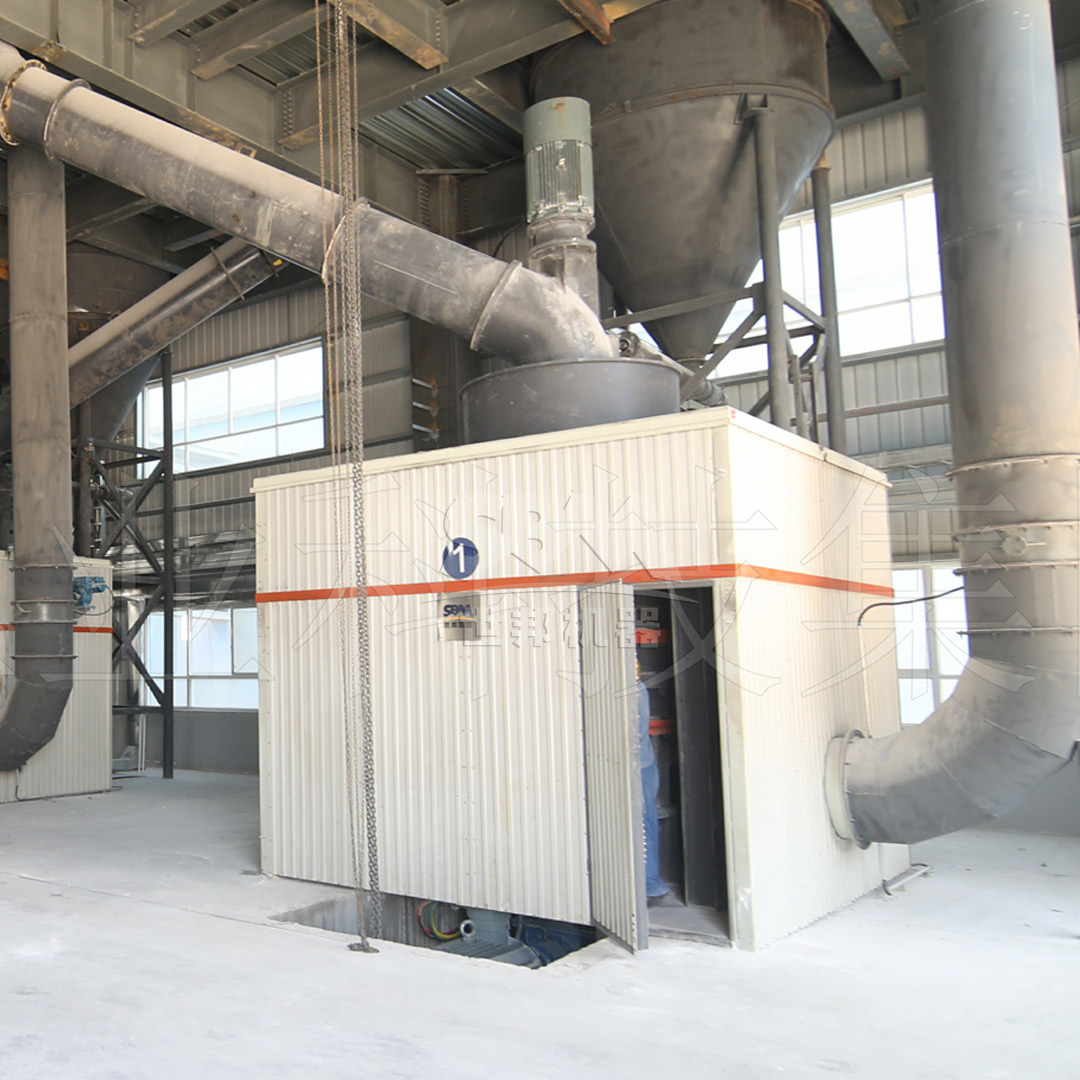
Producing high-grade illite powder for these diverse applications requires state-of-the-art grinding technology. The selection of the right mill is paramount to achieving the desired fineness, capacity, and operational efficiency. Traditional ball mills, while robust, often suffer from high energy consumption and limited control over the final particle size distribution, leading to a higher proportion of coarse particles. For the production of ultra-fine illite powder (45-5μm), advanced mills are essential. Our company offers a range of specialized equipment designed to meet these challenges head-on. For instance, the SCM Series Ultrafine Mill is an ideal solution for producing high-value illite fillers. It reliably achieves a fineness of 325-2500 mesh (45-5μm) with a capacity of 0.5-25 tons per hour. Its high-efficiency vertical turbine classifier ensures high-precision classification, eliminating coarse powder mixing and guaranteeing uniform finished products. The mill’s intelligent control system automatically adjusts the grinding parameters based on real-time feedback of the finished product granularity, ensuring consistent quality. With a capacity that is 2x that of jet mills and 30% lower energy consumption, it offers a significant advantage in operational cost.
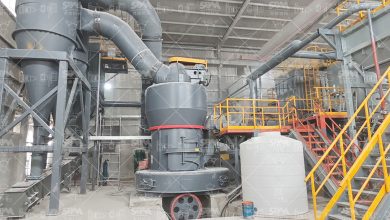
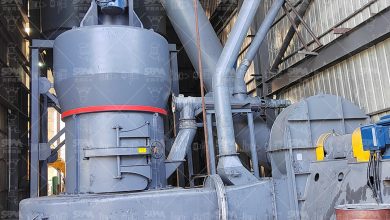
For applications requiring a coarser but high-volume product, such as in the construction and cement industries, our LM Series Vertical Roller Mill provides an unmatched combination of high capacity and low operating cost. It can process illite with a feed size of up to 50mm and achieve a fineness of 30-325 mesh (600-45μm) with a capacity ranging from 3 to 250 tons per hour. Its integrated design combines crushing, grinding, and selection, reducing floor space by 50% and infrastructure costs by 40%. The non-contact design between the rollers and the grinding table minimizes wear, extending the life of wear parts by over three times. Its intelligent expert control system monitors all parameters in real-time, further reducing the need for manual intervention and ensuring a stable, continuous production process. This mill is the backbone of any large-scale mineral processing operation.
Conclusion
The versatility of illite powder ensures its continued importance across a spectrum of industries, from traditional construction materials to advanced polymer composites and environmental technologies. The key to unlocking its full potential lies in the ability to process the raw mineral into a consistent, high-quality powder with the precise fineness required for each specific application. As the market demands ever-higher performance and stricter quality standards, the choice of milling technology becomes the critical factor separating success from failure. By leveraging advanced machinery like the SCM Ultrafine Mill for ultra-fine products and the LM Vertical Roller Mill for large-scale, efficient production, industries can fully capitalize on the valuable properties of illite powder.