What Mill Is Used for Grinding Anode Scraps into Electrode Paste?
Introduction to Anode Scrap Grinding in Electrode Paste Production
In the carbon and graphite industry, the production of electrode paste—also known as Söderberg paste—is a critical process that directly impacts the efficiency of electric arc furnaces (EAFs) used in ferroalloy and non-ferrous metal smelting. The raw material for this paste includes calcined petroleum coke, coal tar pitch, and critically, recycled anode scraps. These anode scraps, which are broken or rejected carbon anodes, must be finely ground to a specific particle size distribution before being mixed with binder to form a homogeneous, self-baking electrode paste. Choosing the correct grinding mill for this application is not a trivial decision. It requires a machine that can handle the hardness and abrasiveness of carbon materials, produce a consistent and controllable fineness, and operate with high energy efficiency to keep production costs low. This article explores the optimal milling solutions for grinding anode scraps, highlighting key technical parameters and recommending industry-leading equipment.
The Unique Challenges of Grinding Anode Scraps
Anode scraps present several challenges that differentiate them from other mineral materials. First, they are typically hard and brittle, having already been baked at high temperatures. This gives them a high compressive strength and significant abrasiveness, which can quickly wear down standard grinding components. Second, the target particle size for electrode paste is relatively fine—often between 100 mesh (149 microns) and 325 mesh (45 microns), or even finer for ultra-high-power electrodes. Third, the production environment demands low dust emissions and strict control over particle size distribution to avoid segregation in the final paste. A mill that produces too many coarse particles will result in poor paste plasticity, while excessive fines can lead to dusting and binder consumption issues. Therefore, the ideal mill must combine high crushing force, precise classification, and robust construction.
Why Ultrafine and Vertical Roller Mills Are the Preferred Choice
Based on decades of experience in mineral processing, two mill types have proven most effective for grinding anode scraps into high-quality electrode paste: ultra-fine grinding mills and vertical roller mills (VRM). Ultra-fine mills, such as our SCM Series, offer exceptional fineness control down to 2500 mesh (5 microns), making them ideal for applications requiring very small and uniform particle sizes. On the other hand, vertical roller mills like our LM Series are excellent for high-capacity, continuous operations where the feed size can be up to 50mm and a consistent product between 30 and 325 mesh is required. Both technologies utilize a principle of “layer grinding” or “bed of material” grinding, which is more energy-efficient than traditional ball mills and generates less noise and vibration. Furthermore, both designs incorporate high-efficiency dynamic classifiers that ensure no coarse powder contaminates the final product, a critical requirement for electrode paste quality.
In-Depth Analysis: SCM Series Ultrafine Mill for Fine Electrode Paste
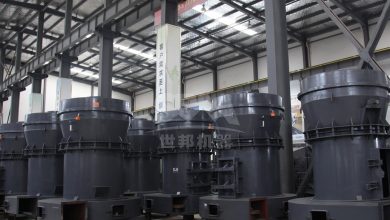
When the application demands a very fine and uniform particle size—for instance, in the production of high-quality graphitized electrode paste—the SCM Series Ultrafine Mill stands out as the premier solution. This mill is specifically engineered for superfine grinding with an output fineness ranging from 325 mesh to 2500 mesh (45-5 μm). The core working principle involves a main motor driving three layers of grinding rings to rotate at high speed. Anode scraps, fed in at a size ≤20mm, are dispersed into the grinding path by centrifugal force. They are then crushed and ground layer by layer between the rollers and rings. The unique shaftless screw grinding chamber ensures stable operation and prevents material clogging. The product is then classified by a vertical turbine classifier, which provides precise particle size cutting and absolutely no coarse powder mixing. This guarantees that every batch of electrode paste has a consistent and repeatable particle size distribution, directly improving the sintering and electrical performance of the electrode in the furnace. For a typical anode scrap grinding operation, an SCM1250 model, with a capacity of 2.5-14 t/h and a main power of 185kW, offers an ideal balance between throughput and energy consumption. Its advanced intelligent control system with automatic finished product granularity feedback allows operators to adjust fineness on-the-fly without stopping the machine.
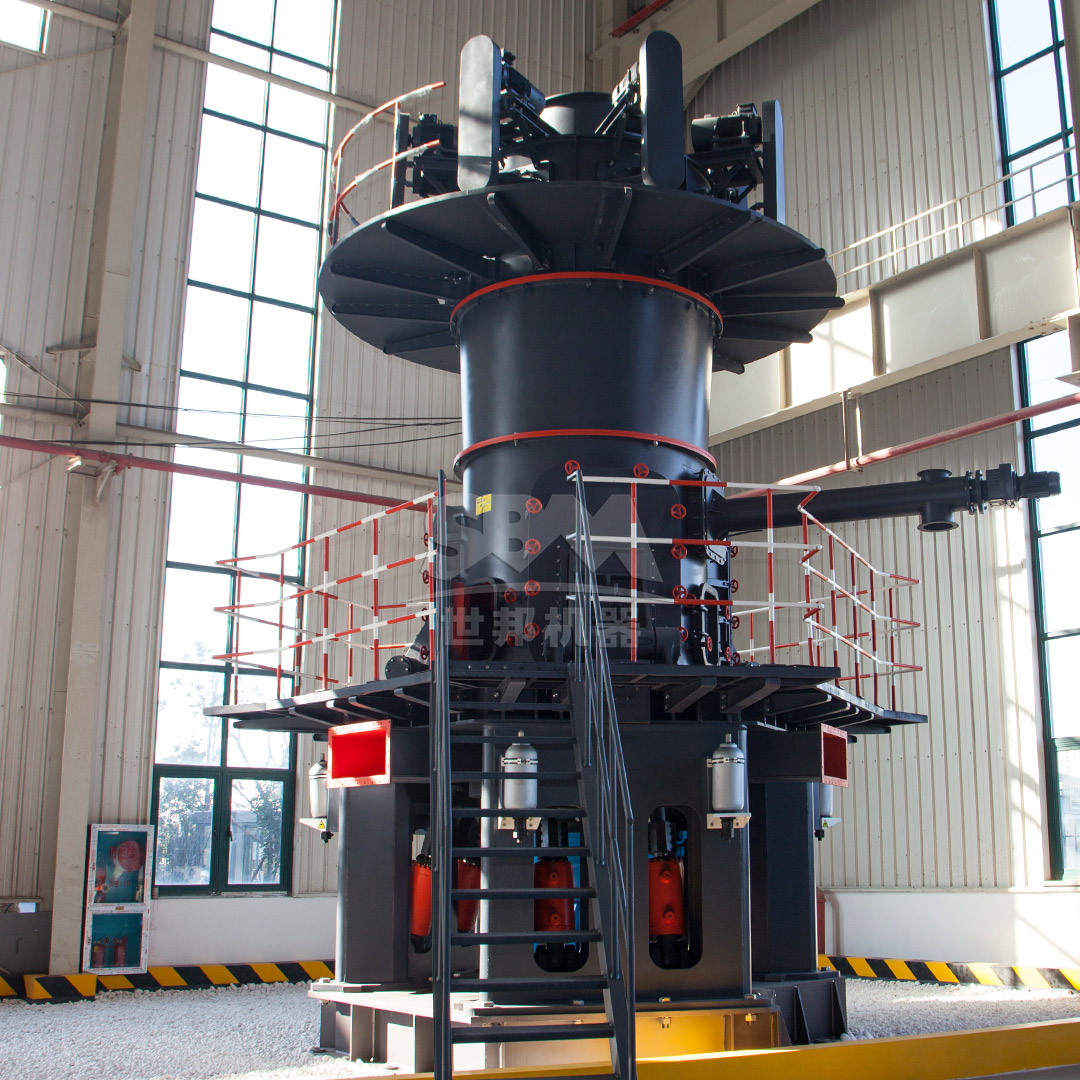
In-Depth Analysis: LM Series Vertical Roller Mill for High-Throughput Operations
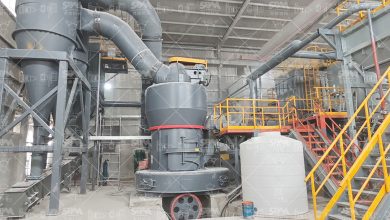
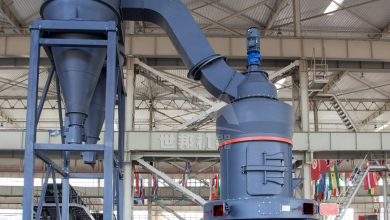
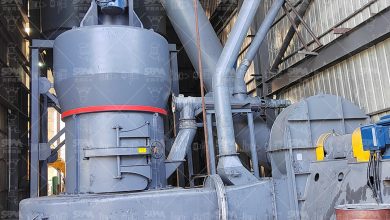
For larger scale operations where throughput is the primary concern, the LM Series Vertical Roller Mill is the superior choice. This mill is designed to handle feed sizes up to 50mm and produce a fineness of 30-325 mesh (600-45 μm) with capacities ranging from 3 to 250 ton/h depending on the model. The LM Series is an integrated system that combines crushing, grinding, and classification in one unit, reducing floor space by up to 50%. In an anode scrap grinding application, the material enters the central feed port and is spread evenly on the grinding table by centrifugal force. The grinding rollers apply hydraulic pressure to crush the material layer. Hot air or ambient air carries the fine particles to the dynamic classifier, where oversized particles are rejected and returned to the table for re-grinding. One of the key advantages of the LM Series is its extremely low operating cost. Because the rollers and table do not come into direct contact (non-contact design), wear part life is extended by three times compared to ball mills. Energy consumption is 30-40% lower than traditional systems. For a medium-to-large electrode paste plant, an LM190K model, with a table diameter of 1900mm, capacity up to 68 t/h, and a fineness range matching the 170-40 μm requirement, is an excellent fit. The fully sealed, negative pressure operation ensures a clean, environmentally compliant workplace with dust emissions below 30mg/m³.
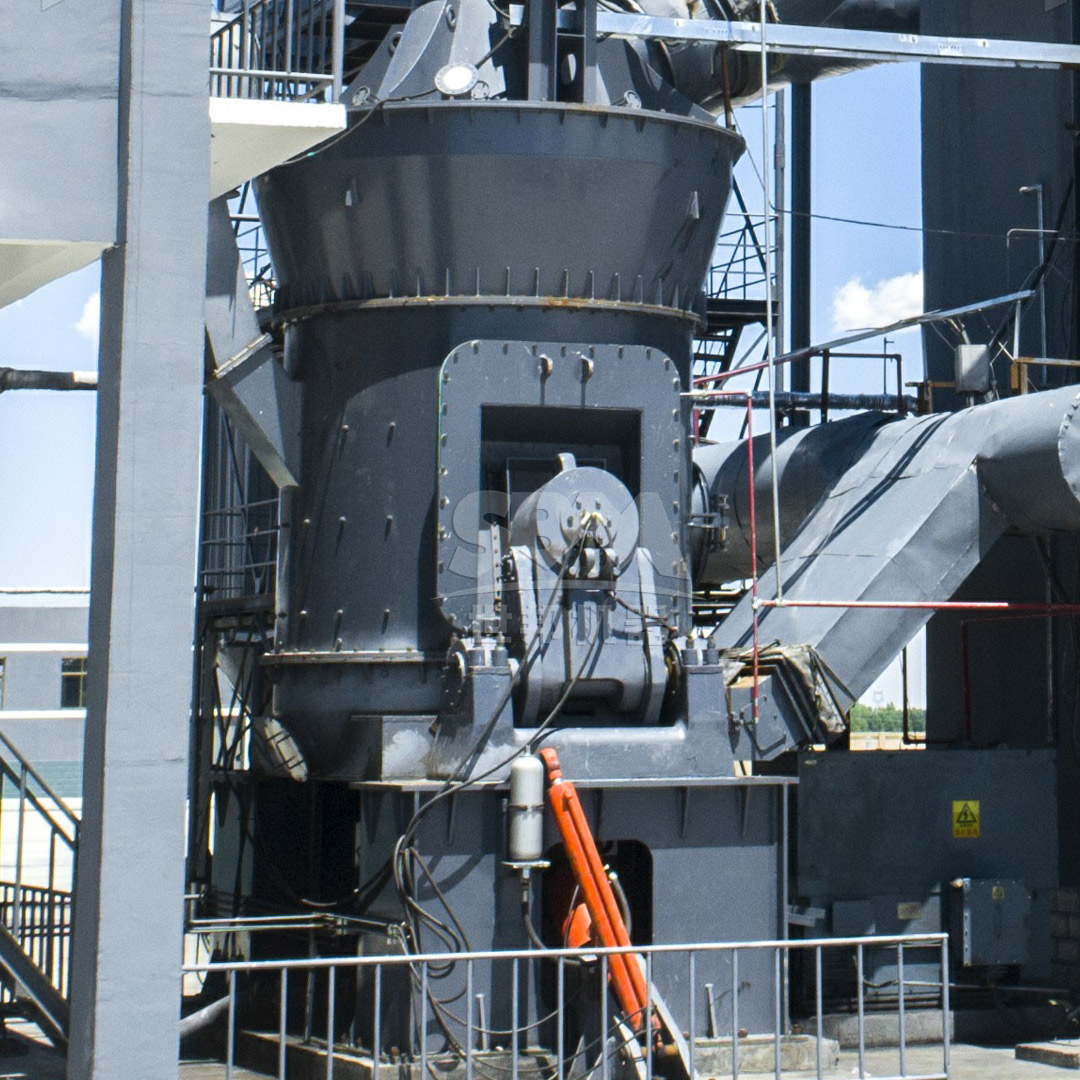
Comparison Table: SCM vs. LM for Anode Scrap
| Feature | SCM Series Ultrafine Mill | LM Series Vertical Roller Mill |
|---|---|---|
| Best Use Case | Ultra-fine paste (<45μm) | Standard paste (45-150μm) / High capacity |
| Max Feed Size | ≤20mm | ≤50mm |
| Fineness Range | 325-2500 mesh (45-5μm) | 30-325 mesh (600-45μm) |
| Capacity Range | 0.5 – 25 t/h | 3 – 250 t/h |
| Energy Saving | 30% less than jet mills | 30-40% less than ball mills |
| Wear Life | Extended by special materials | Extended by 3x vs. ball mills |
| Ideal Model for Anode | SCM1250 (2.5-14 t/h) | LM190K (23-68 t/h) |
Working Principle Comparison: How Each Mill Processes Anode Scraps
Understanding the mechanical action is crucial for process engineers. In the SCM Ultrafine Mill, the grinding action is primarily centrifugal force applied by rotating rings. The material is continuously subjected to high-pressure layer-by-layer grinding. The classification is done vertically by a high-speed turbine classifier, which is exceptionally effective at sharp cut points. This makes the SCM ideal for producing the finest electrode paste where the particle size must be tightly controlled below 150 micrometers. In contrast, the LM Vertical Roller Mill uses a hydraulic cylinder to apply pressure to the grinding rollers against a rotating table. This action is more aggressive and suitable for larger, harder feed materials. The airflow in the LM mill serves a dual purpose: it transports the fine material to the classifier and also helps dry the material if moisture is present. The classifier in the LM series is a dynamic classifier with multi-stage adjustment, allowing for a wide range of fineness from 30 to 325 mesh. Which machine is better depends on the final paste specification. If the client requires 200 mesh (74 micron) paste at a high tonnage, the LM series is unmatched. If they require 800 mesh (15 micron) paste for specialized electrodes, the SCM series is the only viable option.
Key Technical Advantages for Electrode Paste Production
Both the SCM and LM series offer specific advantages tailored to the carbon industry. For the SCM Series, the high-precision vertical turbine classifier is the standout feature. It ensures that no coarse particles escape into the final product, which is essential because even a small percentage of oversized particles in electrode paste can cause segregation during pouring and lead to cracking in the baked electrode. Additionally, the durable design featuring special material rollers and rings extends the service life of the mill by several times, reducing maintenance downtime in continuous 24/7 operations. For the LM Series, the integrated design means that a single mill replaces a crusher, a ball mill, and a classifier system. This not only reduces capital expenditure but also simplifies the process flow. The intelligent control system in the LM series, which includes expert-level auto-control and remote monitoring, allows for consistent product quality with minimal manual intervention. Both mills feature eco-friendly designs. The SCM uses a pulse dust collection system that exceeds international standards, while the LM operates under fully sealed negative pressure to ensure dust emissions below 30mg/m³ and noise levels below 85 dB(A).
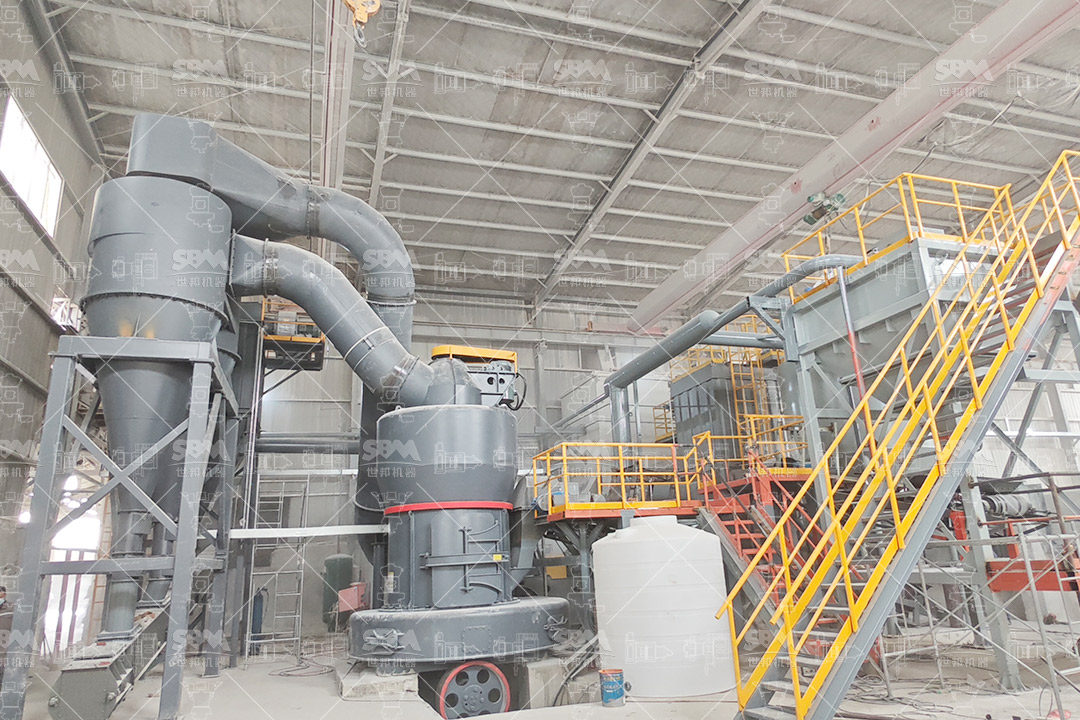
Why Our Products Are the Market Leader for This Application
At Shanghai Clirik Machinery, we have supplied grinding equipment to numerous carbon plants across China, India, and Southeast Asia specifically for anode scrap reprocessing. Our machines are designed with the specific wear patterns of carbon materials in mind. For example, the grinding rollers in our SCM series are made of a special high-chromium alloy that resists the abrasion of petroleum coke particles. Our LM series features a modular grinding roller assembly with a quick-change system that allows for roller replacement in a matter of hours, not days. The technical support team at Clirik can help you configure the ideal system—including conveying, feeding, classifying, and dust collection—tailored to your specific anode scrap composition and desired paste quality. We provide guaranteed throughput and fineness based on lab testing of your material samples. Furthermore, our mills utilize internationally advanced pulse dust removal technology, ensuring your plant meets stringent environmental regulations. Whether you are building a new electrode paste plant or upgrading an existing line, our team can provide a turnkey solution.
Product Recommendation: The Ideal Mill for Your Process
For the typical electrode paste manufacturer looking to grind anode scraps to a standard 100-200 mesh finish, we strongly recommend the LM Series Vertical Roller Mill. Its combination of high capacity, low energy consumption, and integrated classification makes it the most cost-effective solution for annual production volumes exceeding 50,000 tons. For example, the LM190K model provides a solid 23-68 t/h capacity, easily handling the pre-crushed anode scraps. For specialized manufacturers who need a superior, ultra-fine paste for high-end aerospace or nuclear-grade electrodes, the SCM1250 Ultrafine Mill is the perfect tool. It can deliver an exceptionally fine and consistent particle size (d97 < 10 microns) that improves the density and conductivity of the finished electrode. Both mills are backed by our global service network and comprehensive warranty. To get a custom mill selection based on your specific raw material analysis and production targets, please contact our engineering team for a free consultation.
Conclusion: Selecting the Right Mill is Critical for Electrode Quality
In summary, grinding anode scraps into electrode paste is a demanding application that requires a mill with precision, durability, and efficiency. While various technologies exist, the vertical roller mill (LM Series) and the ultrafine grinding mill (SCM Series) from Clirik represent the gold standard in the industry. The LM series offers unrivalled throughput and economy for standard paste grades, while the SCM series provides the ultimate in fineness for high-tech applications. By selecting the correct equipment, operators can ensure a consistent electrode paste quality, lower energy bills, reduced maintenance headaches, and compliance with modern environmental standards. Investing in the right mill is not just a capital expense; it is a strategic decision that directly improves the performance and profitability of your smelting operation. We invite you to explore the detailed specifications of our SCM and LM series to see which aligns best with your production roadmap.