Illite Mineral Powder Dry Ultra-Fine Grinding Mill Production Process
Introduction to Illite Mineral Processing
Illite, a non-expanding clay mineral belonging to the mica group, is widely used in ceramics, cosmetics, paints, and drilling fluids due to its excellent chemical stability, high aspect ratio, and fine particle morphology. To unlock its full industrial value, dry ultra-fine grinding has become the preferred production method, delivering consistent fineness, high purity, and low moisture content. This article provides a comprehensive technical overview of the dry ultra-fine grinding mill production process for illite powder, highlighting the equipment, working principles, and process optimization strategies employed in modern mineral processing plants.
Raw Material Preparation and Pre-Crushing
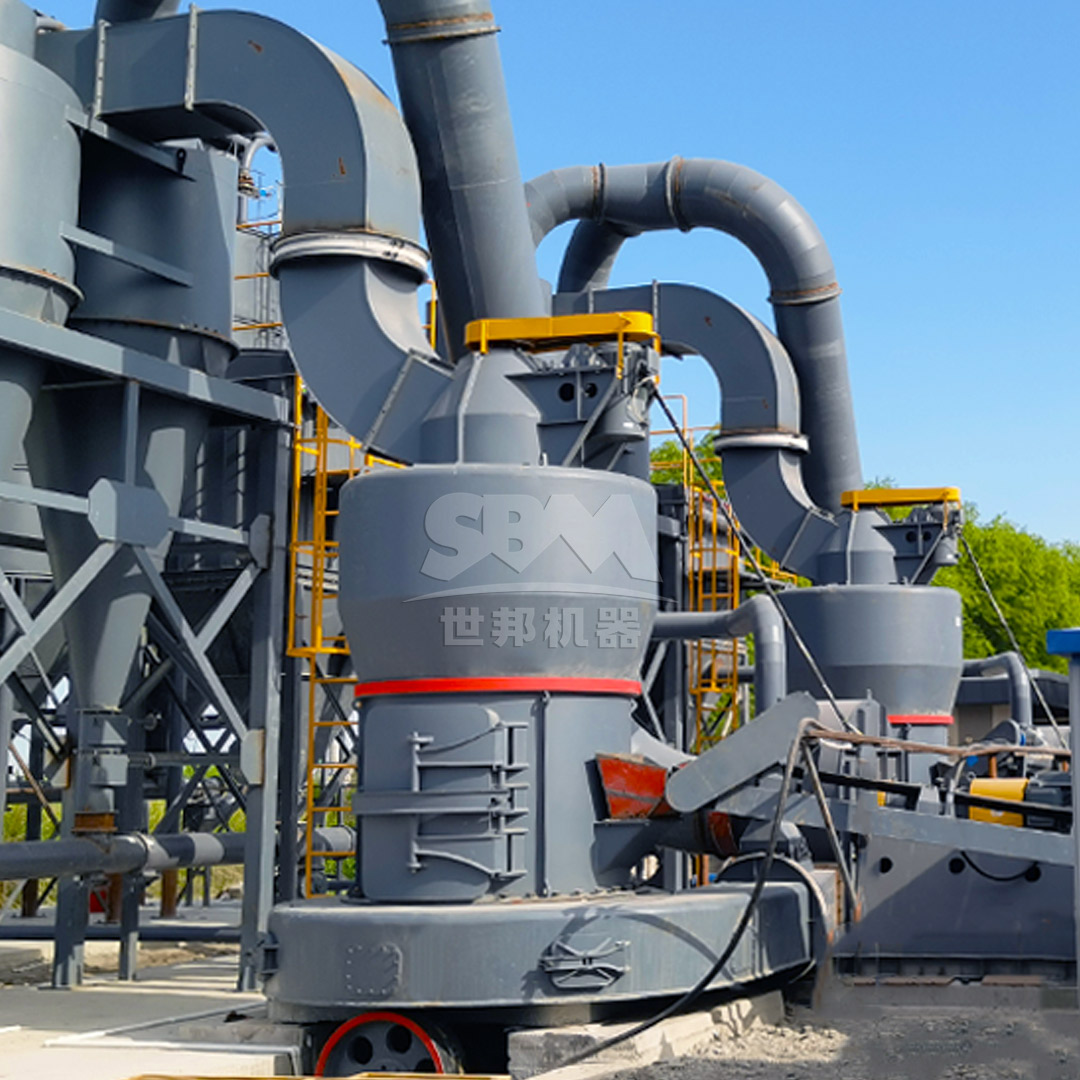
The production process begins with the selection of high-grade illite ore. Raw illite typically contains moisture levels of 5-15% and may include impurities such as quartz, feldspar, or calcite. After quarrying, the ore undergoes primary crushing using a jaw crusher or hammer crusher to reduce the particle size to below 20-30 mm. For our production line, we recommend the Hammer Mill PC4012-90, which offers a capacity of 15-40 t/h and reduces feed material to 0-3 mm in a single pass. This pre-crushing step ensures consistent feed size, maximizing the efficiency of subsequent ultra-fine grinding equipment.
Drying and Dehydration
Illite often contains bound and free moisture that must be reduced to below 1-2% before ultra-fine grinding. Drying is typically achieved using a rotary drum dryer or a vertical hot air system integrated with the grinding mill. In many modern plants, the grinding mill itself incorporates hot air for simultaneous drying and grinding, eliminating the need for a separate dryer. This approach saves energy and floor space, making it ideal for large-scale illite processing.
Ultra-Fine Grinding: Core of the Process
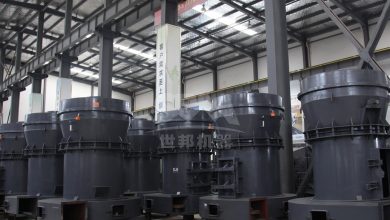
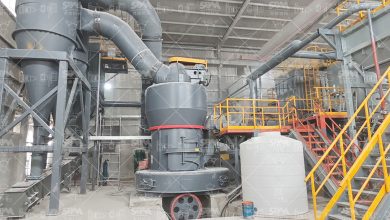
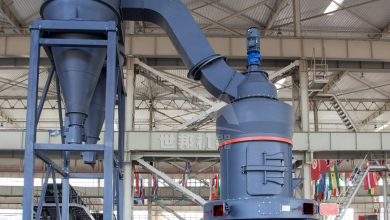
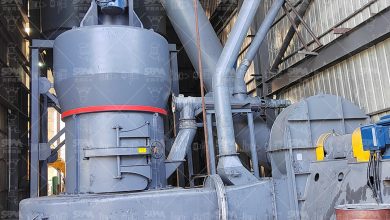
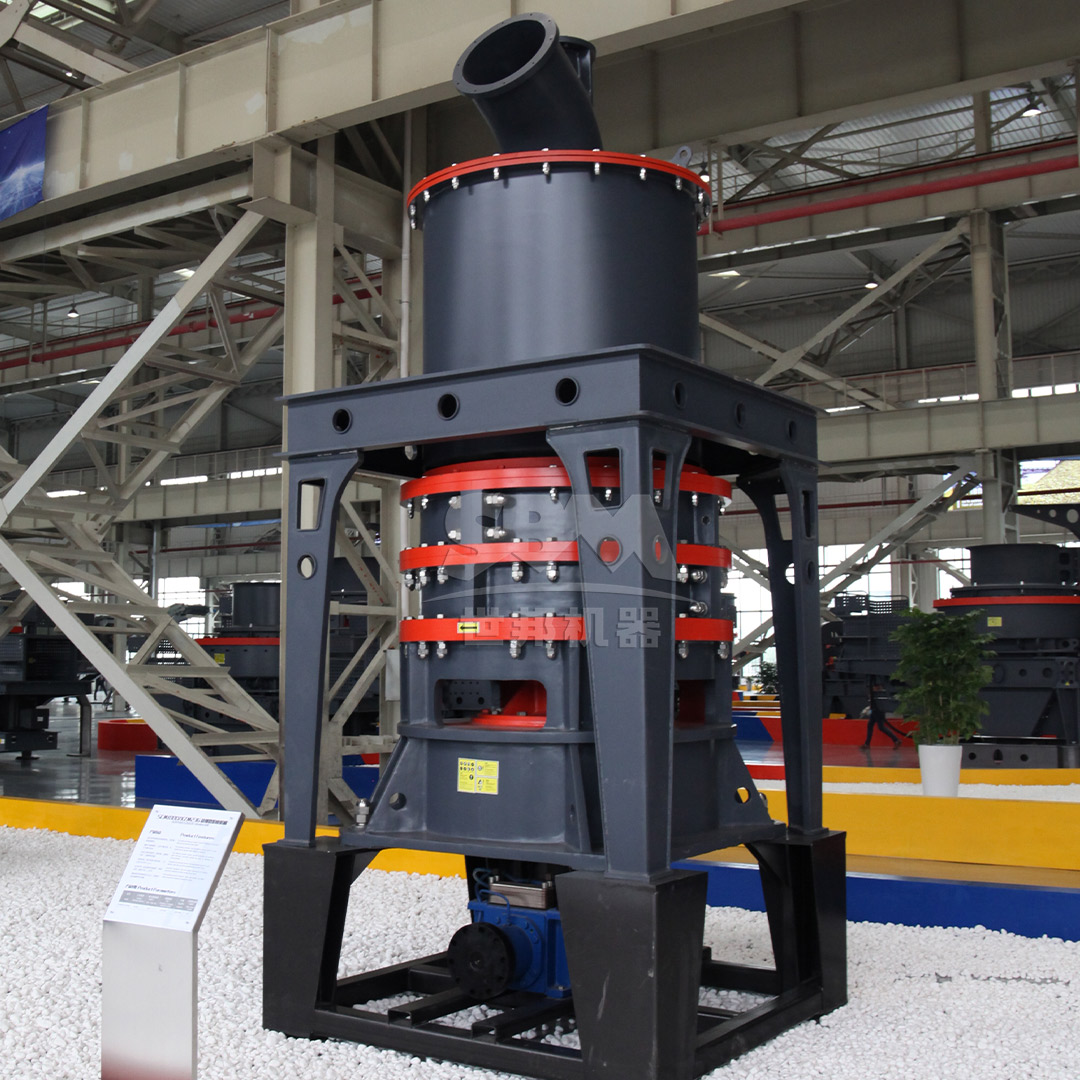
The heart of any illite powder production line is the ultra-fine grinding mill. For illite, the target fineness often ranges from 325 mesh (45 μm) to 2500 mesh (5 μm), depending on the application. Among the various mill types, the SCM Series Ultrafine Mill stands out as the most efficient solution. With an input size of ≤20 mm and capacity up to 25 t/h, this mill achieves a product fineness adjustable between 325 and 2500 mesh. Its vertical turbine classifier ensures precise particle size cutting without coarse powder mixing, guaranteeing uniform finished products suitable for high-end applications like cosmetics and electronics.
Working Principle of SCM Ultrafine Mill
The main motor drives three layers of grinding rings to rotate at high speed. Material enters the grinding chamber and is dispersed by centrifugal force onto the grinding path. Rollers exert pressure to crush the material layer by layer. The fine powder is then carried by airflow to the classifier, where oversized particles are returned for further grinding. The pulse dust removal system captures the final product, ensuring emissions meet international standards. Intelligent control systems automatically adjust parameters based on real-time fineness feedback, reducing operator intervention.
Classification and Collection System
After grinding, the powder-air mixture enters the classification system. For illite, a dynamic classifier or a vertical turbine classifier is used to achieve the desired cut point. The SCM mill’s classifier provides high-precision separation, ensuring that 97% of the product falls within the target size range. The classified fine powder is collected by a cyclone collector and a pulse jet bag filter, achieving collection efficiency exceeding 99.9%. The clean air is then released to the atmosphere or recirculated to conserve energy.
Product Handling and Packaging
The collected illite powder is conveyed to a storage silo or directly to a packaging system. For ultra-fine powders, care must be taken to avoid agglomeration and moisture reabsorption. Automatic packaging machines fill the powder into bags, big bags, or bulk tankers, depending on customer requirements. A typical illite powder production line can produce 5-25 tons per hour, with the SCM1680 model handling the highest capacities.
Recommended Equipment for Illite Ultra-Fine Grinding
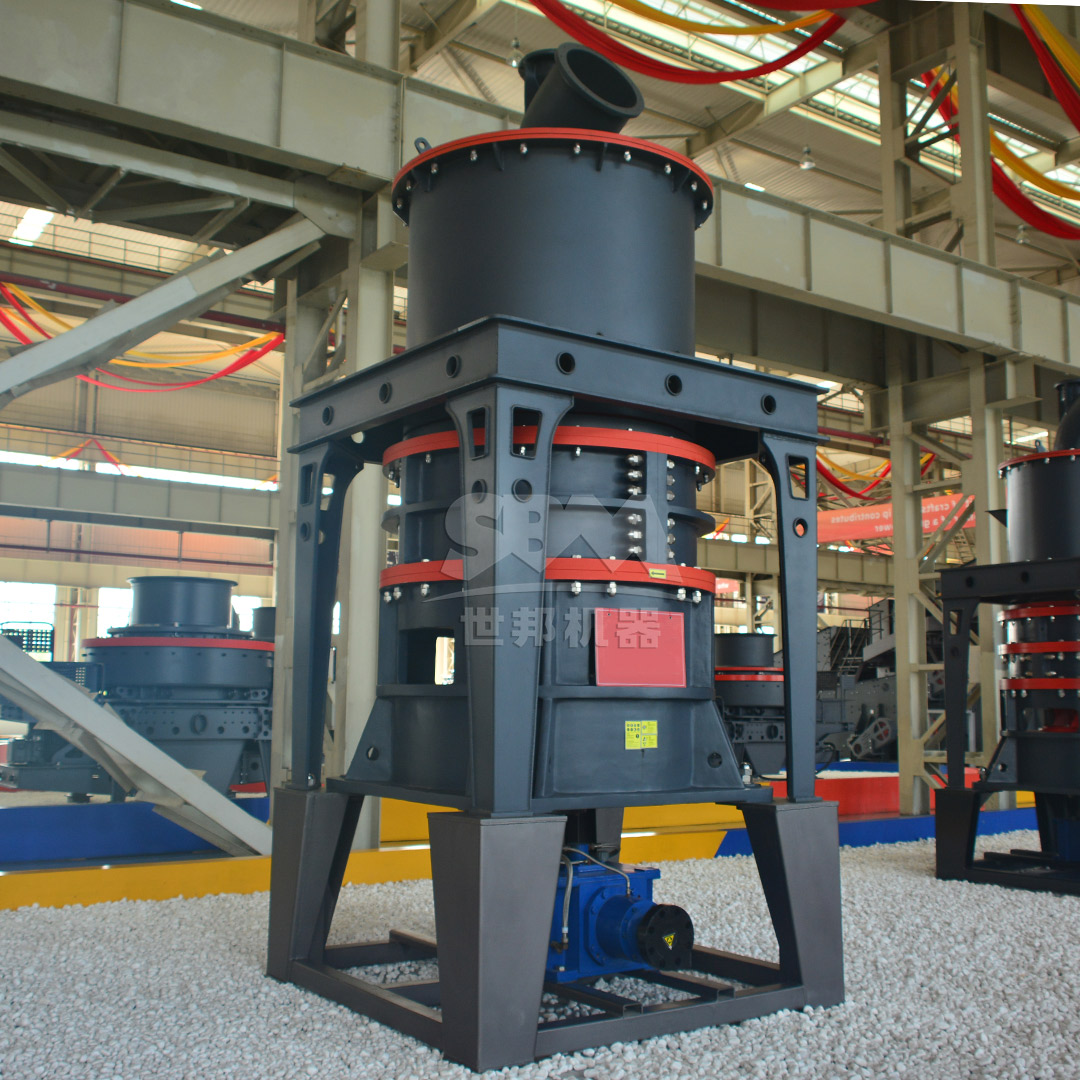
Based on our extensive experience in mineral processing, we highly recommend the SCM1250 Ultrafine Mill for medium-scale operations (2.5-14 t/h) and the SCM1680 Ultrafine Mill for large-scale production (5-25 t/h). Both models offer exceptional energy efficiency, consuming 30% less power than jet mills while delivering twice the capacity. The special material rollers and rings extend service life several times over, reducing maintenance downtime. Additionally, the soundproof room design keeps noise levels to a minimum, ensuring a comfortable working environment.
Process Optimization and Quality Control
Modern illite grinding lines are equipped with advanced control systems that monitor key parameters such as mill current, classifier speed, airflow rate, and product fineness. Online particle size analyzers provide real-time data, allowing automatic adjustments to maintain consistent quality. The SCM series supports intelligent control with automatic finished product granularity feedback, ensuring that the final powder meets the strictest specifications. Regular sampling and laboratory analysis verify the product’s whiteness, particle size distribution, and chemical composition.
Environmental and Safety Considerations
Dry grinding of illite generates fine dust, making dust control a top priority. The SCM mill’s pulse dust collection system exceeds international emission standards, capturing particles down to 0.1 μm. The entire system operates under negative pressure, preventing dust leakage. Fire and explosion protection measures, including pressure relief vents and inert gas systems, are incorporated for safety. Operators are trained to follow strict protocols, and the mill’s low-noise design contributes to a safer workplace.
Conclusion
The dry ultra-fine grinding production process for illite mineral powder has evolved into a highly efficient, environmentally friendly, and intelligent operation. By selecting the right equipment, such as the SCM Series Ultrafine Mill, processors can achieve superior product quality with lower operating costs. From pre-crushing to final packaging, every stage is optimized for maximum throughput and minimal waste. As the demand for high-performance illite powder grows in industries like ceramics, paints, and personal care, investing in advanced grinding technology ensures a competitive edge in the global market.