Top 5 Best Mills for Bentonite Powder: Why Vertical Roller Mill Wins
Introduction: The Growing Demand for High-Quality Bentonite Powder
Bentonite, a versatile clay mineral primarily composed of montmorillonite, plays a critical role across numerous industries. From drilling fluids in oil and gas exploration to foundry sand binders, iron ore pelletizing, and even cosmetic and pharmaceutical applications, the demand for finely ground bentonite powder with precise particle size distribution continues to surge. The physical and chemical properties of bentonite—such as its swelling capacity, water absorption, and cation exchange capacity—are significantly influenced by its particle fineness and uniformity. Consequently, selecting the right milling equipment is not merely a matter of processing efficiency; it is a fundamental determinant of product quality, operational cost-effectiveness, and overall project profitability.
With a myriad of milling technologies available, ranging from ball mills and Raymond mills to jet mills and ultrafine vertical roller mills, making an informed choice requires a deep understanding of each system’s strengths and limitations. This article provides a professional analysis of the top five milling solutions for bentonite powder, meticulously comparing them based on efficiency, energy consumption, product fineness, and operational reliability. After a thorough examination, we will conclude why the Vertical Roller Mill (VRM), particularly our LM Series, emerges as the superior choice for modern bentonite processing operations.
Evaluating the Top 5 Milling Technologies for Bentonite
To provide a comprehensive overview, we have evaluated five distinct mill types commonly employed in bentonite processing. Each system operates on a different principle and offers unique advantages, yet their suitability varies greatly depending on the target fineness and production scale.
1. Ball Mill: The Traditional Workhorse
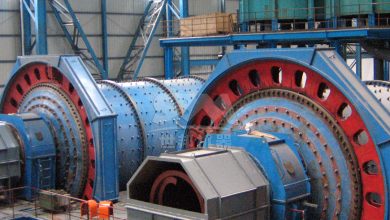
The ball mill has been a staple in mineral processing for over a century. It operates on the principle of impact and attrition, using heavy steel balls to crush and grind the material inside a rotating cylinder. For bentonite, ball mills can achieve a fineness of up to 0.074mm (200 mesh) and are known for their high capacity and rugged reliability.
Advantages: Mature technology, high throughput capability (up to 450 t/h), and excellent durability for continuous operation. They are suitable for both dry and wet grinding applications.
Disadvantages: The most significant drawback is notoriously high energy consumption. The grinding process is inefficient, with much of the energy lost as heat and noise. Additionally, ball mills have a broader particle size distribution and often require a separate classifier to achieve the tight specifications demanded for premium bentonite products. Their operating costs related to steel ball and liner replacement are also substantial.
2. Raymond Mill (Trapezium Mill): The Classic Pendulum
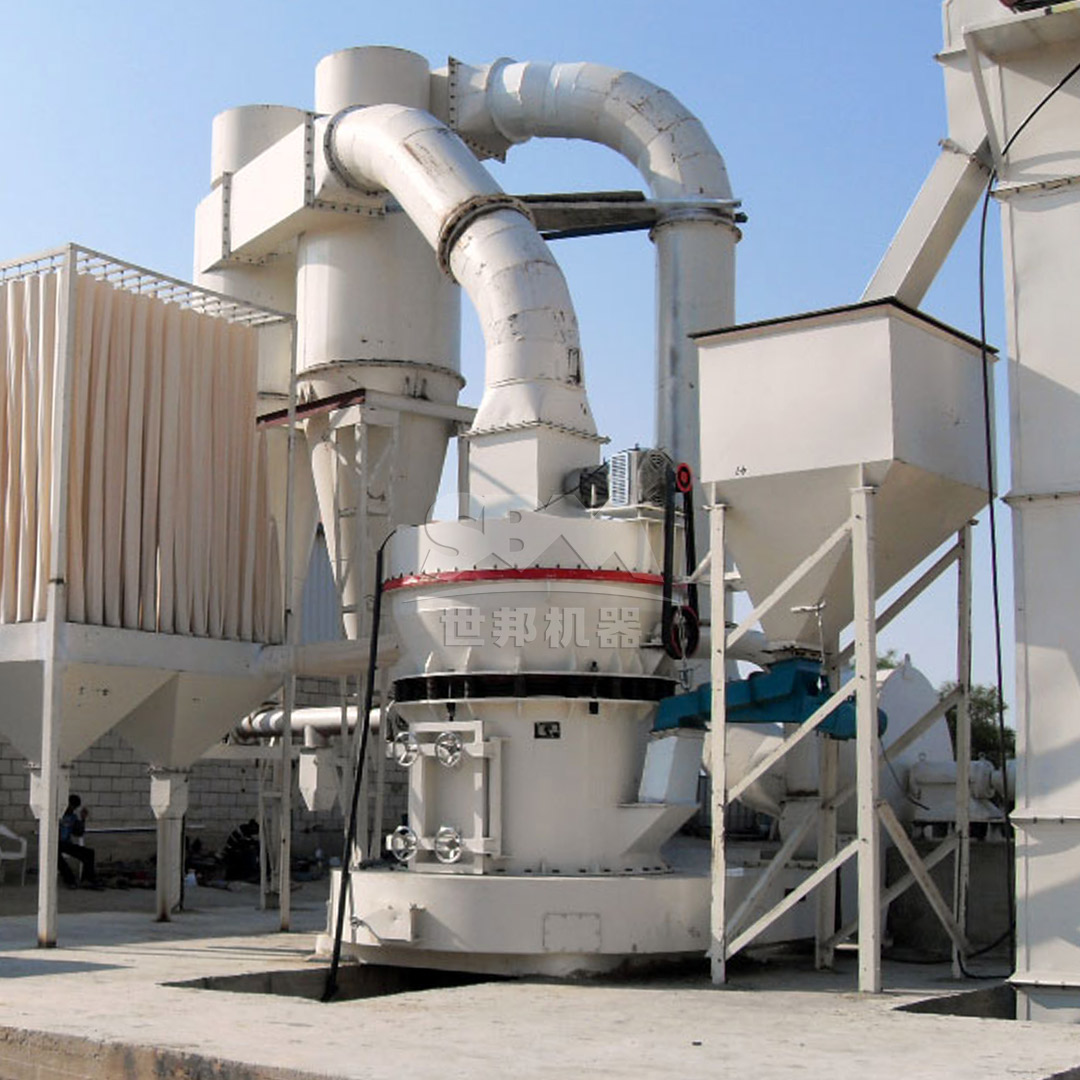
Raymond mills, including our MTW European Trapezium Mill and MRN Pendulum Mill, have long been favored for medium-fine grinding. These mills use a suspended roller assembly that swings outward under centrifugal force to press against a stationary grinding ring. The raw material is shoveled into the gap and crushed via extrusion and grinding.
Advantages: These mills are more energy-efficient than ball mills for products in the 30-325 mesh range. They feature a smaller footprint and lower capital investment. Our MTW series, for example, incorporates integral bevel gear drives with up to 98% transmission efficiency and anti-wear shovel designs to reduce maintenance.
Disadvantages: Compared to vertical roller mills, the grinding efficiency is lower, and the wear part consumption is relatively higher. While capable of reaching 325 mesh, they often struggle to produce ultra-fine powders below 45μm efficiently without significant energy penalties and reduced capacity.
3. Jet Mill: The Ultimate Fine Grinder
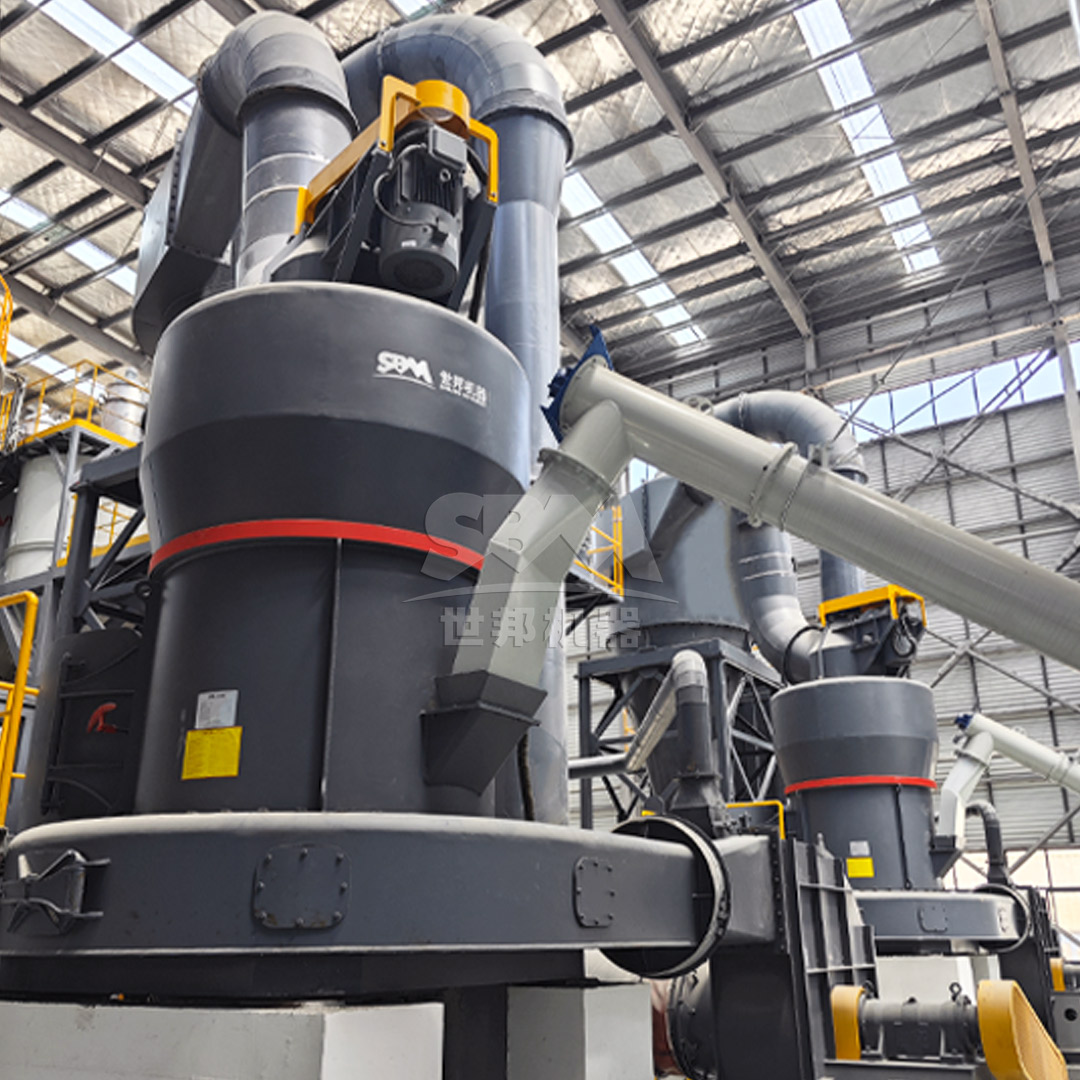
Jet mills, or fluid energy mills, use high-velocity compressed air or superheated steam to accelerate particles, causing them to collide and break apart. There are no moving parts in the grinding zone, which inherently eliminates contamination from wear.
Advantages: Unparalleled ability to produce very fine particles (down to 5μm or less) with a sharp particle size distribution. They are ideal for high-value, specialized bentonite products in the cosmetic or pharmaceutical sectors.
Disadvantages: The operational cost is extremely high due to the enormous energy required to compress the gas. This technology is rarely used for bulk industrial minerals like drilling-grade bentonite due to the prohibitive cost per ton. The capacity of jet mills is also significantly lower than mechanical mills.
4. SCM Series Ultrafine Mill: Bridging the Gap
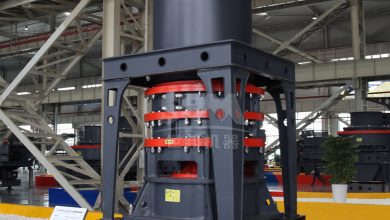
For applications requiring fine powder between 325 and 2500 mesh (45-5μm), the SCM Series Ultrafine Mill is a specialized solution. This mill utilizes a three-layer grinding ring design where material is dispersed and crushed layer by layer by roller pressure, followed by classification via a high-precision vertical turbine.
Advantages: Offers a cost-effective alternative to jet mills for ultra-fine grinding. Its capacity is twice that of a jet mill with 30% lower energy consumption. The high-precision classifier guarantees no coarse powder mixing, which is critical for high-end applications.
Disadvantages: While efficient, it may not match the sheer throughput of a large Vertical Roller Mill for standard 200-mesh drilling-grade bentonite. It is best suited for specialized niche products requiring extreme fineness.
5. LM Series Vertical Roller Mill: The Modern Champion
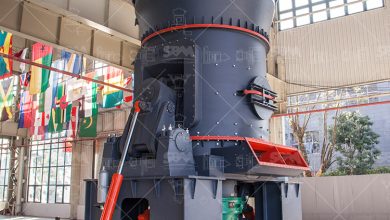
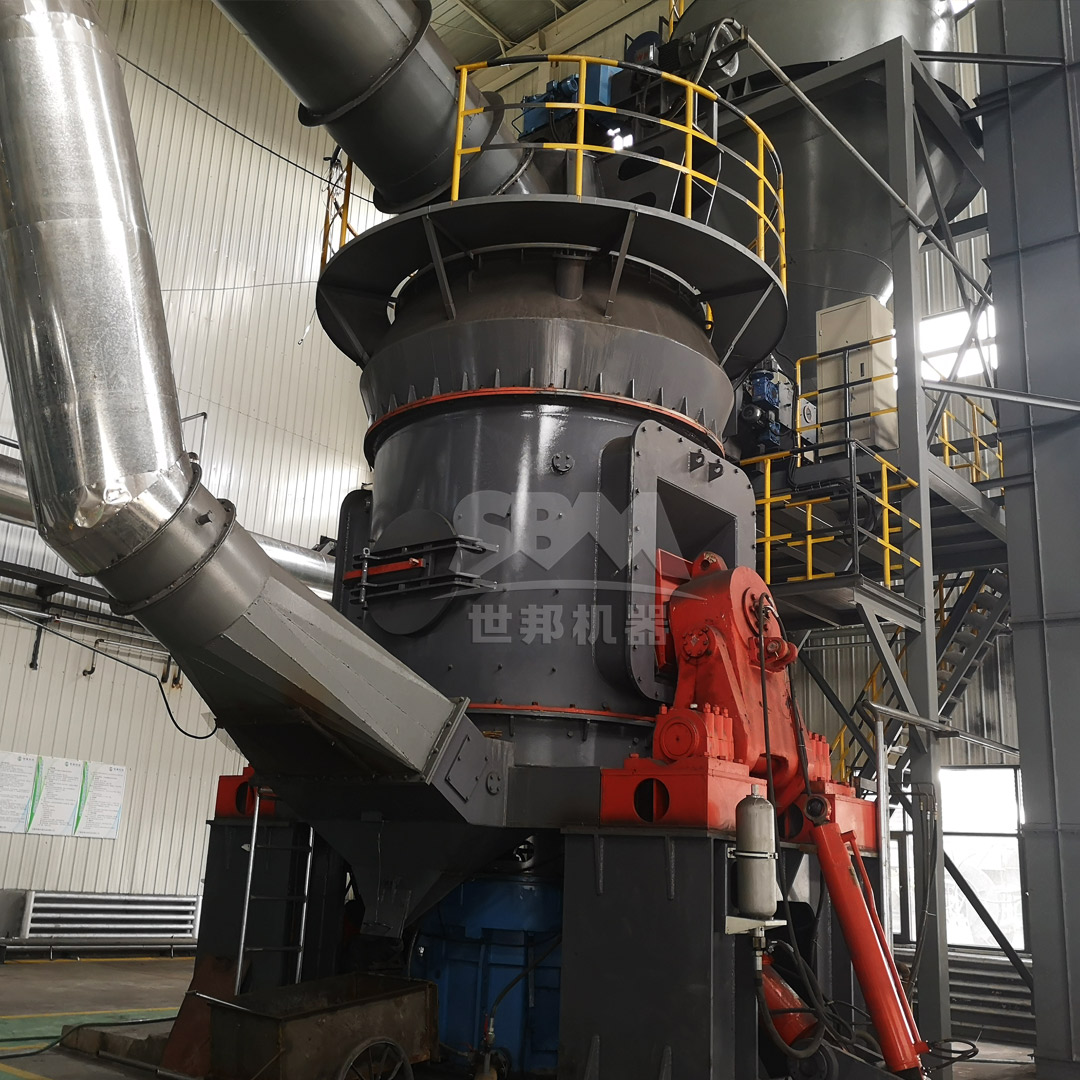
The Vertical Roller Mill (VRM) operates on a completely different principle called ‘bed grinding’. A rotating grinding table crushes the material under the hydro-pneumatic pressure of conical rollers. The material remains on the table for a shorter time compared to a ball mill, allowing for immediate removal of fine particles by an integrated air classifier. Our LM Series Vertical Roller Mill embodies the pinnacle of this technology.
Advantages: The VRM is synonymous with energy efficiency, consuming 30-40% less power than a ball mill system for the same capacity. Its integrated design combines grinding, drying, and classification in a single unit, which reduces the floor space requirement by 50% and infrastructure costs by 40%. The non-contact design between the rollers and table extends wear part life by three times compared to other mills. Furthermore, the fully sealed negative-pressure operation ensures a clean, quiet, and environmentally compliant working environment.
Deep Dive: Why the LM Vertical Roller Mill Wins for Bentonite
While all five mill types have their place in mineral processing, the LM Series Vertical Roller Mill offers a combination of benefits that are uniquely aligned with the priorities of modern bentonite producers. The key differentiators are not just about grinding; they are about the entire business model of the processing plant.
Unmatched Energy Efficiency and Lower Operating Costs
The most compelling argument for the VRM is its economic efficiency. Bentonite grinding is energy-intensive. The VRM’s bed-grinding principle minimizes friction and impact loss, directly translating to a 30-40% reduction in energy consumption compared to ball mill systems. This reduction slashes operational expenditure (OPEX) immediately. Furthermore, the lack of metal-on-metal contact between the grinding rollers and table liners means that wear parts last three times longer, dramatically reducing downtime and maintenance expenses.
Superior Process Control and Product Quality
The LM Series is equipped with an expert-level intelligent control system. Real-time monitoring of parameters guarantees a stable and uniform product fineness. The dynamic classifier allows for multi-stage adjustment, ensuring the precise particle size distribution required for specific applications—whether it is 200 mesh for drilling mud or a finer 325 mesh for foundry applications. This precision is difficult to achieve consistently with Raymond mills or traditional ball mills.
Integrated Drying and Grinding Capability
Natural bentonite often contains moisture levels of 10-15%. The LM Vertical Roller Mill can utilize hot air directed into the grinding chamber to dry the material while it is being ground. This ‘in-situ’ drying capability eliminates the need for a separate rotary dryer, simplifying the process flow diagram, saving capital expenditure (CAPEX) on additional equipment, and saving valuable plant space. This is a decisive advantage over technologies like jet mills or SCM mills that require pre-dried feedstock.
Environmental Compliance and Footprint
Modern industrial regulations demand strict environmental controls. The LM Series operates under fully sealed negative pressure, guaranteeing zero dust leakage. Its integrated pulse dust collection system ensures that emission levels far exceed international environmental standards. The compact footprint of a VRM allows for indoor installation, protecting the equipment from harsh weather and reducing the plant’s physical footprint. The soundproof design keeps operational noise to a minimum, making it a good neighbor in industrial parks.
Recommended Solutions from Zenith
Based on our extensive experience in the mineral processing industry, we recommend the following two products from our portfolio to unlock the full potential of your bentonite operation.
For Large-Scale, High-Capacity Production (100-250 TPH): LM280K / LM340Y
For large mining operations requiring massive throughput for drilling-grade bentonite, the LM280K Vertical Roller Mill is the ideal primary grinding solution. With a table diameter of 2800mm and a capacity range of 50-170 t/h, it demonstrates the pinnacle of large-scale efficiency. For operations focused on pre-grinding cement clinker or producing coarse bentonite aggregates, the LM340Y Pre-grinding VRM offers a staggering circulation capacity of up to 1000 t/h, ensuring your plant never becomes a bottleneck. The LM280K is engineered to deliver a consistent output with minimal energy draw, ensuring the lowest possible cost per ton.
For Medium-Capacity and Fine Fineness (13-70 TPH): LM170K
For mid-tier producers or those specializing in foundry-grade bentonite (typically requiring 200-325 mesh), the LM170K Vertical Roller Mill offers the perfect balance of power and precision. It boasts a capacity of 18-48 t/h with a fineness range of 170-40μm. Its robust design and intelligent control system make it a versatile asset, easily switching between different product specifications without significant downtime or product waste.
Conclusion: The Strategic Choice
In the competitive sphere of bentonite processing, the choice of grinding equipment is a strategic decision that impacts profitability, product quality, and sustainability. The Ball Mill is rugged and reliable but economically obsolete due to its energy appetite. The Raymond Mill is a viable option for coarse-to-medium work but lacks the efficiency and finesse of a VRM. The Jet Mill, while superior in fineness, is cost-prohibitive for bulk applications. The SCM Ultrafine Mill fills a niche but is not an all-rounder.
The LM Series Vertical Roller Mill unequivocally wins the title of ‘Best Mill for Bentonite Powder’ because it provides a holistic solution. It combines massive energy savings (30-40% less than ball mills), a 50% reduction in footprint, three times longer service life for wear parts, and superior environmental compliance. By choosing the LM Series, producers are not just buying a mill; they are investing in a high-efficiency, future-proof processing system that guarantees a faster return on investment and a competitive edge in the global market. We invite you to contact our engineers to discuss how the LM Series can be optimized for your specific bentonite specifications.