10 High-Grade Kaolin Processing Directions: From Calcined Kaolin to Nano-Materials for Maximized Market Value
1. Introduction: The Strategic Importance of High-Grade Kaolin Processing
Kaolin, a naturally occurring clay mineral primarily composed of kaolinite (Al₂Si₂O₅(OH)₄), has evolved from a traditional ceramic raw material into a high-tech mineral whose processed derivatives command premium prices in global markets. The transformation of crude kaolin into value-added products—ranging from calcined kaolin for paper coating to nano-materials for advanced composites—represents one of the most lucrative opportunities in the industrial minerals sector. For producers aiming to maximize market value, the selection of appropriate processing technologies is not merely an operational consideration but a strategic imperative that determines product quality, production economics, and market positioning.
The journey from raw kaolin to high-margin products involves multiple processing stages, each requiring specialized equipment tailored to specific particle size distributions, purity levels, and surface characteristics. This comprehensive guide explores ten critical processing directions, from conventional calcination routes to cutting-edge nano-material production, while highlighting the equipment solutions that make these transformations commercially viable.
2. Direction 1: Premium Calcined Kaolin for Paper and Paint Industries
Calcined kaolin, produced by heating refined kaolin to temperatures between 650°C and 1050°C, undergoes significant structural changes that enhance its brightness, opacity, and electrical insulating properties. This direction serves the paper coating industry where calcined kaolin acts as an extender for titanium dioxide, and the paint industry where it provides controlled gloss and excellent hiding power. The calcination process removes hydroxyl groups, transforms the crystal structure from kaolinite to metakaolin, and ultimately to mullite at higher temperatures, each phase offering distinct performance characteristics.
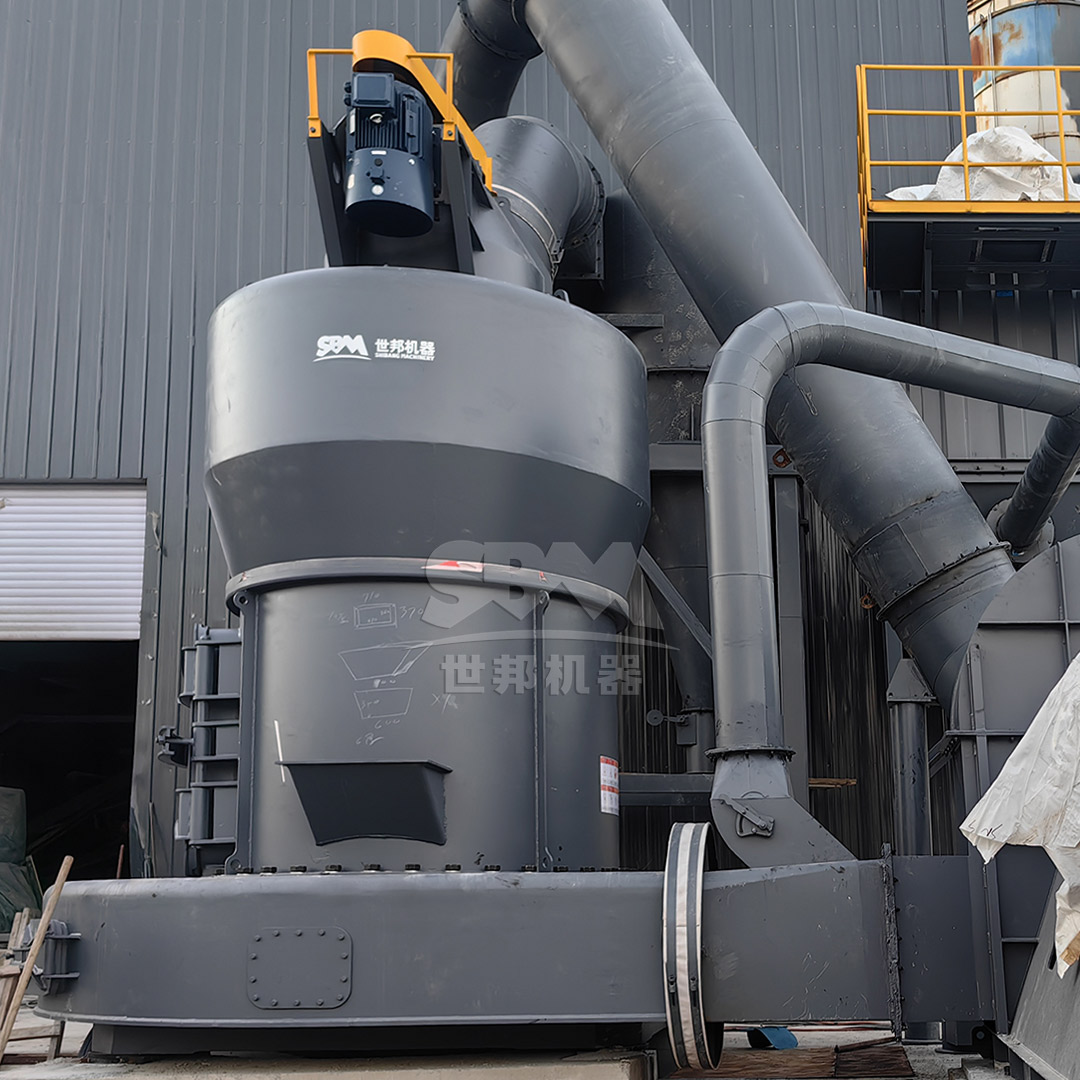
For optimal calcined kaolin production, particle size control between 45-125 μm is essential, requiring grinding equipment that delivers consistent fineness while maintaining high throughput. The MTW Series European Trapezium Mill from our company represents the industry benchmark for this application. With output fineness ranging from 30-325 mesh (600-45 μm) and capacities from 3-45 tons per hour, the MTW mill’s integral bevel gear drive achieves 98% transmission efficiency while its anti-wear shovel design significantly reduces maintenance costs. The optimized arc air duct minimizes airflow energy loss, and the wear-resistant volute structure reduces maintenance costs by 30%, making it the preferred choice for calcined kaolin producers seeking operational excellence.
3. Direction 2: Water-Washed Kaolin for Ceramics and Refractories
Water-washed kaolin, differentiated by its brightness, low iron content, and controlled particle size distribution, remains the backbone of the ceramics industry. The processing involves crushing, blunging, degritting, classifying, and filtering to remove impurities. The target particle size for ceramic applications typically ranges from 10-45 μm (325-1200 mesh), requiring equipment capable of producing ultra-fine powders without contamination.
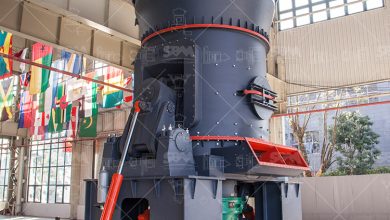
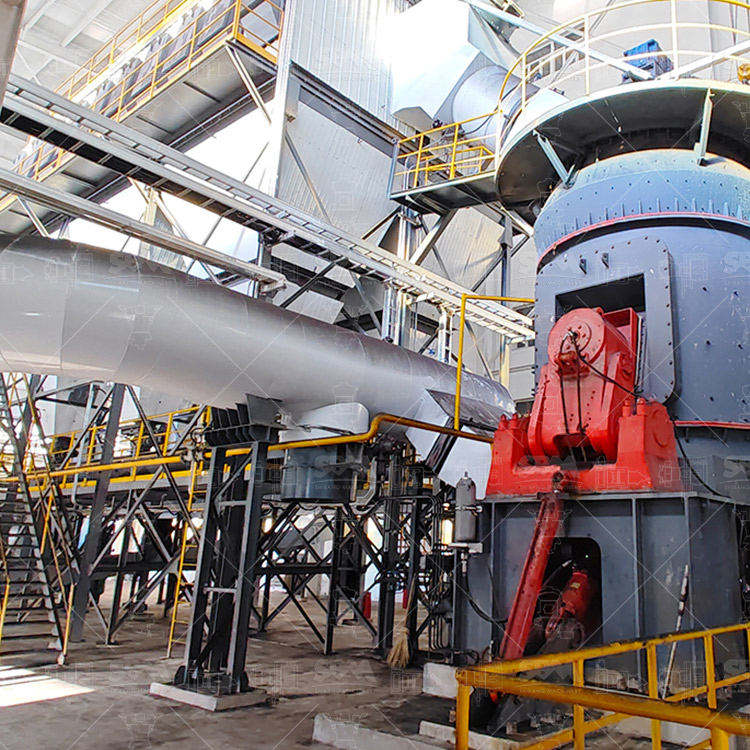
The LM Series Vertical Roller Mill excels in this processing direction, offering an integrated system that combines crushing, grinding, and classification in a single unit. This integrated design reduces floor space by 50% and infrastructure costs by 40%. The non-contact design between rollers and table extends wear part life by 3 times, while energy consumption is 30-40% lower than traditional ball mill systems. For specialty ceramic applications requiring fineness up to 600 mesh, the LM130X-GX to LM220X-GX fine-powder series with 3 rollers delivers exceptional results, producing 4-30 tons per hour with feed sizes up to 20mm.
4. Direction 3: Metakaolin for High-Performance Concrete
Metakaolin, produced by calcining kaolin at temperatures between 600-800°C, acts as a highly reactive pozzolan in concrete formulations, significantly enhancing compressive strength, reducing permeability, and improving durability. The market for metakaolin has witnessed substantial growth due to increasing infrastructure development and the demand for sustainable construction materials that reduce cement consumption.
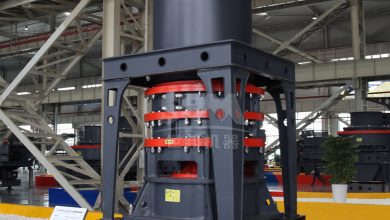
Producing metakaolin requires precise thermal treatment followed by grinding to fineness levels typically between 1.5-3.0 μm. This demanding application requires grinding equipment that can achieve d₉₀ values below 10 μm while maintaining high production rates. Our SCM Series Ultrafine Mill is specifically engineered for this demanding application. With output fineness ranging from 325-2500 mesh (45-5 μm) and capacity from 0.5-25 tons per hour, the SCM mill’s capacity is 2 times that of jet mills with 30% lower energy consumption. The vertical turbine classifier ensures precise particle size cutting without coarse powder mixing, delivering the ultra-fine, uniform metakaolin that high-performance concrete applications demand.
5. Direction 4: Surface-Modified Kaolin for Polymer Composites
Surface modification of kaolin particles with coupling agents—such as silanes, titanates, or fatty acids—transforms hydrophilic kaolin into hydrophobic fillers that disperse effectively in polymer matrices. This direction serves the plastics, rubber, and cable industries where kaolin enhances mechanical properties, improves dimensional stability, and provides electrical insulation. The modification process typically involves precise particle size control (2-10 μm) coupled with uniform surface treatment.
The combination of classification and grinding in a single system is essential for this application. Our MTM Series Medium-speed Trapezium Mill offers intelligent pressure regulation through its spring pressure system that automatically compensates for roller wear, extending roller and ring life by 30%. The innovative roller assembly with horizontal pull-rod connection protects main shaft bearings and handles large materials efficiently. With fineness ranging from 45-325 mesh and capacities of 3-22 tons per hour, the MTM mill provides the controlled particle size distribution necessary for consistent surface modification results.
6. Direction 5: Ultrafine Kaolin for Rubber and Sealant Applications
The rubber industry demands kaolin fillers with particle sizes below 2 μm to achieve reinforcement comparable to carbon black while providing superior aging resistance and electrical insulation. Similarly, sealant applications require ultrafine kaolin to control rheology and prevent sagging. These demanding applications require specialized grinding technologies capable of producing consistent sub-micron particles.
For this processing direction, our LUM Ultrafine Vertical Roller Mill offers unique roller and liner curves that optimize grinding efficiency, delivering output fineness from 325-2500 mesh with multi-rotor classification technology that ensures no coarse particle contamination. The PLC automation system provides intelligent control for stable running, while the negative pressure operation prevents dust leakage, ensuring a clean production environment. Available models range from the LUM1525 with 220-250kW power and 1.6-11.5 t/h capacity to the LUM1836 with 355-400kW power and 2.3-15 t/h capacity, all achieving product fineness from 5-30 μm.
7. Direction 6: Nano-Kaolin for Advanced Material Applications
The frontier of kaolin processing lies in the production of nano-sized particles, typically below 100 nanometers, which exhibit dramatically enhanced properties such as increased surface area, improved mechanical reinforcement, and unique optical characteristics. Nano-kaolin finds applications in advanced composites, drug delivery systems, high-performance coatings, and electronic materials. The production of nano-kaolin requires specialized wet-grinding or exfoliation processes that separate kaolinite layers into individual or few-layer nanoparticles.
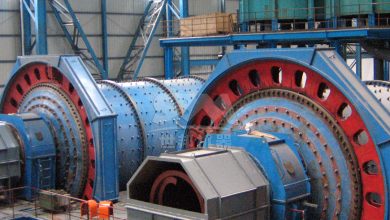
While nano-scale production typically requires wet media milling or chemical exfoliation methods, the pre-processing to achieve feed sizes suitable for these processes is critical. Our Ball Mill systems provide the essential first-stage grinding, achieving fineness from 0.074-0.8mm with a crushing ratio up to 300:1. Available in both dry and wet operational modes with capacities from 0.65-450 tons per hour, these mills offer the large-scale production capability necessary for economic nano-kaolin production, whether used directly for fine grinding or as pre-grinding stages before wet nano-milling.
8. Direction 7: High-Brightness Kaolin for Cosmetics and Pharmaceuticals
The cosmetics and pharmaceutical industries require kaolin of exceptional purity and brightness, with stringent controls on heavy metal content, particle size distribution, and microbiological quality. High-brightness kaolin serves as a gentle abrasive in toothpaste, a mattifying agent in cosmetics, and an active ingredient in pharmaceutical formulations for digestive disorders. The processing requirements emphasize contamination-free production and precise particle size control.
Our SCM Series Ultrafine Mill is ideally suited for this demanding application. The special material rollers and rings extend service life several times over while preventing metallic contamination of the product. The shaftless screw grinding chamber ensures stable operation, and the intelligent control system provides automatic finished product granularity feedback. With fineness options from 325-2500 mesh and the ability to process feed sizes up to 20mm, the SCM mill delivers the high-purity, precisely-sized kaolin required for these sensitive applications while maintaining the capacity needed for commercial viability.
9. Direction 8: Kaolin for Fiberglass and Ceramic Fiber Production
The fiberglass industry consumes substantial quantities of kaolin as a source of alumina and silica, requiring consistent chemical composition and controlled particle size to ensure uniform melting and fiber formation. Similarly, ceramic fiber production for high-temperature insulation relies on kaolin-derived mullite phases. These applications require kaolin processed to moderately fine particle sizes (45-300 mesh) with high throughput capacity.
The MTW Series European Trapezium Mill delivers exceptional value in this direction, offering capacities ranging from 3-45 tons per hour across models from the MTW110 to the MTW215G and MRN158 through MRN218. The combined shovel blades reduce maintenance costs while the curved design extends grinding roller life. The internal suction oil lubrication system, covered by independent intellectual property rights, eliminates contamination risks while ensuring reliable operation in continuous industrial environments. The internationally advanced pulse dust removal technology ensures environmental compliance throughout the grinding process.
10. Direction 9: Kaolin for Catalysts and Molecular Sieves
The chemical industry utilizes kaolin as a precursor for zeolites and as a catalyst support in petroleum refining and petrochemical processes. These applications demand precise control over particle size, surface area, and porosity. Kaolin-derived catalysts require processing to fine particle sizes with controlled pore structure, typically achieved through a combination of thermal treatment and classification.
For this processing direction, the LM Series Vertical Roller Mill provides multiple configuration options through its specialized series. The LM130N to LM370N models for slag grinding, with specific surface area control and capacities from 4-110 tons per hour, demonstrate the flexibility of the platform. The dynamic classifier multi-stage adjustment technology enables precise fineness control essential for catalyst applications. The modular grinding roller assembly quick-change system minimizes downtime, while the hot air circulation energy-saving system reduces operational costs for continuous production facilities.
11. Direction 10: Kaolin for Environmental Applications
Emerging environmental applications for kaolin include water treatment, soil remediation, and waste encapsulation. Processed kaolin serves as an adsorbent for heavy metals, a barrier material for landfill liners, and a component in geopolymer binders for waste immobilization. These applications typically require moderately processed kaolin with controlled particle size and high surface area, often at lower processing intensity than premium paper or cosmetic grades.
Our Hammer Mill offers a cost-effective solution for primary crushing in this direction, handling feed sizes up to 40mm and delivering output sizes down to 3mm with capacities from 8-70 tons per hour. The high-manganese steel wear-resistant liners ensure long service life, while the compact structure minimizes footprint and investment costs. For more demanding environmental applications requiring finer particle sizes, the MTM Series delivers fineness from 45-325 mesh with capacities from 3-22 tons per hour, providing the flexibility to adapt to evolving market requirements in this rapidly growing sector.
12. Conclusion: Strategic Equipment Selection for Market Maximization
Maximizing market value in kaolin processing requires strategic alignment between product targets and processing technology. Producers must evaluate their target markets, quality requirements, and production economics to select the optimal processing configuration. Our comprehensive range of grinding equipment—from the high-capacity LM Series Vertical Roller Mill to the ultra-fine SCM Series Ultrafine Mill, the versatile MTW European Trapezium Mill, and the specialized LUM Ultrafine Vertical Roller Mill—provides solutions for every kaolin processing direction.
The SCM Series Ultrafine Mill deserves particular attention for producers targeting the highest-value market segments. With its exceptional energy efficiency (2 times the capacity of jet mills at 30% lower energy consumption), high-precision classification through vertical turbine technology, and durable design with special material rollers and rings, the SCM mill represents the optimal investment for premium kaolin products. Available in five models from the SCM800 with 0.5-4.5 tons per hour capacity to the SCM1680 with 5.0-25 tons per hour capacity, the SCM series scales to meet production requirements while maintaining consistent product quality across all throughput levels.
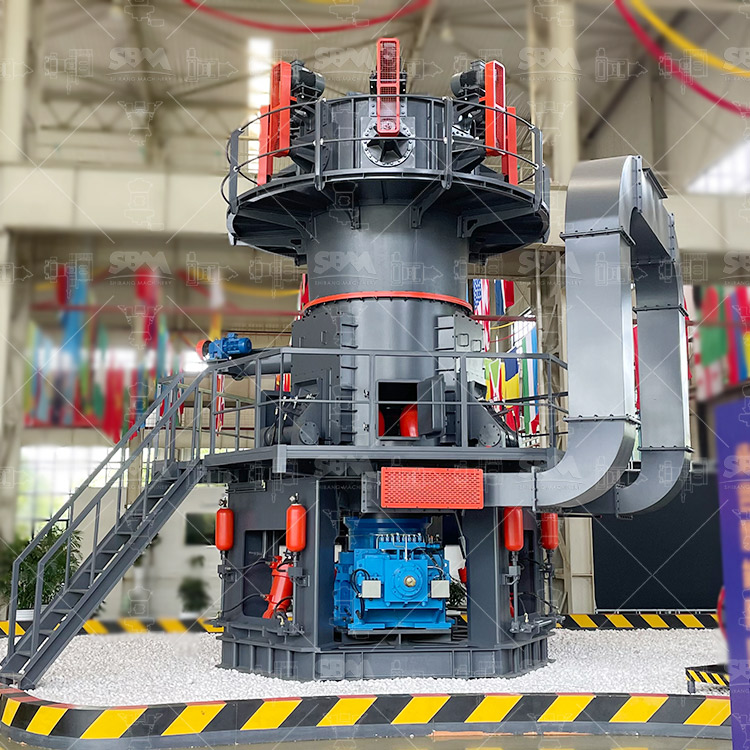
For producers requiring large-scale production with integration of multiple processing functions, the LM Series Vertical Roller Mill offers the most comprehensive solution. With capacities ranging from 3-250 tons per hour across specialized series for minerals, coal, slag, fine powders, and pre-grinding applications, the LM series provides the flexibility to adapt to changing market conditions and expansion opportunities. The intelligent control system, environmental compliance through fully sealed negative pressure operation, and 30-40% energy savings compared to ball mill systems deliver compelling economic advantages for large-scale kaolin producers.
As the kaolin market continues to evolve toward higher-value products with increasingly sophisticated performance requirements, investment in advanced grinding technology becomes essential for maintaining competitive advantage. The progression from commodity calcined kaolin to specialized nano-materials represents a value ladder that rewards producers who invest in the appropriate processing capabilities. By partnering with equipment suppliers who offer comprehensive solutions across the processing spectrum, kaolin producers can position themselves to capture maximum value from their mineral resources while meeting the demanding quality specifications of modern end-use applications.