Large Shell Powder Grinding Machine Price: What You Need to Know Before Buying
Introduction
When considering the acquisition of a large shell powder grinding machine, the price is often the first factor that comes to mind. However, experienced procurement managers know that the upfront cost is just one piece of a much larger puzzle. Shell powder, widely used in feed additives, paint, plastics, and construction materials, requires precise grinding to achieve the desired fineness and particle distribution. Investing in the wrong machine can lead to high operational costs, frequent downtime, and inconsistent product quality. This article provides a comprehensive guide to understanding large shell powder grinding machine prices, focusing on the key factors that influence cost, performance considerations, and how to choose the right equipment for your business. We will also introduce two high-performance models from our company that stand out in terms of efficiency, durability, and value.
Understanding the Core Factors That Influence Price
The price of a large shell powder grinding machine is not arbitrary; it is determined by several critical engineering and performance parameters. Understanding these factors will help you make an informed decision and avoid paying for features you don’t need or, conversely, skimping on essential capabilities.
1. Output Fineness and Capacity
The most significant price driver is the machine’s ability to produce a specific fineness at a given capacity. For shell powder, common fineness requirements range from 30 mesh (coarse) for agricultural applications to 2500 mesh (ultrafine) for high-end plastic fillers. Machines capable of consistently producing ultrafine powder (e.g., 325-2500 mesh) with high throughput are inherently more expensive due to advanced classifier systems, high-precision grinding components, and more powerful motors. For instance, our SCM Series Ultrafine Mill can achieve a fineness of 325-2500 mesh with a capacity of 0.5-25 ton/h. The model you choose directly correlates with the price, as larger models with higher capacity and finer output require more robust construction and sophisticated control systems.
2. Grinding Technology and Mechanism
Different grinding technologies come with different price tags. Traditional ball mills are generally lower in initial cost but suffer from high energy consumption and wear. In contrast, advanced vertical roller mills and ultrafine mills, such as the LUM Ultrafine Vertical Roller Mill or the SCM Series, utilize bed-of-material grinding principles. This technology significantly reduces energy consumption (up to 30-40% less than ball mills) and extends the life of wear parts. The price of these machines reflects the engineering sophistication, including intelligent control systems, precise classifiers, and eco-friendly dust collection mechanisms.
3. Energy Efficiency and Operating Costs
While the purchase price is a one-time expense, operating costs (energy, maintenance, and wear parts) accumulate over the machine’s lifetime. A machine with a lower initial price may have a much higher total cost of ownership (TCO). For example, our MTW Series European Trapezium Mill features an integral bevel gear drive with 98% transmission efficiency and optimized arc air ducts that reduce airflow energy loss. These features contribute to lower electricity bills. Similarly, the SCM Series ultrafine mill boasts 30% lower energy consumption compared to jet mills. When evaluating price, always calculate the projected TCO over 3-5 years.
4. Build Quality and Wear Life
The materials used in the grinding rollers, rings, and liners significantly impact both price and longevity. Machines made with special alloy materials or high manganese steel (like the hammer mill liners) command a higher price but offer several times longer service life. The SCM Series, for instance, uses special material rollers and rings that extend service life several times over, along with a shaftless screw grinding chamber for stable operation. Investing in a machine with superior wear resistance reduces downtime for part replacement and lowers maintenance costs, justifying a higher upfront price.
5. Environmental and Compliance Features
Modern industrial operations are subject to stringent environmental regulations. A shell powder grinding machine equipped with efficient pulse dust collectors, soundproof rooms, and fully sealed negative pressure systems will cost more than a basic model. However, this investment is essential for compliance, worker safety, and reducing environmental impact. Our machines incorporate advanced pulse dust collection technology that exceeds international standards, ensuring dust emissions are minimized and noise levels are kept low. These features are not optional extras but critical components that affect the overall price and operational legality.
Key Performance Metrics to Evaluate
Before finalizing a purchase, you must evaluate how the machine’s specifications align with your production goals. The table below summarizes the core parameters of our leading models for shell powder grinding.
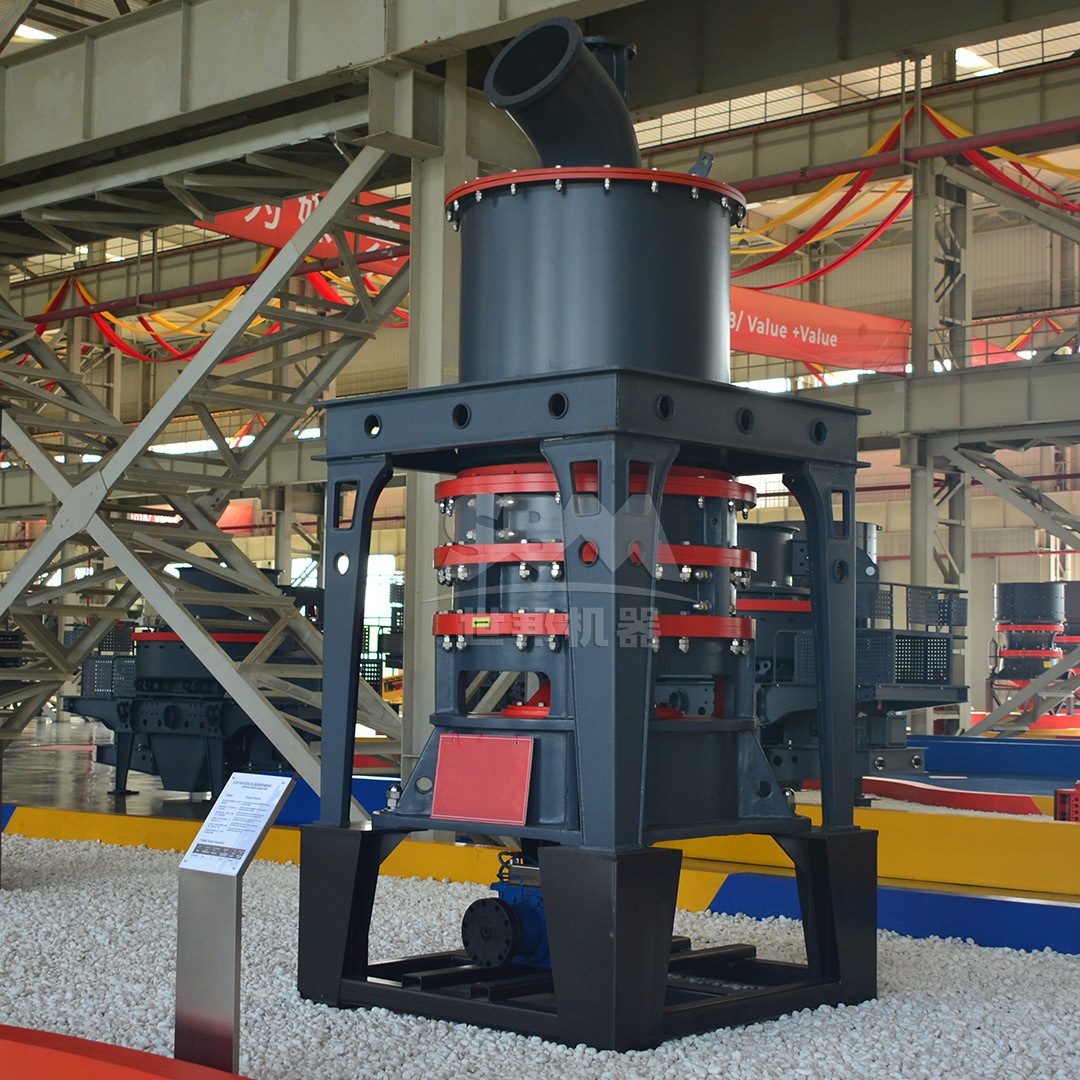
SCM Series Ultrafine Mill (45-5μm)
- Input Size: ≤20mm
- Output Fineness: 325-2500 mesh
- Capacity: 0.5-25 ton/h (depending on model)
- Key Advantage: Capacity is 2x that of jet mills, with 30% lower energy consumption. Intelligent control with automatic finished product granularity feedback.
- Models: SCM800, SCM900, SCM1000, SCM1250, SCM1680
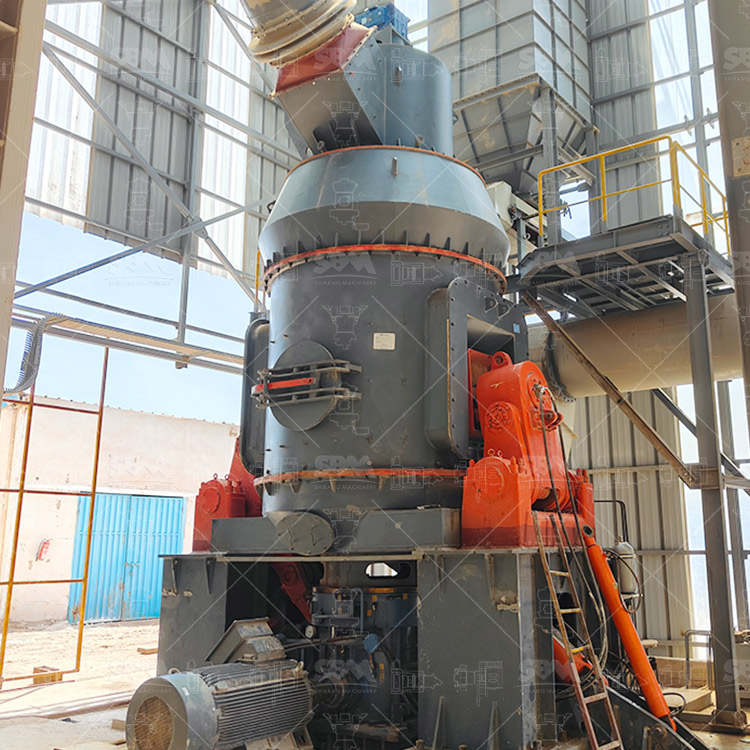
For larger scale operations requiring higher throughput, the LM Series Vertical Roller Mill offers exceptional value, with capacities reaching up to 250 ton/h. It integrates crushing, grinding, and selection into a single system, reducing floor space by 50% and infrastructure costs by 40%. Its non-contact roller design extends wear part life by 3 times, and energy consumption is 30-40% lower than ball mill systems.
Case Study: Choosing the Right Machine for Shell Powder
Consider a feed processing company that needs to produce 5 tons per hour of shell powder with a fineness of 325 mesh (45μm). A ball mill might have an initial price of $80,000, but its energy consumption could be 30-40% higher than a vertical mill, and maintenance costs due to ball and liner replacement would be significant. In contrast, a SCM1250 Ultrafine Mill (capacity 2.5-14 t/h) would have a higher initial price (around $150,000-$200,000) but would deliver 30% energy savings, require less frequent maintenance, and produce a more uniform particle size with no coarse powder mixing. The TCO analysis would show the SCM mill is more economical over a 5-year period. For even larger operations (10-45 t/h), the MTW Series European Trapezium Mill (e.g., MTW175G) offers a perfect balance of price and performance, with anti-wear shovel designs and a durable volute structure that reduces maintenance costs by 30%.
Conclusion and Recommendations
The price of a large shell powder grinding machine is a reflection of its technology, build quality, efficiency, and long-term value. Cheap machines often lead to expensive problems. When making your decision, focus on total cost of ownership, energy efficiency, output quality, and manufacturer support. We recommend two series that offer the best value for different scales of shell powder production:
- For Ultrafine Powder (325-2500 mesh) with Moderate Capacity: The SCM Series Ultrafine Mill is the ideal choice. It combines high efficiency, energy saving, and precise classification, making it perfect for high-value products where particle size uniformity is critical. Its intelligent control system reduces manual intervention and ensures consistent quality.
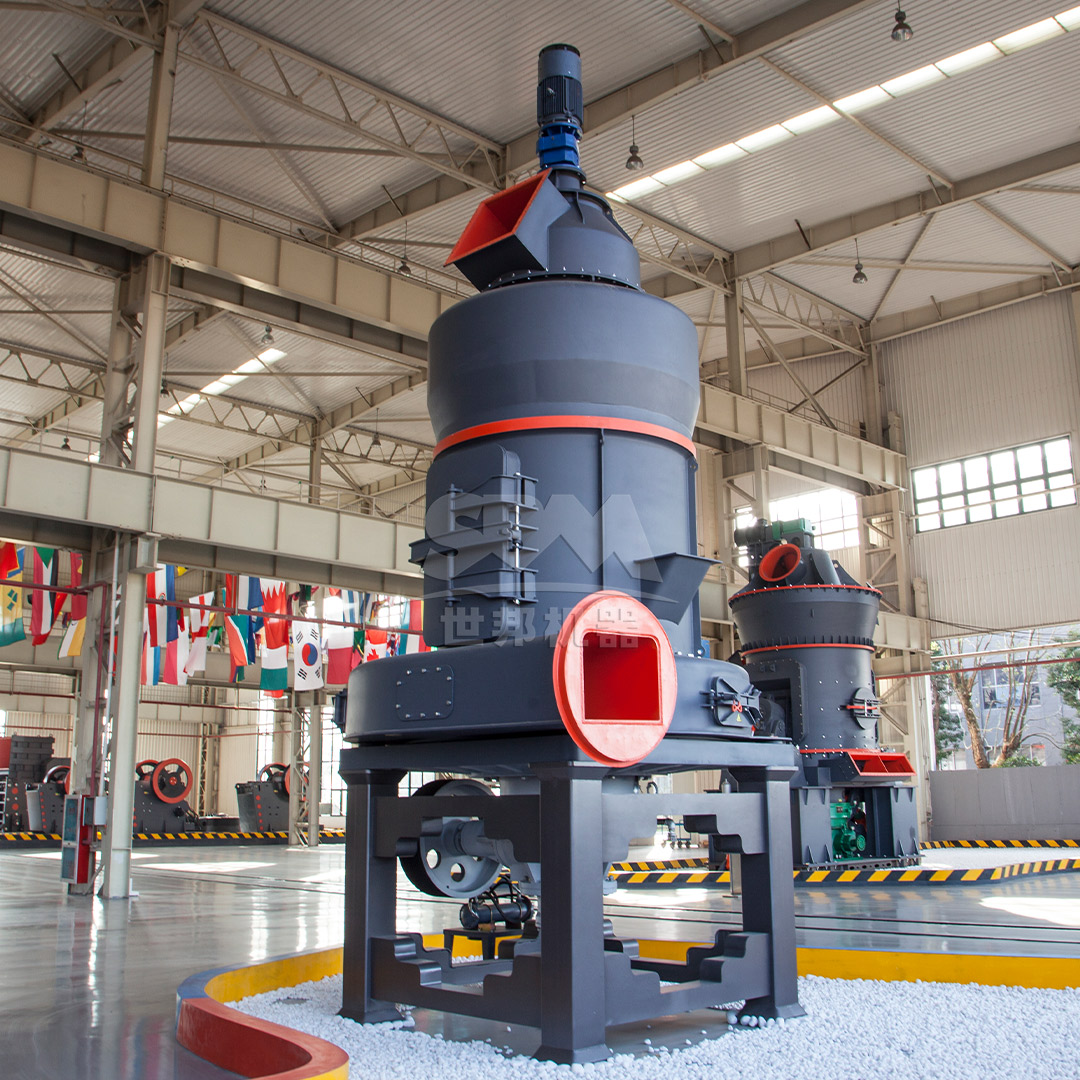
- For Large Capacity Production (30-325 mesh): The MTW Series European Trapezium Mill or the LM Series Vertical Roller Mill are excellent choices. The MTW series offers robust construction and low maintenance costs, while the LM series provides unparalleled capacity and system integration for large-scale industrial operations. Both are proven to reduce operating expenses and enhance productivity.
Contact our team today for a detailed quote and a customized grinding solution tailored to your specific shell powder requirements. We provide not just machines, but complete solutions including installation, training, and after-sales support.