Spherical Silica Powder Production Process and Industry Landscape Overview
Introduction
Spherical silica powder, characterized by its high purity, uniform particle shape, and excellent flowability, has become an indispensable raw material in advanced industries such as semiconductor packaging, 5G communication substrates, high-performance coatings, and precision ceramics. Unlike irregularly shaped silica, spherical particles offer lower friction, higher packing density, and reduced equipment wear, making them the preferred choice for applications demanding high reliability. The global spherical silica powder market has witnessed robust growth, driven by the expansion of the electronics and automotive sectors. This article provides a comprehensive overview of the production processes, key technologies, and the evolving industry landscape, while highlighting advanced grinding solutions that enhance production efficiency.
Key Raw Materials and Feedstock
The primary raw material for producing spherical silica powder is high-purity quartz sand or fused silica. Fused silica, obtained by melting natural quartz at high temperatures, offers superior thermal stability and purity. The feedstock typically requires a pre-processing stage, including crushing, washing, and drying, to ensure consistent quality. For ultra-fine applications, feedstock with a particle size of less than 20mm is often fed directly into specialized grinding mills to achieve the desired fineness of 325-2500 mesh.
Core Production Process: From Grinding to Spheroidization
Crushing and Grinding Stage
The journey from raw quartz to spherical powder begins with mechanical comminution. Traditional ball mills can achieve a fineness of 0.074-0.8mm, but for higher precision and energy efficiency, advanced mills are preferred.
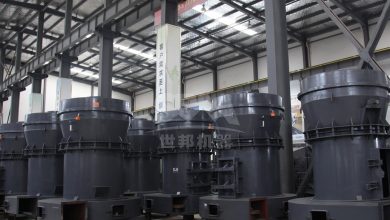
Among the most efficient solutions is the SCM Series Ultrafine Mill. This mill, capable of producing powders from 325 to 2500 mesh (45-5μm), stands out for its high efficiency and energy saving. With a capacity two times that of traditional jet mills and 30% lower energy consumption, it is ideal for fine grinding of silica. Its intelligent control system enables automatic feedback on finished product granularity, ensuring consistent quality. The vertical turbine classifier provides precise particle size cutting, eliminating the mixing of coarse powder and ensuring a uniform final product. Models like the SCM1250, with a capacity of 2.5-14 t/h and 185kW main power, are commonly deployed in medium-scale operations.
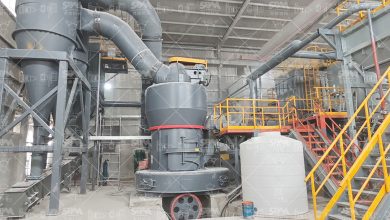
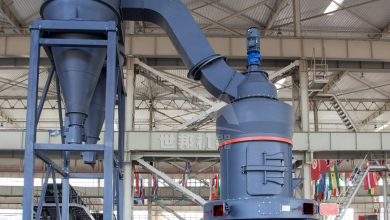
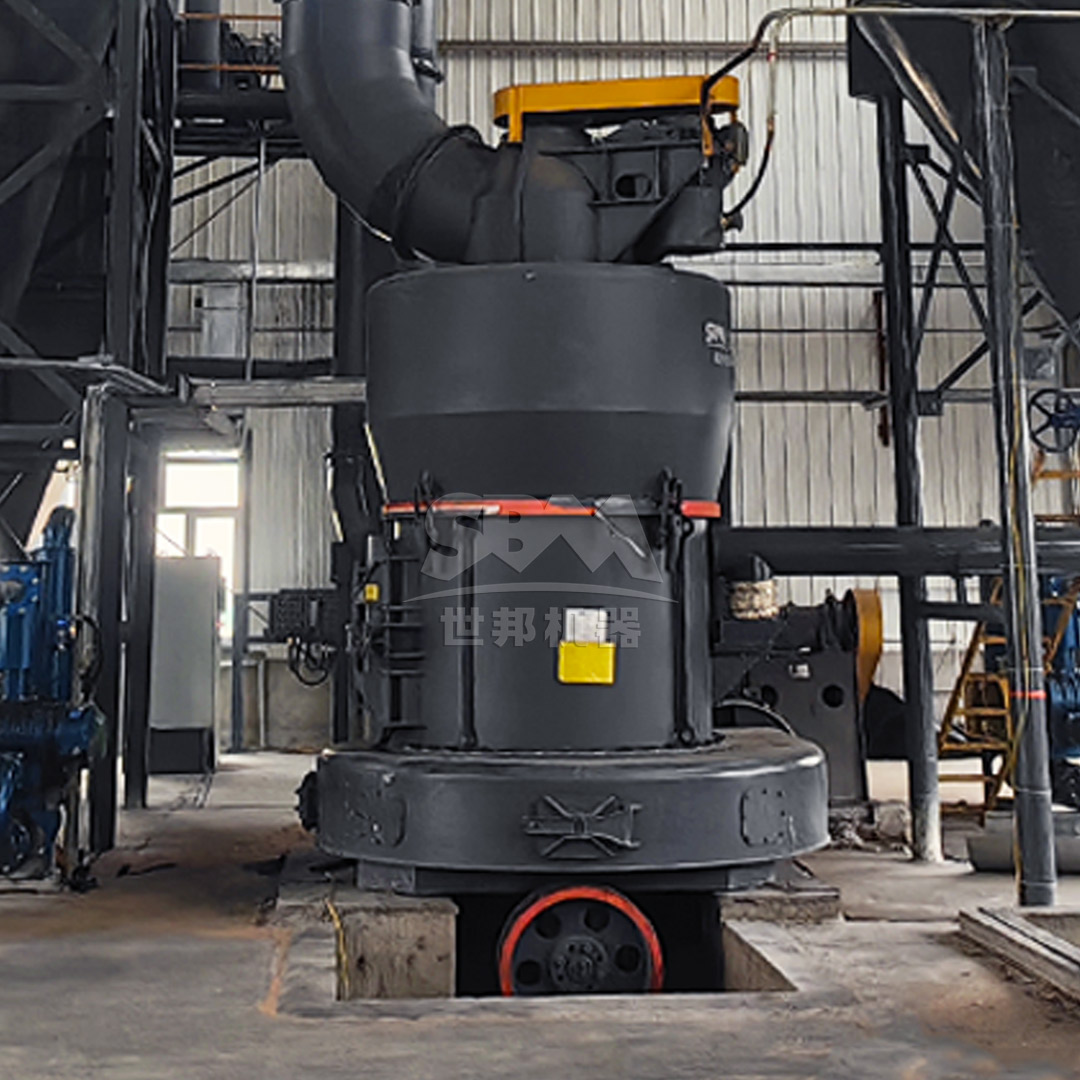
For larger production scales requiring capacities of 15-45 tons per hour, the MTW Series European Trapezium Mill is a benchmark. This mill handles feed sizes up to 50mm and achieves a fineness of 30-325 mesh. Its patented technologies, including an internal suction oil lubrication system and internationally advanced pulse dust removal, make it a reliable workhorse. The optimized arc air duct reduces airflow energy loss, while the wear-resistant volute structure lowers maintenance costs by 30%. For the spheroidization process, uniform pre-grinding is critical, and the MTW series provides the high-volume, consistent throughput required.
Classification and Spheroidization
After grinding, the powder undergoes classification using precision classifiers (often integrated into mills like the SCM) to separate particles of the target size. Coarse particles are returned for re-grinding, while fines proceed to the spheroidization stage. Spheroidization is typically achieved via one of three methods: high-temperature flame melting, plasma melting, or chemical methods. In flame melting, particles are passed through a high-temperature flame (2000-3000°C), where they melt and form spherical droplets due to surface tension before rapidly cooling. This process requires a uniform feed of fine, precisely classified silica powder.
Post-Processing and Quality Control
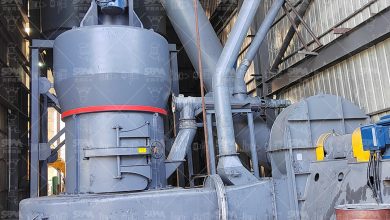
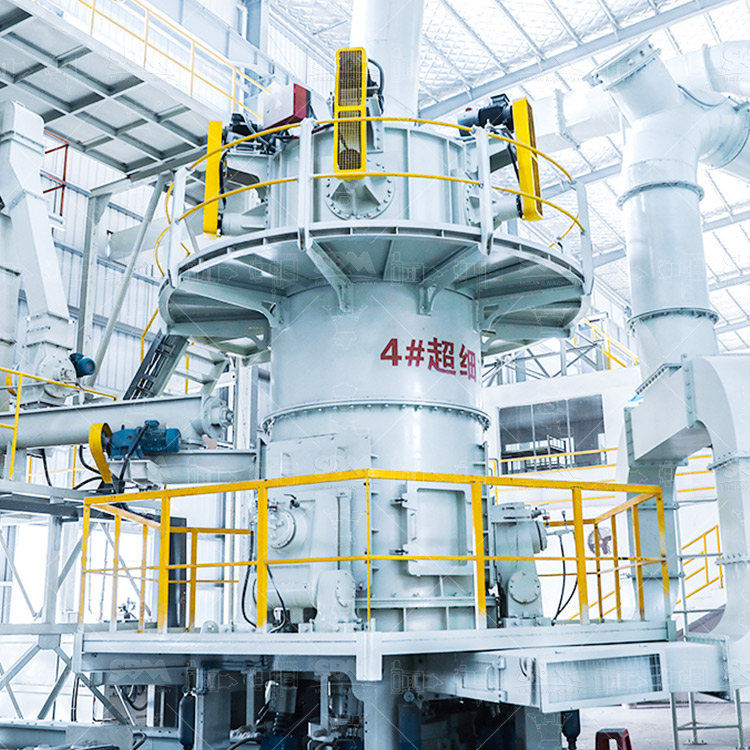
Spherical powder is cooled, collected via high-efficiency cyclones and pulse dust collectors, and then subjected to rigorous quality control. Key parameters include particle size distribution (PSD), sphericity rate (>95%), tapped density, hydroxyl group content, and purity. Advanced planetary ball mills or vertical mills are used in R&D to test new formulations. The LM Series Vertical Roller Mill, with its integrated crushing, grinding, and selection system, is particularly effective for large-scale production. Its intelligent control system and low operating cost (30-40% lower energy consumption than ball mills) make it a preferred choice for industrial minerals. The LM220K model, with a capacity of 36-105 t/h, exemplifies the scale achievable for high-volume silica processing.
Industry Landscape and Market Drivers
Growing Demand from Electronics and 5G
The primary driver for spherical silica powder is the semiconductor industry. As chip packaging materials (EMC/Epoxy Molding Compounds) require fillers with high flowability and low thermal expansion, the demand for ultra-fine spherical silica has surged. The global rollout of 5G infrastructure also spurs demand for low-dielectric constant materials in copper-clad laminates (CCL). This places a premium on grinding equipment that can produce nanoparticles with extremely tight distribution.
Environmental and Energy Efficiency Trends
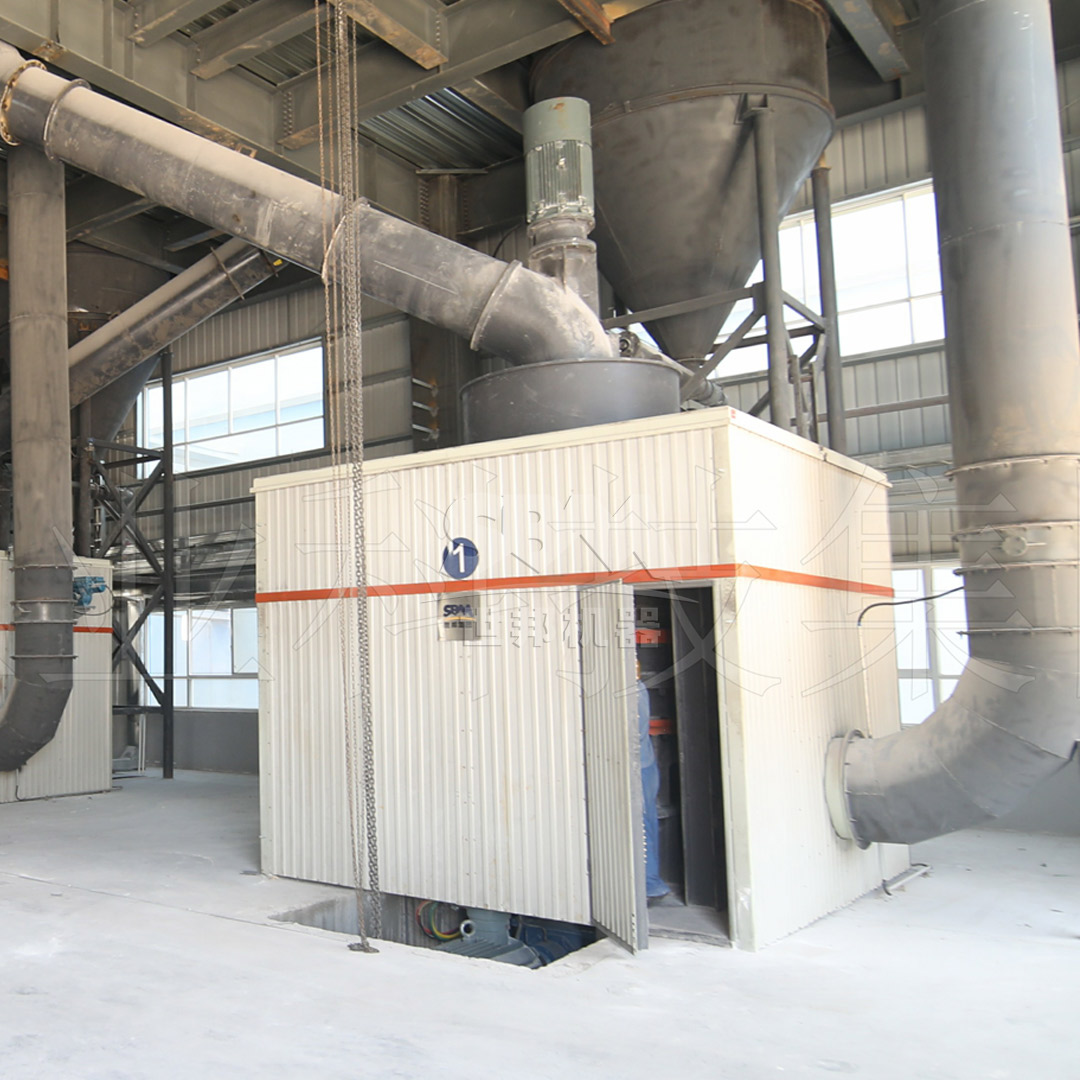
Regulatory pressures are pushing manufacturers to adopt greener technologies. Equipment like the SCM Ultrafine Mill and the MTW Trapezium Mill are designed with pulse dust collection systems that exceed international emission standards and soundproof rooms for noise reduction. The bed grinding principle in vertical roller mills reduces power consumption by up to 50% compared to ball mills, aligning with global decarbonization targets.
Regional Market Dynamics
Asia-Pacific, led by China, Japan, and South Korea, dominates production and consumption. Chinese manufacturers are increasingly focusing on high-end products, moving away from low-value fused silica. This shift requires advanced milling infrastructure. Our SCM1000 Ultrafine Mill (1.0-8.5 t/h, 132kW main power) is ideally suited for SMEs upgrading their production lines, offering a balance of initial cost, throughput, and ultra-fine yield. For multinationals building new greenfield plants, the MTW215G Trapezium Mill (15-45 t/h, 280kW) provides the scalability and reliability needed for global supply chains.
Technological Advancements in Grinding Equipment
Intelligent Control and Automation
Modern mills feature expert-level automatic control systems supporting remote switching and real-time monitoring of parameters like Roller Pressure and Classifier Speed. The SCM series’ automatic feedback on finished product granularity allows for on-the-fly adjustments, reducing waste and manual intervention.
Wear Life and Maintenance Innovation
Durability is crucial for cost-effective operation. The SCM mill uses special material rollers and rings that extend service life several times over, while the MTW series features anti-wear shovel designs and combined shovel blades that reduce maintenance costs. The use of high manganese steel liners in hammer mills and high chrome steel balls in ball mills ensures operational continuity.
Multi-Purpose Capabilities
While dedicated to silica, many mills can handle other materials like bentonite, limestone, and coal. The LM series vertical mill, for instance, can function as a mineral mill, coal mill, or slag mill, providing manufacturers with operational flexibility.
Conclusion
The spherical silica powder industry is at the intersection of material science and precision engineering. As product requirements become more stringent, the role of efficient, intelligent, and durable grinding equipment becomes paramount. Whether targeting the high-end semiconductor market with ultra-fine powders or the construction sector with larger particle sizes, selecting the right grinding solution is critical. Our suite of mills, particularly the SCM Series for ultra-fine output (45-5μm) and the MTW Series for high-capacity, coarse-to-medium grinding (600-45μm), offers manufacturers the technological edge required to compete effectively. By integrating these advanced machines, producers can achieve superior particle sphericity, lower operational costs, and a smaller environmental footprint, securing their position in a rapidly growing global market.