Building Gypsum Powder Mill Production Process: Complete Guide to Construction Gypsum Powder Grinding Equipment and Technology
Introduction to Building Gypsum Powder Production
Building gypsum powder, also known as calcined gypsum or plaster of Paris, is a fundamental material in the construction industry. It is widely used for interior wall finishes, ceiling panels, decorative moldings, and drywall manufacturing. The production of high-quality gypsum powder involves a precise combination of crushing, grinding, calcination, and classification processes. Among these stages, the grinding and milling step is the most critical, as it directly determines the fineness, uniformity, and reactivity of the final product. This guide provides a comprehensive overview of the building gypsum powder mill production process, focusing on the equipment, technology, and best practices to achieve optimal results.
Raw Material Preparation and Crushing
The first step in the gypsum powder production process is the extraction and preparation of raw gypsum ore. Natural gypsum (calcium sulfate dihydrate, CaSO4·2H2O) is typically mined from open-pit or underground deposits. The raw ore often contains large rocks and impurities that must be removed. The crushing stage involves primary and secondary crushers to reduce the gypsum rock to a manageable size. A hammer mill is commonly used for this purpose. For example, our PC Series Hammer Mill (models PC4008-75 to PC4015-132) efficiently reduces feed sizes of up to 40mm down to 0-3mm, preparing the material for the grinding mill. The crushed gypsum is then stored in a silo or hopper before being fed into the mill. Proper pre-crushing ensures consistent feed size, which is crucial for the efficiency of the subsequent grinding process.
Grinding Mill Selection: The Core of Gypsum Powder Production
The selection of the grinding mill is the most important decision in designing a gypsum powder production line. The choice depends on factors such as required fineness, production capacity, energy efficiency, and the specific properties of the gypsum ore. For standard construction gypsum powder, which typically requires a fineness of 80-325 mesh (180-45 μm), several mill technologies are available. Traditional ball mills and Raymond mills have been widely used, but modern vertical roller mills and European trapezium mills offer significant advantages in terms of energy consumption and product quality.
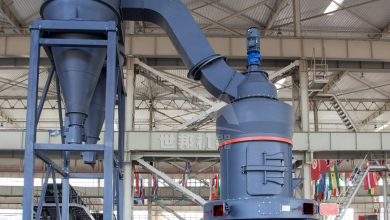
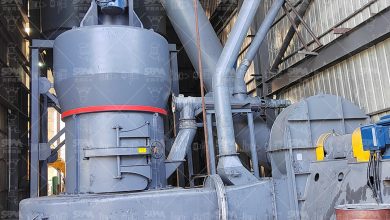
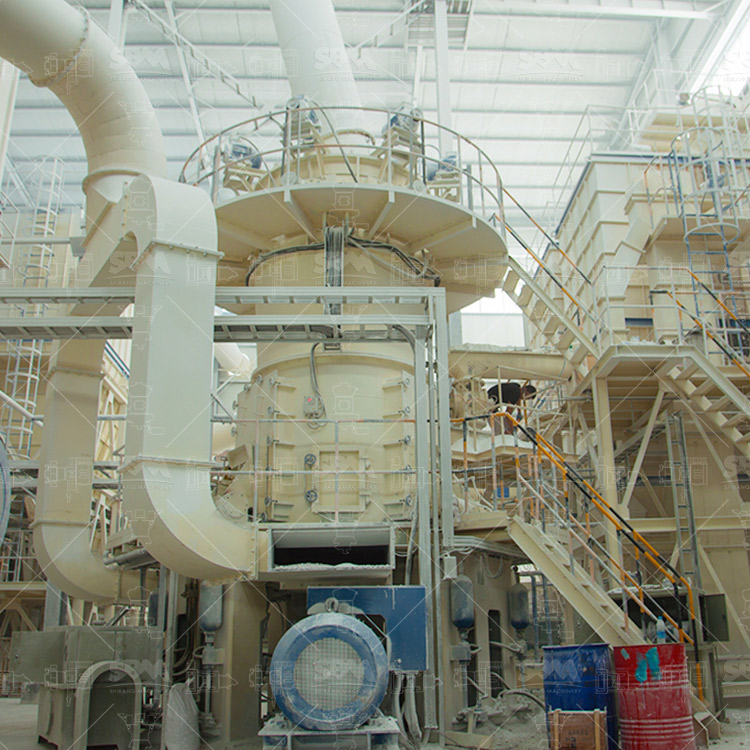
For large-scale production lines requiring capacities from 10 to 250 tons per hour, the LM Series Vertical Roller Mill is an excellent choice. Its integrated design combines crushing, grinding, and classifying in a single unit, reducing floor space by up to 50%. The non-contact design between the rollers and the grinding table extends wear part life by three times compared to traditional mills, and its energy consumption is 30-40% lower than ball mill systems. The mill operates under fully sealed, negative pressure conditions, ensuring a dust-free environment. Models like the LM130K to LM280K are perfectly suited for gypsum grinding, handling feed sizes up to 50mm and achieving fineness down to 45 μm.
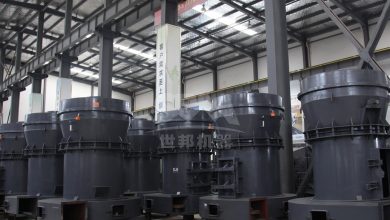
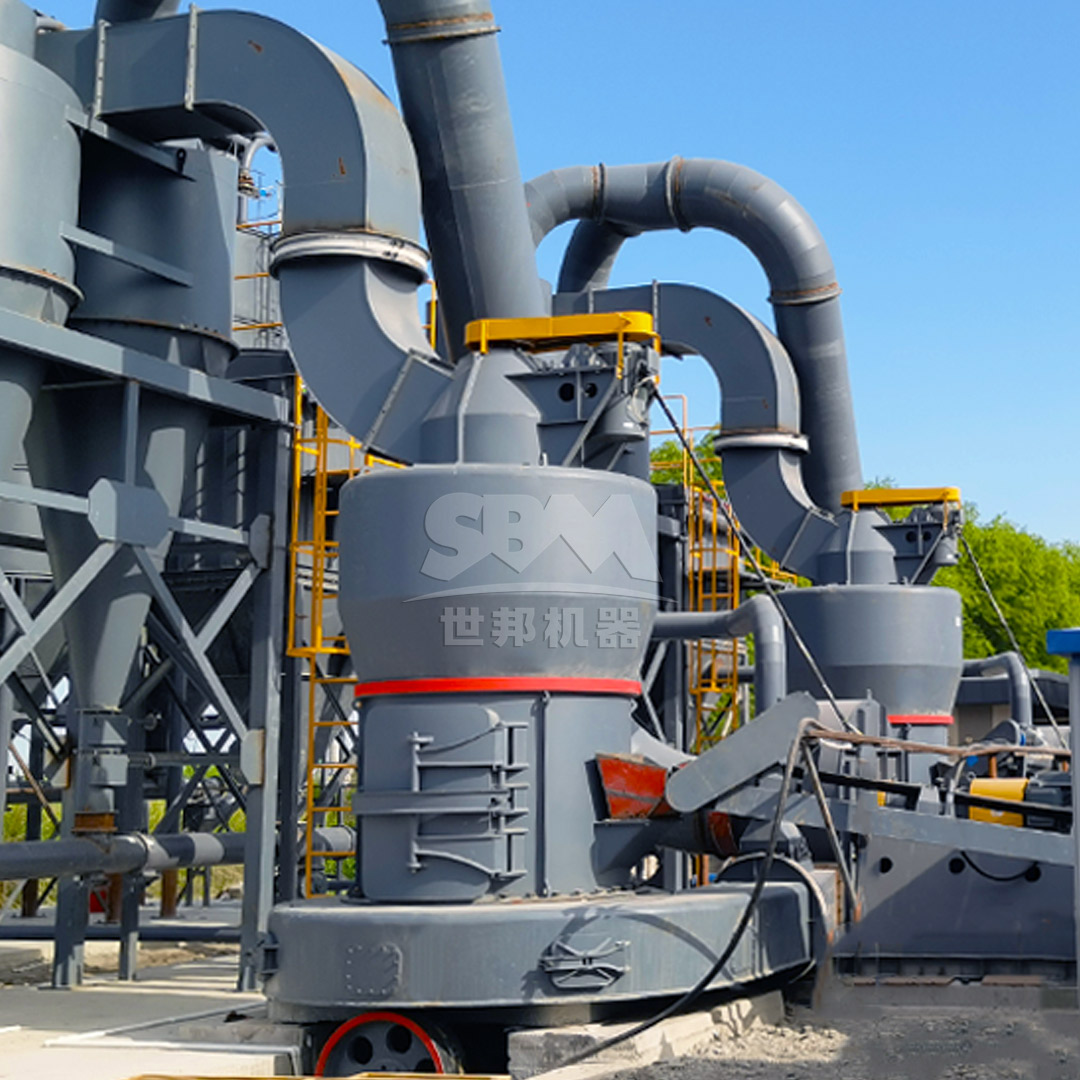
For medium-capacity plants or operations requiring finer control, the MTW Series European Trapezium Mill offers exceptional performance. With capacities ranging from 3 to 45 tons per hour, this mill features an innovative anti-wear shovel design and an optimized arc air duct that reduces energy loss. The integral bevel gear drive system achieves transmission efficiency of up to 98%. For medium-scale gypsum powder production, we highly recommend the MTW138Z (6-17 t/h) or the MTW175G (9.5-25 t/h) models. These mills are equipped with an internal suction oil lubrication system and internationally advanced pulse dust removal technology, making them both reliable and environmentally friendly.
The Grinding Process: Working Principle in Detail
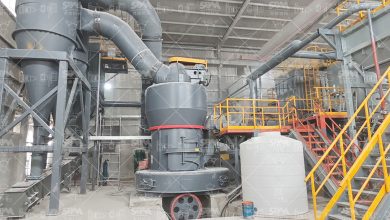
Understanding the working principle of the gypsum mill is essential for optimizing production. In a typical vertical roller mill or trapezium mill, the main motor drives the grinding table or ring to rotate. The pre-crushed gypsum enters the mill through the central feed port and is dispersed evenly by centrifugal force. Grinding rollers, suspended by a swing-arm assembly or pressed hydraulically, apply pressure to the material layer. As the table rotates, the gypsum passes repeatedly under the rollers, where it is crushed and ground into fine powder. The grinding action is a combination of compression and shear, which is highly efficient for friable materials like gypsum.
Hot air is introduced into the grinding chamber through an air duct. This airflow dries the gypsum and carries the fine particles upward to the classifier. The classifier, typically a dynamic vertical turbine type, spins at a controlled speed to separate coarse and fine particles. Only particles that meet the target fineness pass through the classifier and enter the cyclone collector. Coarse particles are rejected and returned to the grinding table for further size reduction. This closed-loop system ensures a uniform product with no oversized particles, which is vital for consistent setting times and strength in the final gypsum products.
Classification and Collection System
The classification system is critical for achieving the precise particle size distribution required for building gypsum. Modern mills are equipped with high-precision classifiers that can adjust the cut point to within a few microns. For example, the vertical turbine classifier used in our SCM Series Ultrafine Mill achieves a precise particle size cut without mixing coarse powder. After classification, the fine powder is collected by a high-efficiency cyclone collector and a pulse dust collector. The pulse dust removal system uses compressed air to clean the filter bags automatically, ensuring continuous operation with minimal downtime. Dust emissions are kept well below environmental standards, making the milling process safe and sustainable.
For applications requiring extra-fine gypsum powder (325-2500 mesh, or 5-45 microns), such as in high-performance plasters or joint compounds, the SCM Series Ultrafine Mill is the ideal solution. This mill uses a unique three-layer grinding ring design and a shaftless screw grinding chamber for stable operation. Its capacity is twice that of jet mills, with 30% lower energy consumption. The SCM800 to SCM1680 models offer capacities from 0.5 to 25 tons per hour, making them suitable for both pilot plants and large-scale fine powder production. The intelligent control system automatically adjusts the grinding parameters based on the desired fineness, ensuring consistent product quality.
Calcination and Final Product Handling
Once the gypsum powder reaches the desired fineness, it undergoes calcination to remove the chemically bound water. Calcination is typically performed in a kettle, rotary kiln, or flash calciner. The ground gypsum is heated to temperatures between 150°C and 180°C, where it loses approximately 75% of its water content, transforming into calcium sulfate hemihydrate (CaSO4·1/2H2O). The calcined gypsum is then cooled, stored, and packed for shipment. The quality of the grinding process directly influences the calcination efficiency. A uniform, fine powder allows for faster and more consistent heat transfer, reducing energy consumption and improving the strength of the final plaster.
Intelligent Control and Automation
Modern gypsum powder mills are equipped with advanced PLC-based control systems. These systems monitor critical parameters such as mill vibration, temperature, motor current, and classifier speed in real-time. The automatic finished product granularity feedback system adjusts the feed rate and classifier speed to maintain the target fineness without manual intervention. For example, the expert-level control system on the LM Series Vertical Mill supports both remote and local switching, allowing operators to oversee multiple mills from a central control room. This level of automation reduces labor costs, minimizes human error, and ensures 24/7 uninterrupted production.
Durability and Maintenance Considerations
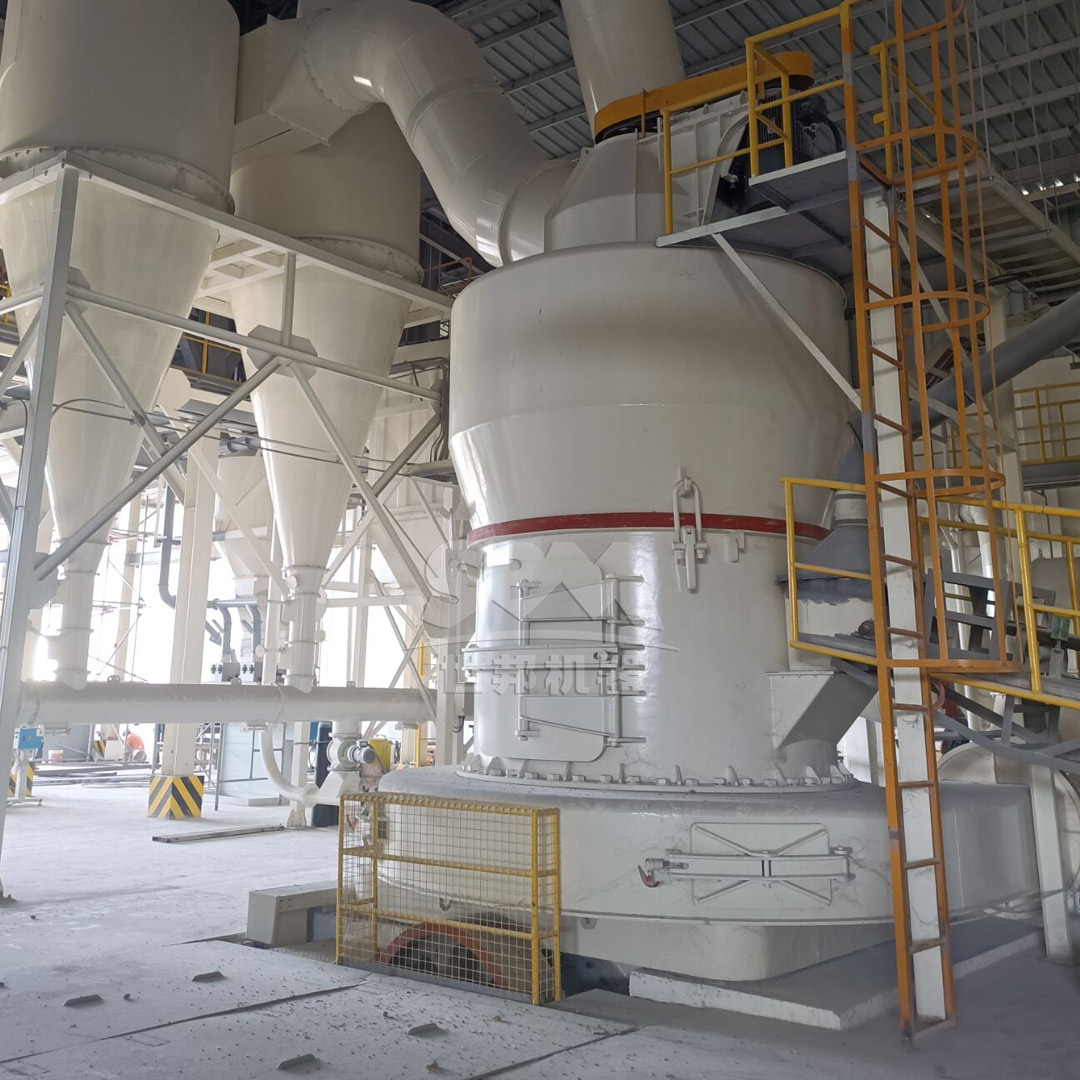
The durability of the grinding mill is a key factor in total cost of ownership. Gypsum, while relatively soft, can be abrasive due to the presence of silica impurities. Therefore, mills must be built with wear-resistant components. Our mills use special alloy materials for the grinding rollers and rings, extending their service life several times over. The MTW Series features a curved shovel design and wear-resistant volute structure that reduces maintenance costs by up to 30%. The LM Series employs a modular grinding roller assembly quick-change system, allowing for rapid replacement of worn parts with minimal downtime. Regular maintenance, such as checking the oil lubrication system and cleaning the pulse dust collector, ensures consistent performance over many years.
We also need to mention our LUM Ultrafine Vertical Roller Mill for those who demand top-tier precision and efficiency. Models like the LUM1525 to LUM1836 produce powders with a fineness of 325-2500 mesh, using unique roller and liner curves for ultra-efficient grinding. The multi-rotor classification system guarantees no coarse particles contaminate the final product, making it ideal for high-value construction chemicals. For the most comprehensive solution in gypsum processing, we also offer the MRN Pendulum Mill series, which features a thin-oil lubrication system and an advanced pulse dust collector, ensuring maintenance-free operation and environmental compliance.
Environmental Benefits and Energy Savings
The modern gypsum powder mill is designed with sustainability in mind. By integrating crushing, grinding, and classifying into one system, the overall energy consumption is dramatically reduced. For instance, the LM Series requires 30-50% less power than a comparable ball mill system. The fully sealed, negative-pressure operation prevents dust leakage, creating a cleaner working environment. Soundproof room designs and noise reduction technology ensure that the mill operates at sound levels below 85 dB, meeting workplace safety regulations. With pulse dust collection efficiency exceeding international standards, these mills not only produce high-quality gypsum but also contribute to a greener planet.
Conclusion
Building a gypsum powder mill production line is a complex but rewarding endeavor. The key to success lies in selecting the right grinding equipment for your specific capacity, fineness, and budget requirements. Whether you need a high-capacity vertical roller mill for continuous industrial production, a medium-scale European trapezium mill for consistent quality, or an ultrafine mill for specialized applications, our range of products provides proven, reliable solutions. By integrating advanced technology, intelligent control, and robust design, you can ensure that your gypsum powder production line operates efficiently, economically, and safely for decades to come. For more detailed information on selecting the perfect mill for your plant, please consult our technical team or refer to the specific product datasheets for each model.