How to Prepare High-Performance Titanium Gypsum Composite Cementitious Materials
Introduction
Titanium gypsum, a by-product of the titanium dioxide industry, has long been considered a challenging waste material due to its high moisture content and fine particle size. However, with the right processing technology and a deep understanding of material science, it can be transformed into a valuable component for high-performance composite cementitious materials. This article provides a comprehensive guide on how to prepare such materials, focusing on the critical role of advanced grinding technology in achieving the desired fineness and reactivity.
Understanding Titanium Gypsum and Its Challenges
Titanium gypsum (CaSO₄·2H₂O) typically contains impurities such as iron, silicon, and vanadium. Its high water demand and low early strength are the primary obstacles to its direct use in construction. To overcome these limitations, it must be mixed with other cementitious materials like slag, fly ash, or Portland cement. The key to creating a high-performance composite lies in the optimal particle size distribution and specific surface area of the titanium gypsum powder. This is where advanced industrial milling solutions become indispensable.
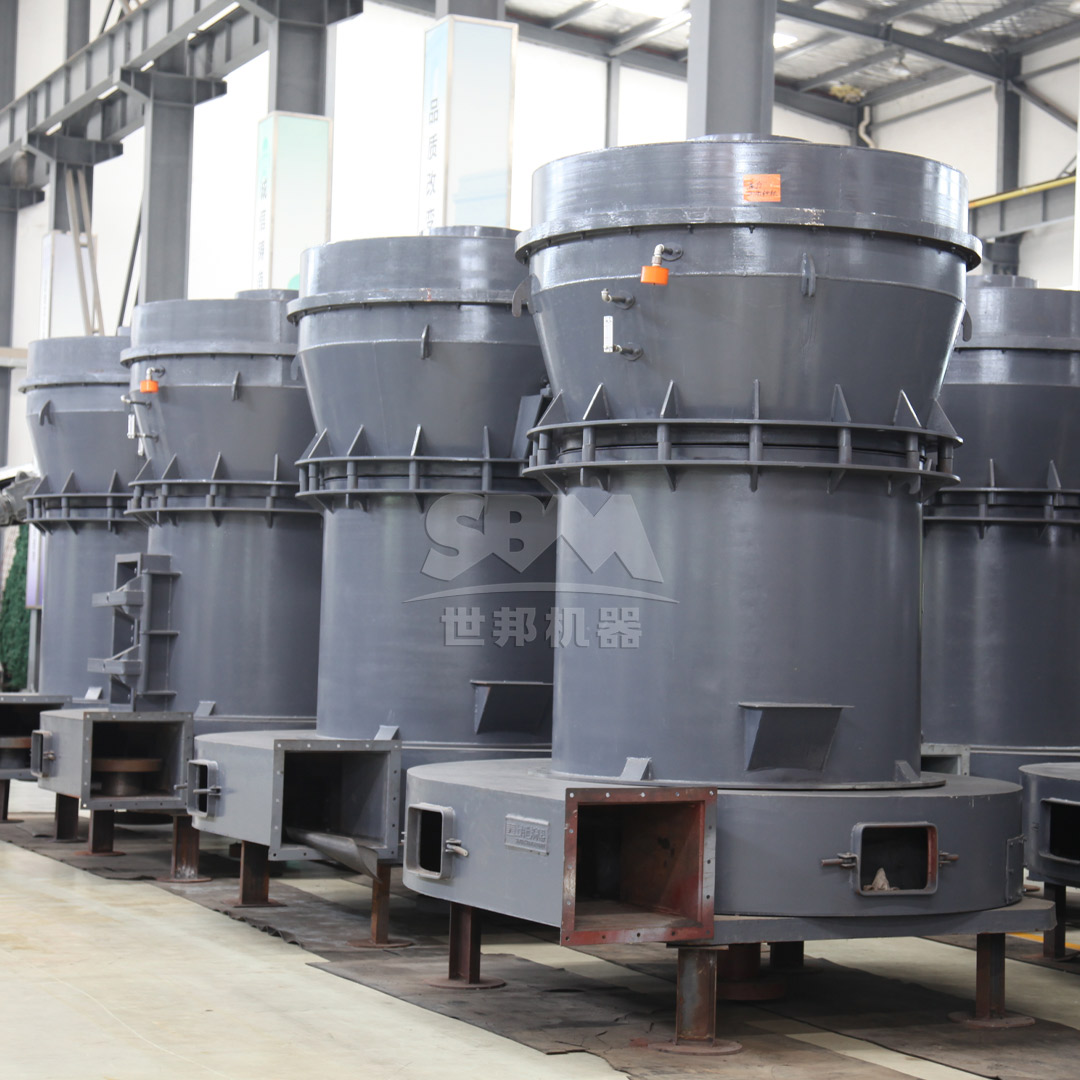
The Importance of Ultrafine Grinding
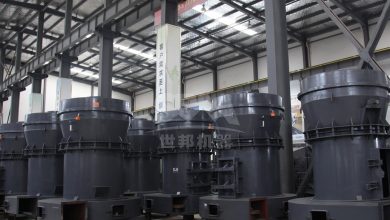
For titanium gypsum, a finer grind increases the specific surface area, enhancing its pozzolanic reaction and filling effect within the cement matrix. To achieve the required fineness, typically in the range of 325-2500 mesh (45-5μm), a high-efficiency ultrafine mill is essential. The SCM Series Ultrafine Mill is specifically designed for such demanding applications. Its core parameters, such as an input size of ≤20mm and an output fineness of 325-2500 mesh, make it ideal for processing titanium gypsum. With a capacity ranging from 0.5 to 25 ton/h, it offers scalable solutions for both pilot plants and full-scale production.
Step-by-Step Preparation Process
1. Raw Material Pre-Treatment and Drying
First, the titanium gypsum must be dried to reduce its moisture content from 20-30% down to less than 1%. This is typically done using a rotary dryer or a flash dryer. The dried material is then crushed using a hammer mill to achieve a particle size of less than 20mm. Our PC Series Hammer Mill is an excellent choice for this step, offering high capacity and a compact structure.
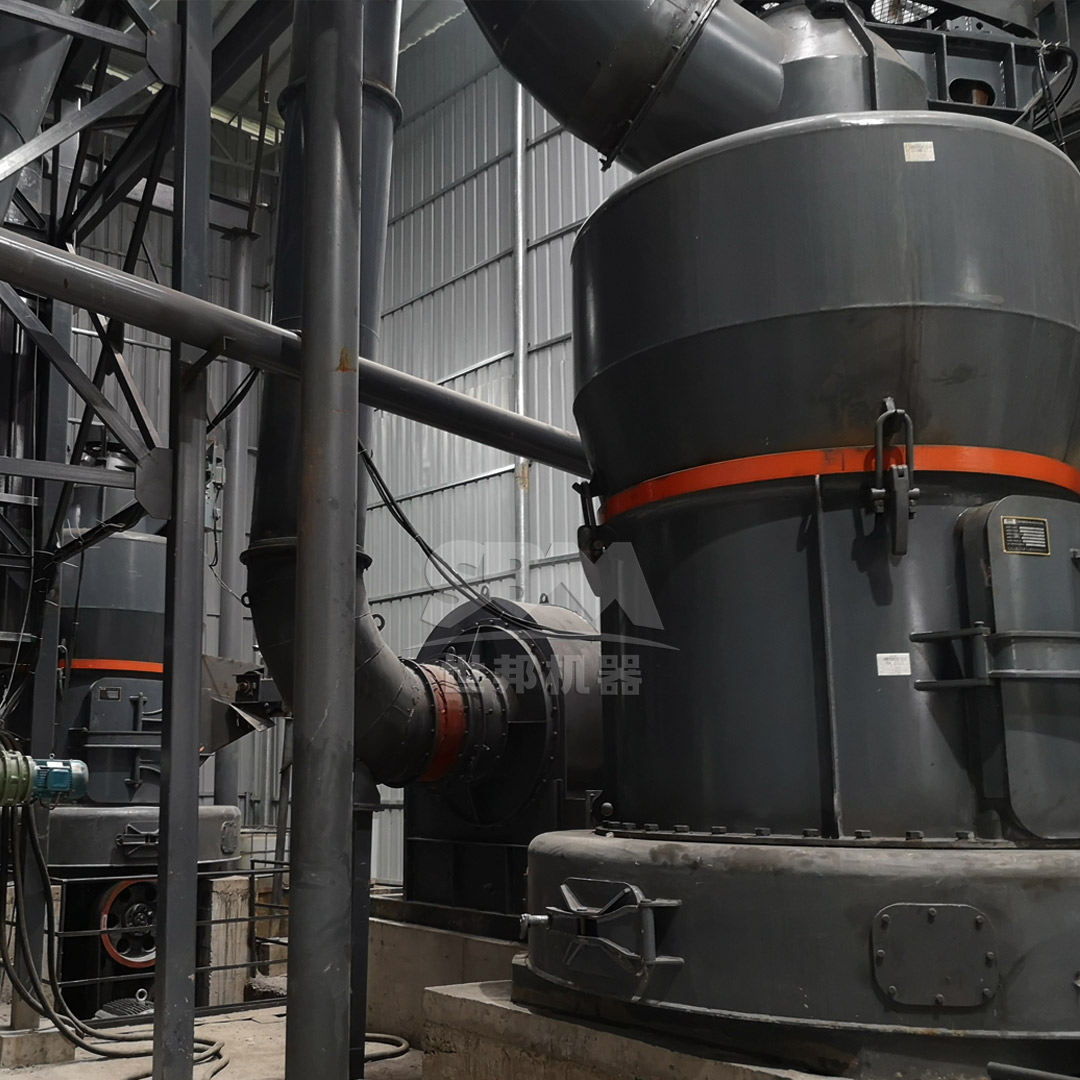
2. Ultrafine Grinding with SCM Series Mill
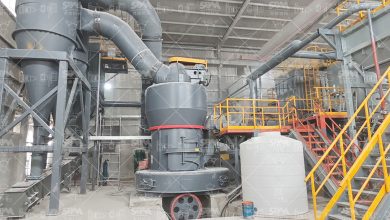
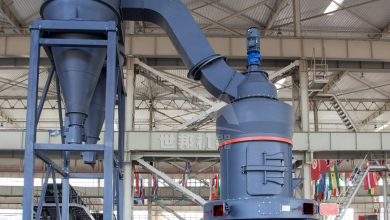
Once pre-crushed, the material is fed into the SCM Series Ultrafine Mill. The working principle involves the main motor driving three layers of grinding rings to rotate. Materials are dispersed into the grinding path by centrifugal force, crushed by roller pressure, and ground layer by layer. The vertical turbine classifier ensures precise particle size cutting, guaranteeing no coarse powder mixing and a uniform finished product. This step is crucial for activating the titanium gypsum and achieving a high specific surface area (typically >600 m²/kg).
Recommended Product: SCM1250 Ultrafine Mill – For medium to large-scale operations, this model offers an ideal balance between power and output, processing 2.5-14 tons per hour with a main power of 185kW.
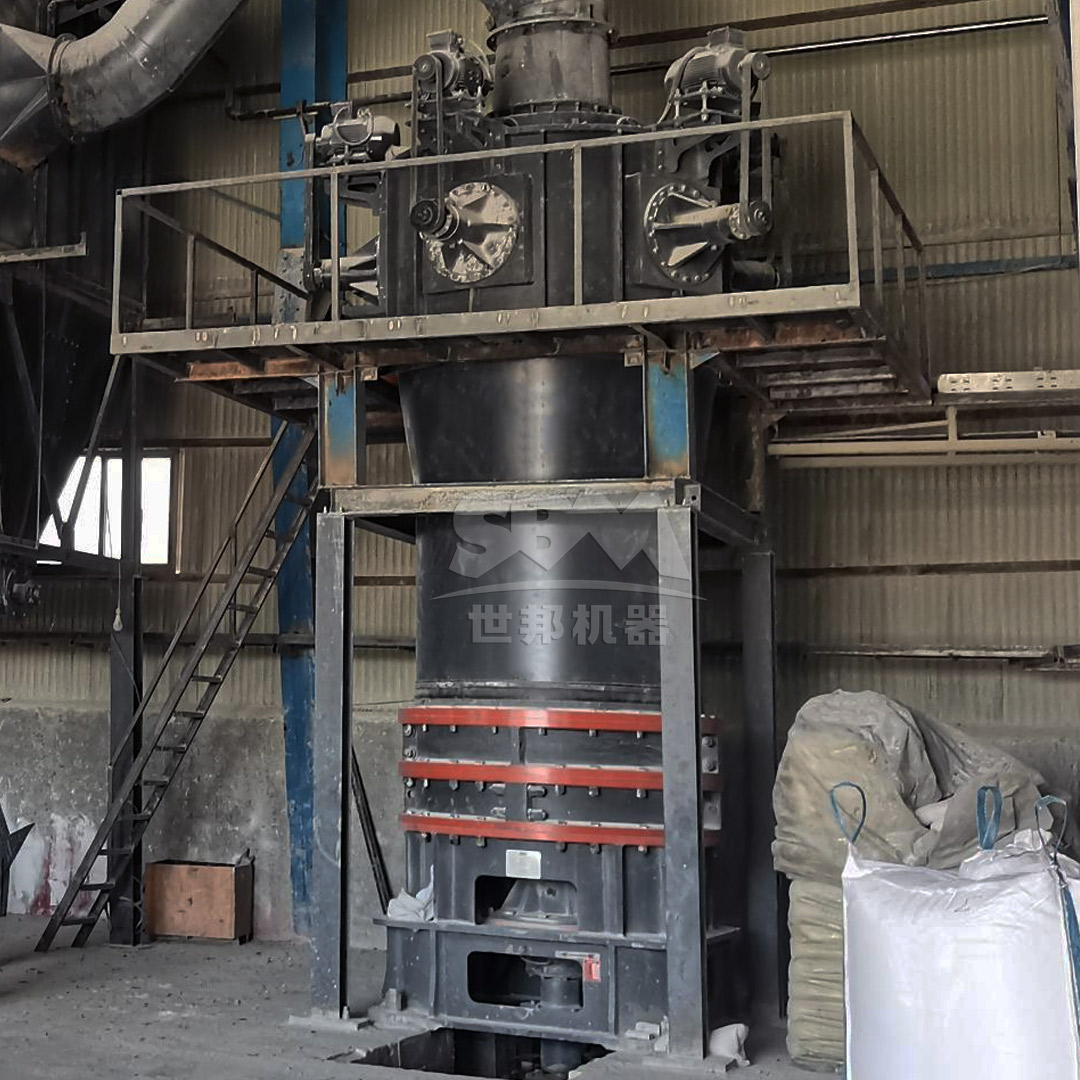
3. Blending and Composite Formulation
The ground ultrafine titanium gypsum is then mixed with other cementitious materials. A typical formula might include 30-50% titanium gypsum, 30-40% slag powder, and 20-30% Portland cement clinker. This blend is further co-ground or mixed in a high-efficiency mixer. The use of a ball mill or a vertical cement mill for the final blending ensures a homogeneous distribution of particles.
4. Performance Optimization and Testing
The final composite material should be tested for setting time, compressive strength, and water resistance. Adding chemical activators like lime or sodium sulfate can further enhance early strength. The intelligent control system of the SCM series mill allows for automatic feedback on finished product granularity, ensuring consistent quality in every batch.
Alternative Grinding Solutions
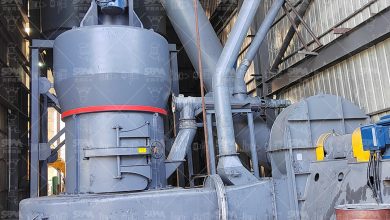
For projects requiring different fineness or throughput, our LUM Ultrafine Vertical Roller Mill is also highly effective. It achieves the same 325-2500 mesh fineness but uses a vertical roller design, which is more energy-efficient for certain bulk materials. Its multi-rotor classifying technology ensures no coarse particles infiltrate the final product, which is critical for high-performance cementitious binders.
Technical Advantages of Our Equipment
- High Efficiency & Energy Saving: The SCM mill offers capacity 2x that of jet mills, with 30% lower energy consumption.
- Durable Design: Special material rollers and rings extend service life several times over, reducing operational downtime.
- Eco-friendly Operation: Pulse dust collection efficiency exceeds international standards, and the soundproof room design ensures low noise levels.
Conclusion
Preparing high-performance titanium gypsum composite cementitious materials is a scientific and profitable way to recycle industrial waste. The key to success lies in the precise control of particle size distribution through ultrafine grinding. By utilizing advanced machinery like the SCM Series Ultrafine Mill or the LUM Ultrafine Vertical Roller Mill, manufacturers can turn a problematic by-product into a high-value construction material, contributing to both economic efficiency and environmental sustainability.