What Grinding Mill Is Best for Bentonite Powder? How About the Bentonite High-Pressure Suspension Roller Mill?
Introduction to Bentonite and Its Applications
Bentonite is a naturally occurring clay mineral primarily composed of montmorillonite, a layered aluminosilicate. Its unique properties—including high water absorption, swelling capacity, cation exchange ability, and thixotropic behavior—make it indispensable across a wide range of industries. From drilling mud in oil and gas exploration to foundry sand binders, from pet litter and cosmetics to pharmaceuticals and civil engineering, bentonite powder plays a critical role. As global demand for high-quality bentonite continues to rise, choosing the right grinding mill becomes a strategic decision for producers seeking efficiency, product consistency, and cost-effectiveness.
Bentonite processing typically involves crushing, drying, and grinding to achieve the desired particle size distribution. The final fineness often ranges from 200 mesh to 2500 mesh, depending on the end-use application. For drilling-grade bentonite, 200–325 mesh is common; for cosmetics and pharmaceuticals, ultrafine grades below 10 μm may be required. This diversity in product specifications means that a single mill type may not suit all bentonite producers. Therefore, understanding the capabilities of different grinding technologies is essential.
Common Grinding Mills for Bentonite Powder Production
Several types of grinding mills are used in the bentonite industry, each with distinct advantages and limitations:
- Raymond Mill (High-Pressure Suspension Roller Mill): A traditional choice for bentonite grinding, capable of producing 80–325 mesh powder. It is known for its stable operation and relatively low investment cost.
- Ball Mill: Suitable for both dry and wet grinding, but energy consumption is high, and the product particle size distribution can be broad. Often used for lower-value applications.
- Vertical Roller Mill: Offers high capacity and energy efficiency for medium-fine grinding (30–325 mesh). Ideal for large-scale production.
- Ultrafine Mill: Capable of producing 325–2500 mesh powders, essential for high-value bentonite products such as organoclays and nanofillers.
- Hammer Mill: Used for preliminary crushing to 0–3 mm, not for final grinding.
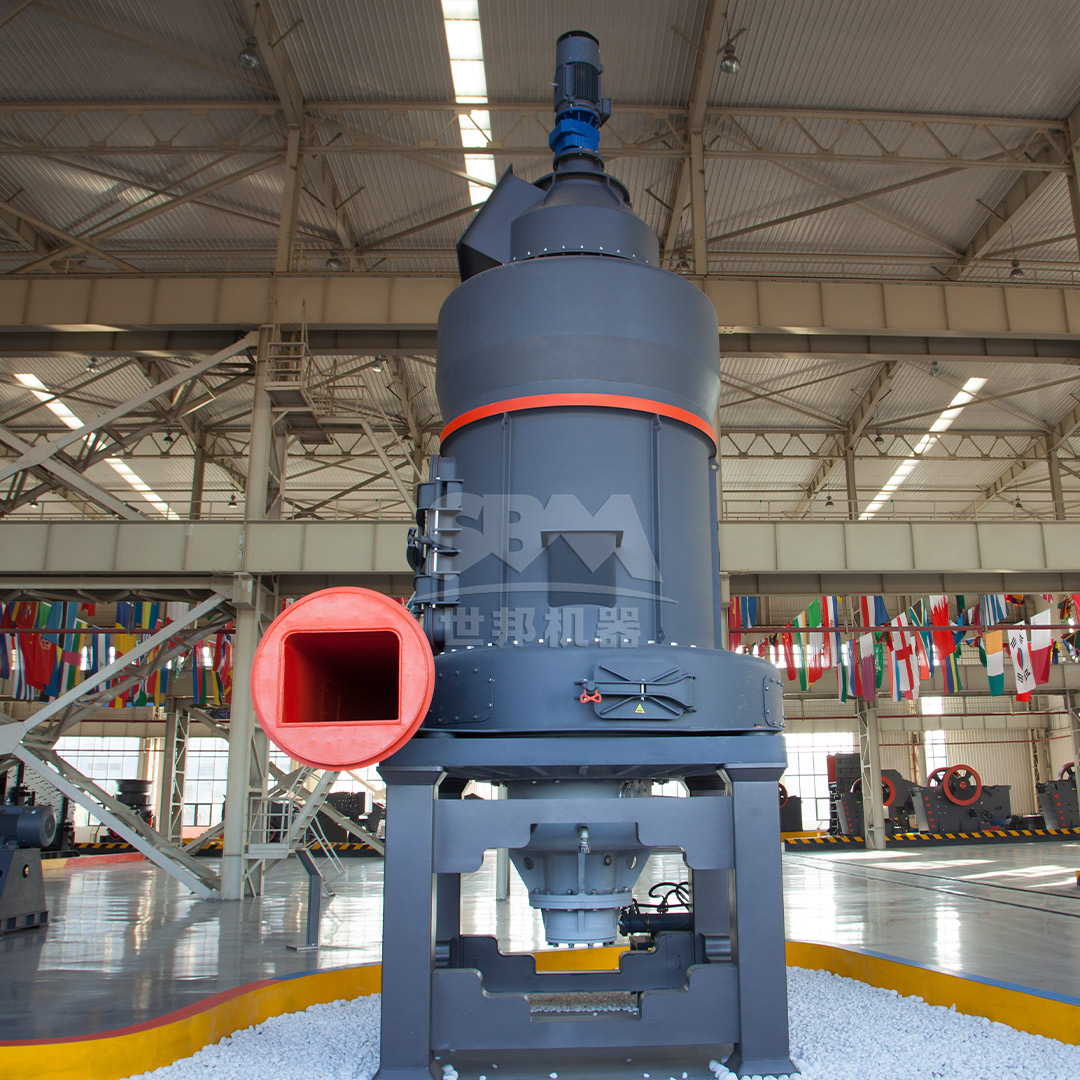
Among these, the High-Pressure Suspension Roller Mill (often referred to as a high-pressure Raymond mill) has long been a workhorse in bentonite processing. It combines grinding, classification, and conveying in a closed loop, offering a good balance between fineness and throughput. However, as product requirements become more stringent, many producers are turning to more advanced technologies such as the MTW European Trapezium Mill and the SCM Ultrafine Mill from our company. These mills address the limitations of traditional high-pressure suspension roller mills while delivering superior performance.
What Is a High-Pressure Suspension Roller Mill?
The high-pressure suspension roller mill is an enhanced version of the traditional Raymond mill. It features a set of rollers suspended from a central shaft, which press against a rotating grinding ring. The material is fed between the rollers and ring, and the centrifugal force generated by the rotation causes the rollers to press the material against the ring, achieving size reduction. An integrated classifier separates fine powder from coarse particles, which are returned for further grinding.
For bentonite, this mill can produce powders from 80 to 325 mesh (180–45 μm) with capacities ranging from a few tons per hour to over 20 tons per hour, depending on the model. Its advantages include simple structure, easy operation, and relatively low capital cost. However, it has drawbacks: the finished product fineness is limited (rarely below 45 μm), energy efficiency is moderate, and wear parts require frequent replacement when processing abrasive clays like bentonite.
How Does the High-Pressure Suspension Roller Mill Perform on Bentonite?
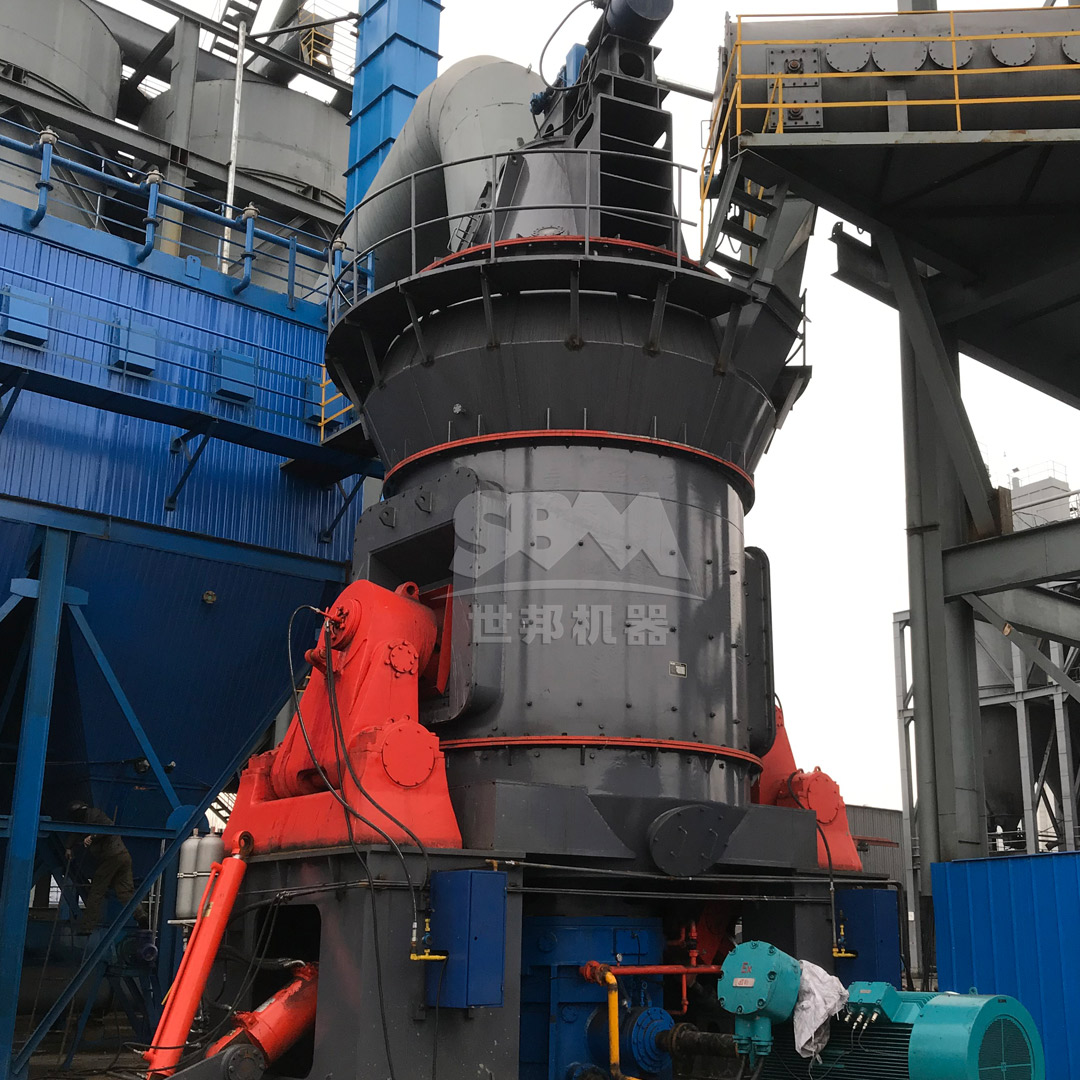
When grinding bentonite, the high-pressure suspension roller mill can achieve a fineness of 200–325 mesh with reasonable throughput. It is suitable for producing drilling mud grade and foundry grade bentonite. However, because bentonite is relatively soft (Mohs hardness 1–2) but has a tendency to agglomerate when moist, the mill must be equipped with a drying system (hot air) to reduce moisture content to less than 6%. Without proper drying, the grinding efficiency drops significantly, and the classifier may clog.
Moreover, the high-pressure suspension roller mill’s classifier is typically a simple centrifugal type, which may not deliver a sharp cut point. This can result in a product with a broad particle size distribution—acceptable for some applications but not for high-end uses. Additionally, the mill’s energy consumption per ton of product is relatively high compared to modern vertical roller mills or ultrafine mills. Maintenance costs can also add up because the grinding rollers and rings wear out faster when processing bentonite that contains quartz or other hard impurities.
In summary, while the high-pressure suspension roller mill is a proven and affordable option for basic bentonite grinding, it may not be the best choice for producers aiming for ultrafine powders, high capacity, or strict quality control. For those advanced needs, our company offers two superior alternatives: the MTW Series European Trapezium Mill and the SCM Series Ultrafine Mill.
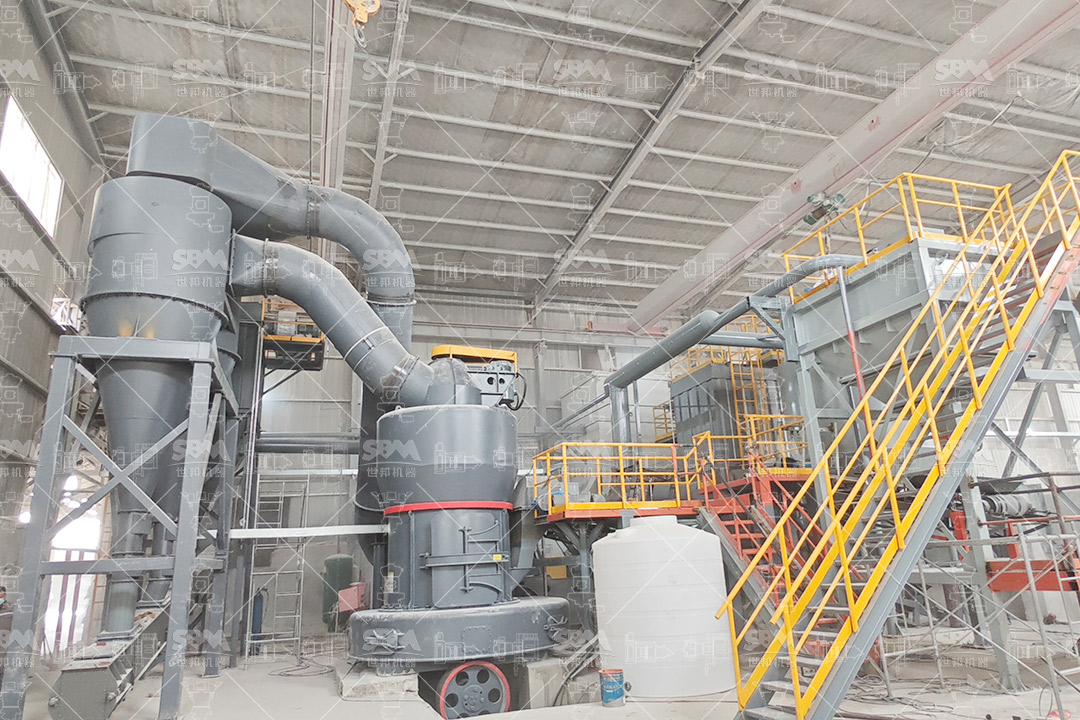
MTW Series European Trapezium Mill: A Modern Upgrade for Bentonite Grinding
Our MTW Series European Trapezium Mill is designed to overcome the shortcomings of traditional high-pressure suspension roller mills. It incorporates several patented technologies that make it ideal for bentonite processing.
Key advantages for bentonite:
- Anti-wear shovel design: Combined shovel blades and curved rollers reduce maintenance costs and extend roller life—critical when grinding abrasive bentonite.
- Optimized arc air duct: Reduces airflow energy loss and improves transmission efficiency, lowering power consumption per ton.
- Integral bevel gear drive: Transmission efficiency up to 98%, saving space and reducing installation costs.
- Wear-resistant volute structure: Non-resistance flow design improves air selection efficiency and reduces maintenance costs by 30%.
The MTW mill can produce bentonite powder from 30 to 325 mesh (down to 0.038 mm) with capacities from 3 to 45 t/h. Its internal suction oil lubrication system ensures reliable operation, while the internationally advanced pulse dust removal technology keeps emissions well below environmental limits. The model range includes MTW110, MTW138Z, MTW175G, MTW215G, and MRN series, all with nominal fineness of 10–325 mesh. For a typical bentonite plant requiring 10–20 t/h at 200 mesh, the MTW138Z or MTW175G is an excellent choice.
SCM Series Ultrafine Mill: For High-Value Bentonite Products
If your target market includes organoclays, rheological additives, or pharmaceutical-grade bentonite, you need ultrafine grinding below 45 μm, often down to 5–10 μm. The SCM Series Ultrafine Mill is purpose-built for this task.
Why SCM stands out for bentonite:
- High efficiency & energy saving: Capacity is twice that of jet mills, with 30% lower energy consumption. Intelligent control with automatic finished product granularity feedback ensures consistent quality.
- High-precision classification: Vertical turbine classifier achieves precise particle size cutting, with no coarse powder mixing—essential for uniform ultrafine bentonite.
- Durable design: Special material rollers and rings extend service life several times over. Shaftless screw grinding chamber ensures stable operation.
- Eco-friendly & low noise: Pulse dust collection efficiency exceeds international standards. Soundproof room design keeps noise levels low.
The SCM mill can produce 325–2500 mesh (45–5 μm) powders with capacities from 0.5 to 25 t/h depending on the model (SCM800, SCM900, SCM1000, SCM1250, SCM1680). For bentonite, typical ultrafine products include 1250 mesh (10 μm) and 2500 mesh (5 μm). The working principle involves three layers of grinding rings rotating at high speed, with materials crushed by roller pressure and then precisely classified. This makes SCM the ideal choice for high-margin bentonite specialties.
Comparing the Options: Which Mill Is Best for Your Bentonite?
The answer depends on your specific product requirements and production scale:
- For 200–325 mesh, small to medium capacity (up to 10 t/h): A high-pressure suspension roller mill may be sufficient if capital is limited. However, our MTW mill offers better wear life and energy efficiency at a competitive price.
- For 200–325 mesh, large capacity (10–45 t/h): The MTW Series European Trapezium Mill is clearly superior. Its robust construction and optimized airflow make it a reliable workhorse for bentonite.
- For ultrafine powder (325–2500 mesh): The SCM Series Ultrafine Mill is the only viable choice among our offerings. It delivers the precision and consistency demanded by high-end applications.
- For very large-scale operations (over 50 t/h): Consider our LM Vertical Roller Mill, which can handle up to 250 t/h and offers integrated drying, grinding, and classification. However, for bentonite, the MTW and SCM are often more cost-effective.
It is also worth noting that bentonite often requires drying before grinding. The MTW and SCM mills can be equipped with hot air generators to dry material during grinding, eliminating the need for a separate dryer. This simplifies the flowsheet and reduces energy consumption.
Conclusion
The high-pressure suspension roller mill has served the bentonite industry well for decades, but it is not the best solution for every application. As product specifications tighten and energy costs rise, modern mills like our MTW European Trapezium Mill and SCM Ultrafine Mill offer decisive advantages in efficiency, product quality, and maintenance. Whether you are producing drilling mud or advanced organoclays, we have a grinding solution to meet your needs. Contact our engineers today to discuss your bentonite project and receive a customized recommendation.