
Application of Limestone Vertical Roller Mill in Power Plant Flue Gas Desulfurization
1. Introduction to Flue Gas Desulfurization (FGD) in Power Plants
Coal-fired power plants are a major source of energy worldwide, yet they face stringent environmental regulations concerning sulfur dioxide (SO2) emissions. SO2 is a primary contributor to acid rain and respiratory illnesses. Among the various technologies available for SO2 removal, Wet Flue Gas Desulfurization (WFGD) has emerged as the industry standard, primarily due to its high desulfurization efficiency, typically exceeding 95%. The most common WFGD process utilizes a limestone (calcium carbonate, CaCO3) slurry to react with and absorb SO2 from the flue gas. The quality and fineness of the limestone reagent are paramount to the efficiency and economic viability of this process. A poorly prepared sorbent can lead to reduced SO2 capture, higher operational costs, and increased water consumption. Therefore, the selection of an efficient and reliable grinding system for limestone preparation is a critical engineering decision for any modern power plant.
In most WFGD systems, the desired fineness for limestone is 90% passing 325 mesh (45 μm) or 94% passing 325 mesh, depending on the specific absorber design and coal sulfur content. The grinding process must be able to handle high-throughput demands, provide a consistent product quality, and operate with optimal energy efficiency. While several mill types are available—such as ball mills and pendulum mills—the Vertical Roller Mill (VRM) has gained significant traction due to its unique combination of drying, grinding, and classifying capabilities in a single unit. This article focuses on the application of the LM Series Vertical Roller Mill by our company, which provides a state-of-the-art solution for limestone pulverization in this demanding environment.
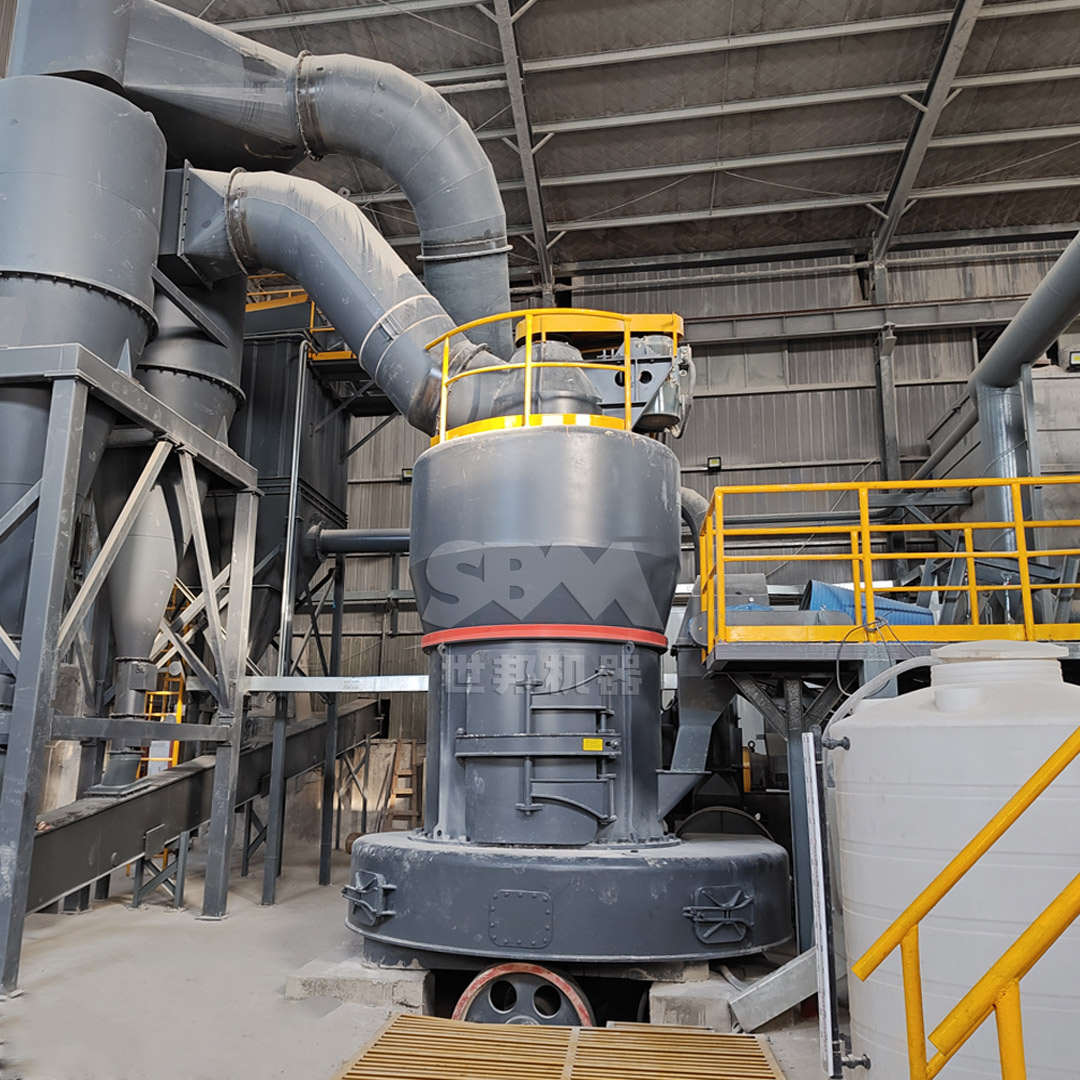
2. Why Choose a Vertical Roller Mill for FGD Limestone Grinding?
The core of a WFGD system is the absorber tower, where the limestone slurry contacts the flue gas. However, the reliability of the entire system hinges on the grinding station. Traditional ball mills, while robust, often consume between 30% to 40% more energy than vertical mills for the same capacity. Their large footprint requires substantial civil engineering investment, and they are noisy operations. Vertical Roller Mills (VRMs) offer a more sophisticated approach. They integrate fine crushing, grinding, drying (if required), and classifying into one operation, drastically reducing the complexity of the process flow.
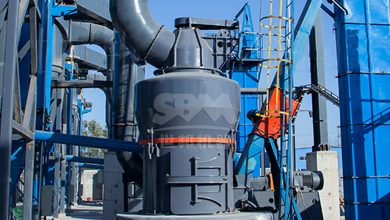
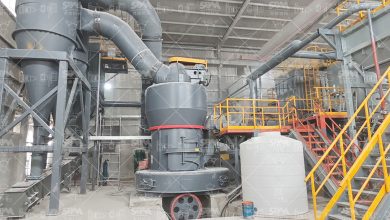
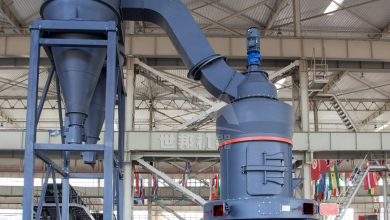
The working principle of a VRM is based on a moving grinding bed. The main motor drives the grinding table via a planetary reducer. Limestone, fed centrally, is dispersed by centrifugal force toward the periphery. Hydraulic cylinders then force the grinding rollers down onto the limestone bed. The material is crushed and ground into fine powder between the roller and the rotating table. A stream of hot or ambient air conveys the ground material to a dynamic classifier. Coarse particles are rejected and return to the table for further grinding, while those meeting the fineness specification (typically 45μm) pass through the classifier and are collected in a baghouse as the final product. This bed-grinding principle ensures high efficiency. Our company’s LM Series Vertical Roller Mill (600-45μm) has been specifically designed to meet the arduous demands of this application.
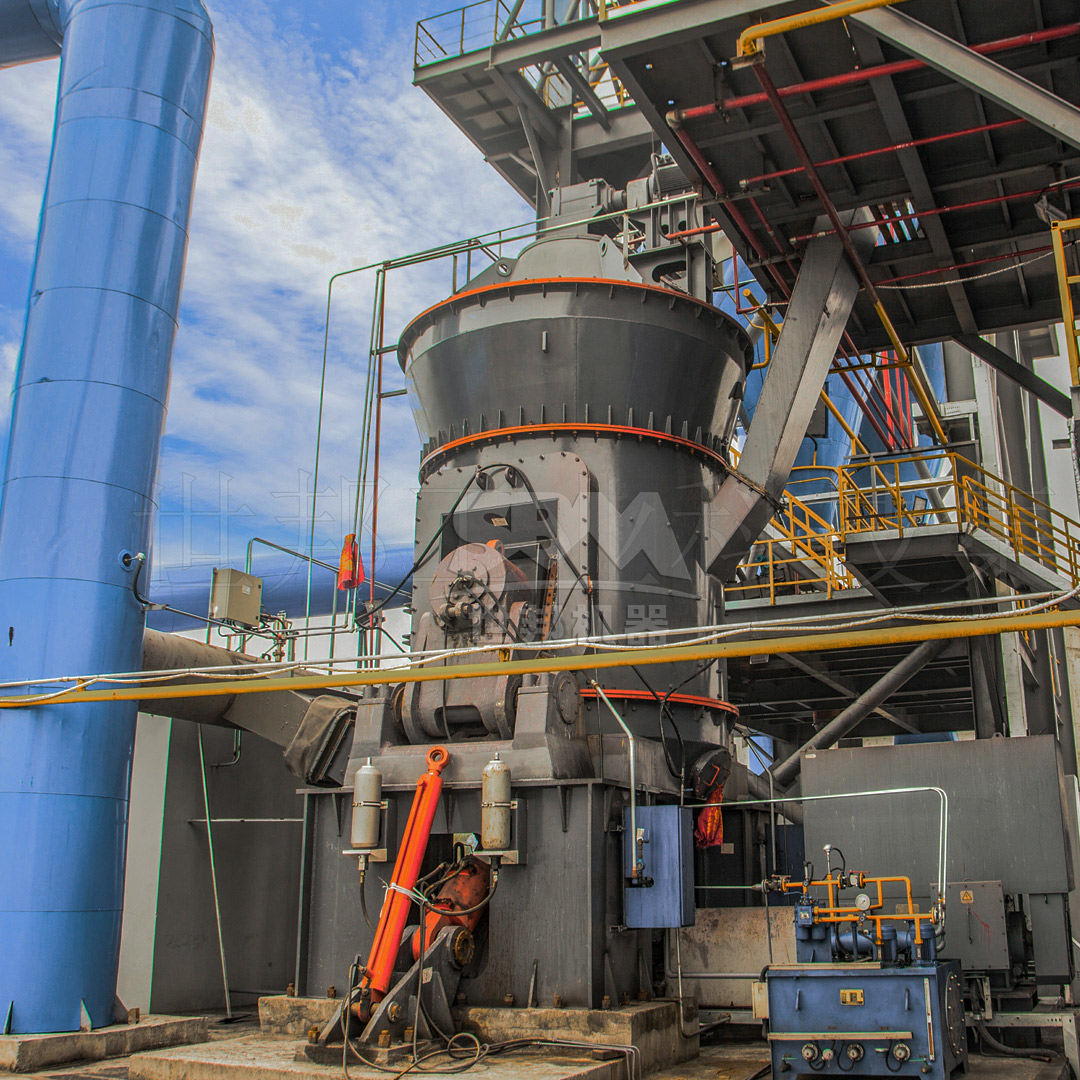
3. Technical Advantages of the LM Series in FGD Systems
The adoption of the LM Series Vertical Roller Mill is driven by several distinct technical and economic advantages that directly benefit the FGD process:
Integrated Design and Reduced Footprint: Our LM mill system combines a high-efficiency dynamic classifier, the grinding table, rollers, and a hot air inlet duct. This pre-assembled integration reduces the floor space required by up to 50% compared to a ball mill circuit. For retrofit projects in existing power plants where space is often constrained, this is a critical advantage. This modular design also permits outdoor installation, reducing infrastructure costs by up to 40%.
Energy Efficiency (Lower Operating Cost): Energy consumption is one of the highest operational costs in limestone preparation. The LM series utilizes a non-contact design between the rollers and the grinding table during the initial start-up sequence, and the grinding efficiency is optimized by the material bed. This mechanism ensures that the specific power consumption is 30-40% lower than that of traditional ball mill systems, translating directly into significant annual savings for the plant.
High Wear Life and Reliability: The grinding environment is abrasive. Standard mills suffer from high wear rates on rollers and the table. Over the years, we have optimized the wear parts metallurgy and geometry for limestone. By modifying the grinding roller assembly and utilizing specialized high-chromium alloy materials, the service life of our grinding rollers and table liners can be extended by more than three times when grinding standard limestone, ensuring long periods of uninterrupted operation.
Precise Particle Size Distribution and Fineness Control: The quality of the CaCO3 sorbent directly correlates to the reactivity in the absorber tower. Over-grinding wastes energy, while under-grinding reduces desulfurization efficiency. The LM series features an intelligent control system and a high-precision dynamic classifier. The fineness (typically 325 mesh / 45 μm) can be adjusted in real-time, ensuring approximately 95% of the finished powder passes the required sieve, thus maximizing the active surface area of the sorbent. The temperature and pressure inside the mill are monitored continuously to maintain stable process conditions.
4. Technical Specifications and Integration in FGD Process Flow
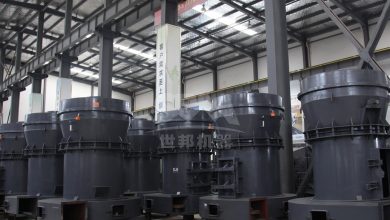
The FGD process typically demands capacities ranging from 10 t/h to over 200 t/h of finish powder, based on the power output (MW) and sulfur content of the coal. The limestone LM Series comes in multiple sizes to accommodate this broad spectrum of requirements. The grinding table diameters range from Φ1300mm (LM130K) for smaller installations up to Φ3400mm (LM340Y) for supercritical plants. The vertical fine-powder mill series (LM130X-GX to LM220X-GX) often uses a 3-roller system to produce 325 mesh material efficiently.
In a typical FGD milling plant, it is necessary to grind limestone with a moisture content of less than 5%. The LM mill uses a controllable flow of hot air (usually sourced from the pre-heater exit of the boiler) to dry the surface moisture while conveying the powder. This means the mill can process run-of-mine (ROM) limestone that has been crushed to a maximum size of ≤50mm, eliminating the need for a primary grinding circuit. The product quality is meticulously controlled by an expert-level automatic control system, which reduces manual intervention and allows for unattended operation of the desulfurization station.
For larger plants, an optimized solution often involves the use of the LM280K or the LM220K. These large units ensure that the milling capacity always has a safety margin to meet peak demand during high-load seasons without creating a bottleneck for the power generation process.
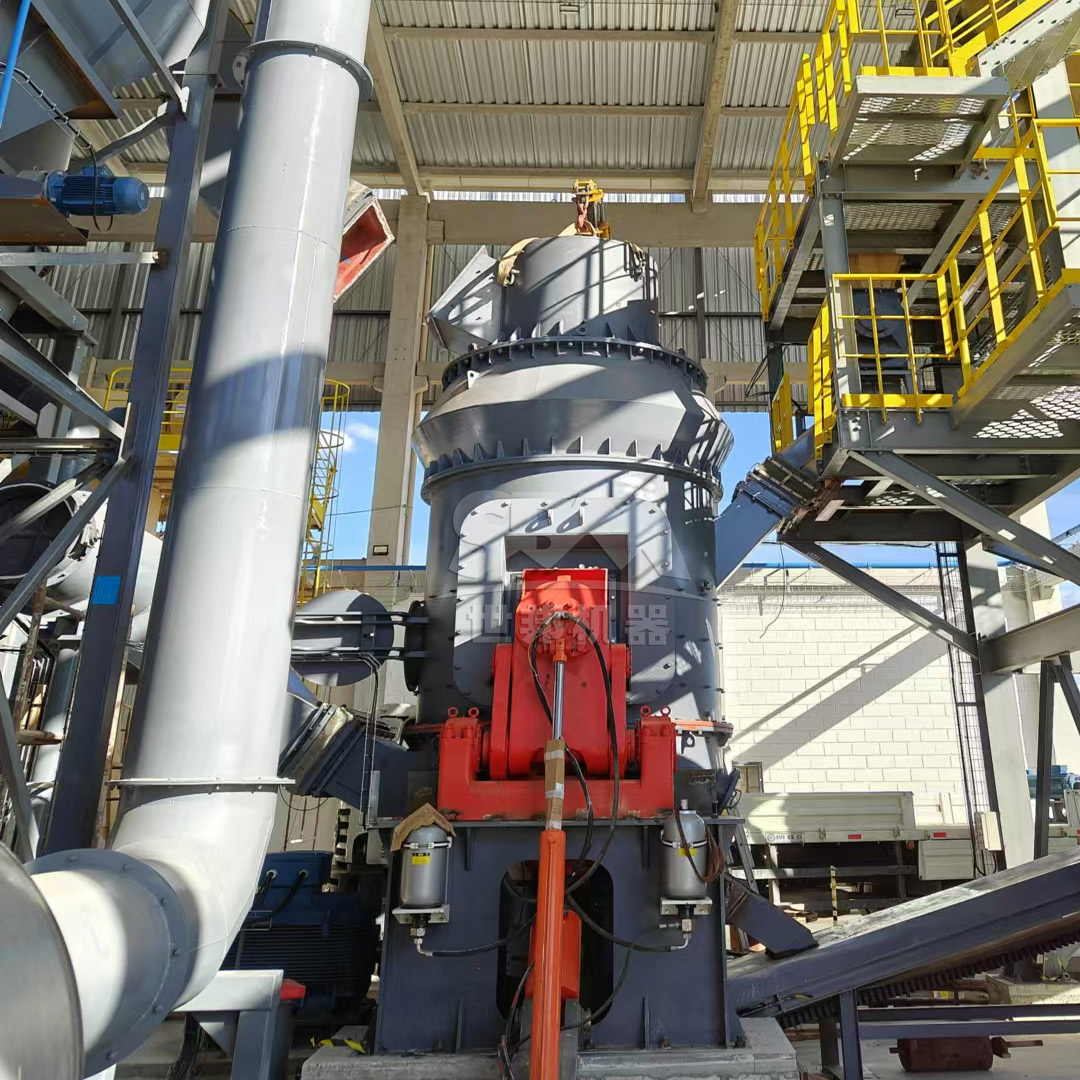
5. Product Spotlight: Our Recommended Grinding Solutions
When tasked with selecting the right equipment for such critical reliability, we recommend focusing on the core family of the LM Series Vertical Roller Mill (600-45μm). These machines are designed for grinding 30-325 mesh limestone, offering capacities ranging from 3 t/h to upward of 250 t/h. This main line of mills utilizes the vertical grinding table to process materials with a feed size of up to 50mm. They are also capable of achieving up to 600 mesh for specific additive applications.
However, considering the power plant’s demand for high throughputs and specific surface area, we also thoughtfully recommend our MRN Pendulum Mill. While the LM series handles huge volumes, the MRN Series is available in high capacities (up to 83 TPH) with a specific edge for harder limestones due to its robust thin oil lubrication system. Yet, for the optimal balance of energy savings and space efficiency, the LM-Y Vertical Pre-grinding Roller Mill is a unique choice. It is primarily used to pre-grind cement clinker or limestone (Max Feed: ≤20mm), but its high-intensity bed grinding is essential for large operations. Specifically, for an FGD station, we recommend the LM150Y or LM190K. The LM150Y offers a hydraulic system that allows for quick roller change-out schedules, ensuring maximum uptime.
For ultra-fine addition systems that require a higher degree of reactivity (above 600 mesh), the SCM Series Ultrafine Mill (45-5μm) is our best-in-class solution. Though typically used for fine powder, its patented shaft-less screw design and vertical turbine classifier make it a valuable asset when operators want to inject a highly pulverized ‘micronized’ limestone slurry to boost SO2 capture efficiency at lower liquid-to-gas ratios.
We emphasize again the LM Series Vertical Roller Mill as the market standard for this application. Its integrated design and practical power ratio make it the most competitive technology for handling coal-fired power emissions control. The portfolio covers the full range of the technical needs, ensuring efficiency and reliability in the environmental control sector.
6. Environmental Compliance and Low Maintenance Costs
Operating within a power station requires compliance with strict environmental standards regarding dust suppression and noise limits. The LM vertical roller mill excels in this regard due to its fully sealed negative pressure operation. In this configuration, the circulating fan creates a controlled vacuum inside the mill, preventing any dust leakage points and ensuring that emissions are kept below the most stringent international regulations. When paired with a standard pulse-jet baghouse, the system captures the finished powder efficiently, leaving squeaky-clean atmospheric discharge.
Furthermore, the mechanical layout of the LM series minimizes operational noise. The grinding table and rollers are enclosed in a heavy-duty casing, which dampens sound. In a retrofit study done for a client, replacing their old ball mills with our LM mills resulted in a sound level reduction of 20 dB(A). When considering the turn-key auxiliary components and the mainframe, the power consumption is lower than comparable technologies, contributing to the State’s carbon reduction goals. Routine maintenance, such as replacing the grinding rollers, can be performed entirely outside the mill thanks to the modular assembly, reducing downtime and ensuring environmental compliance.
7. Conclusion
The application of the LM Series Vertical Roller Mill in Flue Gas Desulfurization is a decisive factor in the operational efficiency and environmental performance of modern power plants. The reliability of the limestone preparation process is directly linked to the availability of the desulfurization system. Our LM series has been designed to provide multiple years of abrasion-resistant service with low energy costs and high reliability. The VRM technology proffers a high grinding capacity, extensive water control, and negligible dust emission while consuming a third less energy than traditional mills. For companies looking to modernize their FGD infrastructure, the vertical roller mill offers a technically superior and economically profitable answer to the ever-increasing global environmental challenges.