The Role of Limestone Vertical Roller Mills in Flue Gas Desulfurization for Coal-Fired Power Plants
Introduction: The Need for Efficient Flue Gas Desulfurization
Coal-fired power plants remain a significant source of global electricity generation. However, the combustion of coal releases sulfur dioxide (SO2), a major air pollutant responsible for acid rain and respiratory illnesses. To comply with increasingly stringent environmental regulations, power plants must implement effective Flue Gas Desulfurization (FGD) systems. Among the various FGD technologies, the wet limestone-gypsum process is the most widely adopted due to its high desulfurization efficiency (above 95%) and the valuable gypsum by-product it produces. A critical component of this process is the preparation of high-quality limestone slurry, which directly influences the system’s performance, reliability, and operating costs. This is where the selection and operation of the limestone grinding equipment become paramount.
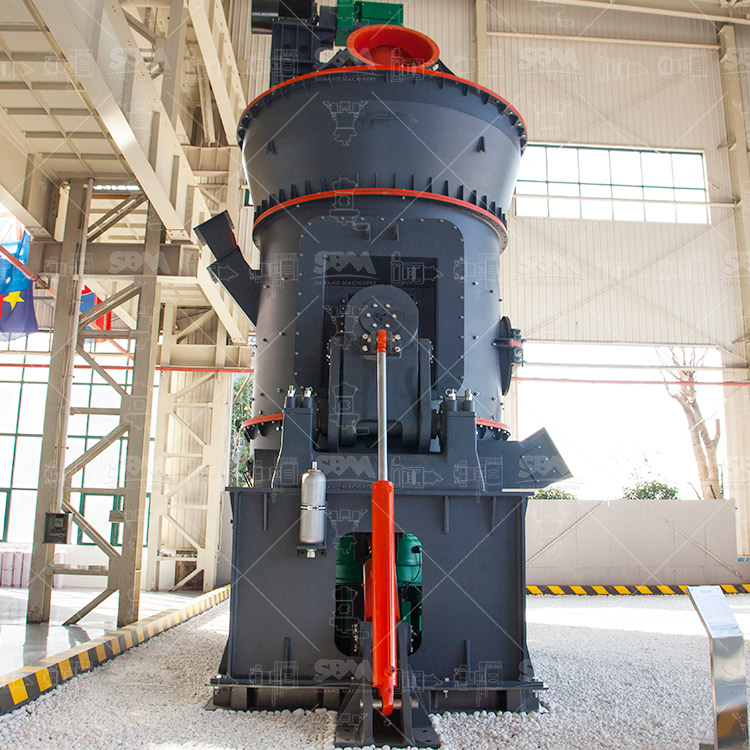
The Criticality of Limestone Grinding in Wet FGD
In a wet FGD system, flue gas is contacted with a slurry of water and finely ground limestone. The SO2 in the gas reacts with the calcium carbonate (CaCO3) in the limestone to form calcium sulfite, which is subsequently oxidized to produce gypsum. The efficiency of this chemical reaction is heavily dependent on the surface area of the limestone particles. Therefore, the limestone must be milled to a precise fineness, typically with a particle size distribution where 90% passes through a 325-mesh sieve (approximately 44 micrometers).
An inadequately ground limestone product—characterized by coarse particles or a wide, uncontrolled particle size distribution—leads to several problems:
- Reduced SO2 Removal Efficiency: Coarse particles have less surface area for reaction, slowing the absorption kinetics and potentially causing the plant to exceed emission limits.
- Increased Reagent Consumption: Unreacted limestone is wasted, leading to higher operating costs and contamination of the by-product gypsum.
- Poor Gypsum Quality: The quality of the gypsum by-product is critical for its sale in the construction industry. Poor limestone grinding can lead to off-specification gypsum that is difficult to dewater and has reduced commercial value.
- Scaling and Blockages: Oversized particles can settle in the absorber vessel, pipelines, and nozzles, causing scale formation, blockages, and increased maintenance downtime.
Consequently, ensuring the production of a consistent and high-quality limestone powder is non-negotiable for the economic and environmental viability of a modern coal-fired power plant.
Advantages of Vertical Roller Mills for FGD Limestone Grinding
While traditional ball mills have been used historically for FGD limestone grinding, the modern industry is increasingly turning to Vertical Roller Mills (VRMs). VRMs offer a range of significant technical and economic advantages that align perfectly with the demanding requirements of power plant operations.
The core principle of a VRM involves grinding a bed of material on a rotating table using hydraulically-loaded rollers. This bed grinding mechanism is inherently more energy-efficient than the impact and attrition grinding found in a ball mill. The energy savings can be substantial, typically ranging from 30% to 50% lower specific energy consumption. For a power plant, where auxiliary power consumption directly affects net output and profitability, this efficiency gain is a compelling reason for VRM adoption.
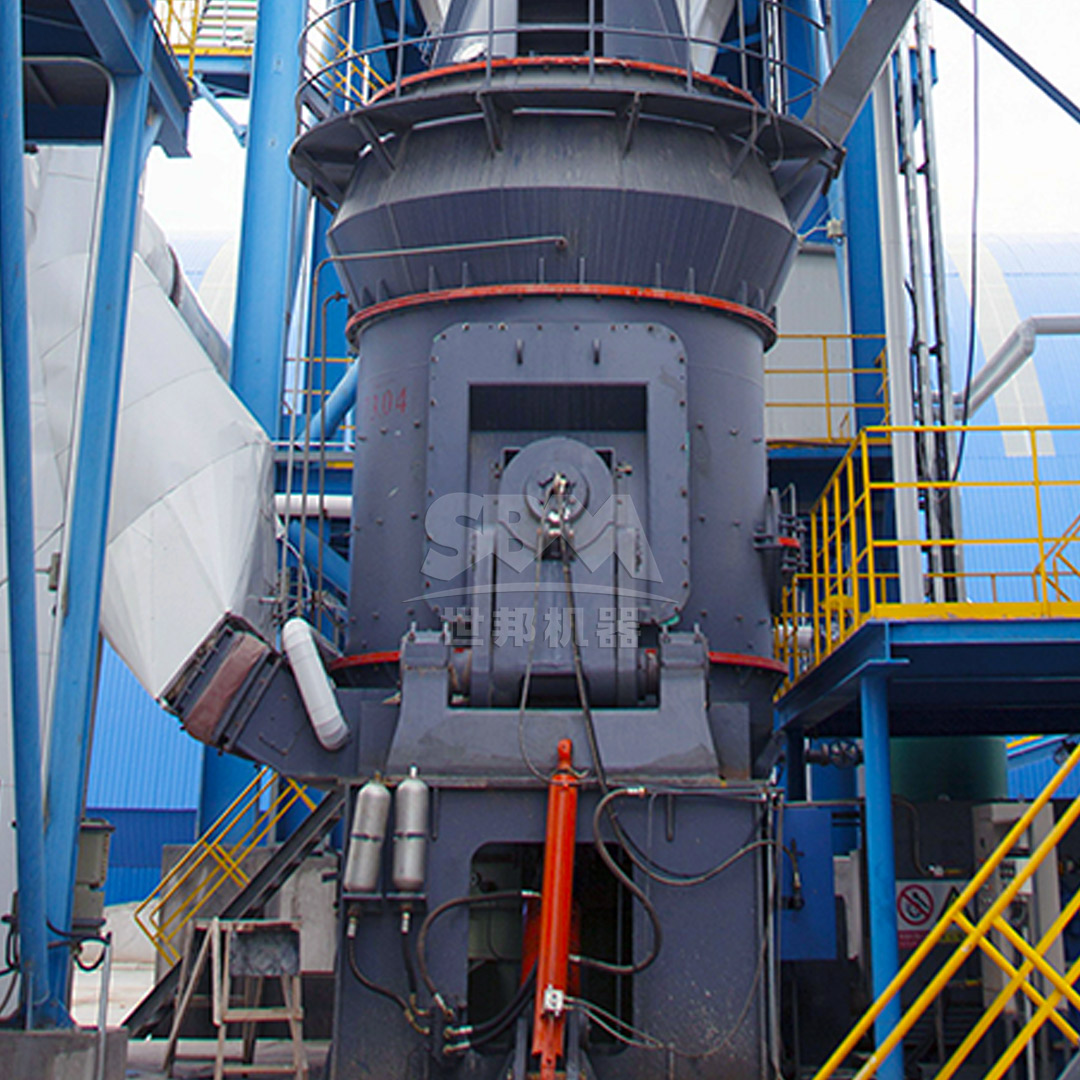
Furthermore, VRMs integrate the processes of drying, grinding, and classification into a single, compact unit. They can accept feed sizes of up to 50mm, eliminating the need for a separate crushing stage. The integral high-efficiency classifiers ensure a narrow particle size distribution, precisely cutting at the desired fineness and minimizing the over-grinding of fines. This precise control is crucial for maximizing the reactivity of the limestone slurry. The floor space required for a VRM system is reduced by up to 50% compared to a ball mill system of equivalent capacity, leading to lower civil engineering and installation costs. Additionally, features like fully sealed, negative-pressure operation and integrated soundproofing contribute to a cleaner and quieter plant environment, meeting strict environmental and safety standards.
Securing Product Quality with Advanced Classification Technology
One of the key differentiators in producing superior FGD reagent is the precision of the classifier. Limestone powder that is too coarse will be wasteful, but an excess of ultra-fine particles is also undesirable as it can lead to the formation of a thick, paste-like slurry that challenges pumping and atomization. The ideal reagent has a controlled and consistent fineness.
Vertical Roller Mills equipped with advanced dynamic classifiers provide an unmatched level of precision. These classifiers use a variable-speed rotor to create a centrifugal force field that separates finely ground particles from coarser ones. By adjusting the rotor speed, plant operators can fine-tune the product fineness in real-time to optimize the balance between SO2 removal capacity and slurry handling properties. This capability is a significant upgrade from the less efficient static or external classifiers used in older systems. For instance, achieving a consistent product with a specific surface area and particle size distribution ensures that the reagent is fully utilized in the absorber, maximizing performance while minimizing waste.
Enhancing Performance with Advanced Grinding Solutions
In the modern power industry, robustness and reliability are non-negotiable. Mills must handle the abrasive nature of limestone while maintaining throughput and product quality around the clock. Our company has developed specialized mill series that exemplify the next generation of fine grinding technology, particularly suited for demanding applications such as FGD reagent preparation.
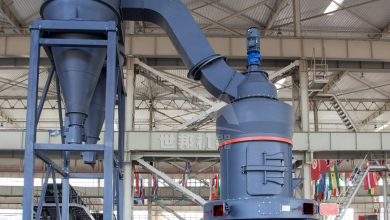
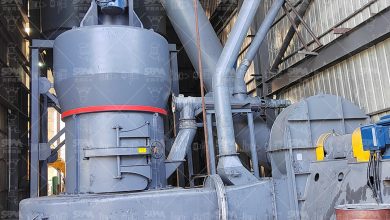
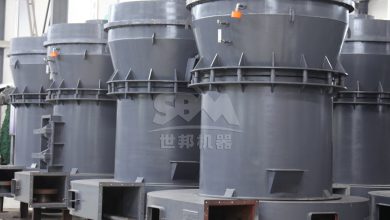
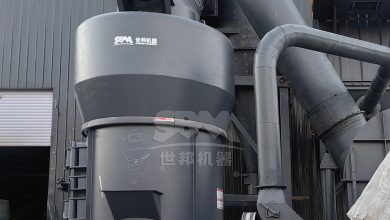
For applications requiring an ultra-fine product, we recommend our LUM Ultrafine Vertical Roller Mill. The LUM series is engineered to produce powders in the 325-2500 mesh range (approximately 45-5 micrometers), which is at the essential fineness for highly reactive FGD slurry. Key features of the LUM series include:
- Efficient Grinding: Unique roller and liner curves maximize grinding efficiency and minimize energy consumption.
- Precise Classifying: Multi-rotor technology ensures a sharp particle size distribution with no coarse powder mixing, guaranteeing every particle contributes to the desulfurization reaction.
- Smart Control: PLC-based automation provides stable and reliable operation, reducing the need for intensive manual monitoring.
- Environmental Performance: The fully sealed, negative-pressure operation prevents any dust leakage, maintaining a safe and clean plant environment.
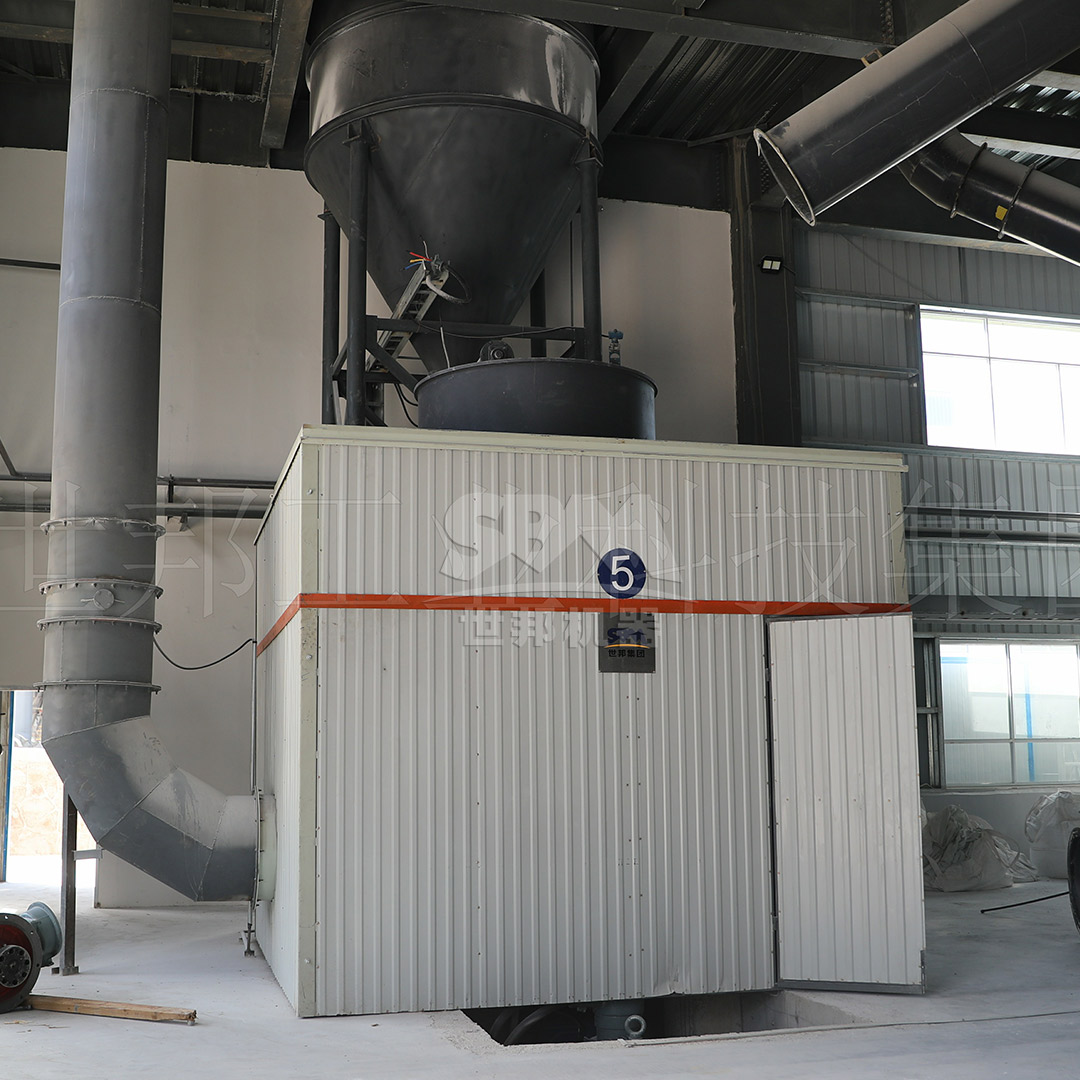
Depending on the required capacity and plant layout, our LM Vertical Roller Mill series is also perfectly suited for FGD limestone grinding. The LM series is a proven workhorse for non-metallic mineral processing, offering capacities from 3 to 250 tons per hour. It features an integrated design that combines material crushing, grinding, and classification in one system. Its lower operating costs, increased wear life, and intelligent control system make it an ideal and economical choice for both new installations and retrofits in coal-fired power plants.
Operational Considerations and Integration
Integrating a VRM into a power plant’s balance-of-plant systems is straightforward. The mill can be designed to dry the limestone using excess heat from the power generation process or can be configured with a standalone hot air generator. Moisture content in the feed can be managed effectively by controlling the inlet air temperature. The mill system is also designed for rapid start-up and shutdown, which is essential if the FGD plant is required to be available during peak price periods or to respond to fluctuating power demand on the grid.
Furthermore, modern VRM systems are equipped with comprehensive condition monitoring technologies. Sensors track vibration, bearing temperature, hydraulic pressure, and other critical parameters in real-time. Predictive analytics can identify potential wear or failures before they cause an unscheduled outage. This proactive maintenance capability is invaluable for a power plant where a single forced outage can incur enormous costs in lost production and penalties for non-compliance.
Economic and Environmental Outcomes
The adoption of Vertical Roller Mill technology directly contributes to both the economic and environmental sustainability of a coal-fired power plant. The reduction in auxiliary energy consumption directly lowers the plant’s internal electricity load, allowing more power to be sold to the grid. Lower wear rates for internal components mean fewer maintenance interventions, reduced spare parts inventory, and lower labor costs. Environmentally, a more efficient milling process reduces the plant’s carbon footprint per MWh of power generated. The production of a high-quality gypsum by-product also transforms a solid waste stream into a valuable resource, aligning with circular economy principles.
In conclusion, while the desulfurization plant is critical for environmental compliance, the selection of technology for limestone slurry preparation is a key driver of the plant’s overall efficiency and economic viability. The shift towards Vertical Roller Mills is not just a trend, but a strategic upgrade that yields dividends in performance, cost, and environmental stewardship over the lifetime of the power station.
Conclusion
The demand for cleaner energy necessitates efficient and reliable technologies. By leveraging the advanced capabilities of Vertical Roller Mills, particularly our high-performance LUM and LM series, power plant operators can ensure that their FGD processes are optimized for maximum SO2 removal, minimal reagent waste, and profitable gypsum production. A robust limestone grinding solution is not merely an ancillary component; it is a fundamental pillar of modern, responsible, and efficient coal-fired power generation.