What Equipment is Needed for Granulation Method High-Strength Gypsum Powder Production Line?
Introduction
High-strength gypsum powder, primarily composed of alpha-hemihydrate gypsum (α-CaSO4·0.5H2O), is a premium building material renowned for its exceptional strength, density, and surface finish. Its production via the granulation method (also known as the autoclave or hydrothermal method) is a sophisticated process that transforms raw gypsum rock into a high-performance product. This method involves controlled calcination under steam pressure, followed by precise drying and grinding. The success of this process hinges on a meticulously designed production line equipped with specialized machinery. This article provides a comprehensive overview of the essential equipment required for a modern, efficient, and high-yield granulation method high-strength gypsum powder production line.
Core Process Stages and Corresponding Equipment
The production line can be logically divided into several sequential stages, each demanding specific equipment to perform its function optimally.
1. Raw Material Preparation and Crushing
The process begins with raw gypsum ore (dihydrate, CaSO4·2H2O). The initial step is to reduce large gypsum rocks into a manageable size for subsequent processing.
- Primary Crusher (Jaw Crusher): Handles large, irregularly sized raw ore, reducing it to a size of approximately 100-200mm.
- Secondary Crusher (Hammer Mill or Impact Crusher): Further crushes the material to a finer size, typically below 50mm, to ensure uniform feeding into the grinding mill. A hammer mill is often preferred for its high reduction ratio and ability to handle moderately moist material.
2. Grinding for Autoclave Feed
The crushed gypsum must be ground to a specific fineness to maximize the surface area for the subsequent hydrothermal reaction in the autoclave. This ensures complete and uniform conversion to alpha-hemihydrate.
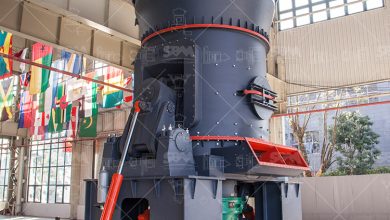
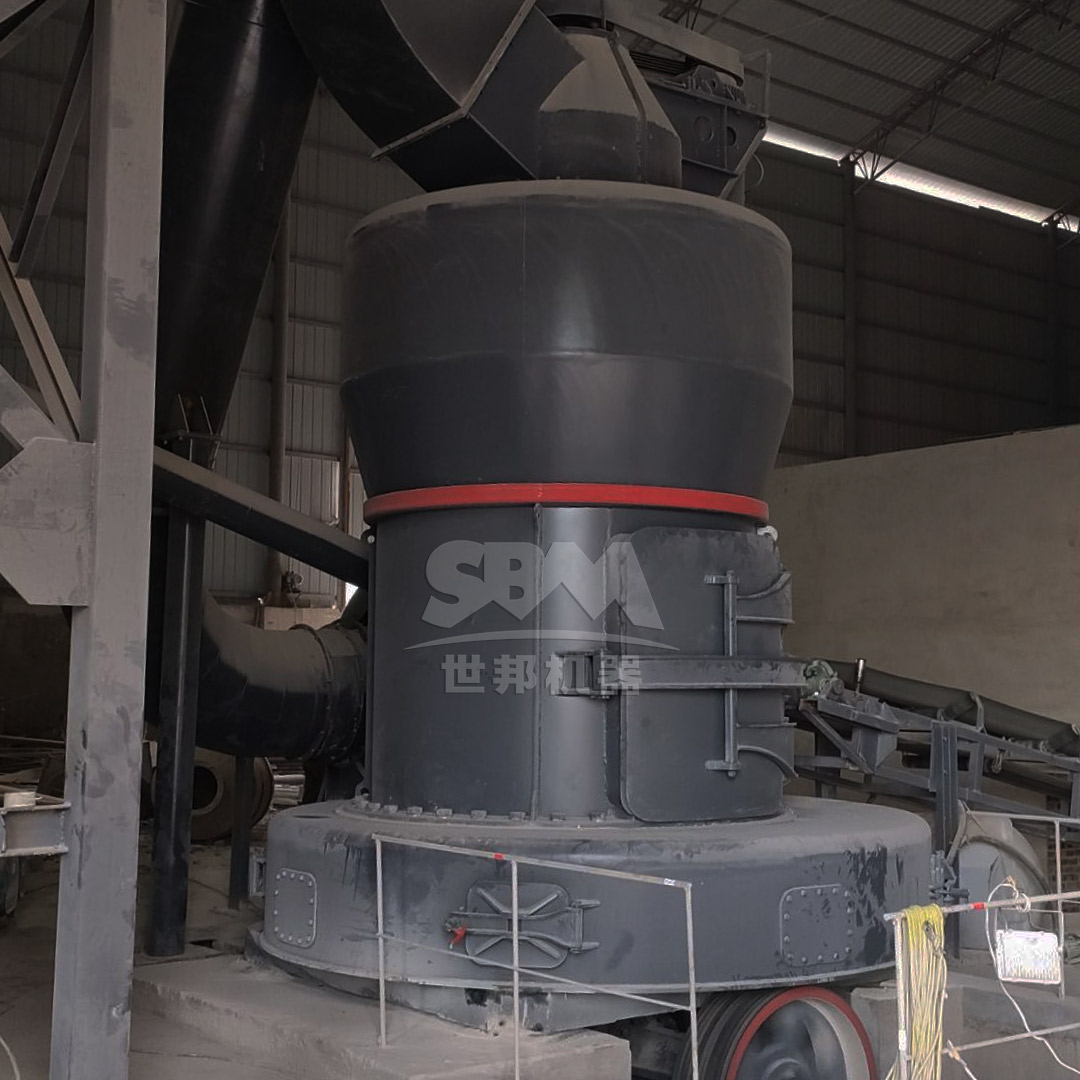
- Raw Material Grinding Mill: The ground material, typically aiming for a fineness of 30-100 mesh (0.6mm-0.15mm), is fed into the autoclave. For this stage, a MTW Series European Trapezium Mill is an excellent choice. Its advantages are particularly relevant here: the anti-wear shovel design and wear-resistant volute structure handle the abrasive gypsum effectively, reducing maintenance costs. The integral bevel gear drive offers high transmission efficiency (up to 98%) and reliability, which is crucial for continuous pre-autoclave grinding operations. Its capacity range of 3-45 tons per hour can be matched to various production scales.
3. The Heart of the Process: Autoclave System
This is the defining stage for the granulation method. The ground dihydrate gypsum is subjected to steam under pressure in a saturated steam atmosphere.
- Autoclave (Steam Pressure Vessel): A large, cylindrical, pressure-rated vessel equipped with internal stirring or tumbling mechanisms. It operates at specific temperatures (typically between 120°C and 160°C) and pressures. The saturated steam environment drives the dehydration of dihydrate gypsum into dense, crystalline alpha-hemihydrate.
- Steam Boiler System: Provides the necessary saturated steam at consistent pressure and temperature.
- Feeding and Discharging System: Automated systems for loading the ground gypsum into the autoclave and discharging the reacted “cake” after the cycle is complete.
4. Drying and De-agglomeration
The discharged material from the autoclave is a moist agglomerate of alpha-hemihydrate crystals. It must be dried to a very low residual moisture content (often below 1%) and broken down.
- Flash Dryer or Rotary Dryer: Uses hot air to rapidly evaporate surface and crystal water. Flash dryers are common for their efficiency and short material residence time.
- De-agglomerator (Disintegrator/Mill): Breaks down the dried cakes or lumps into a free-flowing powder. This equipment prepares the material for the final precision grinding stage.
5. Final Precision Grinding and Classification
To achieve the superior strength and smooth finish characteristic of high-strength gypsum, the dried alpha-hemihydrate must be ground to a very fine and tightly controlled particle size distribution. This is the most critical step for product quality.
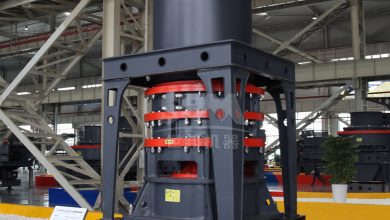
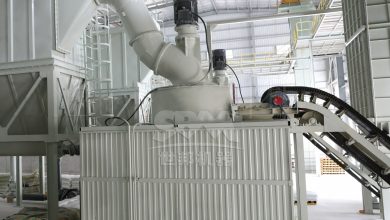
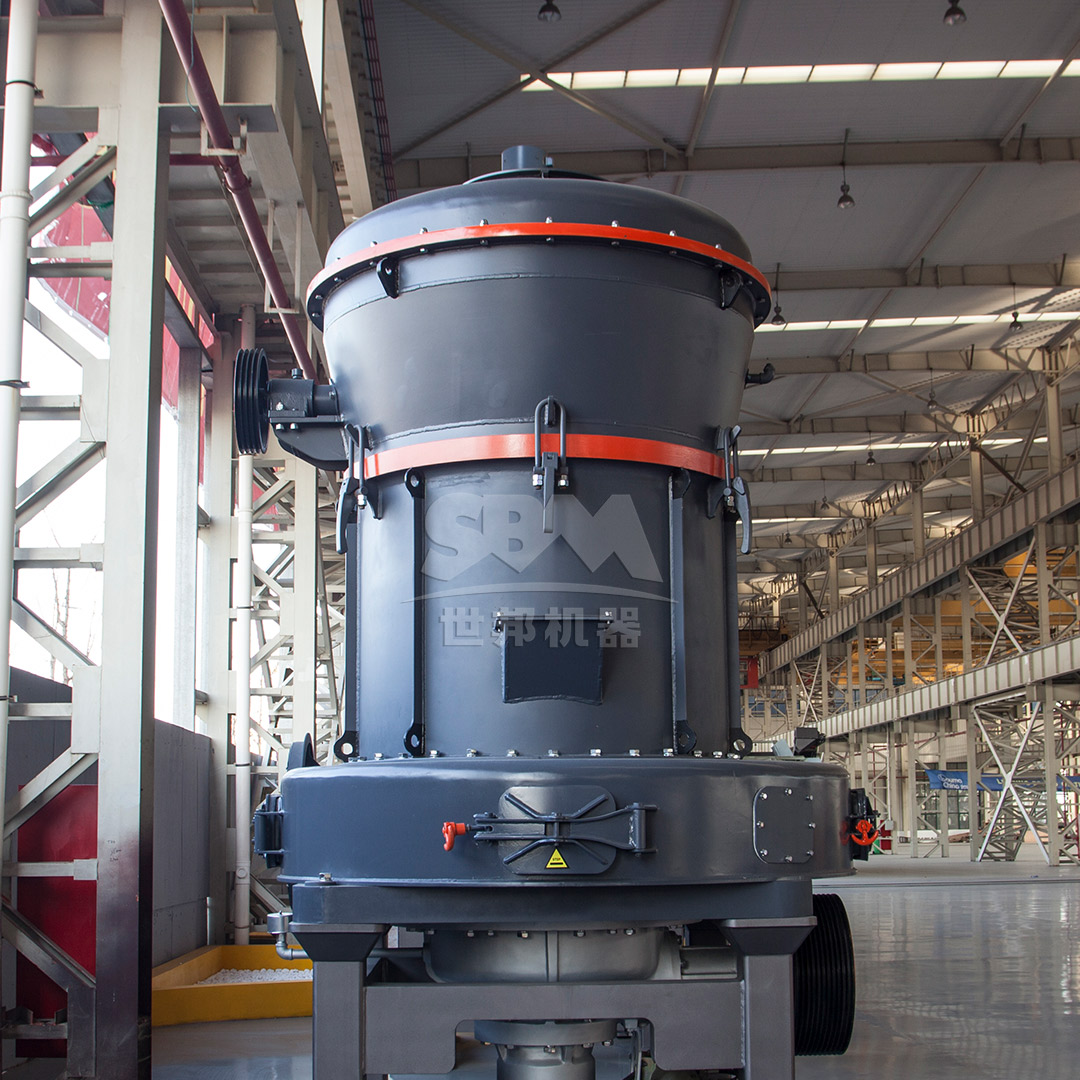
- Ultrafine Grinding Mill with Integrated Classifier: This is the centerpiece for quality finishing. The mill must produce powder in the range of 200 to 2500 mesh (74 to 5 microns) with high uniformity. For this demanding application, our SCM Series Ultrafine Mill is ideally suited. Its high-precision vertical turbine classifier ensures precise particle size cutting, eliminating coarse powder mixing and guaranteeing a uniform finished product—a key factor for high-strength gypsum’s performance. Furthermore, its high efficiency and energy-saving design offer capacity twice that of jet mills with 30% lower energy consumption, significantly reducing operating costs. The special material rollers and rings provide exceptional durability against the abrasive nature of gypsum.
- Product Collector (Cyclone & Bag Filter): Captures the fine powder from the mill’s air stream with high efficiency.
6. Storage, Packaging, and Auxiliary Systems
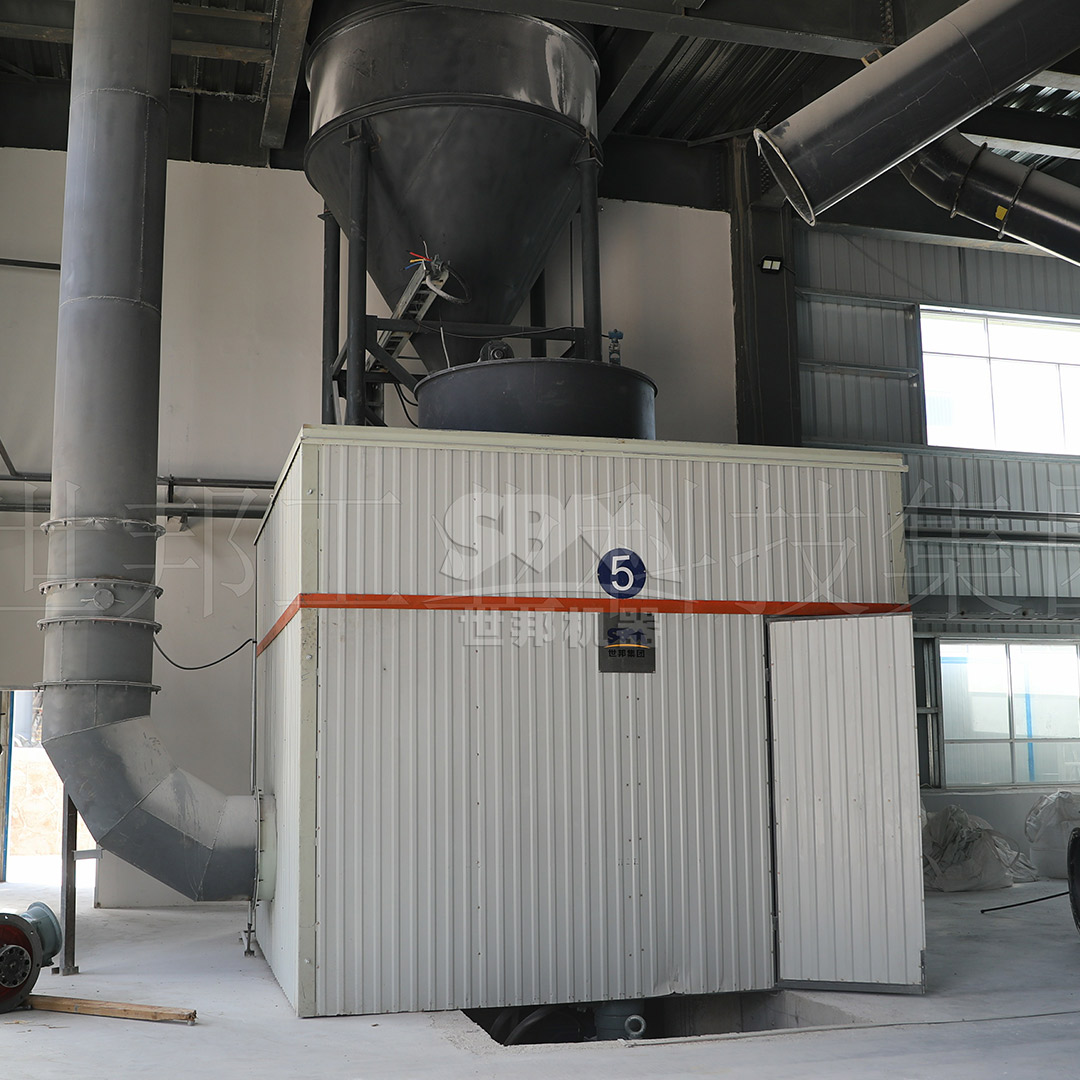
- Storage Silos: For bulk storage of finished powder, equipped with aeration systems to prevent compaction.
- Packaging Machine: For bagging the powder into sacks (e.g., 25kg bags) or big bags.
- Dust Collection System: A comprehensive network of baghouse filters (like pulse jet filters) is essential at every transfer point, crusher, mill, and packaging station to maintain a clean plant environment and meet emission standards.
- Electrical Control System: A centralized PLC-based control system to automate and monitor the entire production line.
Conclusion
Establishing a successful granulation method high-strength gypsum powder production line requires a synergistic integration of robust and specialized equipment. From primary crushing and pre-grinding with reliable workhorses like the MTW Series Mill, through the core hydrothermal conversion in autoclaves, to the final precision grinding achieved by advanced systems like the SCM Series Ultrafine Mill, each component plays a vital role. Investing in high-efficiency, durable, and precisely controllable machinery—particularly in the grinding stages—is not an expense but a strategic decision that directly dictates final product quality, production capacity, energy consumption, and long-term operational profitability. A well-designed line with the right equipment ensures the consistent production of premium alpha gypsum powder that meets the stringent demands of modern construction and industrial applications.