What Are the Functions of Barite Powder in Coatings and How to Choose a Barite Grinding Mill for Coating Production?
Introduction
Barite (barium sulfate, BaSO₄) is one of the most widely used mineral fillers in the coatings industry. Its unique combination of high density, chemical inertness, excellent whiteness, and low oil absorption makes it indispensable in both architectural and industrial coating formulations. As the coatings industry continues to demand higher performance, better durability, and more sustainable production processes, the role of barite powder has become increasingly prominent. Simultaneously, selecting the right grinding equipment to produce barite powder with the required particle size distribution is critical to achieving optimal coating performance and production efficiency.
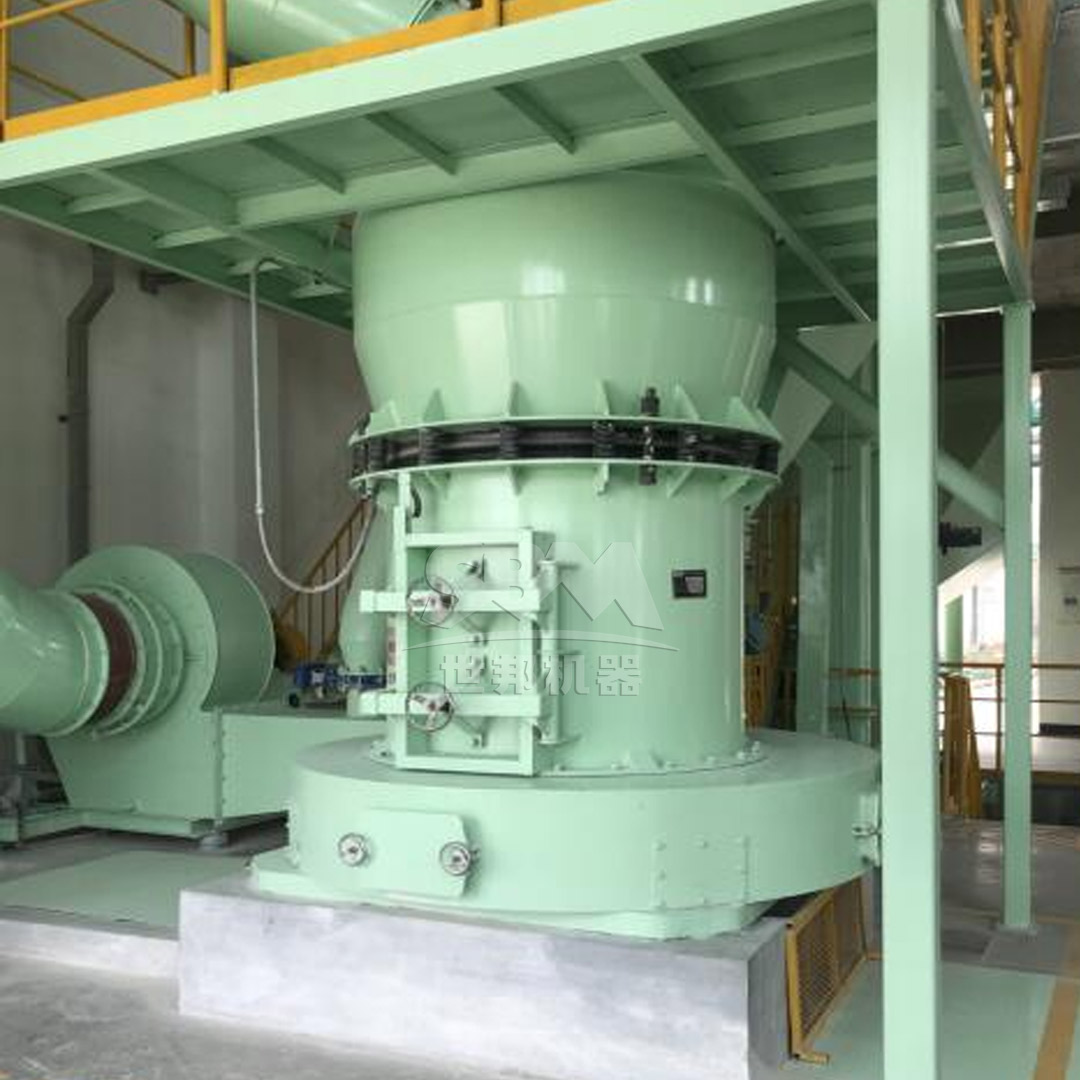
Part One: The Multiple Functions of Barite Powder in Coatings
1. Enhancing Density and Weight
Barite has a specific gravity of approximately 4.2–4.5 g/cm³, which is significantly higher than most other mineral fillers such as calcium carbonate (2.7 g/cm³) or talc (2.7–2.8 g/cm³). When incorporated into coating formulations, barite powder increases the density of the final coating film. This property is particularly valuable in applications where weight and sound insulation are desired, such as in automotive underbody coatings, marine paints, and sound-dampening architectural coatings. The high density also contributes to better coverage and reduces the tendency of the coating to sag on vertical surfaces.
2. Improving Opacity and Whiteness
High-quality barite powder possesses excellent whiteness and brightness, typically exceeding 90% reflectance. This makes it an effective extender pigment that can partially replace more expensive white pigments such as titanium dioxide (TiO₂) without significantly compromising opacity. In interior architectural coatings, barite powder helps achieve a clean, bright appearance while reducing formulation costs. Its lamellar or granular morphology, depending on the grinding method, also contributes to light scattering, further enhancing hiding power.
3. Reinforcing Mechanical Properties
Barite powder functions as a reinforcing filler in coating systems. Its hardness (Mohs 3–3.5) is moderate—hard enough to improve abrasion resistance but not so hard as to cause excessive wear on processing equipment. When properly dispersed, barite particles fill the interstitial spaces between binder molecules, creating a more densely packed film. This results in improved tensile strength, impact resistance, and surface hardness. In industrial coatings subjected to mechanical stress—such as floor coatings, pipeline coatings, and heavy-duty equipment finishes—barite powder significantly extends service life.
4. Chemical Inertness and Weather Resistance
Barium sulfate is chemically inert and resistant to most acids, alkalis, and organic solvents. This inertness ensures that barite powder does not react with binder resins, pigments, or additives in the coating formulation, maintaining stability throughout the product’s shelf life and after application. Additionally, barite is virtually insoluble in water, making it ideal for exterior coatings exposed to rain, humidity, and temperature fluctuations. Its resistance to UV degradation further enhances the weatherability of exterior architectural and marine coatings.
5. Controlling Rheology and Settling
The particle size distribution and morphology of barite powder influence the rheological properties of liquid coatings. Fine barite particles with a narrow size distribution can improve flow and leveling characteristics, while coarser grades may increase viscosity and thixotropy. Furthermore, because of its high density, barite powder can help control pigment settling in low-viscosity systems when properly formulated, or conversely, may require anti-settling additives if the particle size is too large. The formulator must carefully select the appropriate barite grade to balance these effects.
6. Cost Reduction Without Performance Compromise
As an extender pigment, barite powder offers a cost-effective means of increasing the volume solids of a coating formulation. By partially replacing titanium dioxide or other expensive pigments, manufacturers can reduce raw material costs while maintaining acceptable performance. The key is to select a barite grade with optimal particle size and brightness that matches the performance requirements of the specific coating application.
7. Applications in Specialty Coatings
Barite powder is particularly valued in radiation-shielding coatings, where its high density and barium content provide effective attenuation of X-rays and gamma rays. It is also used in anti-corrosion coatings for pipelines and offshore structures, where chemical inertness and barrier properties are essential. In powder coatings, barite serves as a filler that improves film formation and reduces gloss when desired.
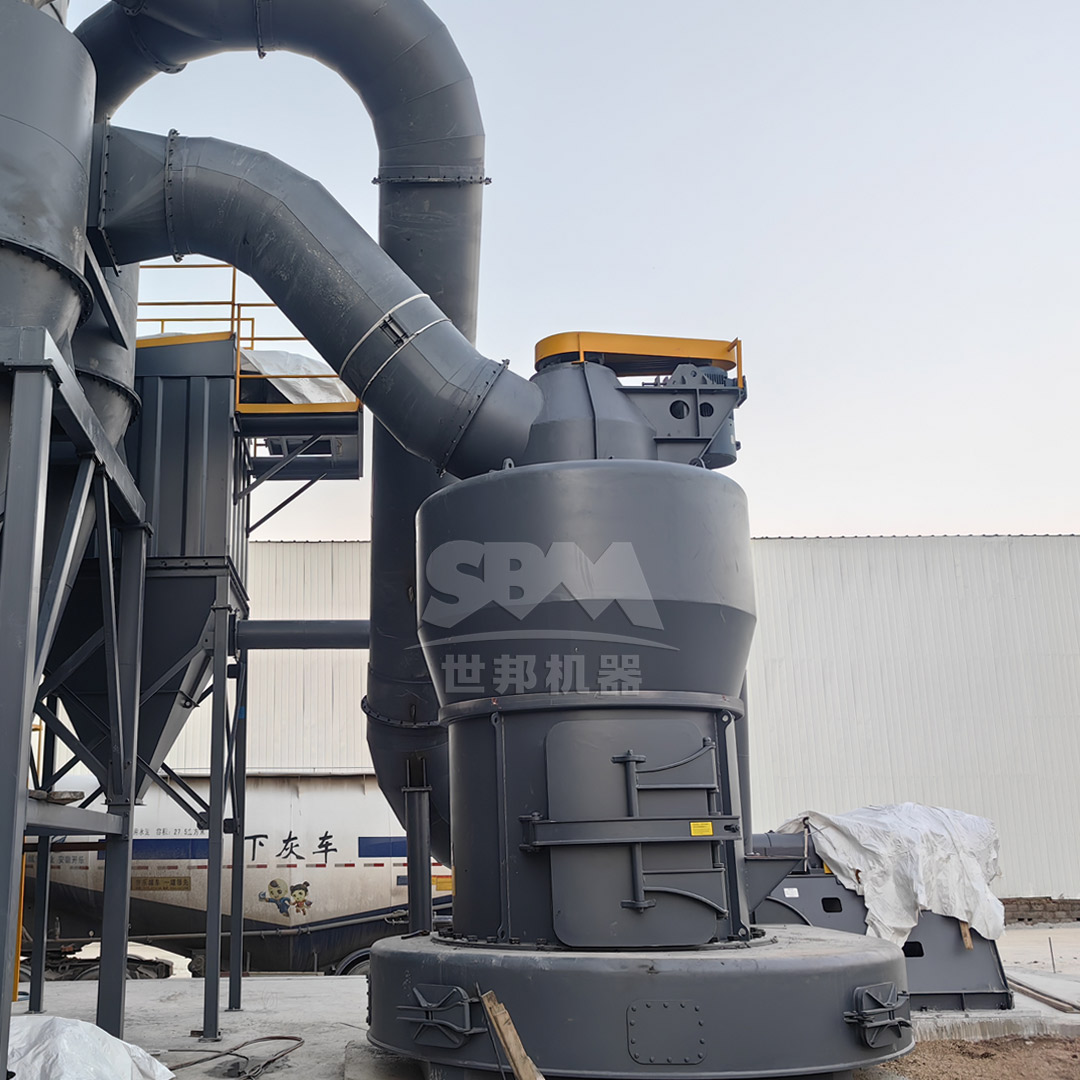
Part Two: How to Choose a Barite Grinding Mill for Coating Production
1. Determining the Required Particle Size
The first step in selecting a barite grinding mill is to determine the target particle size distribution (PSD) required by the coating formulation. Different coating types demand different barite fineness levels:
- Architectural coatings: Typically require barite powder in the range of 325–800 mesh (approximately 45–18 μm).
- Industrial coatings: May require finer grades, 800–1250 mesh (18–10 μm), for smooth surface finishes.
- High-performance and specialty coatings: May demand ultrafine barite powder of 1250–2500 mesh (10–5 μm) or even finer for optimal dispersion and gloss control.
The selected grinding mill must be capable of consistently achieving the required fineness with a narrow particle size distribution to ensure uniform coating quality.
2. Production Capacity Requirements
Production capacity is another critical factor. Coating manufacturers may require barite powder at different scales, from small-batch specialty production (0.5–5 t/h) to large-scale continuous operations (10–25 t/h or more). The grinding mill must be sized appropriately to meet production targets without excessive downtime or energy waste. Over-specifying capacity leads to unnecessary capital expenditure, while under-specifying results in production bottlenecks.
3. Energy Efficiency and Operating Costs
Grinding is an energy-intensive process, and energy consumption typically accounts for a significant portion of barite powder production costs. Modern grinding mills, such as vertical roller mills and ultrafine mills, offer substantially lower energy consumption compared to traditional ball mills. For example, vertical roller mills can reduce energy consumption by 30–40% compared to ball mill systems while maintaining or improving product quality. When evaluating grinding mills, consider the total cost of ownership, including power consumption, wear part replacement frequency, and maintenance requirements.
4. Particle Size Distribution and Classification Accuracy
For coating applications, not only the average particle size but also the width of the particle size distribution matters. A narrow PSD ensures consistent coating appearance, optimal packing density, and predictable rheological behavior. Grinding mills equipped with high-precision classifiers—such as vertical turbine classifiers or multi-rotor dynamic classifiers—can achieve precise cut points and minimize coarse particle contamination. This is particularly important for high-end coatings where surface smoothness and gloss are critical.
5. Contamination Control
Barite powder used in coatings must be free from contamination that could affect coating color, durability, or curing behavior. Grinding mills that use wear-resistant materials for grinding rollers and rings—such as high-chromium alloys or ceramic composites—minimize the introduction of iron or other metallic contaminants. Additionally, fully sealed grinding systems with pulse dust collection prevent environmental contamination and material loss.
6. Environmental Compliance and Noise Control
Modern coating production facilities must comply with stringent environmental regulations. The selected grinding mill should feature effective dust collection systems, such as pulse jet dust collectors with high filtration efficiency, and noise reduction measures, such as soundproof enclosures or damping systems. These features not only ensure regulatory compliance but also improve workplace safety and operator comfort.
7. Automation and Control Systems
Intelligent control systems that provide real-time feedback on product fineness, mill load, and energy consumption can significantly improve operational efficiency and product consistency. Automatic adjustment of classifier speed, feed rate, and grinding pressure ensures stable production even when raw material properties vary. Remote monitoring and diagnostic capabilities further reduce downtime and maintenance costs.
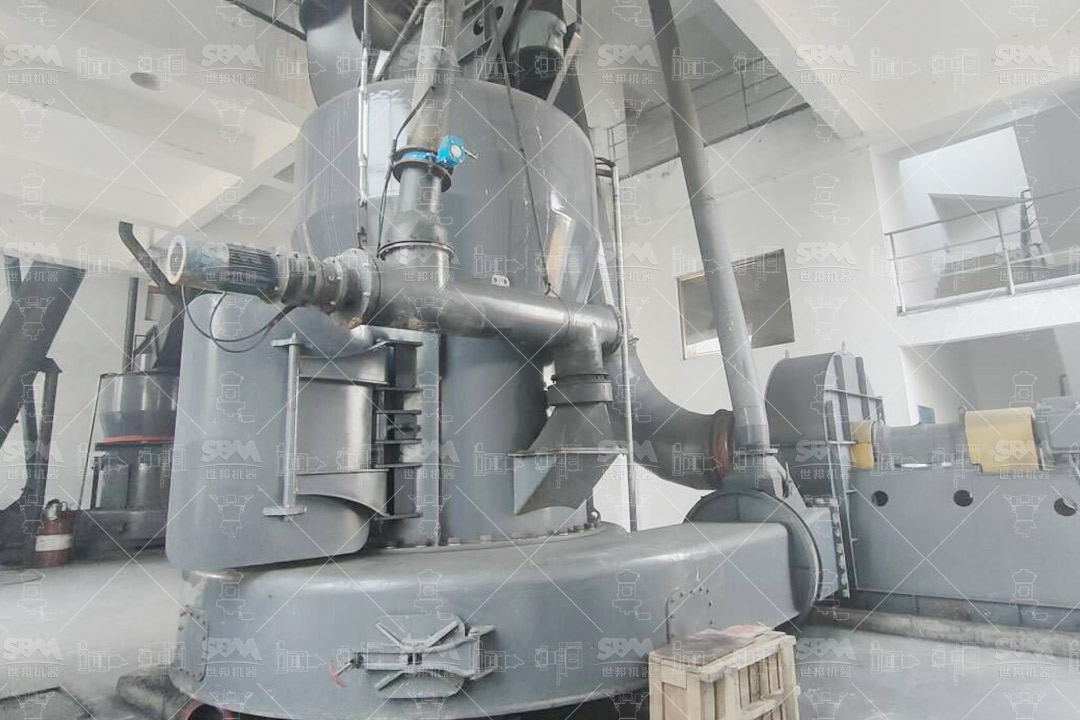
Part Three: Recommended Grinding Mills for Barite Powder Production
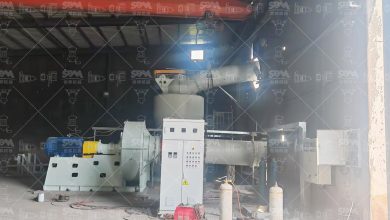
SCM Series Ultrafine Mill — Ideal for Fine and Ultrafine Barite Powder
For coating manufacturers requiring ultrafine barite powder in the range of 325–2500 mesh, the SCM Series Ultrafine Mill is an excellent choice. This mill is designed specifically for producing fine and ultrafine powders with high efficiency and precision.
Key advantages for barite processing:
- High Efficiency & Energy Saving: Capacity is twice that of jet mills, with 30% lower energy consumption. This translates to significant cost savings in large-scale barite powder production.
- High-Precision Classification: The vertical turbine classifier achieves precise particle size cutting with no coarse powder mixing, ensuring uniform finished products—critical for consistent coating quality.
- Durable Design: Special material rollers and rings extend service life several times over, reducing maintenance costs and downtime. The shaftless screw grinding chamber ensures stable operation.
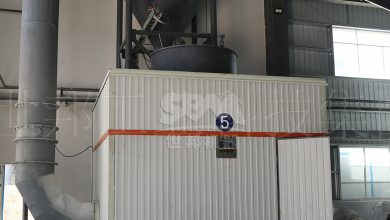
- Eco-friendly & Low Noise: Pulse dust collection efficiency exceeds international standards, and the soundproof room design ensures noise levels are well within regulatory limits.
With models ranging from SCM800 (0.5–4.5 t/h) to SCM1680 (5.0–25 t/h), the SCM Series can be scaled to meet virtually any production requirement. The output fineness of 325–2500 mesh covers the full range needed for architectural, industrial, and specialty coatings.
MTW Series European Trapezium Mill — Versatile Solution for Medium to Fine Barite Powder
For coating producers who require barite powder in the 30–325 mesh range with high capacity, the MTW Series European Trapezium Mill offers a robust and efficient solution. This mill combines advanced European grinding technology with proven reliability.
Key advantages for barite processing:
- Anti-wear Shovel Design: Combined shovel blades reduce maintenance costs, while the curved design extends grinding roller life—important when processing abrasive barite ore.
- Optimized Arc Air Duct: Reduces airflow energy loss and improves transmission efficiency, lowering overall energy consumption.
- Integral Bevel Gear Drive: Transmission efficiency up to 98%, saving space and reducing installation costs.
- Wear-resistant Volute Structure: Non-resistance flow design improves air selection efficiency, with maintenance costs reduced by 30%.
The MTW Series offers models from MTW110 (3–9 t/h) to MTW215G (15–45 t/h), with fineness adjustable from 10 to 325 mesh. This makes it an ideal choice for producing barite powder for architectural coatings, primers, and other applications where medium to fine particle size is sufficient.
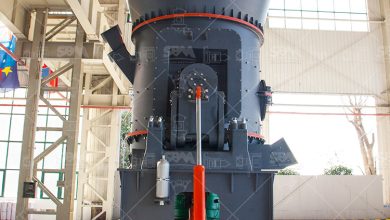
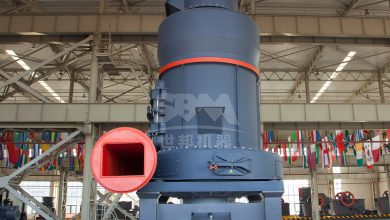
LM Series Vertical Roller Mill — For Large-Scale Barite Powder Production
When production capacity is the primary concern, the LM Series Vertical Roller Mill delivers unmatched performance. With models capable of processing up to 250 t/h, this mill is suitable for large-scale barite powder production facilities serving the coatings industry.
Key advantages:
- Integrated Design: Crushing, grinding, and selection are integrated into one system, reducing floor space by 50% and infrastructure costs by 40%.
- Low Operating Cost: Non-contact design between rollers and table increases wear part life by 3 times, with energy consumption 30–40% lower than ball mill systems.
- Intelligent Control: Expert-level auto-control system supports remote/local switching and real-time monitoring.
- Environmental Compliance: Fully sealed negative pressure operation with dust emissions well below regulatory limits.
For coating manufacturers requiring high-volume barite powder production with consistent quality, the LM Series represents a state-of-the-art solution.
Conclusion
Barite powder plays a multifaceted role in coating formulations, from enhancing density and opacity to reinforcing mechanical properties and improving weatherability. Selecting the right grinding mill is essential to producing barite powder that meets the precise particle size, purity, and consistency requirements of modern coating applications. Whether you need ultrafine powder for high-end industrial coatings or medium-fine powder for architectural paints, choosing a grinding mill with high classification accuracy, energy efficiency, and reliable operation is key to success. The SCM Series Ultrafine Mill, MTW Series European Trapezium Mill, and LM Series Vertical Roller Mill from our company offer proven solutions for every scale of barite powder production, ensuring that coating manufacturers can achieve optimal product quality and operational efficiency.