Electrode Paste Production Process and Grinding Equipment Introduction
Introduction to Electrode Paste
Electrode paste, also known as carbon paste or Söderberg electrode paste, is a critical material used in electric arc furnaces for the production of ferroalloys, calcium carbide, and other smelting processes. It serves as a continuous self-baking electrode, conducting electricity and withstanding extreme temperatures. The production of high-quality electrode paste requires precise control over raw material preparation, mixing, forming, and baking. Among these stages, grinding is one of the most important steps, as it directly influences the particle size distribution, density, and electrical conductivity of the final product. This article provides a comprehensive overview of the electrode paste production process and introduces advanced grinding equipment that can enhance efficiency and product quality.
Raw Materials for Electrode Paste
Electrode paste is typically composed of two main components: a solid carbonaceous aggregate and a binder. The aggregate usually consists of calcined petroleum coke, metallurgical coke, or anthracite, while the binder is coal tar pitch. The quality of these raw materials and their particle size distribution are crucial for the performance of the electrode. The aggregate must be crushed and ground to specific fineness to ensure proper mixing with the binder and to achieve optimal density and strength after baking.
Electrode Paste Production Process
The production process of electrode paste can be divided into several key stages: raw material preparation, grinding, mixing, forming, and cooling. Each stage requires specialized equipment to ensure consistent product quality.
1. Raw Material Preparation
Calcined petroleum coke and other carbonaceous materials are first crushed to reduce their size. Primary crushing is usually done by jaw crushers or hammer mills, reducing the material to below 40 mm. The crushed material is then stored in silos for further processing.
2. Grinding
Grinding is the heart of electrode paste production. The crushed coke must be ground to a fine powder with a specific particle size distribution. Typically, the required fineness ranges from 0.074 mm to 0.8 mm (200 to 20 mesh), but for high-performance electrode paste, ultrafine grinding down to 45 microns or even finer may be necessary. The grinding process not only reduces particle size but also increases the surface area, which improves the interaction between the coke particles and the pitch binder. This leads to better plasticity, higher green strength, and improved baking characteristics.
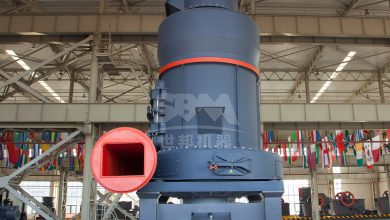
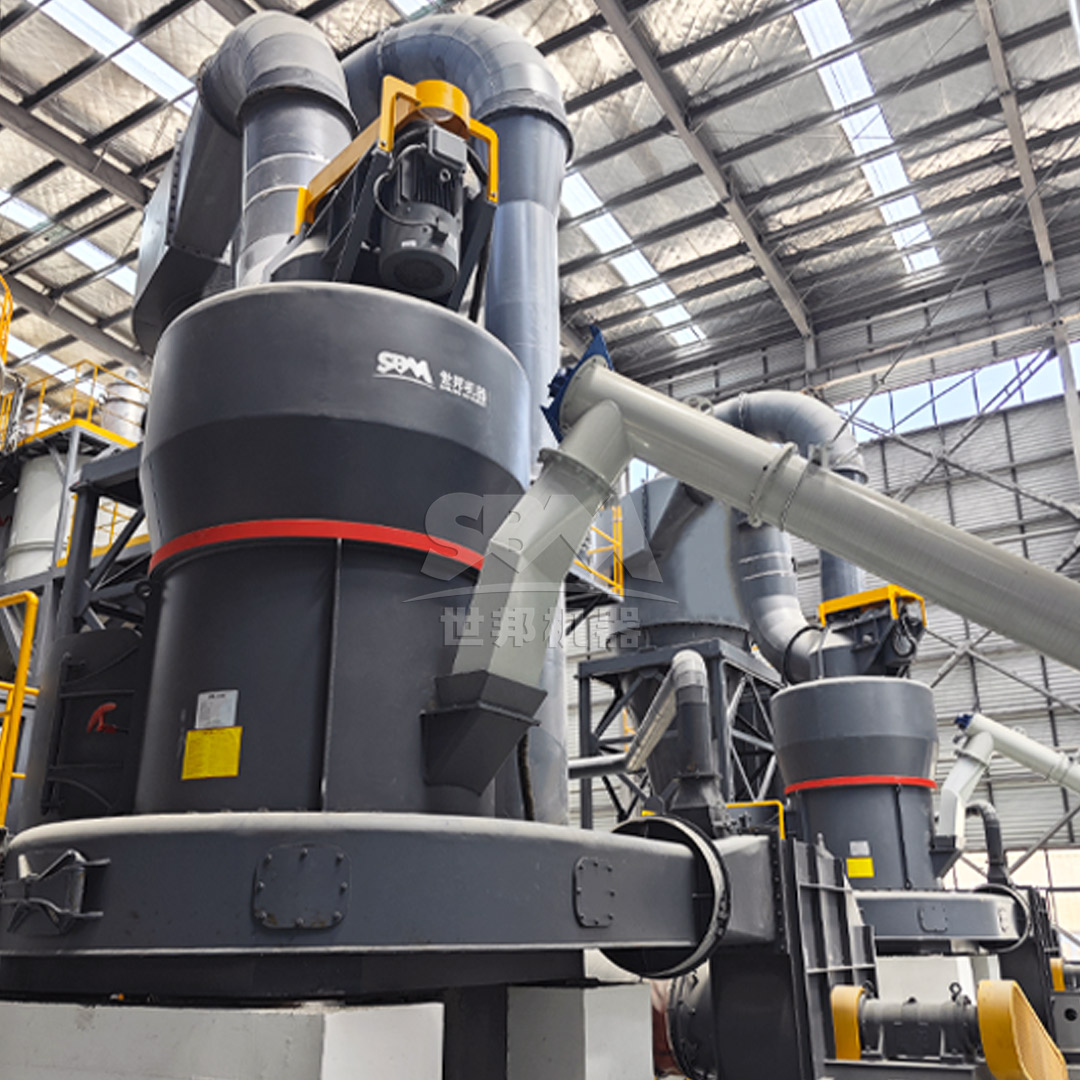
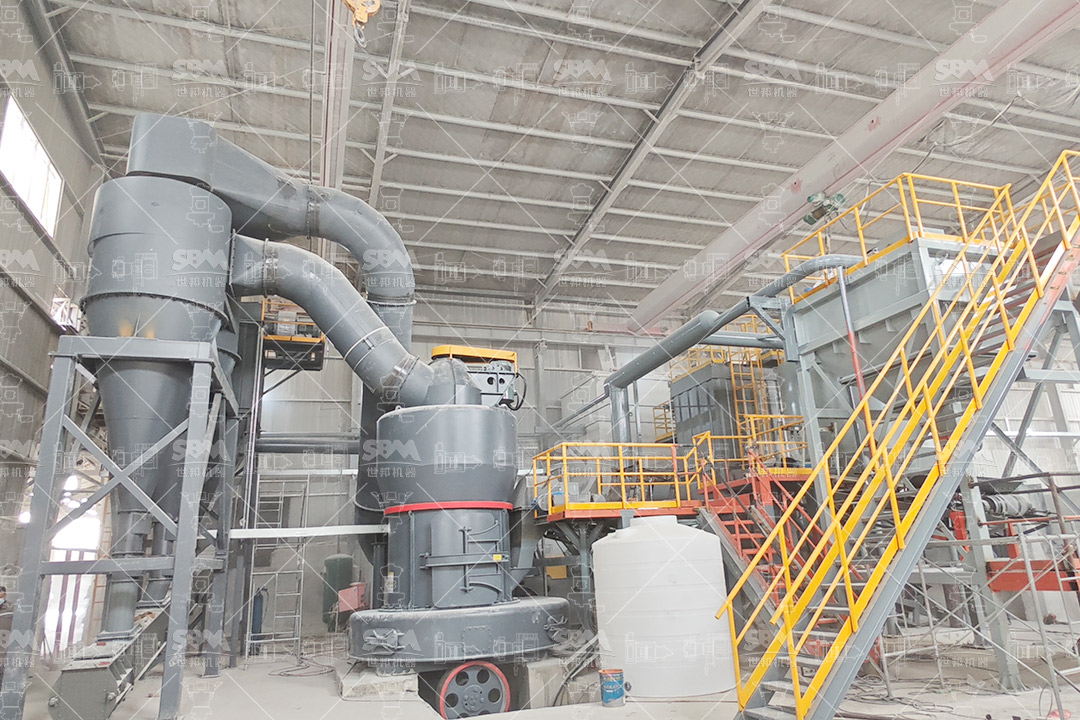
For efficient and precise grinding, advanced mills such as the SCM Series Ultrafine Mill and the MTW Series European Trapezium Mill are highly recommended. The SCM Series Ultrafine Mill is capable of grinding materials to 325-2500 mesh with a capacity of 0.5-25 t/h, making it ideal for producing ultrafine electrode paste powders. Its high-precision vertical turbine classifier ensures uniform particle size distribution without coarse powder mixing. On the other hand, the MTW Series European Trapezium Mill offers a capacity of 3-45 t/h and fineness from 30 to 325 mesh, suitable for medium-fine grinding. Both mills feature robust construction, energy efficiency, and eco-friendly operation, aligning with the demanding requirements of electrode paste production.
3. Mixing
After grinding, the fine coke powder is mixed with coal tar pitch in a heated mixer. The mixing temperature is typically between 150°C and 180°C to ensure the pitch is in a liquid state and can uniformly coat the coke particles. The mixing time and temperature must be carefully controlled to achieve a homogeneous paste with the desired viscosity and density.
4. Forming
The hot paste is then formed into blocks or cylinders. For Söderberg electrodes, the paste is often extruded into cylindrical shapes of various diameters. The forming process can be done by extrusion, pressing, or molding, depending on the desired shape and size. The formed electrodes are then cooled and packaged for shipment.
5. Cooling and Quality Control
Cooling is typically done in a controlled environment to prevent cracking. Quality control tests, such as density, electrical resistivity, and compressive strength, are performed to ensure the electrode paste meets industry standards.
Grinding Equipment for Electrode Paste Production
The choice of grinding equipment significantly affects the productivity and quality of electrode paste. In addition to the SCM and MTW mills, other mills such as the LM Vertical Roller Mill, MTM Medium-speed Trapezium Mill, and Ball Mill are also used in the carbon industry. However, for ultrafine and precise grinding, the SCM Series Ultrafine Mill stands out due to its high efficiency, energy savings, and advanced classification technology.
The SCM Series Ultrafine Mill is equipped with a special material roller and ring that extend service life, and a shaftless screw grinding chamber that ensures stable operation. Its intelligent control system provides automatic feedback on finished product granularity, making it easy to maintain consistent quality. With models ranging from SCM800 to SCM1680, capacities from 0.5 to 25 t/h, and fineness up to 2500 mesh, this mill can meet the needs of any electrode paste production line, from small-scale to large-scale operations.
For medium-fine grinding, the MTW Series European Trapezium Mill is an excellent choice. It features an anti-wear shovel design, optimized arc air duct, integral bevel gear drive, and wear-resistant volute structure, which reduce maintenance costs and improve efficiency. With models like MTW110 to MTW215G, capacities from 3 to 45 t/h, and fineness from 30 to 325 mesh, it is suitable for preparing electrode paste with standard fineness requirements.
Conclusion
The production of electrode paste is a complex process that demands careful selection of raw materials and precise grinding. The grinding stage is critical for achieving the desired particle size distribution and surface properties. Advanced grinding equipment such as the SCM Series Ultrafine Mill and MTW Series European Trapezium Mill can significantly enhance the efficiency and quality of electrode paste production. By investing in high-performance mills, manufacturers can ensure consistent product quality, reduce energy consumption, and meet the growing demand for high-quality electrode paste in the metallurgical industry.