Steel Plant Waste Slag Uses and the Advantages of Steel Slag Vertical Mill Machines for Processing Steel Plant Waste Slag
Introduction: The Challenge and Opportunity of Steel Plant Waste Slag
In the global steelmaking industry, the generation of waste slag is an unavoidable byproduct. For every ton of crude steel produced, approximately 100 to 150 kilograms of slag are generated. Historically, this material was often stockpiled as waste, occupying vast land areas and posing environmental risks. However, modern technological advancements have transformed steel slag from a disposal liability into a valuable secondary resource. Steel plant waste slag, rich in minerals like calcium silicate, dicalcium silicate, and trace amounts of iron, can be processed and utilized across multiple industries. This shift towards a circular economy not only mitigates environmental impact but also creates significant economic value. The key to unlocking this value lies in effective processing, and at the heart of this processing lies the advanced technology of vertical roller mills.
Key Applications and Uses of Processed Steel Slag
Processed steel slag finds its way into a diverse range of applications, each demanding specific powder fineness, purity, and physical properties. The primary uses include:
- Cement and Concrete Production: Slag powder exhibits excellent hydraulic properties. When ground to a high fineness (typically 400-500 m²/kg specific surface area), it can be used as a supplementary cementitious material (SCM), partially replacing Portland cement clinker. This reduces the carbon footprint of concrete and improves its long-term durability, sulfate resistance, and reduced heat of hydration.
- Road Construction and Civil Engineering: Coarser processed slag (often <5mm) is an excellent aggregate for road bases, embankments, and asphalt pavements. Its high density, hardness, and angular shape provide superior load-bearing capacity and skid resistance compared to natural aggregates.
- Agricultural Soil Amendment: Steel slag contains essential plant nutrients such as calcium (Ca), silicon (Si), magnesium (Mg), and phosphorus (P). After fine grinding, it can be applied to acidic soils as a liming agent to adjust pH and provide micronutrients, improving crop yields.
- Wastewater Treatment and Environmental Remediation: The porous structure and high calcium content of slag make it an effective adsorbent for removing heavy metals, phosphates, and other pollutants from industrial and municipal wastewater.
- Raw Material for Glass and Ceramics: With precise chemical composition control, processed slag powder can be used as a fluxing agent or raw material component in the manufacturing of glass, ceramic tiles, and mineral wool insulation.
- Backfilling and Mine Reclamation: A significant portion of slag is used as a fill material in underground mines or for land reclamation projects in former mining areas.
The economic viability of these applications is heavily dependent on the efficiency, cost, and quality of the grinding process.
The Advantages of Vertical Roller Mills for Slag Processing
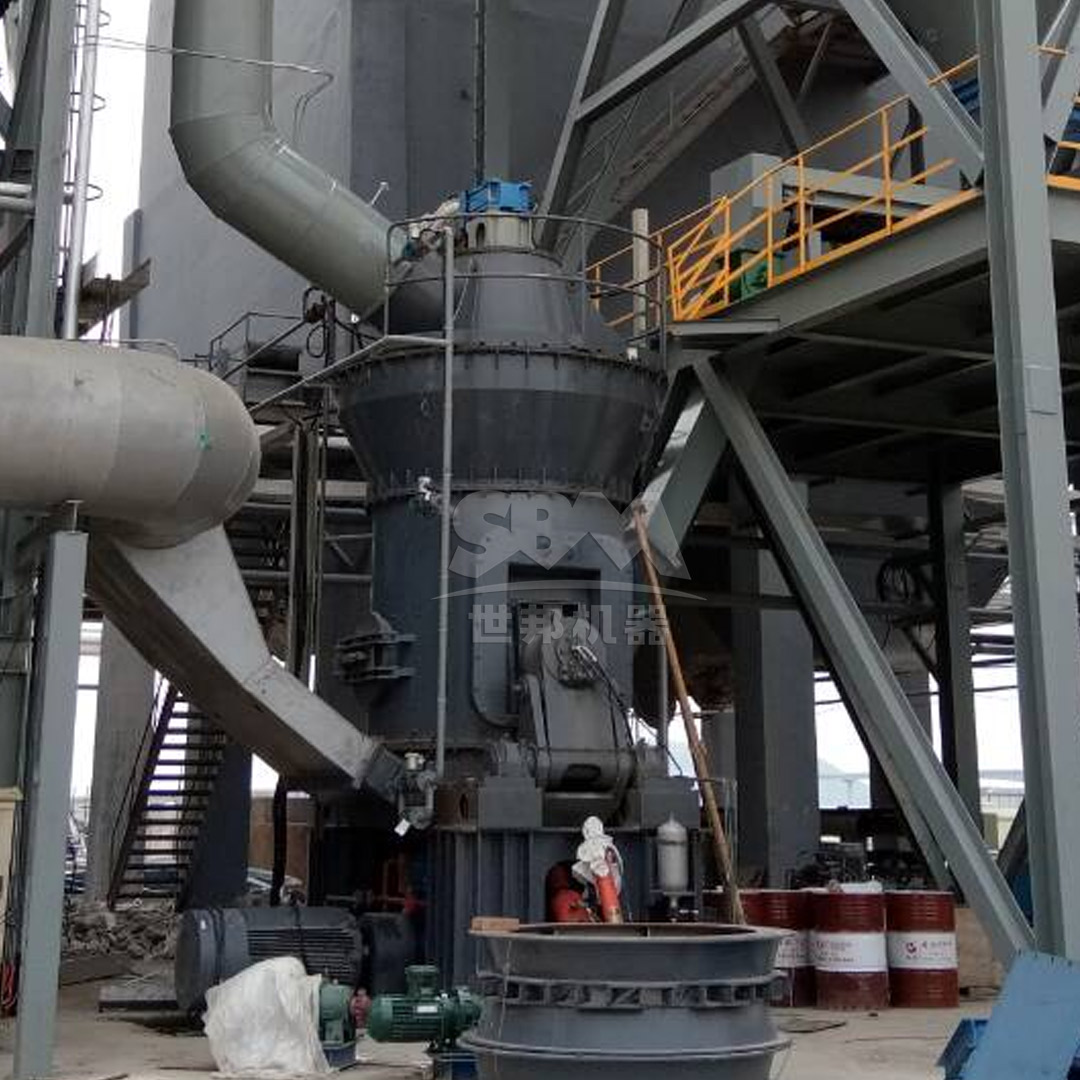
Traditional ball mills have been the workhorse of slag grinding for decades. However, they are notoriously energy-intensive and require high capital investment for auxiliary equipment. Modern vertical roller mills (VRMs), designed specifically for slag, have revolutionized the industry by offering numerous compelling advantages:
- Superior Energy Efficiency: The bed-grinding principle of a VRM consumes 30-50% less energy compared to a ball mill system. This is the single most significant cost-saving factor for a slag processing plant, dramatically lowering operational expenditures (OPEX).
- Integrated Drying, Grinding, and Classification: A VRM combines these three functions in a single unit, drastically simplifying the process flow. This eliminates the need for a separate dryer, classifier, and bucket elevators, reducing the plant’s footprint by up to 50% and lowering initial capital investment.
- High Drying Capacity: Slag often contains residual moisture from water quenching (granulation). VRMs can efficiently dry high-moisture feed (up to 20% moisture) by introducing hot gases into the mill, ensuring a dry product without pre-drying steps.
- Product Fineness and Quality Control: VRMs offer precise control over product fineness. The dynamic classifier can be adjusted to produce slag powder with a specific surface area ranging from 4000 cm²/g (for cement replacement) down to finer applications. This consistent quality is critical for downstream use in high-performance concrete and other premium applications.
- Durability and Low Wear Costs: Modern VRMs, especially those from leading manufacturers, utilize advanced metallurgy for wear parts (grinding rollers and table liners). The non-contact design between the roller and the table during normal operation minimizes wear. When combined with hydraulic pressure systems that automatically compensate for wear, the life of these components is extended significantly, reducing maintenance costs.
- Eco-Friendly Operation: VRMs operate under negative pressure with a fully sealed system, ensuring no dust leakage into the environment. The lower energy consumption also translates directly to reduced carbon dioxide emissions, aligning with global sustainability goals. Furthermore, the operating noise levels are significantly lower than those of traditional ball mills.
Key Machine Recommendation: The LM Vertical Roller Mill Series
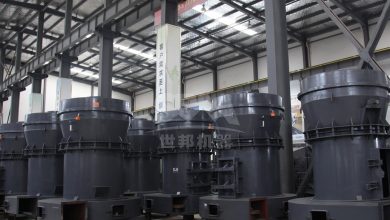
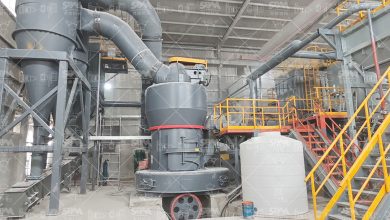
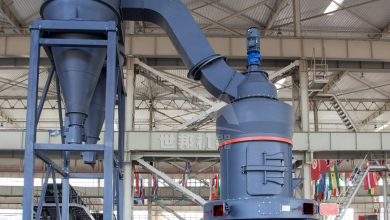
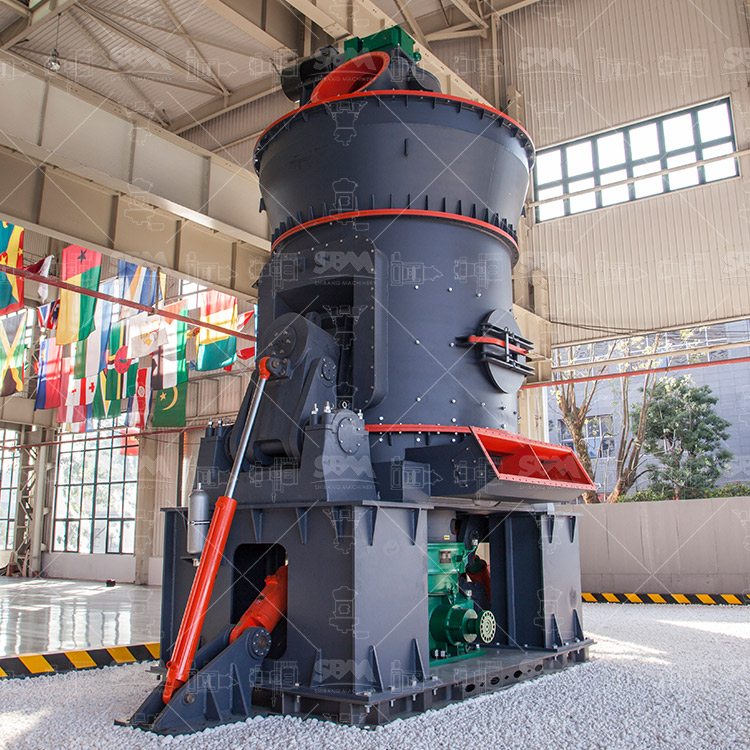
For high-capacity, industrial-scale processing of steel slag into standard cement-grade powder (e.g., specific surface area 400-450 m²/kg), our LM Series Vertical Roller Mill is the industry’s premier solution. This machine is specifically designed to handle the abrasiveness and physical demands of slag grinding. Its integrated design combines crushing, drying, grinding, and classifying into one compact unit. With a capacity range of up to 250 tons per hour and energy savings of 30-40% over a ball mill system, the LM series drastically lowers your total cost of ownership. The intelligent automatic control system ensures consistent product quality with minimal manual intervention.
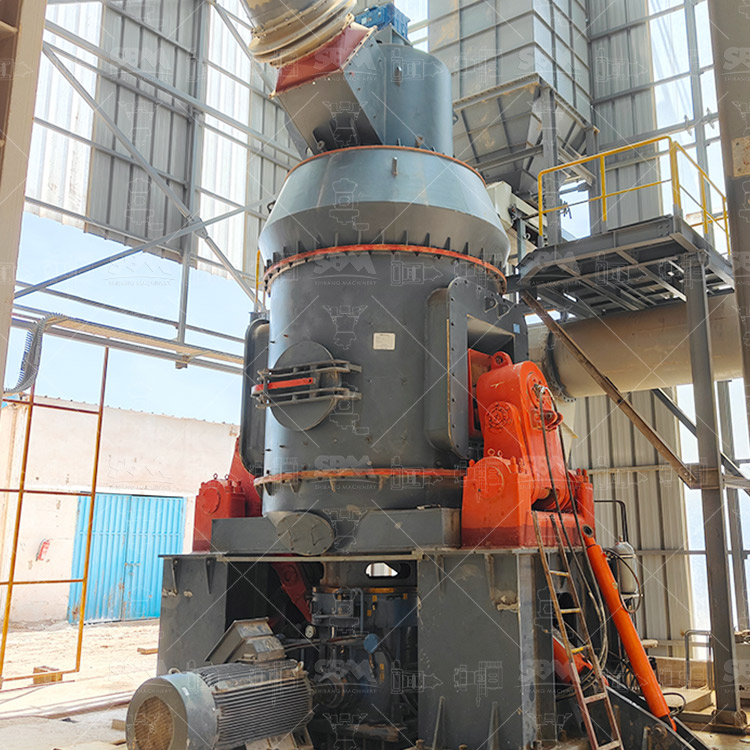
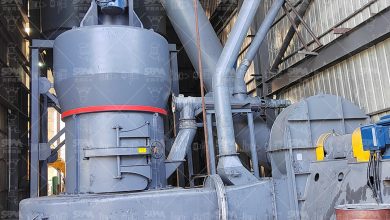
For applications requiring an ultra-fine product, such as high-value concrete admixtures or specialized fillers, the LUM Ultrafine Vertical Roller Mill is the optimal choice. It can achieve a fineness of 325-2500 mesh (approx. 45-5 μm). The LUM series features a multi-rotor classifier that ensures no coarse particles are present in the final product, guaranteeing the highest quality. Its PLC automation ensures stable operation, while the negative pressure system and pulse dust collector guarantee an environmentally friendly process. The roller and liner curves are uniquely engineered to maximize grinding efficiency for fine and ultra-fine applications.
Both the LM and LUM series represent the pinnacle of grinding technology, turning the challenge of steel slag waste into a profitable opportunity.
Processing Workflow with a Vertical Roller Mill
A typical slag processing plant utilizing a VRM operates as follows:
- Pre-processing: Raw slag is first crushed, often by a hammer crusher or jaw crusher, to a feed size suitable for the VRM (typically ≤50mm for the LM series). Magnetic separators remove ferrous metals (scrap iron), which are then recycled back to the steel plant.
- Feeding & Drying: The crushed slag is fed into the VRM via a rotary feeder. Hot gases from a furnace or hot gas generator enter the mill, simultaneously drying the material and classifying it within the air stream.
- Grinding & Classification: The material is ground between the rotating table and the hydraulic-pressed rollers. The airflow lifts the fine particles to the dynamic classifier. Coarse particles fall back to the grinding table for further size reduction, while the desired fine powder passes through the classifier and is carried out of the mill.
- Collection: The final product is separated from the air stream in a high-efficiency cyclone collector and a baghouse dust collector. This ensures zero dust emissions into the atmosphere. The clean air is recycled or exhausted.
- Storage & Shipment: The finished slag powder is conveyed to a silo for storage and is ready for bulk truck or ship loading for delivery to customers in the cement and concrete industries.
Conclusion: A Sustainable and Profitable Future
Steel plant waste slag is no longer a waste product. It is a crucial resource in the global push for a circular economy. By utilizing advanced vertical roller mill technology—such as our LM and LUM series—steel producers and slag processors can unlock substantial financial returns while significantly reducing their environmental footprint. The advantages of lower energy consumption, superior product quality, smaller footprint, and eco-friendly operation make the VRM the definitive standard for steel slag processing. Investing in this technology is an investment in a more sustainable and profitable future.