Can Raymond Mill Grind Slag Powder? – A Complete Guide for Industrial Grinding
Introduction: The Need for Efficient Slag Grinding
In the modern industrial landscape, the efficient utilization of industrial by-products is not just an environmental imperative but also a significant economic opportunity. Slag, a by-product of steelmaking and smelting processes, is rich in silicates and aluminosilicates. When ground into a fine powder, it becomes a valuable supplementary cementitious material (SCM), enhancing the durability and strength of concrete while reducing the carbon footprint of cement production. The central question for many plant operators is: Can a Raymond mill effectively grind slag powder? The answer is nuanced. While traditional Raymond mills can process slag, achieving the high fineness and efficiency required for modern applications often necessitates more advanced milling technologies. This comprehensive guide explores the capabilities of various mill types for slag grinding, focusing on efficiency, fineness, and operational economics, and introduces our world-class solutions designed to meet the rigorous demands of slag powder production.
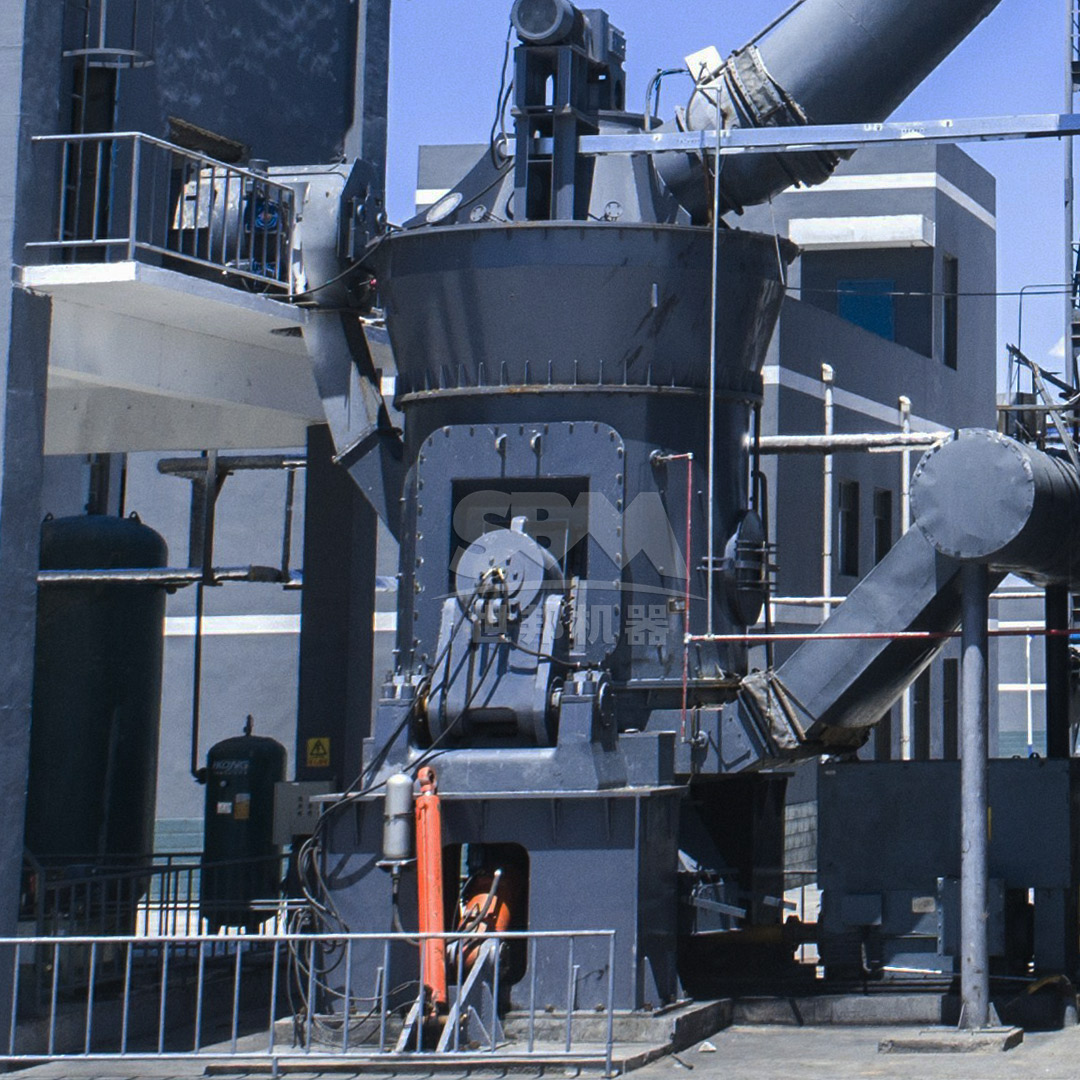
Understanding Slag Grinding: Challenges and Requirements
Slag is notoriously difficult to grind compared to other materials like limestone or clinker. Its high hardness (often exceeding 7 on the Mohs scale) and abrasiveness lead to severe wear on grinding components. Furthermore, the desired fineness for slag powder is typically very high: a specific surface area of 400-500 m²/kg (Blaine) is common for use as a cement additive. This requires a milling system that can achieve ultra-fine classification with minimal energy consumption. Traditional Raymond mills, with their pendulum grinding mechanism, often struggle with these demands. They may suffer from high vibration, poor particle size distribution, and rapid wear of the grinding ring and roller. Therefore, while a Raymond mill can technically reduce slag to a powder, it is often not the most economical or efficient choice for producing high-quality slag powder at scale.
Comparing Mill Technologies for Slag Powder: Raymond vs. Advanced Solutions
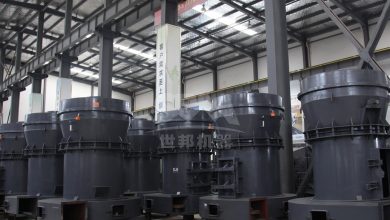
To determine the best mill for slag powder, we must compare the core technologies. The classic Raymond mill (also known as a pendulum mill) works by centrifugal force, where the grinding roller swings outward and presses against the stationary grinding ring. This design is simple and cost-effective for low to medium hardness materials with moderate fineness requirements (typically 80-400 mesh). However, for slag, the limitations become clear:
- Wear Life: The high abrasiveness of slag quickly wears down the standard manganese steel rollers and rings.
- Fineness Limitation: Achieving a fineness of 600-800 mesh (<20µm) for slag is often a struggle, leading to low capacity and high energy consumption.
- Stability: Large, dense slag particles can cause excessive vibration, leading to frequent downtime.
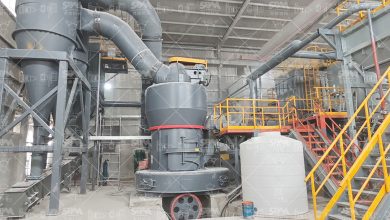
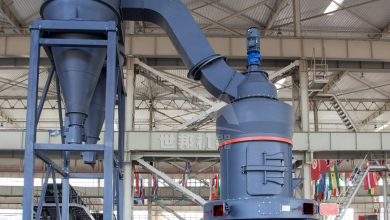
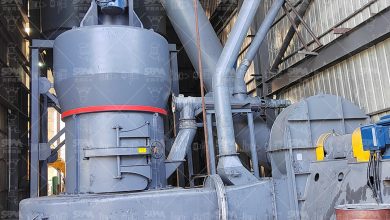
In contrast, modern Vertical Roller Mills (VRMs) and Ultrafine Mills are purpose-built for this challenge. Our SCM Series Ultrafine Mill and LM Series Vertical Roller Mill represent the pinnacle of slag grinding technology, offering superior efficiency, precision, and durability.
Top Recommendation 1: SCM Series Ultrafine Mill for Ultra-Fine Slag Powder
For operations demanding the highest quality slag powder with a fineness ranging from 325 to 2500 mesh (45-5µm), the SCM Series Ultrafine Mill is an unmatched solution. It is not a Raymond mill; it is a third-generation milling system that redefines ultrafine grinding. Its core advantages make it ideal for slag:
High Efficiency & Energy Saving: The SCM mill achieves a capacity 2x that of jet mills while consuming 30% less energy. This is critical for energy-intensive slag processing. The intelligent control system automatically adjusts parameters based on real-time feedback of finished product granularity, optimizing performance without manual intervention.
High-Precision Classification: It features a vertical turbine classifier that delivers precise particle size cutting. For slag powder, where any coarse particles can compromise the quality of the final concrete, this ensures absolutely no coarse powder mixing, resulting in a uniformly finished product with a consistent specific surface area.
Durable Design for Abrasive Materials: The SCM mill is engineered for longevity. It uses special material rollers and rings, which extend the service life several times over compared to standard Raymond mill components. The shaftless screw grinding chamber ensures stable and vibration-free operation, even when processing the hardest slag.
Eco-friendly Operation: The system incorporates a pulse dust collection system that exceeds international emission standards, ensuring a clean working environment. Furthermore, the soundproof room design keeps noise levels comfortably low.
Working Principle: Unlike a traditional Raymond mill, the SCM’s main motor drives three layers of grinding rings to rotate. Materials are dispersed into the grinding path by centrifugal force, crushed by roller pressure, and ground layer by layer. This layer-by-layer grinding action is highly effective for slag, producing a high percentage of ultra-fine particles. Finally, powder collection is completed by a high-efficiency cyclone collector and the pulse dust removal system.
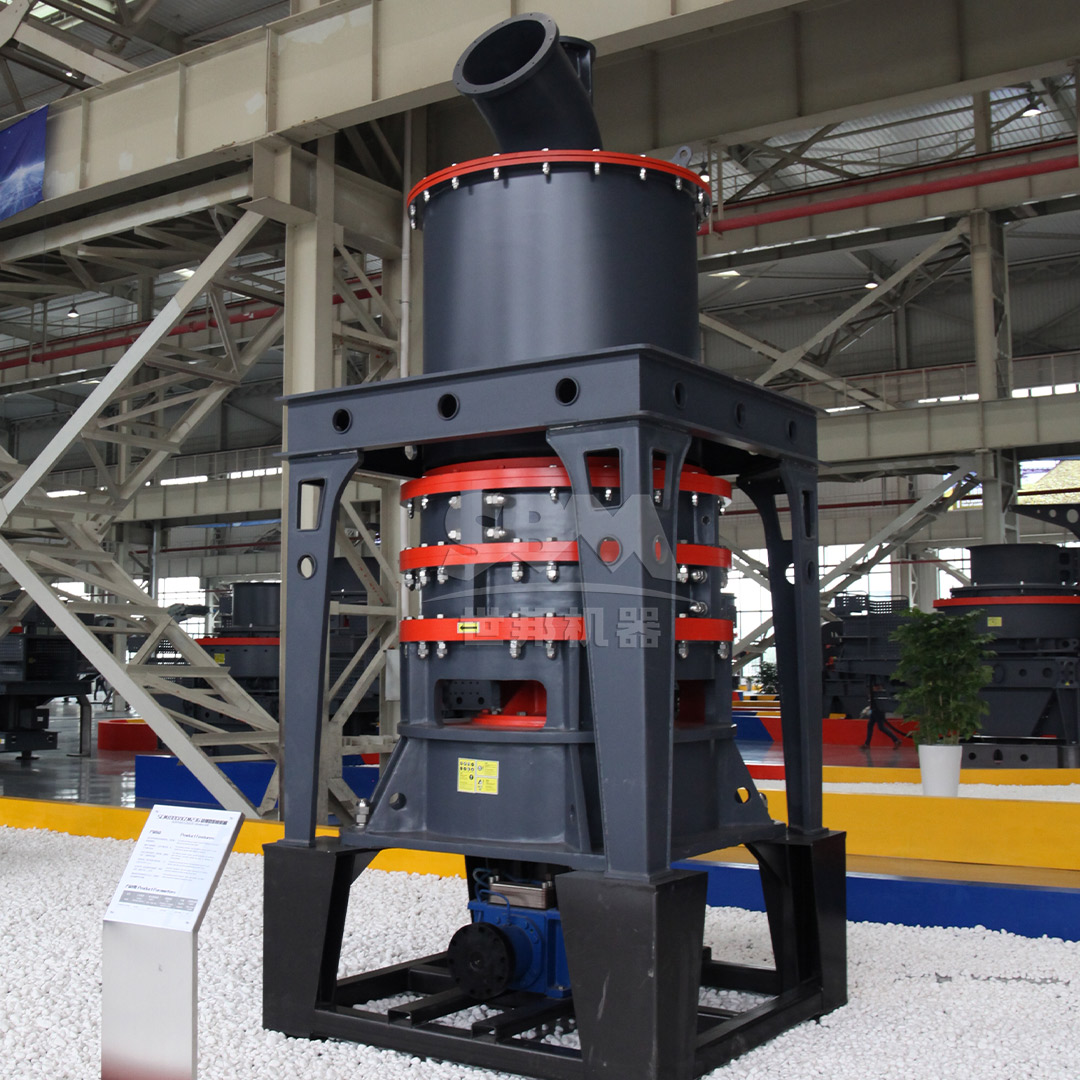
Models & Specifications for Slag:
- SCM800: Capacity 0.5-4.5 t/h | Main Power 75kW | Fineness 325-2500 mesh
- SCM900: Capacity 0.8-6.5 t/h | Main Power 90kW | Fineness 325-2500 mesh
- SCM1000: Capacity 1.0-8.5 t/h | Main Power 132kW | Fineness 325-2500 mesh
- SCM1250: Capacity 2.5-14 t/h | Main Power 185kW | Fineness 325-2500 mesh
- SCM1680: Capacity 5.0-25 t/h | Main Power 315kW | Fineness 325-2500 mesh
For a typical slag grinding plant requiring a capacity of 10 t/h with a fineness of 600 mesh, the SCM1250 is an ideal choice, providing the perfect balance of throughput and ultra-fine output.
Top Recommendation 2: LM Series Vertical Roller Mill for Large-Scale Slag Grinding
For high-capacity slag powder production lines where the target fineness is 30-325 mesh (600-45µm), the LM Series Vertical Roller Mill is the industry benchmark. It is the weapon of choice for the world’s largest cement and slag powder producers. Its integrated design and ultra-low operating costs make it far superior to traditional Raymond mill systems.
Integrated Design & Low Infrastructure Costs: The LM mill integrates crushing, grinding, and selection into a single unit. This reduces floor space by a remarkable 50% compared to a traditional Raymond mill system with a separate crusher, bucket elevator, and classifier. It can even be installed outdoors, reducing infrastructure and civil engineering costs by 40%.
Targeted for Slag: The LM Series has a dedicated Vertical Slag Mill Series (LM130N to LM370N) specifically designed for this application. Key parameters for these models are optimized for slag:
- Specific Surface Area: 420-500 m²/kg (Blaine).
- Capacity: Ranges from 4 t/h (LM130N) to a massive 110 t/h (LM370N).
- Main Power: 200-3300 kW.
- Material Moisture: Designed to handle up to 15% moisture, utilizing hot air for drying during grinding.
Ultra-Low Operating Cost: The key to the LM mill’s superiority is its non-contact design between the rollers and the grinding table. This eliminates metal-on-metal wear, extending the life of wear parts by 3x compared to Raymond mill rings and rollers. The overall energy consumption is 30-40% lower than a ball mill system, which translates directly to massive cost savings in a high-tonnage slag operation.
Intelligent & Environmental: The expert-level auto-control system supports remote and local switching, performing real-time monitoring of vibration, temperature, and pressure—reducing manual intervention to nearly zero. The fully sealed, negative-pressure operation ensures that dust emissions are less than 30 mg/Nm³, and the operating noise is kept well under 85 dB.
Working Principle: The main motor drives the grinding table via a planetary gear reducer. Slag enters through the central feed port and spreads evenly across the table via centrifugal force. The hydraulic-pneumatic system presses the grinding rollers onto the material layer. Qualified fines are carried by the hot air stream to the dynamic classifier, while coarse slag particles return to the table for re-grinding.
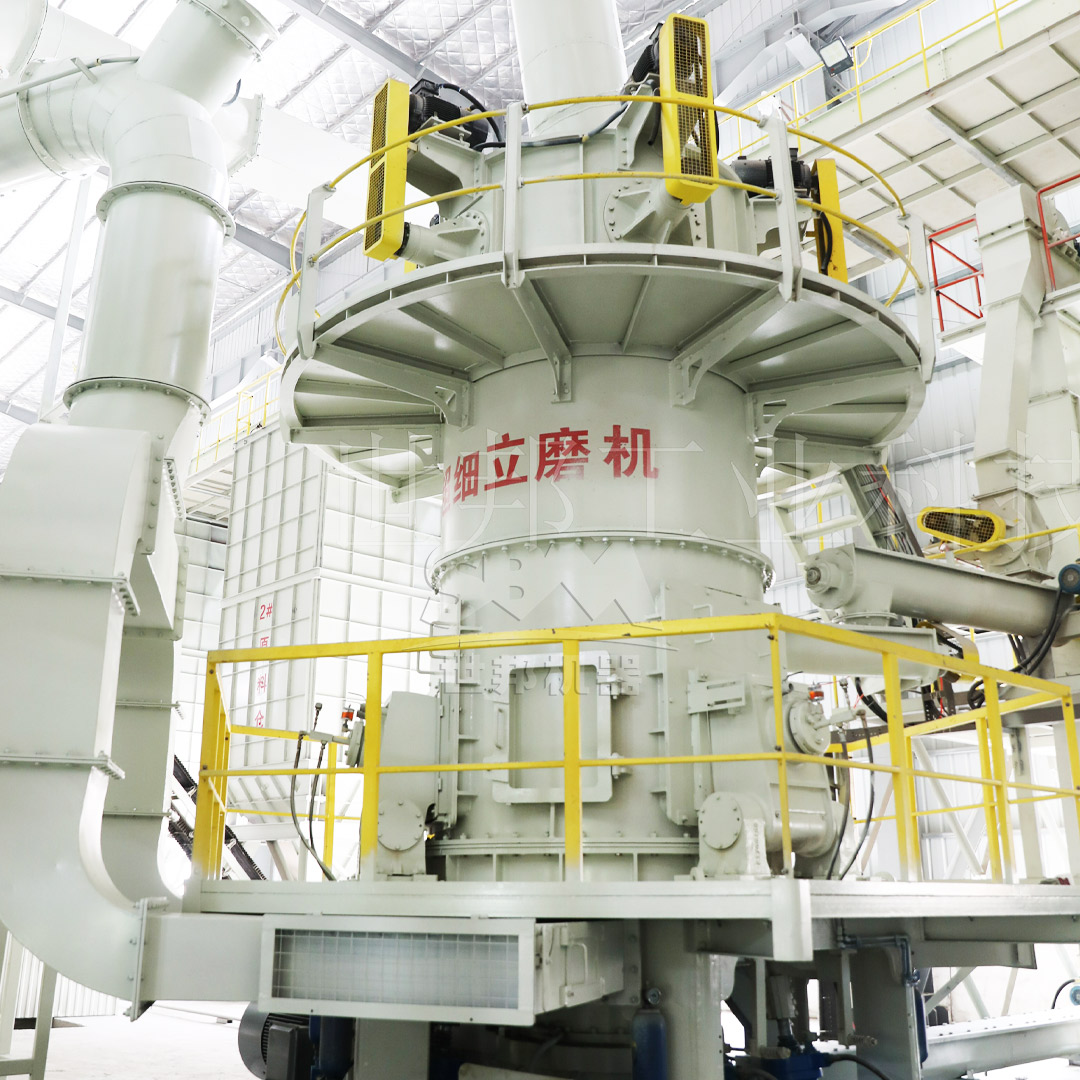
Key Models for Slag (LM130N-Series):
- LM130N: Table Φ1300mm | Capacity 4-10 t/h | Main Power 200kW
- LM170N: Table Φ1700mm | Capacity 7-17 t/h | Main Power 400kW
- LM220N: Table Φ2200mm | Capacity 14-34 t/h | Main Power 800kW
- LM280N: Table Φ2800mm | Capacity 22-58 t/h | Main Power 1250kW
- LM370N: Table Φ3700mm | Capacity 40-110 t/h | Main Power 3300kW
This makes the LM Series the definitive answer for any enterprise looking to enter the slag powder market with a high-volume, low-cost-per-ton production model.
Conclusion: Why Advanced Mills Outperform Traditional Raymond Mills for Slag
To answer the original question directly: Yes, a traditional Raymond mill can physically grind slag, but it is rarely the optimal choice for producing high-quality, commercial-grade slag powder. The limitations in wear life, energy efficiency, and achievable fineness make it a less profitable long-term investment. For the demanding requirements of the slag powder industry—which demands ultra-fine particles, high specific surface area, and consistent quality—the SCM Series Ultrafine Mill and the LM Series Vertical Roller Mill are significantly superior. The SCM mill excels at producing the finest powders (down to 5µm) with unmatched classification precision, perfect for high-value SCM applications. The LM mill dominates in high-capacity scenarios (up to 110 t/h for slag), offering the lowest operating costs and highest reliability. By choosing our advanced milling technology, you are not just buying a machine; you are investing in a turnkey solution that guarantees higher throughput, lower energy bills, longer equipment life, and a cleaner environment. Contact us today to find the perfect slag grinding solution for your specific capacity and fineness requirements.