
How to Choose the Right Vertical Mill Model for Phosphate Rock Grinding
Introduction
Phosphate rock is a critical raw material for fertilizer production, animal feed supplements, and various industrial chemicals. To unlock its value, phosphate rock must be ground to a fine powder—typically between 80 and 500 mesh, depending on the downstream application. Among the many grinding technologies available, vertical mills have emerged as the preferred solution for phosphate rock processing due to their high efficiency, compact footprint, and ability to handle abrasive materials. However, selecting the right vertical mill model is not a one-size-fits-all decision. It requires careful consideration of material properties, target fineness, production capacity, energy consumption, and long-term maintenance costs. This article provides a comprehensive guide to choosing the correct vertical mill model for phosphate rock grinding, with practical references to proven equipment designs.
1. Understand the Characteristics of Phosphate Rock
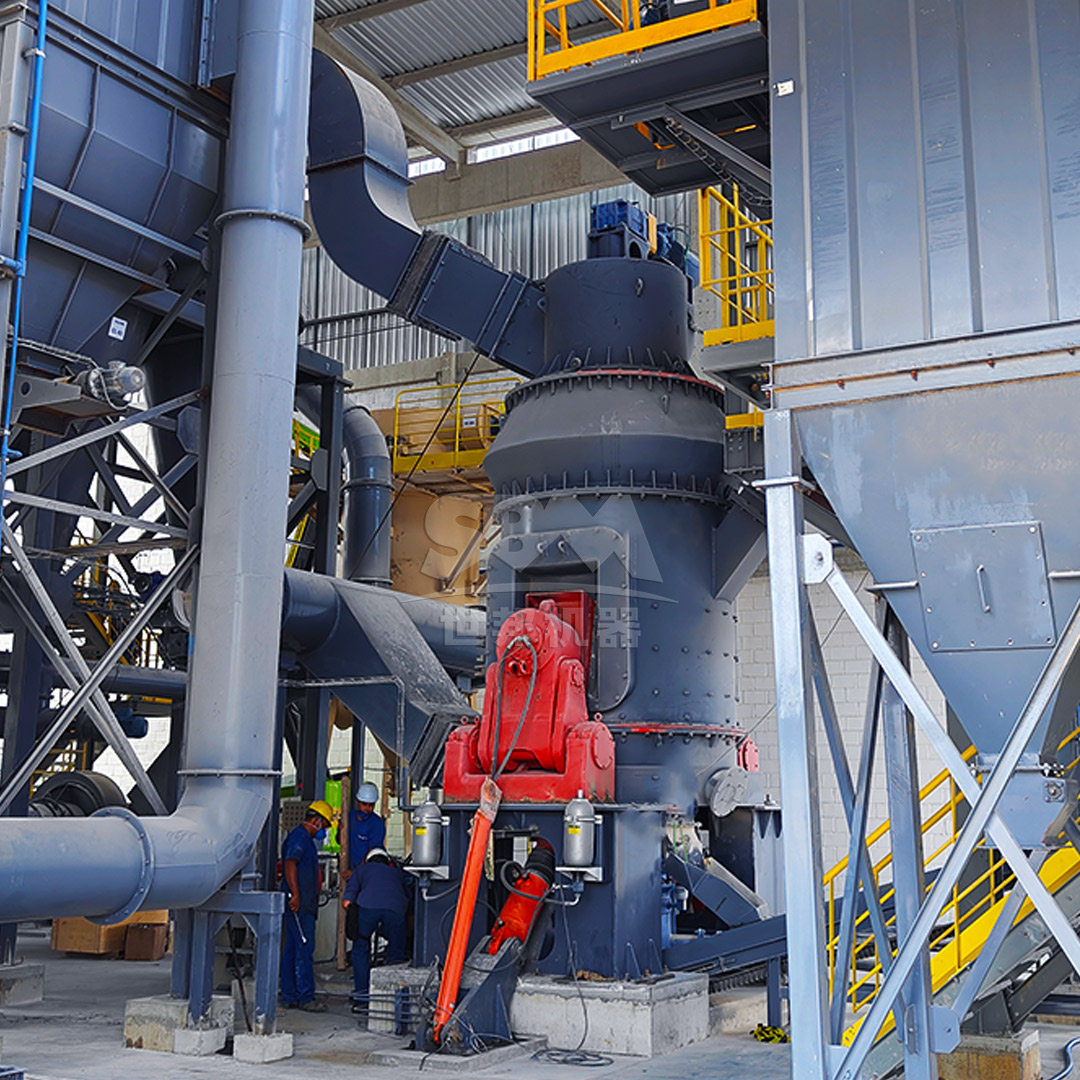
Phosphate rock varies significantly in hardness, moisture content, and chemical composition. Most sedimentary phosphate ores have a Mohs hardness of 3–5, while igneous deposits can reach 5–6. Abrasiveness is another key factor—silica content can accelerate wear on grinding components. Moisture content, often 5–15% in raw ore, affects the choice of drying capability within the mill system. Before selecting a mill model, conduct a thorough material analysis including Bond Work Index, abrasiveness index, and moisture content. This data will determine the required grinding force, wear protection, and whether a hot-air system is necessary. Vertical mills with integrated drying and classifying functions, such as the LM series, are particularly suitable for phosphate rock with moderate moisture.
2. Define Your Target Fineness and Capacity
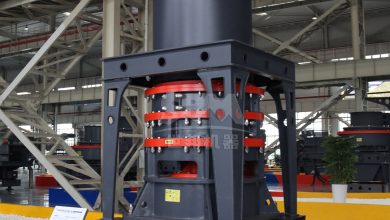
The required product fineness is the first parameter that narrows down the mill selection. Phosphate rock for fertilizer production typically requires 80–100 mesh (150–180 μm), while technical-grade phosphates may need 325 mesh (45 μm) or finer. Capacity requirements range from a few tons per hour in small plants to over 100 t/h in large-scale operations. It is essential to match the mill’s rated capacity to your production needs while accounting for a 10–20% safety margin. Over-sizing wastes energy and capital, while under-sizing leads to bottlenecks. For medium-to-large capacities (10–100 t/h) and fineness up to 325 mesh, the MTW European Trapezium Mill is an excellent choice. Its models span from MTW110 (3–9 t/h) to MTW215G (15–45 t/h), with the MRN218 model reaching up to 45 t/h. For ultrafine requirements down to 2500 mesh, the SCM Series Ultrafine Mill offers capacities from 0.5 to 25 t/h, making it ideal for specialty phosphate products.
3. Evaluate Grinding Efficiency and Energy Consumption
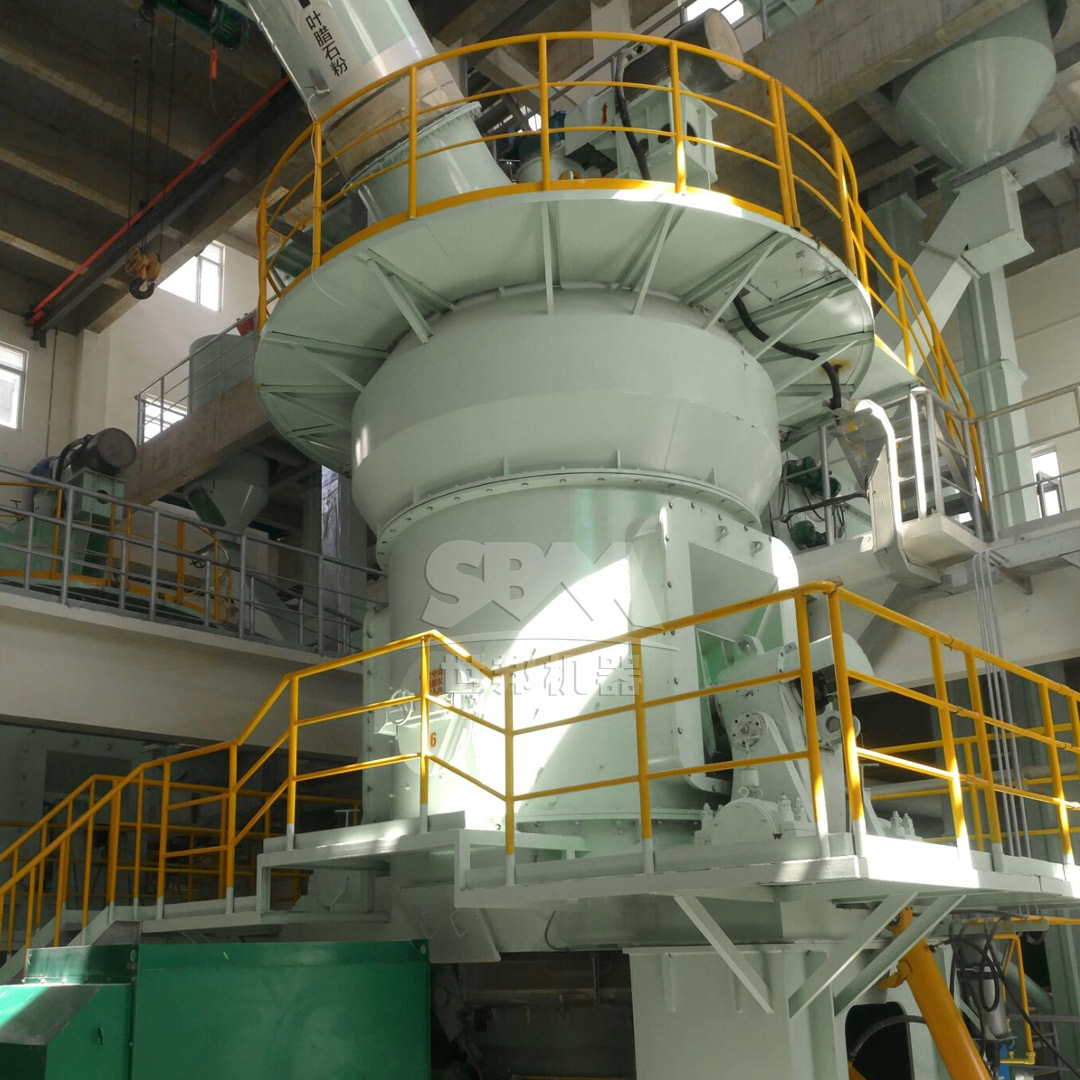
Energy is the largest operating cost in phosphate rock grinding. Vertical mills are inherently more efficient than ball mills because they use pressure and shear forces rather than impact and attrition. However, not all vertical mills are equal. Look for features such as optimized roller and table profiles, high-efficiency classifiers, and variable frequency drives. The LM Series Vertical Roller Mill, for instance, achieves energy consumption 30–40% lower than ball mill systems, thanks to its non-contact roller-table design and integrated classification. For ultrafine grinding, the SCM Series Ultrafine Mill delivers capacity twice that of jet mills while consuming 30% less energy, supported by an intelligent control system that provides automatic finished product granularity feedback. When comparing models, request specific power consumption data (kWh/t) at your target fineness—this is the single most reliable indicator of operating cost.
4. Consider Wear Parts and Maintenance Requirements
Phosphate rock, especially with high silica content, is abrasive. Wear part life directly impacts maintenance costs and downtime. Vertical mills designed for abrasive materials use special alloy rollers and rings, ceramic liners, and protected air ducts. The MTW Series European Trapezium Mill features a combined shovel blade design and curved grinding roller that extend service life, while its wear-resistant volute structure reduces maintenance costs by 30%. The LM Series offers a modular grinding roller assembly quick-change system that slashes downtime. For ultrafine applications, the SCM Series employs special material rollers and rings that extend service life several times over. Always ask about the expected wear part life in hours and the cost per ton of wear parts. A mill with a slightly higher capital cost but double the wear life is usually the more economical choice.
5. Assess Classification Accuracy and Product Quality
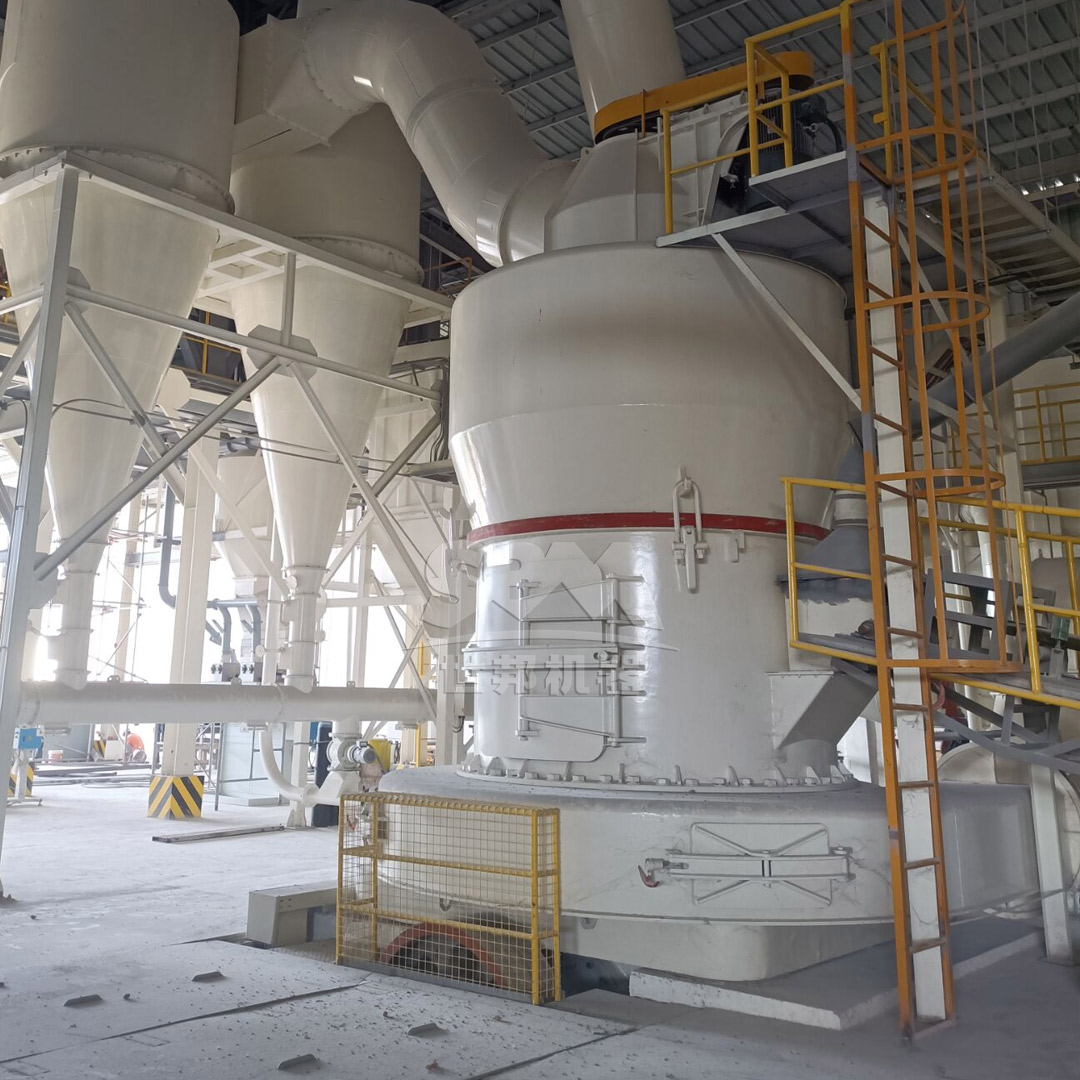
Consistent particle size distribution is crucial for phosphate rock used in fertilizers and chemicals. A mill with poor classification will produce coarse particles that require additional screening or re-grinding, driving up costs. Vertical turbine classifiers with precise particle size cutting, such as those in the SCM Series, ensure no coarse powder mixing and uniform finished products. The LM Series uses a dynamic classifier with multi-stage adjustment technology, allowing quick changes to product fineness without stopping the mill. The MTW Series incorporates an integral bevel gear drive and optimized arc air duct that improve air selection efficiency and reduce airflow energy loss. When evaluating a model, request a particle size distribution curve from a test grind of phosphate rock—not just a single fineness value.
6. Factor in Environmental and Safety Standards
Modern phosphate grinding plants must comply with stringent dust emission and noise regulations. Look for mills with fully sealed negative-pressure operation, pulse-jet dust collectors, and soundproofing. The LM Series offers fully sealed negative pressure operation with dust emission well below international standards, and its operating noise is minimized through integrated design. The SCM Series includes a pulse dust collection system exceeding international standards and a soundproof room design. The MTW Series provides multi-stage dust collection options and eco-friendly operation. Additionally, consider explosion-proof requirements if grinding dry phosphate with organic contaminants, and ensure the mill system includes spark detection and inerting capabilities if needed.
7. Match the Mill to Your Plant Layout and Infrastructure
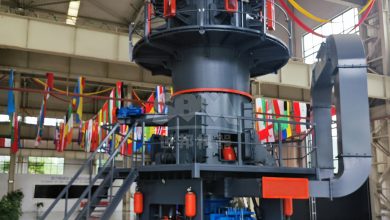
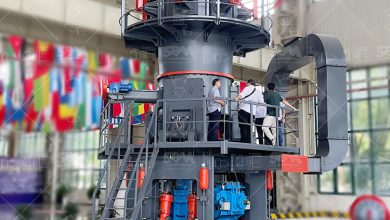
Vertical mills are praised for their compact footprint, but models vary significantly in height and foundation requirements. The LM Series integrates crushing, grinding, and selection, reducing floor space by 50% and allowing outdoor installation that cuts infrastructure costs by 40%. This is a major advantage for brownfield expansions or remote mining sites. The MTW Series uses an integral bevel gear drive that saves space and reduces installation costs. For ultrafine grinding, the SCM Series is relatively compact for its capacity. Always request general arrangement drawings and foundation load data for each candidate model, and verify that the mill can be serviced with your available crane capacity.
8. Review Control and Automation Features
Modern vertical mills should offer intelligent control to maintain stable operation and optimize energy use. Look for PLC-based automation with real-time monitoring of roller pressure, table speed, airflow, and product fineness. The LM Series features an expert-level auto-control system supporting remote/local switching and real-time parameter monitoring to reduce manual intervention. The SCM Series provides intelligent control with automatic finished product granularity feedback. The LUM Ultrafine Vertical Roller Mill uses PLC automation for stable running. Automation not only reduces labor costs but also prevents conditions that cause excessive wear or downtime.
9. Compare Total Cost of Ownership, Not Just Price
The purchase price of a vertical mill is only a fraction of its total cost of ownership. Energy, wear parts, maintenance labor, downtime, and product quality all contribute. Create a spreadsheet comparing candidate models over a 5–10 year horizon. Include: capital cost, installed power, expected kWh/t, wear part consumption (g/t), spare parts prices, and estimated availability. In most phosphate grinding projects, the mill with the lowest energy consumption and longest wear life wins, even if its initial price is 20–30% higher. The LM Series, with its 30–40% lower energy consumption than ball mills and 3x longer wear part life, often pays back the price difference within two years. The MTW Series, with its 98% transmission efficiency and 30% lower maintenance costs, offers similar long-term savings.
10. Recommended Models for Phosphate Rock Grinding
Based on the criteria above, two models stand out for phosphate rock grinding across a wide range of applications. First, the LM Series Vertical Roller Mill is the workhorse for medium-to-large capacity plants (10–250 t/h) requiring fineness from 30 to 325 mesh. Its integrated design, low operating cost, and intelligent control make it ideal for fertilizer-grade phosphate. For a plant producing 30 t/h at 200 mesh, the LM190K model (23–68 t/h, 500 kW) provides ample capacity and efficiency. Second, the SCM Series Ultrafine Mill is the specialist for ultrafine phosphate products (325–2500 mesh) at capacities up to 25 t/h. Its high-precision classification and energy-saving design make it perfect for technical-grade phosphates and specialty chemicals. For a plant needing 5 t/h at 1250 mesh, the SCM1000 model (1.0–8.5 t/h, 132 kW) is a proven choice. Both models are backed by patented technology and decades of field experience in mineral grinding.
Conclusion
Choosing the right vertical mill model for phosphate rock grinding requires a systematic evaluation of material properties, fineness and capacity targets, energy efficiency, wear life, classification accuracy, environmental compliance, layout constraints, automation, and total cost of ownership. By following the ten steps outlined in this article and requesting test data from reputable suppliers, you can select a mill that delivers reliable performance and low operating costs for decades. Whether your project demands the high-capacity LM Series or the ultrafine precision of the SCM Series, investing time in proper model selection will pay dividends in productivity and profitability.