
Application of Raymond Mill in Diatomite Processing: Equipment Selection and Process Optimization
Introduction
Diatomite, a naturally occurring siliceous sedimentary rock, has gained significant attention in various industries due to its unique properties such as high porosity, low density, large surface area, and chemical inertness. These characteristics make it invaluable in filtration, insulation, absorbents, fillers, and as a carrier for catalysts. However, to fully exploit the potential of diatomite, efficient processing is essential, particularly in the grinding stage. Raymond mills, with their versatile grinding capabilities and precise classification, have emerged as a preferred choice for diatomite processing. This article explores the application of Raymond mills in diatomite processing, focusing on equipment selection and process optimization, and introduces advanced milling solutions from our company to enhance productivity and product quality.
Properties and Processing Requirements of Diatomite
Diatomite is composed of fossilized remains of diatoms, with silica content often exceeding 80%. Its fragile structure and low hardness (Mohs hardness 1-1.5) require gentle grinding to preserve the porous structure. The desired fineness for diatomite products typically ranges from 100 to 1000 mesh, depending on the application. For filtration, a coarser grind (e.g., 100-200 mesh) is sufficient, while fillers and absorbents require finer grades (e.g., 325-1250 mesh). Additionally, contamination must be minimized to maintain product purity. Therefore, the grinding equipment must offer adjustable fineness, high classification efficiency, and minimal wear to prevent iron contamination.
Why Raymond Mill for Diatomite?
Raymond mills, also known as pendulum mills, are widely used for grinding non-metallic minerals. Their popularity in diatomite processing stems from several advantages: First, they provide a wide range of fineness adjustment, typically from 30 to 325 mesh, which covers most diatomite applications. Second, the integrated classification system ensures uniform product size. Third, the relatively low energy consumption compared to ball mills makes them cost-effective. Fourth, modern Raymond mills incorporate advanced features such as wear-resistant materials, dust collection systems, and automated controls, aligning with environmental and operational standards. Among the various models, the MTW European Trapezium Mill and the MTM Medium-speed Trapezium Mill stand out for their efficiency and reliability in diatomite processing.
Equipment Selection: MTW European Trapezium Mill
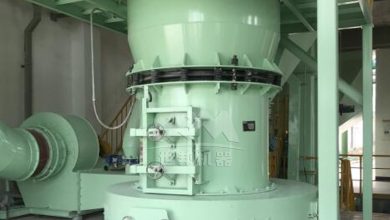
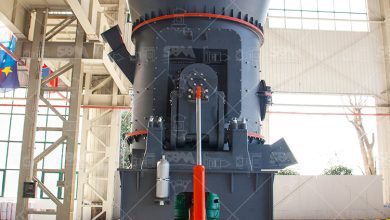
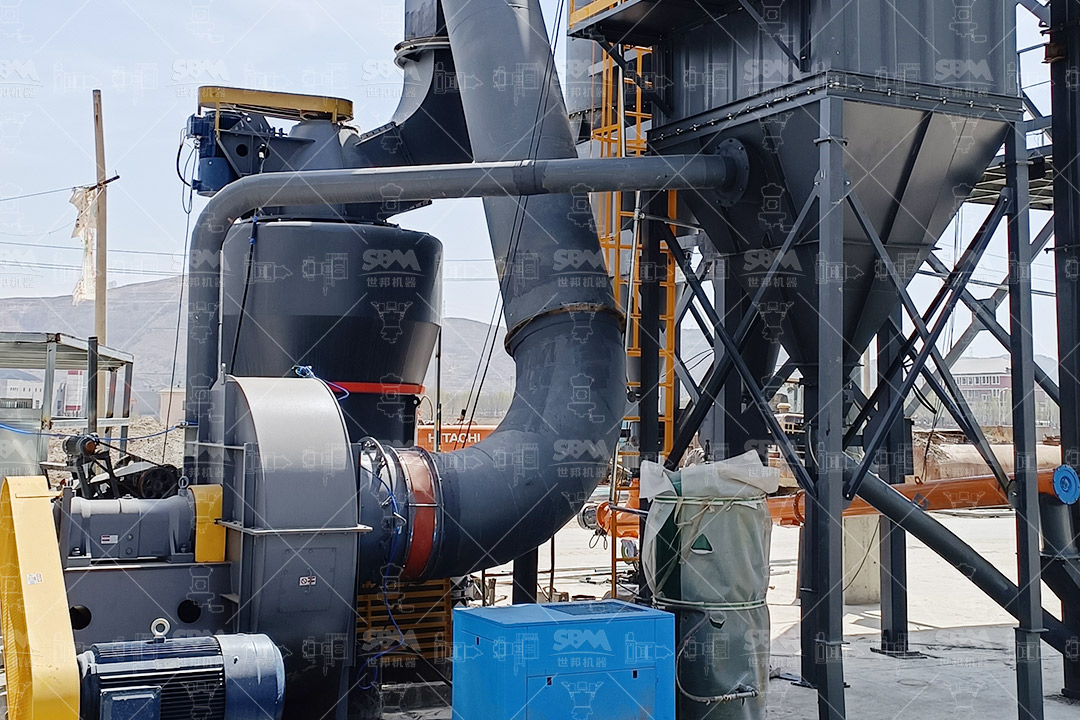
For medium to large-scale diatomite processing, the MTW European Trapezium Mill is an excellent choice. It is designed with a bevel gear drive system that ensures high transmission efficiency (up to 98%) and reduces energy loss. The innovative shovel design and curved grinding rollers extend the wear life, minimizing maintenance costs. The mill’s integral classification system allows precise control of product fineness from 30 to 325 mesh, which can be easily adjusted to meet specific diatomite specifications. Moreover, the MTW mill features an optimized arc air duct that reduces airflow resistance, improving overall efficiency. With models ranging from MTW110 to MTW215G, capacities from 3 to 45 t/h, it can accommodate various production scales. The patented internal suction oil lubrication system ensures reliable operation, while the pulse dust removal technology guarantees environmental compliance.
Equipment Selection: SCM Series Ultrafine Mill
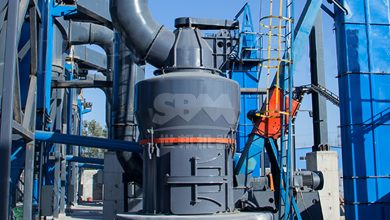
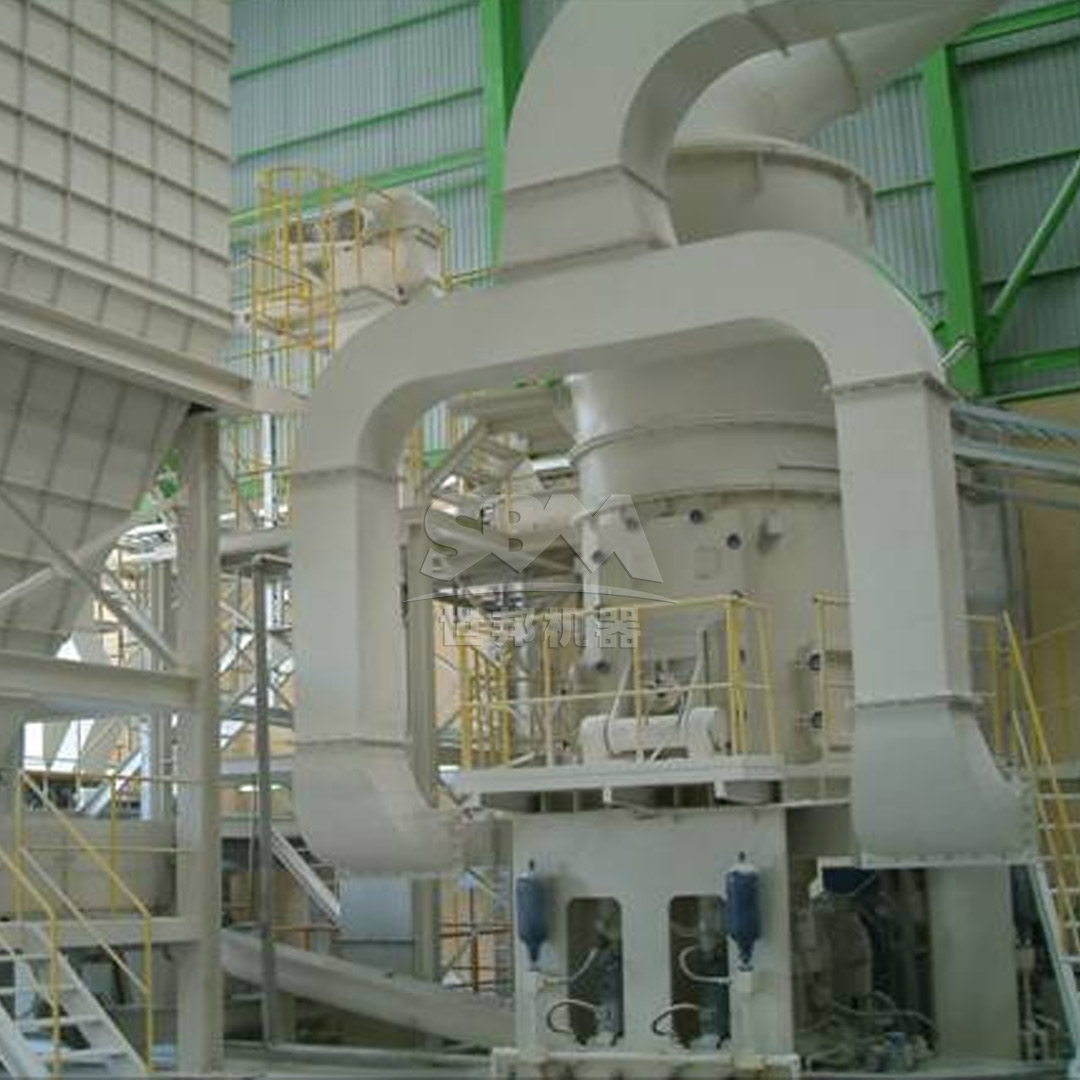
For ultrafine diatomite products (e.g., 800-2500 mesh), the SCM Series Ultrafine Mill is the ideal solution. It utilizes a vertical turbine classifier that achieves precise particle size cutting, ensuring no coarse powder mixing and uniform finished products. The mill’s capacity is twice that of jet mills with 30% lower energy consumption, making it highly efficient. The special material rollers and rings significantly extend service life, while the shaftless screw grinding chamber ensures stable operation. The SCM mill is equipped with intelligent control that provides automatic feedback on finished product granularity, reducing manual intervention. With models from SCM800 to SCM1680, capacities up to 25 t/h, and fineness up to 2500 mesh, it caters to high-end diatomite applications. The pulse dust collection efficiency exceeds international standards, and the soundproof room design ensures low noise levels.
Process Optimization
To maximize the performance of Raymond mills in diatomite processing, process optimization is crucial. 1. Feed Preparation: Diatomite should be crushed to a consistent size (≤20-50 mm depending on the mill) using a hammer mill or jaw crusher to ensure smooth feeding and stable operation. Our Hammer Mill (PC series) offers high crushing ratios and uniform output, ideal for preparing feed for Raymond mills.
2. Moisture Control: Diatomite often contains moisture, which can cause clogging and reduce grinding efficiency. Pre-drying the material to a moisture content below 1% is recommended. The MTW mill’s air-swept design can handle slight moisture, but excessive moisture may require a dryer.
3. Grinding Parameters: Adjust the classifier speed and airflow to achieve the desired fineness. For MTW mills, the variable frequency drive on the classifier allows precise control. Regular monitoring of product size ensures consistency.
4. Wear Management: Although diatomite is relatively soft, abrasive impurities may accelerate wear. Using wear-resistant liners and rollers (as in MTW and SCM mills) reduces downtime. Scheduled inspection and replacement of wear parts are essential.
5. Dust Collection: Diatomite powder is lightweight and can become airborne. Efficient dust collection not only protects the environment but also recovers valuable product. The pulse-jet dust collectors integrated into our mills ensure compliance with emission standards.
6. Automation: Implementing PLC-based control systems, as available in SCM and MTW mills, optimizes grinding stability and reduces labor costs. Real-time monitoring of parameters like temperature, pressure, and power consumption enables proactive maintenance.
Case Study: Enhancing Diatomite Filtration Performance
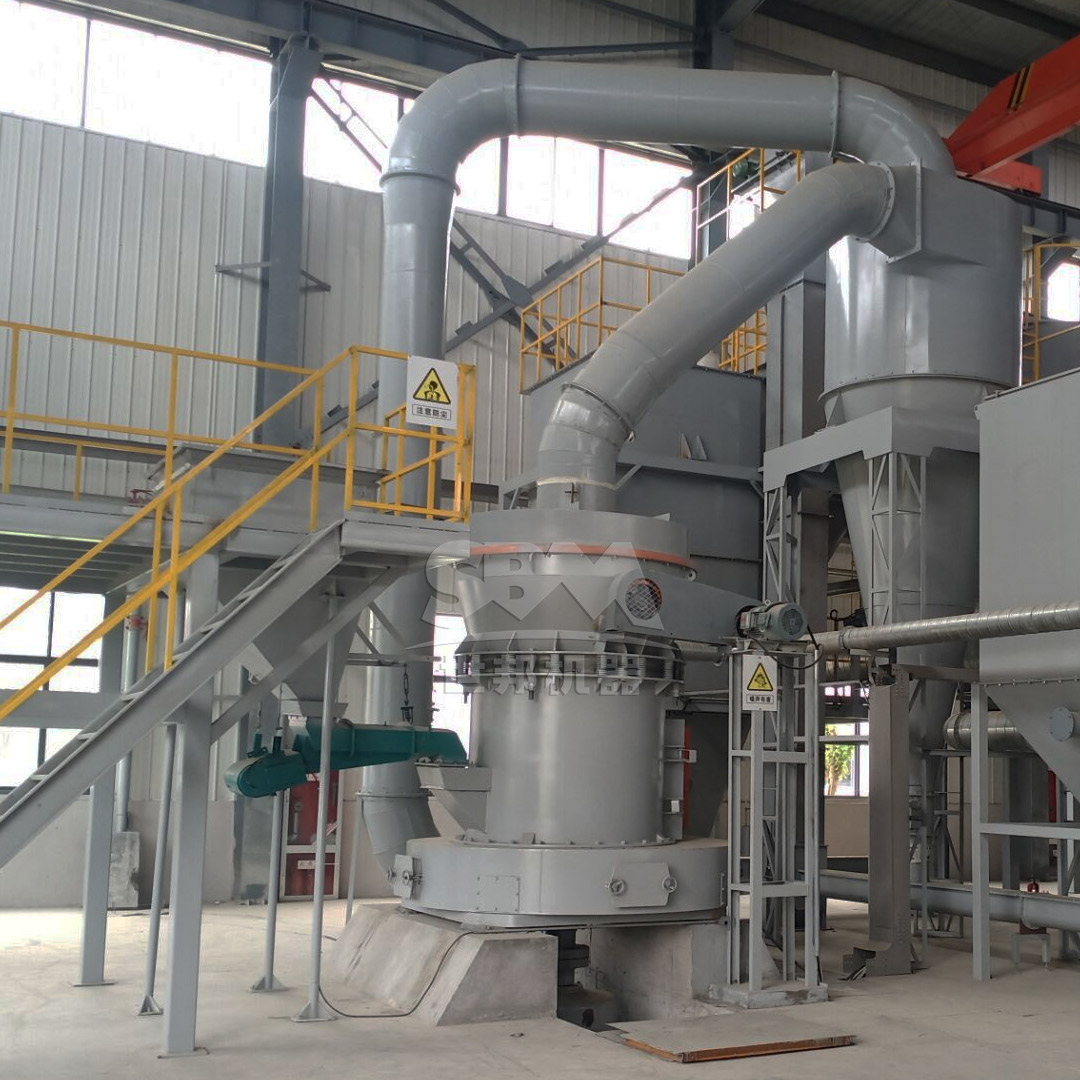
A diatomite processor in Asia sought to improve the permeability and clarity of its filter aid products. By replacing an outdated ball mill with an MTW138Z mill, they achieved a uniform particle size distribution (D50=45µm) while increasing capacity by 30% and reducing energy consumption by 25%. The precise classification minimized fines, enhancing filtration efficiency. The dust collection system recovered 99.5% of the product, minimizing waste. This case demonstrates the tangible benefits of selecting the right Raymond mill and optimizing the process.
Conclusion
Raymond mills, particularly the MTW European Trapezium Mill and SCM Series Ultrafine Mill, offer robust solutions for diatomite processing, balancing efficiency, product quality, and environmental responsibility. Proper equipment selection based on fineness requirements and production scale, coupled with process optimization, unlocks the full potential of diatomite. Our company’s advanced milling technologies, backed by patented innovations and a commitment to customer satisfaction, provide reliable and sustainable solutions for diatomite processors worldwide. By investing in the right equipment and optimizing operations, manufacturers can enhance product value and stay competitive in the growing diatomite market.