
Carbon Black Grinding Mill Price: How to Choose the Right Machine and Get an Accurate Quote
Introduction: The Increasing Demand for Carbon Black Powder
Carbon black is an essential industrial material used in tires, rubber products, plastics, inks, coatings, and batteries. With the rapid growth of these industries, the demand for finely ground carbon black powder has increased significantly. To meet this demand, manufacturers must invest in efficient and reliable grinding mills. However, selecting the right carbon black grinding mill is not a simple task—it requires careful consideration of several factors, including fineness, capacity, energy consumption, and overall cost. This article aims to guide you through the process of choosing the right machine and obtaining an accurate price quote.
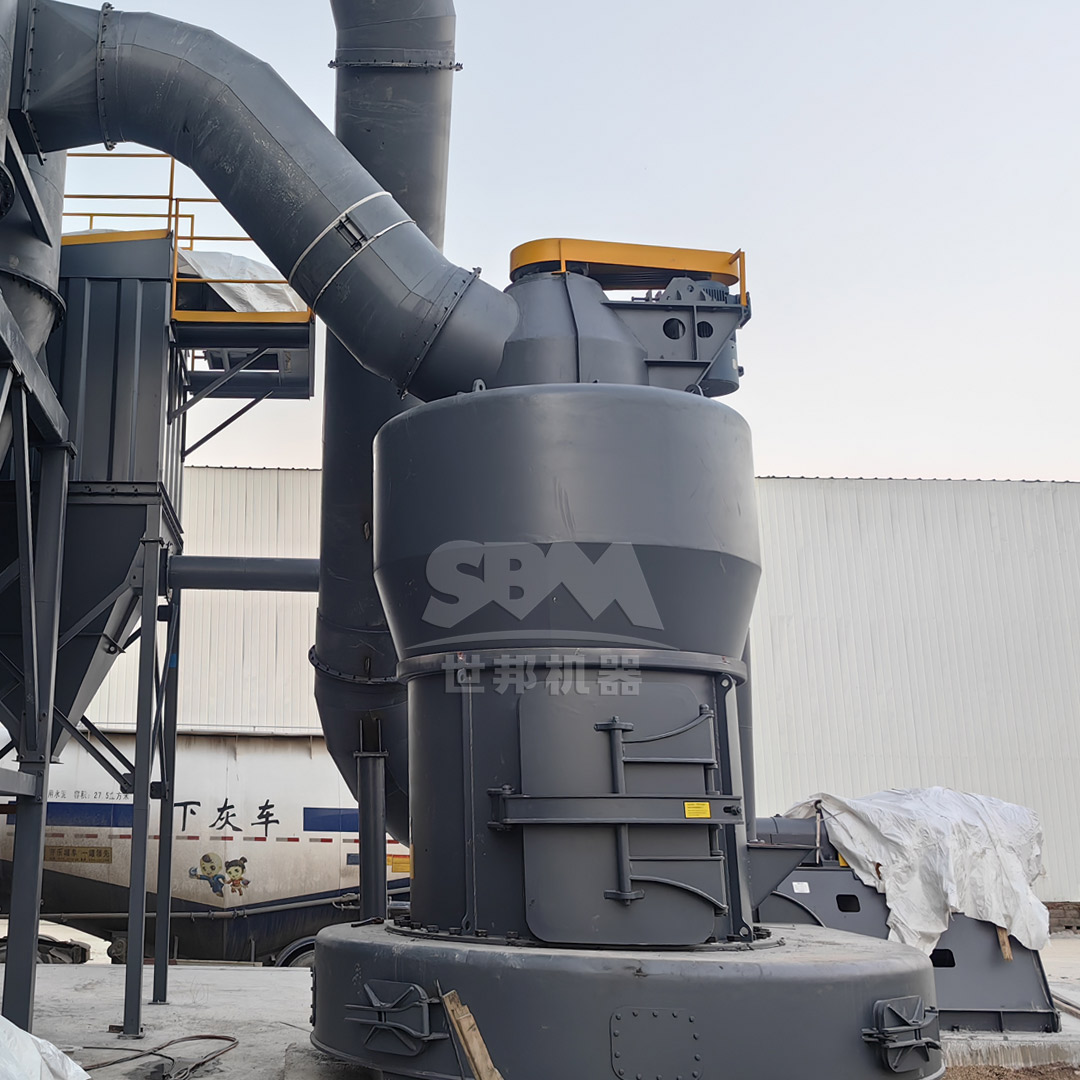
Key Factors That Influence Carbon Black Grinding Mill Price
The price of a carbon black grinding mill varies widely based on several technical and commercial factors. Understanding these factors will help you make an informed decision and negotiate a fair price.
1. Output Fineness and Capacity
The required fineness (measured in mesh or microns) and production capacity (tons per hour) are the primary determinants of mill price. Higher fineness and larger capacity generally require more sophisticated equipment and more powerful motors, which increase the cost. For carbon black, typical fineness ranges from 325 mesh to 2500 mesh, and capacities can range from 0.5 t/h to over 45 t/h.
2. Grinding Mill Type and Technology
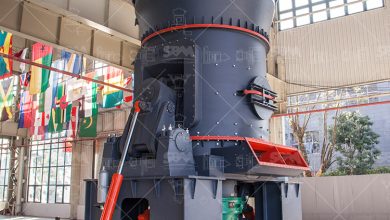
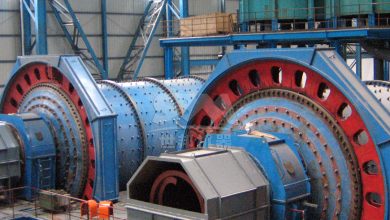
Different types of grinding mills are suitable for carbon black processing, including ultrafine mills, vertical roller mills, trapezium mills, and ball mills. Each type has its own advantages and price range. For example, ultrafine mills are more expensive than ball mills but offer higher efficiency and finer output. The technology incorporated, such as intelligent control systems, wear-resistant materials, and dust collection efficiency, also affects the price.
3. Manufacturer and After-Sales Service
Well-known manufacturers with a reputation for quality and reliability typically charge more. However, their equipment often comes with better after-sales support, spare parts availability, and technical assistance, which can save you money in the long run. It is advisable to choose a manufacturer that offers comprehensive services and has a proven track record in the carbon black industry.
4. Customization and Additional Equipment
If your project requires customized solutions, such as special liners, explosion-proof motors, or automated packaging systems, the price will increase. Additionally, auxiliary equipment like feeders, classifiers, dust collectors, and conveyors can add to the total cost. Always request a detailed quotation that lists all components to avoid hidden charges.
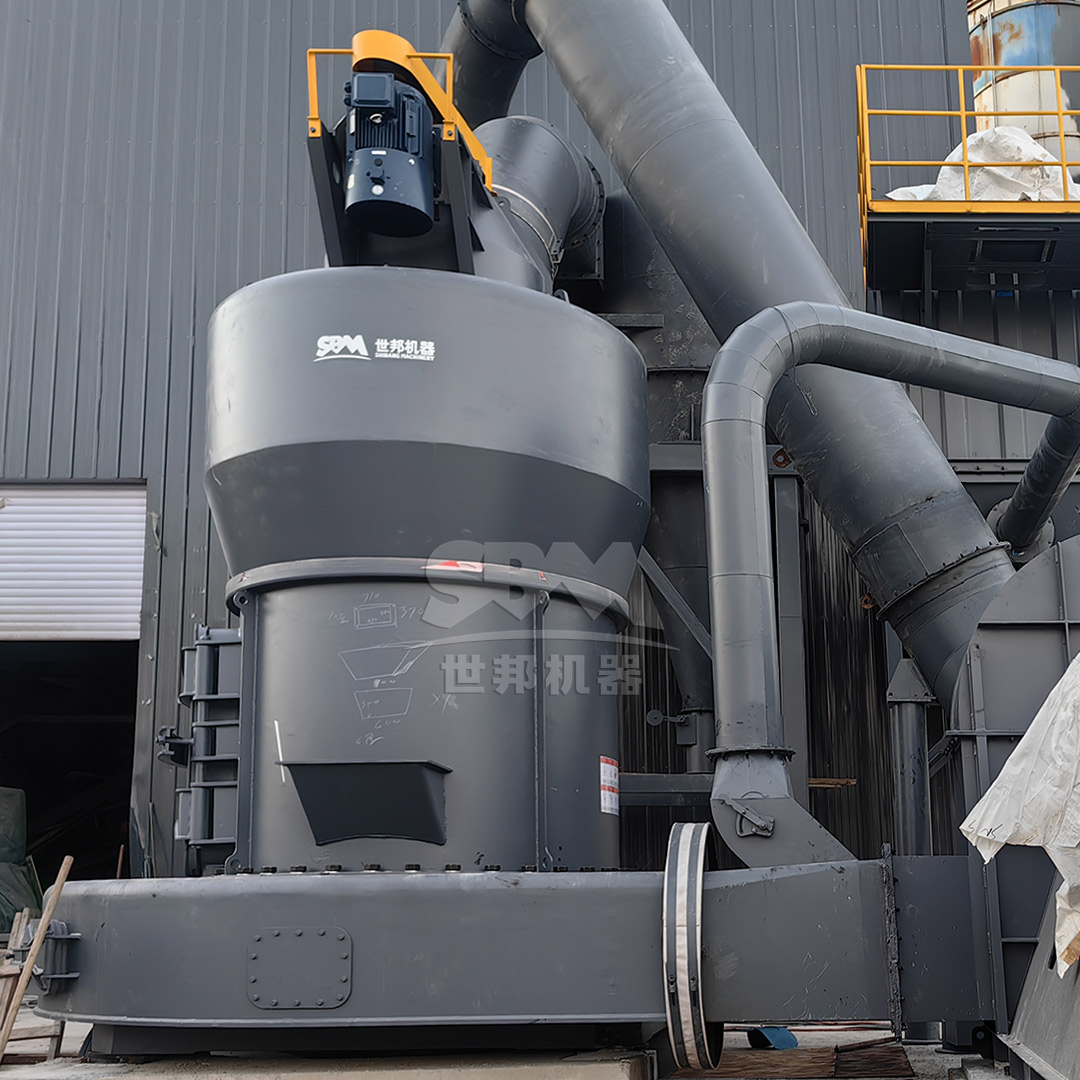
How to Choose the Right Carbon Black Grinding Mill
Choosing the right mill involves matching your specific requirements with the technical capabilities of available machines. Here are some practical steps:
Step 1: Define Your Requirements
Determine the desired fineness, capacity, and final application of the carbon black powder. For instance, if you need ultrafine powder for battery materials, you may require a mill that can achieve 2500 mesh. If you are producing large volumes for rubber, a capacity of 20 t/h or more might be necessary.
Step 2: Evaluate Grinding Mill Technologies
Compare different mill types based on efficiency, energy consumption, maintenance, and footprint. For carbon black, ultrafine mills and vertical roller mills are often preferred due to their high efficiency and precise classification. Let’s examine two of our recommended products that excel in carbon black processing:
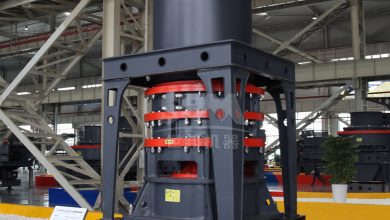
Recommended Product 1: SCM Series Ultrafine Mill
The SCM Series Ultrafine Mill is an ideal choice for producing fine and ultrafine carbon black powder. With an output fineness of 325-2500 mesh and a capacity of 0.5-25 t/h, it can meet various production needs. Its technical advantages include:
- High Efficiency & Energy Saving: Capacity is twice that of jet mills, with 30% lower energy consumption.
- High-Precision Classification: Vertical turbine classifier ensures uniform finished products without coarse powder mixing.
- Durable Design: Special material rollers and rings extend service life several times over.
- Eco-friendly & Low Noise: Pulse dust collection exceeds international standards, and soundproof design reduces noise.
With models ranging from SCM800 to SCM1680, you can choose the one that fits your capacity requirements. For example, the SCM1250 offers 2.5-14 t/h, while the SCM1680 can produce up to 25 t/h.
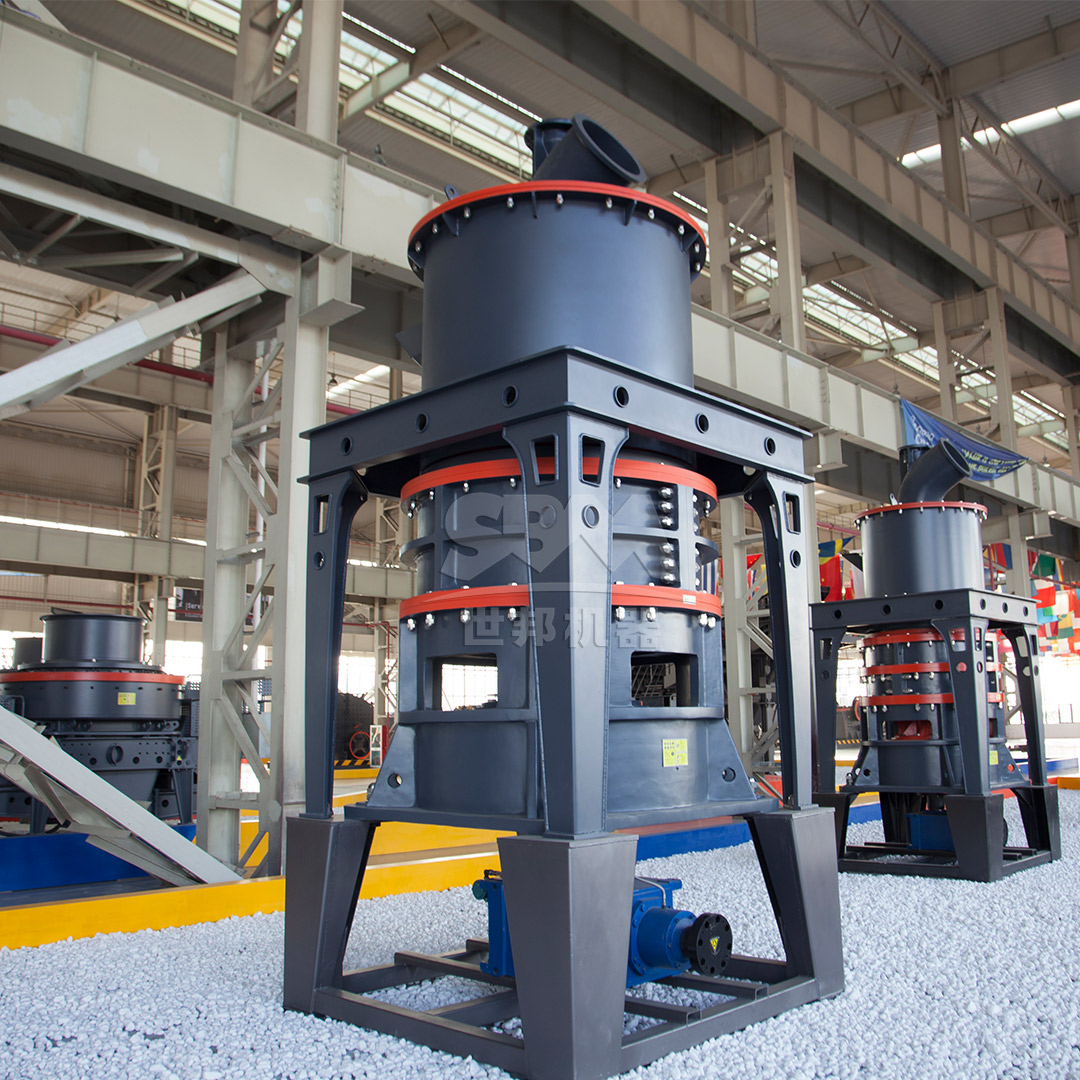
Recommended Product 2: MTW Series European Trapezium Mill
For medium to fine grinding, the MTW Series European Trapezium Mill is a robust and cost-effective solution. It offers output fineness of 30-325 mesh (down to 0.038mm) and capacity of 3-45 t/h. Its key features include:
- Anti-wear Shovel Design: Combined shovel blades reduce maintenance costs and extend roller life.
- Optimized Arc Air Duct: Reduces airflow energy loss and improves transmission efficiency.
- Integral Bevel Gear Drive: Transmission efficiency up to 98%, saving space and installation costs.
- Wear-resistant Volute Structure: Non-resistance flow design improves air selection efficiency, reducing maintenance costs by 30%.
Models like the MTW138Z (6-17 t/h) and MTW215G (15-45 t/h) are popular for carbon black grinding. The MTW series is known for its reliability and low operating cost.
Step 3: Consider Energy Consumption and Operating Costs
Energy costs can account for a significant portion of your total production cost. Mills with higher energy efficiency, such as the SCM and MTW series, can reduce your electricity bill substantially. Additionally, wear parts with longer life will lower maintenance expenses. Always ask the manufacturer for specific energy consumption data and wear part lifespan.
Step 4: Assess Environmental Compliance
Carbon black processing can generate dust and noise. Ensure the mill is equipped with effective dust collection systems and noise reduction features to comply with local environmental regulations. Our mills are designed with advanced pulse dust collectors and soundproof rooms to meet stringent standards.
Step 5: Request a Quote and Compare
Once you have shortlisted a few models, request detailed quotes from different suppliers. A professional quote should include the mill price, auxiliary equipment, installation, training, and warranty terms. Be wary of unusually low prices, as they may indicate inferior quality or hidden costs.
How to Get an Accurate Quote for Your Carbon Black Grinding Mill
To receive an accurate quote, provide the supplier with the following information:
- Required fineness (mesh or micron)
- Required capacity (t/h)
- Feed size and moisture content
- Available power supply (voltage, frequency)
- Installation site conditions (indoor/outdoor, space limitations)
- Any special requirements (explosion-proof, food-grade, etc.)
With this information, the supplier can recommend the most suitable model and provide a precise quotation. At our company, we offer free consultation and customized solutions. Our engineers will work with you to design the optimal grinding system for your carbon black project.
Conclusion
Selecting the right carbon black grinding mill is crucial for achieving efficient production and high-quality powder. By considering factors such as fineness, capacity, technology, and after-sales service, you can make an informed decision. The SCM Series Ultrafine Mill and MTW Series European Trapezium Mill are two excellent options that offer high efficiency, durability, and environmental compliance. To get an accurate quote, simply provide your requirements and let our experts guide you. Contact us today to start your carbon black grinding project!