Energy-Saving Vertical Grinding Mill: A Key Driver for Achieving Carbon Peaking and Carbon Neutrality Goals
Introduction: The Urgent Call for Industrial Decarbonization
As the global community accelerates toward the ambitious targets of carbon peaking and carbon neutrality, every sector of industry is being called upon to rethink its energy consumption and environmental footprint. Among the most energy-intensive industrial processes, mineral grinding and powder processing stand out as significant contributors to both power consumption and carbon emissions. Traditional grinding equipment, such as ball mills and older-generation raymond mills, have long dominated the industry, yet they are inherently inefficient, consuming vast amounts of electricity while producing substantial dust and noise pollution. The transition to energy-saving vertical grinding mills represents one of the most impactful and immediately actionable strategies for achieving carbon reduction goals in the building materials, mining, chemical, and metallurgical industries.
Why Vertical Grinding Mills Are the Cornerstone of Green Manufacturing
The fundamental advantage of vertical grinding mills lies in their grinding principle. Unlike ball mills, which rely on the impact and attrition of steel balls tumbling inside a rotating shell, vertical mills employ a material-bed grinding mechanism. Raw material is fed onto a rotating grinding table and crushed by rollers that apply direct pressure. This layer-by-layer comminution approach is dramatically more energy-efficient. Depending on the application and fineness requirements, vertical grinding mills can reduce energy consumption by 30% to 50% compared to traditional ball mill systems.
Beyond energy savings, vertical grinding mills offer a compact, integrated design that combines crushing, grinding, drying, and classification into a single unit. This integrated approach reduces the need for auxiliary equipment such as elevators, conveyors, and separate dryers, further lowering the total installed power and the associated carbon footprint of the entire production line. The reduced floor space requirement — often 50% less than conventional systems — also translates into lower infrastructure and construction-related emissions.
Environmental performance is another critical dimension. Modern vertical grinding mills operate under fully sealed negative pressure, preventing dust leakage and ensuring that emissions remain well below national and international standards. Advanced pulse dust collection systems achieve filtration efficiencies that exceed regulatory requirements, while soundproofing designs bring noise levels down to levels that protect both workers and surrounding communities.
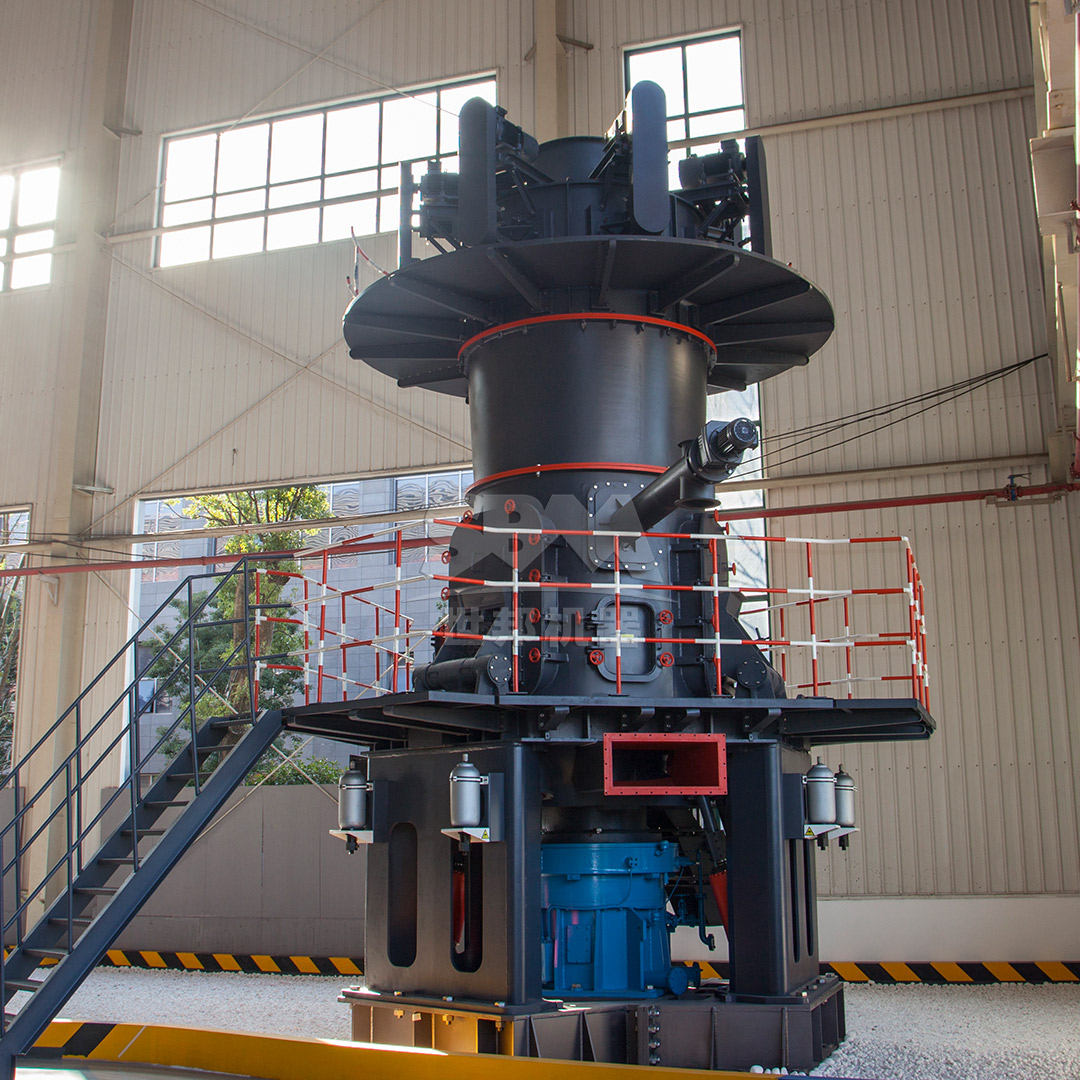
Product Spotlight: LM Series Vertical Roller Mill — The Ultimate Energy-Saving Solution
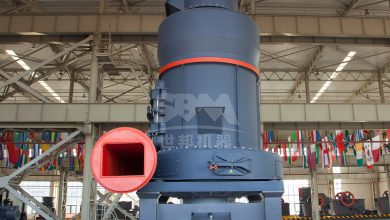
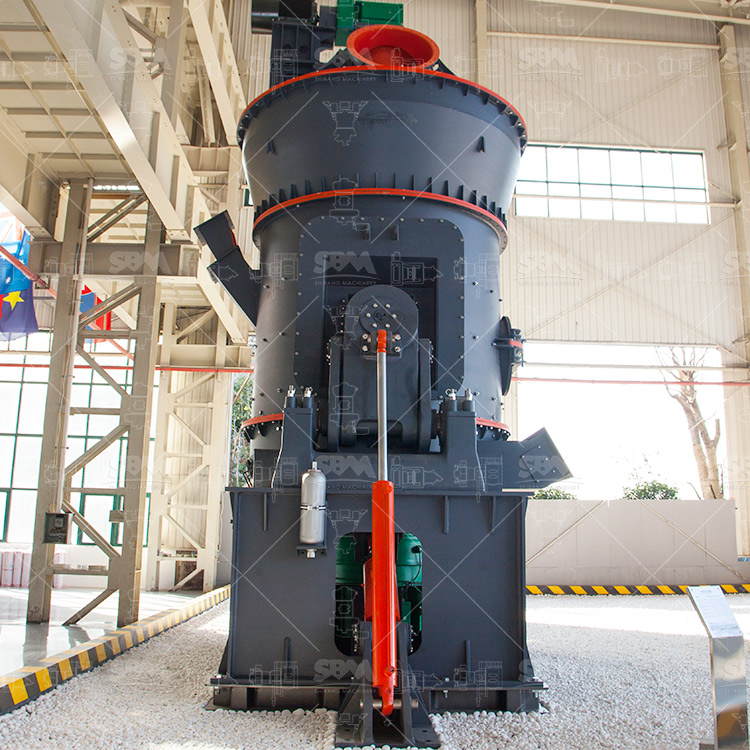
Among the wide range of grinding equipment available today, the LM Series Vertical Roller Mill stands out as a flagship energy-saving solution specifically engineered to support carbon peaking and carbon neutrality objectives. This mill is designed with an integrated system that combines crushing, grinding, and selection, significantly reducing both floor space and infrastructure costs. Its non-contact roller and table design extends wear part life by up to three times, while energy consumption is 30-40% lower than ball mill systems of comparable capacity.
The LM Series is equipped with an intelligent expert-level auto-control system that supports both remote and local switching. Real-time monitoring of key parameters — such as grinding pressure, airflow, and product fineness — allows the mill to maintain optimal operating conditions with minimal manual intervention. This not only improves product consistency but also prevents unnecessary energy waste caused by human error or fluctuating operating conditions.
From an environmental standpoint, the LM Series operates under fully sealed negative pressure, ensuring dust emissions remain extremely low and operating noise is minimized. The mill is capable of outdoor installation, which further reduces the need for costly and emission-intensive building construction. With models ranging from the LM130K (10-28 t/h) to the LM280K (50-170 t/h), and fineness adjustable between 30 and 325 mesh (up to 600 mesh for special models), the LM Series offers a versatile and scalable solution for a wide range of applications, including cement raw meal, slag, coal, and various non-metallic minerals.
Product Spotlight: LUM Ultrafine Vertical Roller Mill — Precision Grinding with Minimal Environmental Impact
For applications requiring ultra-fine grinding down to 5-30 micrometers, the LUM Ultrafine Vertical Roller Mill represents the cutting edge of energy-efficient fine powder technology. This mill features a unique roller and liner curve design that improves grinding efficiency while reducing specific energy consumption. Its multi-rotor classifying technology ensures precise particle size distribution with no coarse particle contamination, eliminating the need for secondary classification and the associated energy penalties.
The LUM Series is fully automated with PLC control, ensuring stable and continuous operation with minimal human intervention. Like the LM Series, it operates under negative pressure with zero dust leakage, making it an environmentally responsible choice for industries that demand high-purity, ultra-fine powders. Available in models such as the LUM1525 (1.6-11.5 t/h), LUM1632 (2-13.5 t/h), and LUM1836 (2.3-15 t/h), this mill is ideal for processing materials such as calcium carbonate, talc, barite, and other non-metallic minerals where both fineness and energy efficiency are paramount.
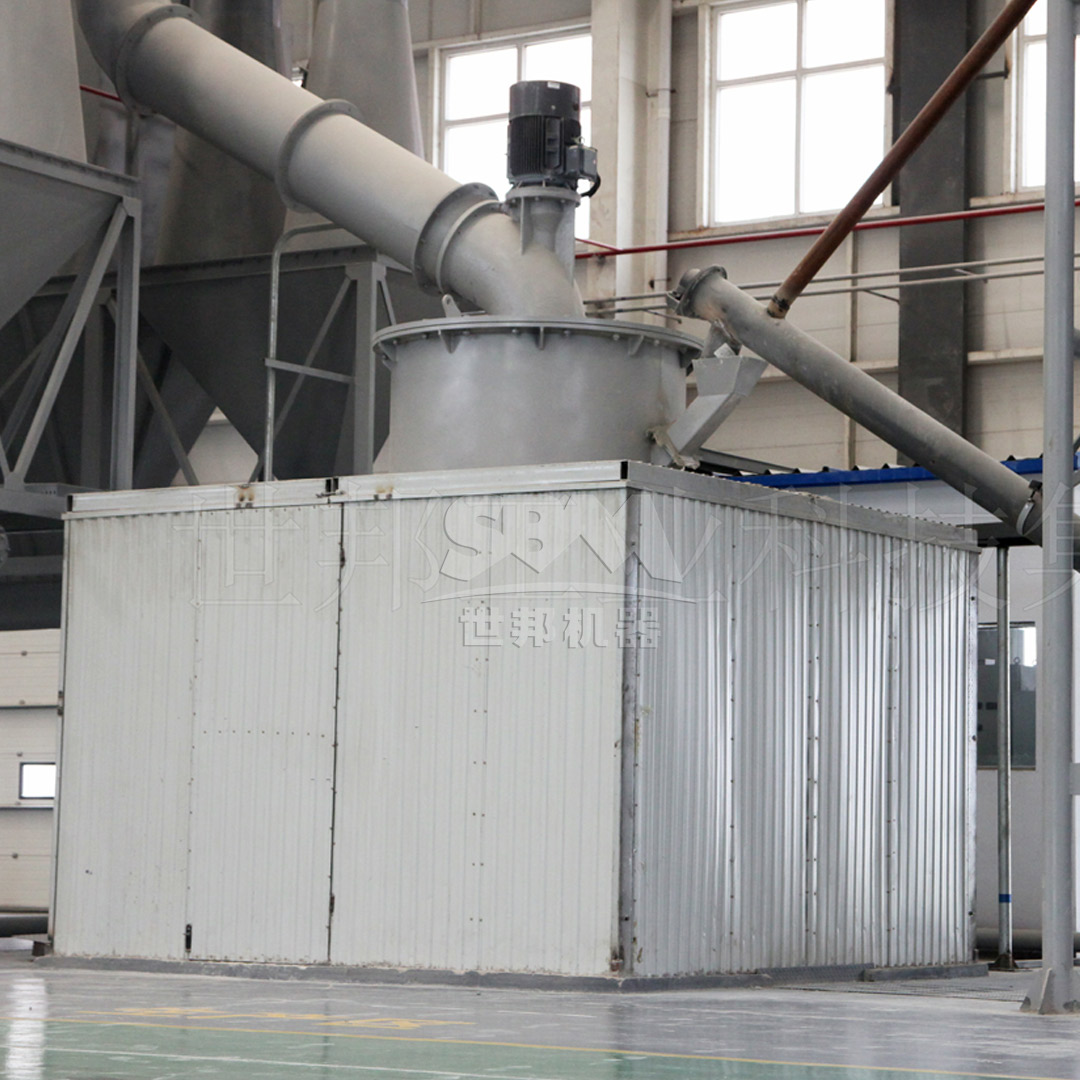
Supporting Technologies: A Holistic Approach to Carbon Reduction
Achieving carbon peaking and carbon neutrality requires more than just replacing individual pieces of equipment. It demands a holistic approach that considers the entire production chain. In addition to the LM and LUM vertical mills, our portfolio includes a range of complementary technologies that further enhance energy efficiency and reduce emissions.
The MTW Series European Trapezium Mill, for example, features an optimized arc air duct that reduces airflow energy loss, an integral bevel gear drive with transmission efficiency up to 98%, and a wear-resistant volute structure that improves air selection efficiency. These design innovations collectively reduce maintenance costs by up to 30% while maintaining high capacity and consistent product quality.
For pre-grinding applications, the LM-Y Vertical Pre-grinding Roller Mill employs a bed grinding principle that reduces power consumption by 30-50% compared to traditional systems. With models capable of handling up to 330 t/h, this mill is particularly well-suited for cement clinker and limestone processing, where large volumes and high energy demands are the norm.
Even in applications where ball mills remain necessary, modern high-efficiency ball mills with optimized liners and grinding media can significantly reduce specific power consumption. When combined with advanced classification and dust collection systems, the overall environmental impact of the grinding circuit can be minimized.
Intelligent Control: The Brain Behind Energy Savings
One of the most overlooked yet impactful aspects of modern grinding technology is intelligent control. The LM Series, for instance, is equipped with an expert-level auto-control system that continuously monitors and adjusts operating parameters to maintain optimal grinding conditions. This system can automatically compensate for wear, adjust grinding pressure, and optimize airflow to ensure that the mill operates at peak efficiency at all times.
Such intelligent control not only saves energy but also extends equipment life, reduces downtime, and minimizes the need for manual intervention. In the context of carbon neutrality, every kilowatt-hour saved and every hour of downtime avoided translates directly into reduced carbon emissions. The ability to monitor and optimize energy consumption in real time is therefore a critical enabler of sustainable industrial production.
Conclusion: Vertical Grinding Mills as a Catalyst for Carbon Neutrality
The path to carbon peaking and carbon neutrality is paved with innovation, efficiency, and a commitment to environmental responsibility. Energy-saving vertical grinding mills are not merely an incremental improvement over traditional equipment — they represent a fundamental shift in how industries approach size reduction and powder processing. By reducing energy consumption by 30-50%, minimizing dust and noise emissions, and enabling intelligent, automated operation, vertical grinding mills are a key driver for achieving global carbon reduction goals.
As industries around the world continue to embrace green manufacturing practices, the adoption of advanced vertical grinding technologies will accelerate. Products like the LM Series Vertical Roller Mill and the LUM Ultrafine Vertical Roller Mill are already demonstrating their value in real-world applications, delivering both economic and environmental benefits. For companies committed to reducing their carbon footprint while maintaining productivity and product quality, investing in energy-saving vertical grinding mills is not just a smart business decision — it is a decisive step toward a sustainable future.
In the journey toward carbon peaking and carbon neutrality, every industry must play its part. With the right technology, the right partnerships, and the right commitment, the goal is not only achievable but within reach. Energy-saving vertical grinding mills are leading the way.