How to Grind Furnace Slag into Powder? A Complete Guide to Choosing the Right Slag Grinding Mill
1. Introduction to Furnace Slag Grinding
Furnace slag, a byproduct of iron and steel production, is a valuable resource when processed correctly. Ground into fine powder, it becomes a key ingredient in cement production, concrete additives, and construction materials, offering enhanced durability and environmental benefits. However, the grinding process is energy-intensive and requires specialized equipment to achieve the desired fineness and reactivity. This guide provides a comprehensive overview of how to grind furnace slag into powder, focusing on the critical factors in selecting the right slag grinding mill for your operation.
2. Understanding the Properties of Furnace Slag
Before selecting a grinding mill, it is essential to understand the physical and chemical characteristics of furnace slag. Typically, slag has a hardness of 5-6 on the Mohs scale and is highly abrasive due to its silicate and oxide content. Its moisture content can vary from 2% to 10%, depending on the cooling process (granulated or air-cooled). For cement applications, the slag must be ground to a specific surface area of 400-500 m²/kg (Blaine), which corresponds to a fineness of approximately 45-75 microns. These parameters directly influence the choice of mill, as different technologies are optimized for specific feed sizes, moisture levels, and output fineness.
3. Key Factors in Choosing a Slag Grinding Mill
Selecting the right slag grinding mill involves balancing multiple technical and economic factors:
- Feed Size: Run-of-mine slag often contains lumps up to 50mm. A mill with a larger input size capacity (e.g., ≤50mm) can accept feed directly from a crusher, reducing pre-processing costs.
- Required Fineness: For cement-grade slag, a fineness of 325 mesh (45µm) is standard, but some applications require ultrafine powders down to 2500 mesh (5µm). This dictates whether you need a ball mill, vertical roller mill (VRM), or an ultrafine mill.
- Capacity: Production requirements determine the mill’s throughput. Small-scale operations might need 3-10 t/h, while large cement plants require 50-250 t/h.
- Energy Efficiency: Slag grinding is electricity-intensive. Modern vertical roller mills can reduce energy consumption by 30-40% compared to traditional ball mills, significantly impacting operating costs.
- Moisture Content: Slag with high moisture (e.g., granulated slag) requires a mill with hot air drying capability, which is a standard feature of vertical roller mills but less so in ball mills.
4. Types of Grinding Mills for Slag
4.1 Ball Mill
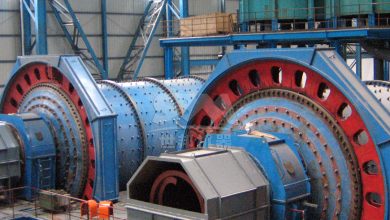
The ball mill is a classic technology for slag grinding, using steel balls in a rotating cylinder to crush and grind the material. It can produce very fine powders (0.074-0.8mm) and is highly adaptable to various feed materials. However, its energy efficiency is lower (typically 40-45% lower efficiency than VRMs), and it requires a separate drying system if the slag is wet. Ball mills are best suited for smaller capacities or where a proven, reliable, and simple solution is preferred.
4.2 Vertical Roller Mill (VRM)
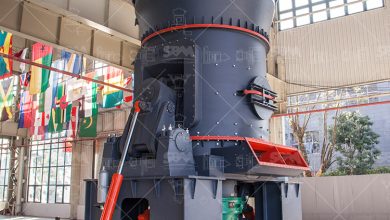
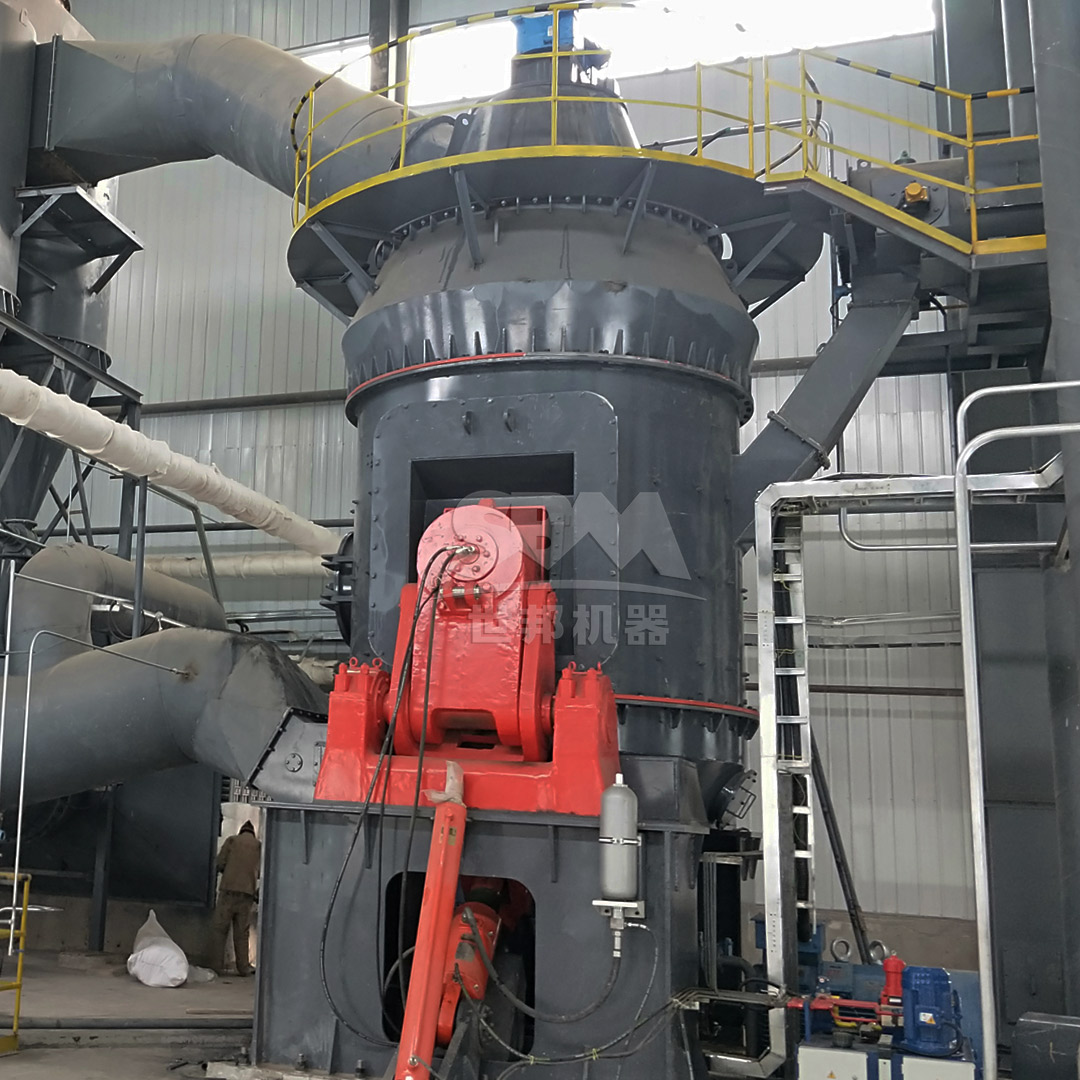
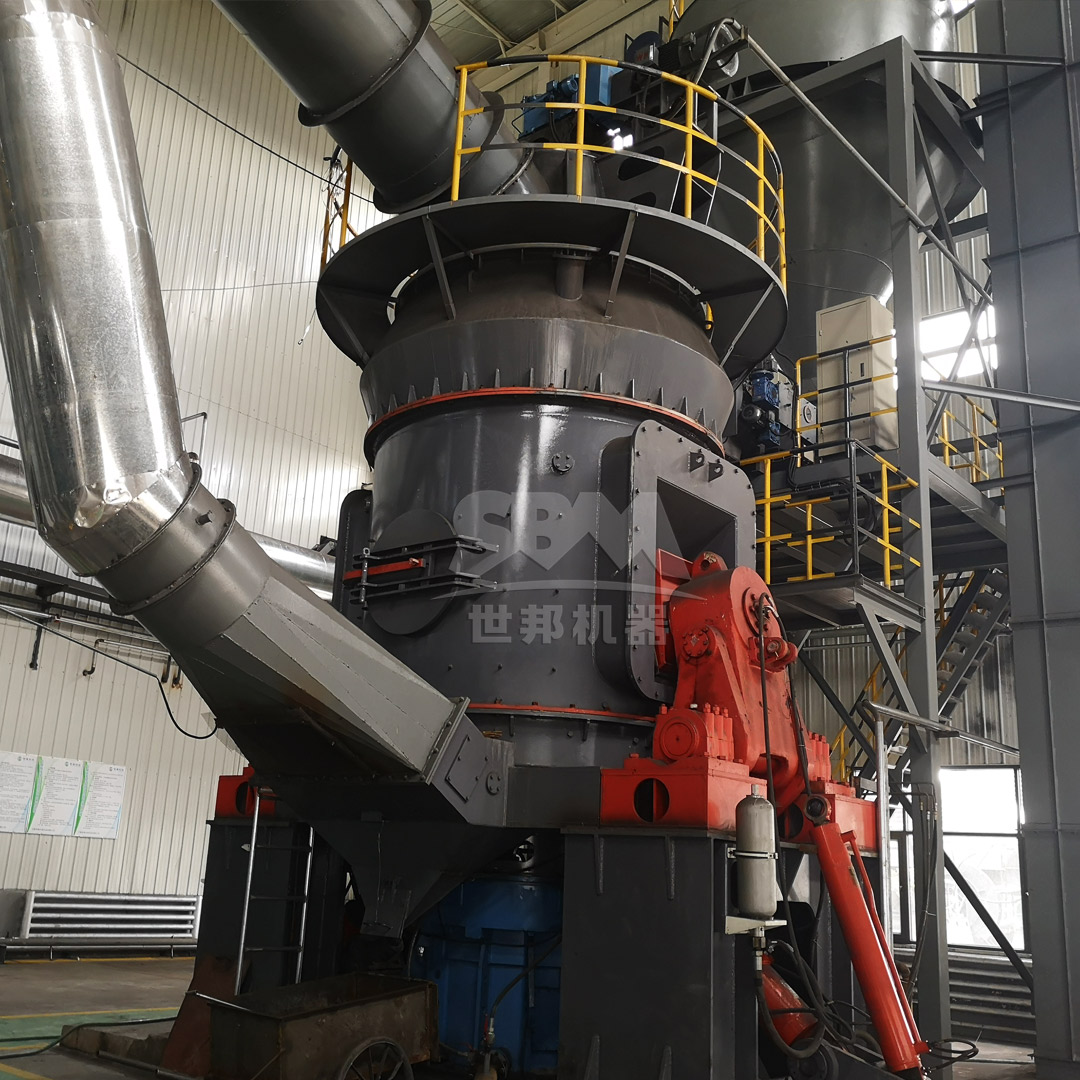
The vertical roller mill (VRM) is the industry standard for large-scale slag grinding. It combines drying, grinding, and classification in a single unit. The material is ground between a rotating table and stationary rollers, using hydraulic pressure. VRMs like the LM Series Vertical Roller Mill offer up to 50% floor space savings, 30-40% lower energy consumption, and can handle feed sizes up to 50mm. They are excellent for moisture removal using hot air and can produce fineness from 170-45µm. For capacities from 3 to 250 t/h, a VRM is often the most cost-effective choice.
4.3 Ultrafine Mill
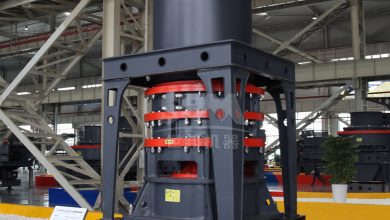
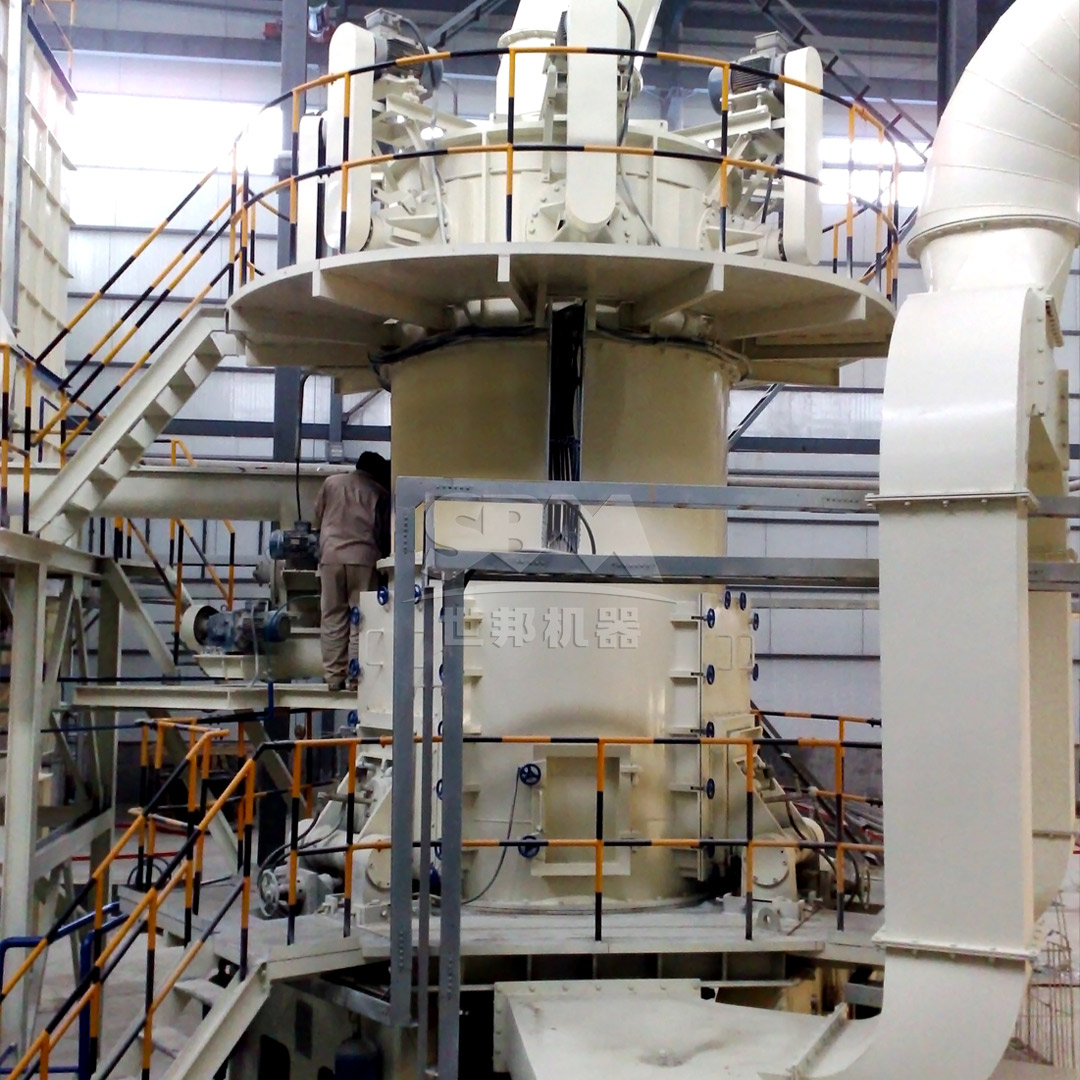
For applications requiring ultra-high fineness (325-2500 mesh, or 5-45µm), standard mills fall short. An ultrafine mill, such as the SCM Series Ultrafine Mill, is specifically designed for this purpose. Using multiple layers of grinding rings and high-precision classification, it produces powders with a sharp particle size distribution, ideal for high-performance concrete admixtures or special cement types. The SCM series can process feed up to 20mm and offers a capacity of 0.5-25 t/h, with energy savings of up to 30% compared to traditional jet mills.
5. Optimizing the Grinding Process
Once the mill type is selected, process optimization is crucial. Key parameters include:
- Grinding Aid: Adding grinding aids (typically organic compounds) can reduce particle agglomeration, improve powder flow, and increase mill throughput by 10-20%.
- Classifier Speed: Adjusting the dynamic classifier’s speed controls fineness. Higher speeds yield finer particles but reduce capacity.
- Hot Air Temperature: For wet slag, the inlet air temperature should be maintained at 200-300°C to ensure the moisture is evaporated before the powder is collected.
- Roller Pressure: In VRMs, increasing hydraulic pressure improves grinding efficiency but may cause mill vibration. Optimal pressure is found through testing.
6. Recommended Solutions for Efficient Slag Grinding
Given the diverse requirements of slag grinding projects, we recommend two top-performing products from our range:
For High Capacity and Energy Efficiency: The LM Series Vertical Roller Mill is the ultimate solution. With capacities up to 250 t/h and a 30-40% reduction in energy consumption, it is ideal for cement plants and large slag processing facilities. Its integrated drying and grinding capabilities simplify the circuit, while intelligent controls ensure stable operation under varying feed conditions.
For Ultrafine Fineness (5-45µm): The SCM Series Ultrafine Mill is the premier choice when you need exceptionally fine slag powder for high-value applications. It delivers a product fineness of 325-2500 mesh with a precise classification system, ensuring no coarse particles contaminate the final powder. Its energy-saving design and durable wear parts make it a competitive option for specialized production.
7. Case Studies and Practical Tips
In practice, a 1.5 million ton per year cement plant using an LM series VRM achieved a 20% increase in throughput after optimizing classifier speed and roller pressure. Similarly, a producer of ultra-fine slag for grouting materials switched to the SCM mill and noted a 35% reduction in downtime due to the shaftless screw grinding chamber design. Always consider running a pilot test with your slag sample to determine the exact mill settings and additive requirements.
8. Conclusion
Grinding furnace slag into powder is a crucial step for sustainable construction materials, but it demands careful equipment selection. By understanding your feed properties, required fineness, and capacity, you can choose between a ball mill, a vertical roller mill, or an ultrafine mill. For most modern operations, the energy efficiency and versatility of the LM Series Vertical Roller Mill make it the top choice, while the SCM Series Ultrafine Mill is unmatched when micron-level fineness is required. We invite you to consult our technical team to match the right machine to your specific application.