How Is Ground Calcium Carbonate (GCC) Produced? A Complete Guide to Heavy Calcium Carbonate Manufacturing Methods
Introduction to Ground Calcium Carbonate (GCC)
Ground Calcium Carbonate (GCC), also known as heavy calcium carbonate, is a versatile mineral filler produced by mechanically crushing and grinding natural limestone, chalk, or marble. Unlike precipitated calcium carbonate (PCC) which is chemically synthesized, GCC retains the crystalline structure of its parent rock, offering distinct advantages in terms of cost-effectiveness, particle shape, and brightness. As a fundamental industrial material, GCC finds applications across paper making, plastics, rubber, paints, adhesives, and construction materials. The global demand for high-quality GCC continues to surge, driven by the need for fine particle size distribution, high purity, and controlled morphology in downstream products.
The manufacturing process of GCC is a sophisticated combination of mechanical engineering, mineral processing, and particle classification technology. The journey from raw boulders to ultra-fine powders (down to 5 microns) requires precise control over crushing forces, air flow dynamics, and classifier speed. This comprehensive guide explores the various production methods, focusing on the technological advancements that have transformed modern GCC manufacturing.
Primary Crushing and Pre-Processing Stage
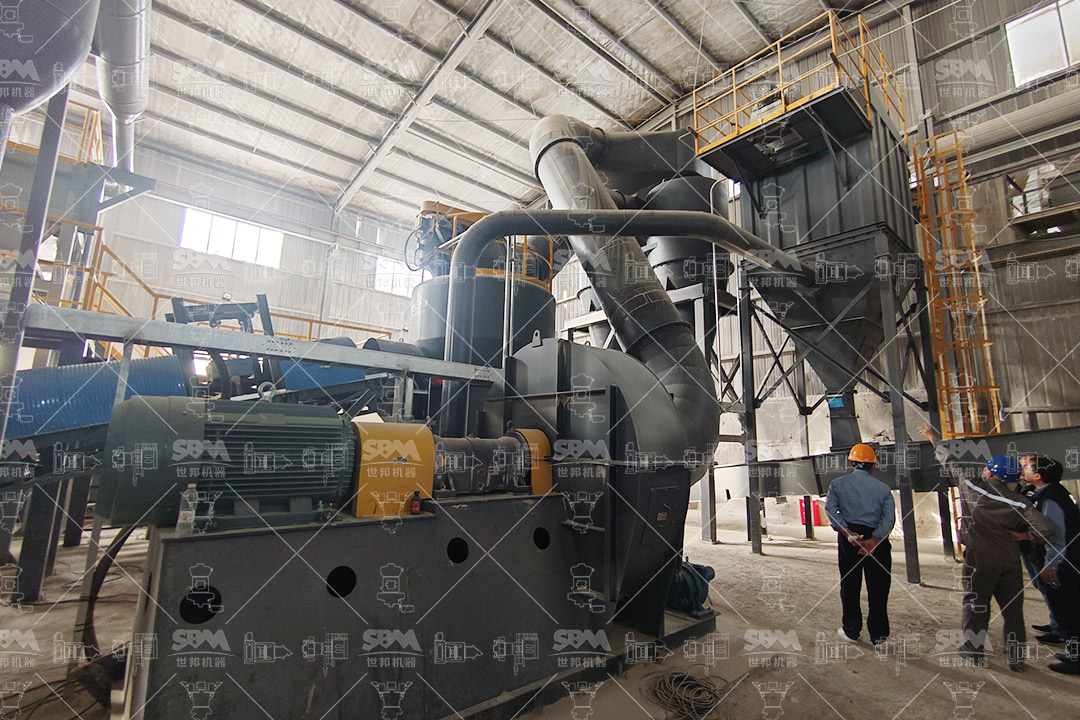
Before the actual grinding process, raw materials must undergo initial size reduction. Limestone blocks, often measuring up to 500mm in diameter, are first fed into jaw crushers or impact crushers to reduce them to manageable sizes of 20-50mm. This pre-processing stage is critical for optimizing the efficiency of subsequent grinding operations. The crushed material is then screened and stored in silos, ensuring a consistent feed size to the main grinding equipment.
During this stage, magnetic separators and washing systems may be employed to remove impurities such as iron oxides, clay, or organic matter. The quality of the final GCC product heavily depends on the purity of the raw material entering the grinding circuit. For producers aiming at high-brightness fillers (above 95% ISO brightness), careful selection of high-grade marble or white limestone is essential. The moisture content of the feed material is also monitored, typically maintaining levels below 5% to prevent clogging and reduce energy consumption during grinding.
Traditional Grinding Methods: Ball Mill and Raymond Mill Technology
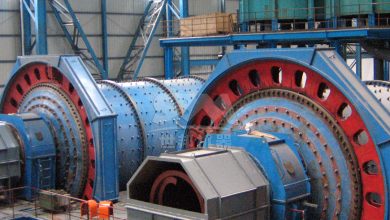
The most conventional approach to GCC production involves the use of ball mills. A ball mill consists of a horizontal rotating cylinder partially filled with steel balls or ceramic grinding media. As the cylinder rotates, the media is lifted and cascaded, crushing the calcium carbonate particles through impact and attrition. Ball mills offer the advantage of producing a wide range of particle sizes (typically 1-100 μm) and can handle large throughputs, making them suitable for high-volume production plants.
However, traditional ball milling systems have significant drawbacks. They generally exhibit low energy efficiency, with only 2-5% of the input energy actually utilized for particle breakage. The grinding process also generates significant heat, which can affect the crystal structure of the calcium carbonate. Furthermore, the resulting product often has a wide particle size distribution, necessitating additional classification steps to achieve fine grades. Despite these drawbacks, ball mills remain popular for producing GCC with a median particle size (D50) between 10-50 μm, particularly in applications where controlled particle morphology is not critical.
Raymond mills (also known as pendulum roller mills) represent another traditional technology used in GCC production. These mills utilize a stationary grinding ring and rotating rollers that press against the ring, crushing the material between them. The MRN series pendulum mills have evolved significantly, incorporating thin oil lubrication systems and efficient pulse dust collectors. Modern pendulum mills can process feed sizes up to 50mm and achieve fineness ranging from 30 to 325 mesh, making them versatile for various industrial requirements. The key advantage of pendulum mills lies in their ability to handle coarser feeds directly, eliminating the need for separate fine crushing units.
Advanced Grinding Technology: Roller Mills and Vertical Mills
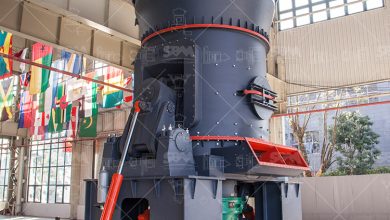
The introduction of roller mills and vertical roller mills (VRM) has revolutionized the GCC manufacturing landscape. These technologies operate on the principle of bed grinding, where materials are crushed between a rotating grinding table and stationary or floating rollers. The LM series vertical roller mills exemplify this advanced approach, offering a capacity range from 3 to 250 tons per hour. In a VRM, the material is fed centrally onto the rotating grinding table, where centrifugal force disperses it evenly beneath the rollers. Hydraulic cylinders apply pressure to the rollers, crushing the material bed and producing fine particles.
The integrated classifier within the VRM system plays a crucial role in achieving precise particle size control. By adjusting the classifier rotor speed, producers can regulate the fineness of the final product from 30 to 325 mesh, with special models achieving up to 600 mesh. One of the most significant advantages of VRM technology is its energy efficiency. Compared to ball mill systems, VRMs consume 30-40% less energy, largely due to the material bed grinding principle that eliminates the noise and heat generation associated with cascading steel media. Additionally, the integrated design reduces floor space requirements by up to 50%, enabling outdoor installation and reducing infrastructure costs substantially.
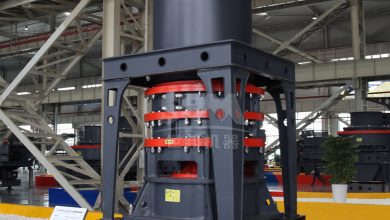
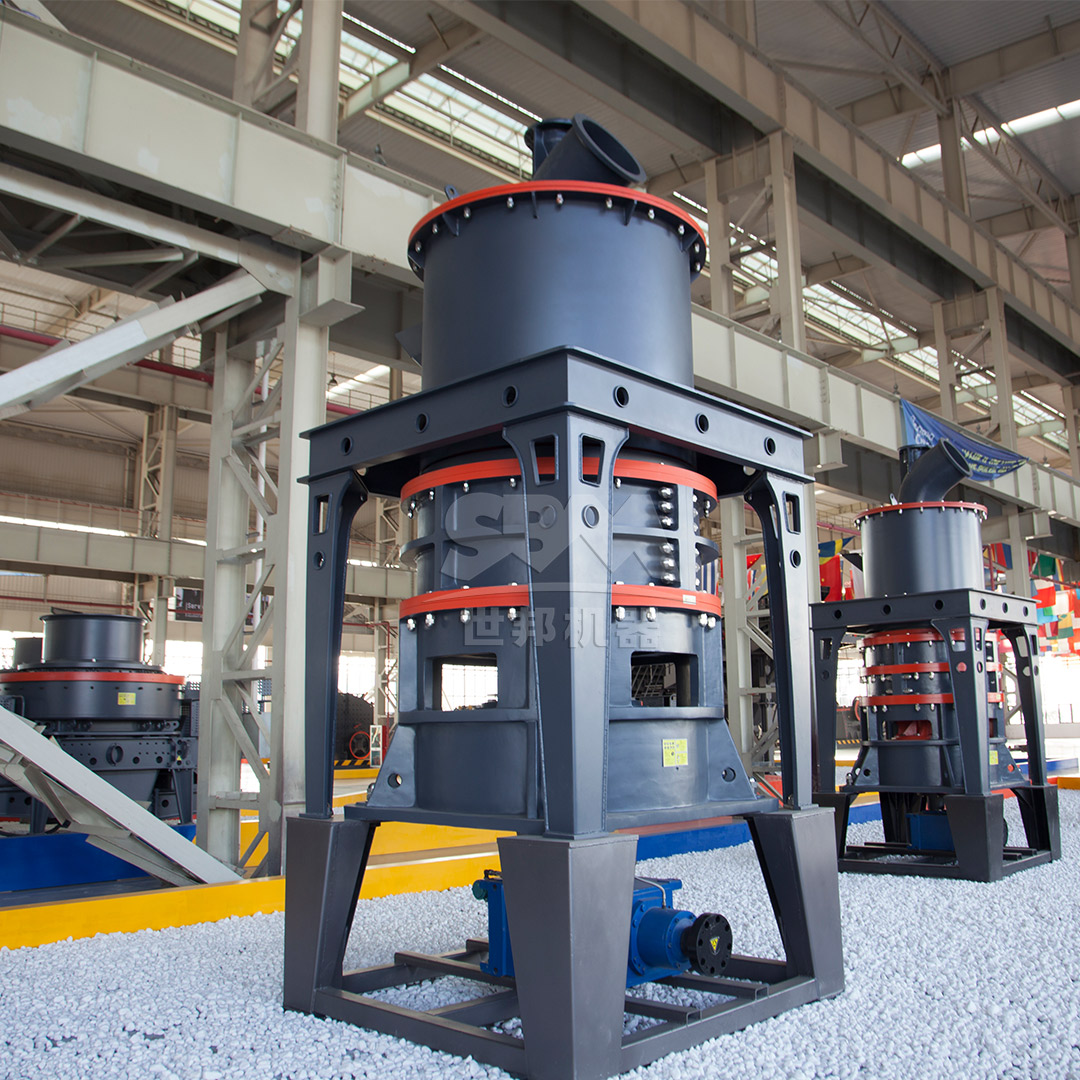
For applications requiring extremely fine GCC, specialized ultrafine mills have been developed. The SCM series ultrafine mill achieves output fineness between 325 and 2500 mesh (5-45 μm), making it ideal for high-value applications such as paper coating, masterbatch production, and PVC compounds. These mills employ multiple grinding rings and roller assemblies that grind material layer by layer. The vertical turbine classifier ensures ultra-precise particle size separation, eliminating coarse powder contamination. With capacities ranging from 0.5 to 25 tons per hour, the SCM series represents the pinnacle of fine GCC production technology, offering twice the capacity of jet mills while consuming 30% less energy.
European Trapezium Mills: Optimized for Medium-to-Fine Grinding
European trapezium mills, such as the MTW series, embody a sophisticated enhancement of traditional pendulum mill designs. These mills feature a patented integral bevel gear drive system that achieves transmission efficiency up to 98%, a significant improvement over conventional gearboxes. The MTW series mills produce material with fineness ranging from 30 to 325 mesh (45-600 μm), with capacity up to 45 tons per hour depending on the model. The mill’s patented anti-wear shovel design and optimized arc air ducts substantially reduce maintenance costs and improve airflow efficiency.
One of the distinguishing features of MTW mills is their flexible application across multiple sectors. Whether producing coarse GCC for construction materials or medium-fine powders for plastics and rubber, these mills deliver consistent particle size distribution. The grinding roller and ring, manufactured from special alloy materials, extend service life several times over compared to standard carbon steel components. Furthermore, the internal suction oil lubrication system eliminates the risk of oil contamination, ensuring product purity—a critical requirement for food-grade and pharmaceutical-grade GCC applications.
The Role of Classification and Air Flow Control
In modern GCC plants, the classification system is inseparable from the grinding process. Dynamic classifiers, operating within vertical mills or as standalone units, use rotating impellers to separate fine particles from coarser ones. The classifier speed, air flow rate, and feeding rate collectively determine the cut point—the maximum particle size allowed in the final product. For ground calcium carbonate, achieving a narrow particle size distribution is essential for applications such as sealants and adhesives, where consistent particle size ensures uniform rheological behavior.
In the SCM ultrafine mill, the vertical turbine classifier represents an advancement in precision classification technology. This system ensures that no coarse particles contaminate the finished product, even at fineness as low as 5 μm. The intelligent control system automatically adjusts classifier parameters based on real-time particle size feedback, maintaining product quality without operator intervention. Similarly, the LUM ultrafine vertical roller mill incorporates a multi-rotor classification system that enables exceptional control over the final particle size, with the capability to produce powders with a sharp cut at 5-30 μm.
Environmental Considerations and Dust Collection Systems
Modern GCC manufacturing methods place heavy emphasis on environmental compliance and worker safety. The grinding process generates significant amounts of fine dust, which must be captured to prevent atmospheric pollution and health hazards. Pulse jet dust collectors have become the industry standard, employing high-pressure compressed air to clean filter bags automatically. The MTW series mills, for instance, incorporate internationally advanced pulse dust removal technology that achieves emission levels well below government standards. In enclosed systems, negative pressure operation ensures that dust does not escape into the production area.
The soundproof room design implemented in many modern mills, including the SCM series, reduces noise levels to acceptable working conditions. This attention to environmental sustainability extends beyond simple compliance—manufacturers recognize that cleaner, quieter operations attract skilled labor and maintain community relations. The integration of hot air circulation systems in vertical mills also serves dual purposes: drying residual moisture from the feed material and improving grinding efficiency by enhancing material flow through the mill.
Quality Control and Finished Product Handling
Post-grinding operations are critical for delivering GCC products that meet exacting customer specifications. After classification, the fine powder is transported to cyclone collectors and pulse dust removal systems, which separate the product from conveying air. The collected powder is then conveyed to silos or packing machines. For specialized applications, additional surface treatment may be applied to improve the compatibility of GCC with organic polymers. Surface-modification processes, such as stearic acid coating, enhance the dispersion characteristics of the powder in plastic matrices.
Quality control throughout the production process involves continuous monitoring of particle size distribution, brightness, moisture content, and chemical purity. Advanced production facilities employ online particle size analyzers that use laser diffraction technology to provide real-time data. This feedback loop enables mill operators to adjust classifier speed and grinding pressure automatically, ensuring consistent D50 values often within ±0.5 μm. For high-end applications like paper coating and masterbatch, the demand for GCC powders with a narrow particle size distribution and minimal coarse tail has driven the adoption of ultrafine grinding technologies.
Selection Guide: Choosing the Right Grinding Technology for GCC
Selecting the appropriate grinding equipment for a GCC manufacturing facility depends on several factors including required output fineness, production capacity, energy availability, and capital investment. For producers targeting coarse-to-medium GCC (20-80 μm) at high tonnage rates (above 20 t/h), vertical roller mills like the LM series offer unmatched efficiency and lower operational costs. The LM130K model produces 10-28 t/h with 200kW power, while the LM280K achieves capacity up to 170 t/h for large-scale operations.
For medium-to-fine GCC (45-30 μm), the MTW European trapezium mill presents a balanced option. With capacities from 3 to 45 t/h, these mills deliver excellent energy economy and product consistency. The MTW175G, with a main power of 160kW, produces 9.5-25 t/h—a cost-effective solution for mid-sized producers. When the requirement shifts to ultrafine GCC (5-45 μm), the SCM series becomes the preferred choice. Its ability to produce particles as fine as 2500 mesh (approximately 5 μm) without the energy-intensive compressed air requirements of jet mills makes it exceptionally efficient. The intelligent grinding ring design and precise classification system reduce non-conforming product generation, maximizing yield of the highly valued fine fraction.
Producers should also consider the specific characteristics of the raw material to be processed. Hard limestone with high quartz content will accelerate wear on grinding elements, necessitating mills with chrome alloy or composite wear parts. The moisture content of feed material is another critical factor—mills equipped with hot air generators can handle slightly damp materials, but excessive moisture (above 8%) will cause material buildup and reduced throughput. Pre-drying or blending with dry material may be required in such cases.
Conclusion: Modern Innovations in GCC Production
The production of ground calcium carbonate has evolved dramatically from simple crushing operations to highly automated, energy-efficient, and environmentally controlled processes. Today’s leading-edge systems combine multiple technologies to produce consistent, high-quality products that satisfy demanding applications. The future of GCC manufacturing will likely see further advancements in process automation, with digital twin technology enabling predictive maintenance and real-time optimization of grinding operations.
As industries continuously push the boundaries of product performance, the demand for ultrafine GCC with narrow particle size distributions will increase. The SCM series ultrafine mill is well-positioned to meet this demand, delivering precisions down to 5 μm with capacities up to 25 t/h. Similarly, the MTW series provides the flexibility for producers to respond to market changes quickly, switching between different fineness specifications without significant downtime or product loss. Companies seeking to establish or expand their GCC operations should carefully evaluate these advanced technologies, considering not only the initial investment but also the long-term operational costs, energy consumption, and product quality.
Our company’s comprehensive range of grinding solutions—from the high-capacity LM vertical mills to the precision SCM ultrafine mills—ensures that whatever your GCC production needs, we can provide a system optimized for efficiency, quality, and profitability. We invite producers worldwide to partner with us to achieve excellence in mineral processing and produce the highest quality ground calcium carbonate for the world’s most demanding applications.