How Calcium Carbonate Powder Processing Equipment Affects Filler Masterbatch Formulations
Introduction: The Critical Role of Powder Processing in Masterbatch Quality
Filler masterbatch, a concentrated mixture of calcium carbonate (CaCO₃) and carrier resins, has become an indispensable component in the plastics industry. It offers significant cost reduction and, in some cases, enhances certain mechanical properties of the final product. However, the performance of a filler masterbatch is not merely a function of the raw material quality or the resin used; it is profoundly influenced by the characteristics of the calcium carbonate powder itself. Key parameters such as particle size distribution (PSD), top-cut size, specific surface area, and morphology directly dictate the dispersion quality, rheological properties, and mechanical performance of the masterbatch. Therefore, the selection of the right calcium carbonate powder processing equipment is not just a logistical decision but a fundamental formulation strategy that determines success or failure in the market.
The Impact of Particle Size Distribution (PSD) on Dispersion and Mechanical Properties
The most immediate effect of powder processing equipment is on the final particle size distribution of the CaCO₃. Broad or poorly controlled PSDs can lead to severe problems in masterbatch formulations. Oversized particles, or ‘grits’, act as stress concentration points, drastically reducing the impact strength and tensile elongation of the final plastic part. They also cause surface defects such as a rough finish or a dull appearance. Conversely, an excessively fine powder generates a high specific surface area, requiring a higher volume of dispersing agents and wetting surfactants to coat the particles effectively. This not only increases formulation costs but can also plasticize the polymer matrix, leading to a reduction in the heat deflection temperature (HDT) and overall stiffness.
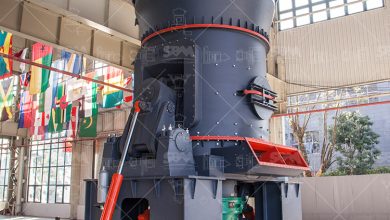
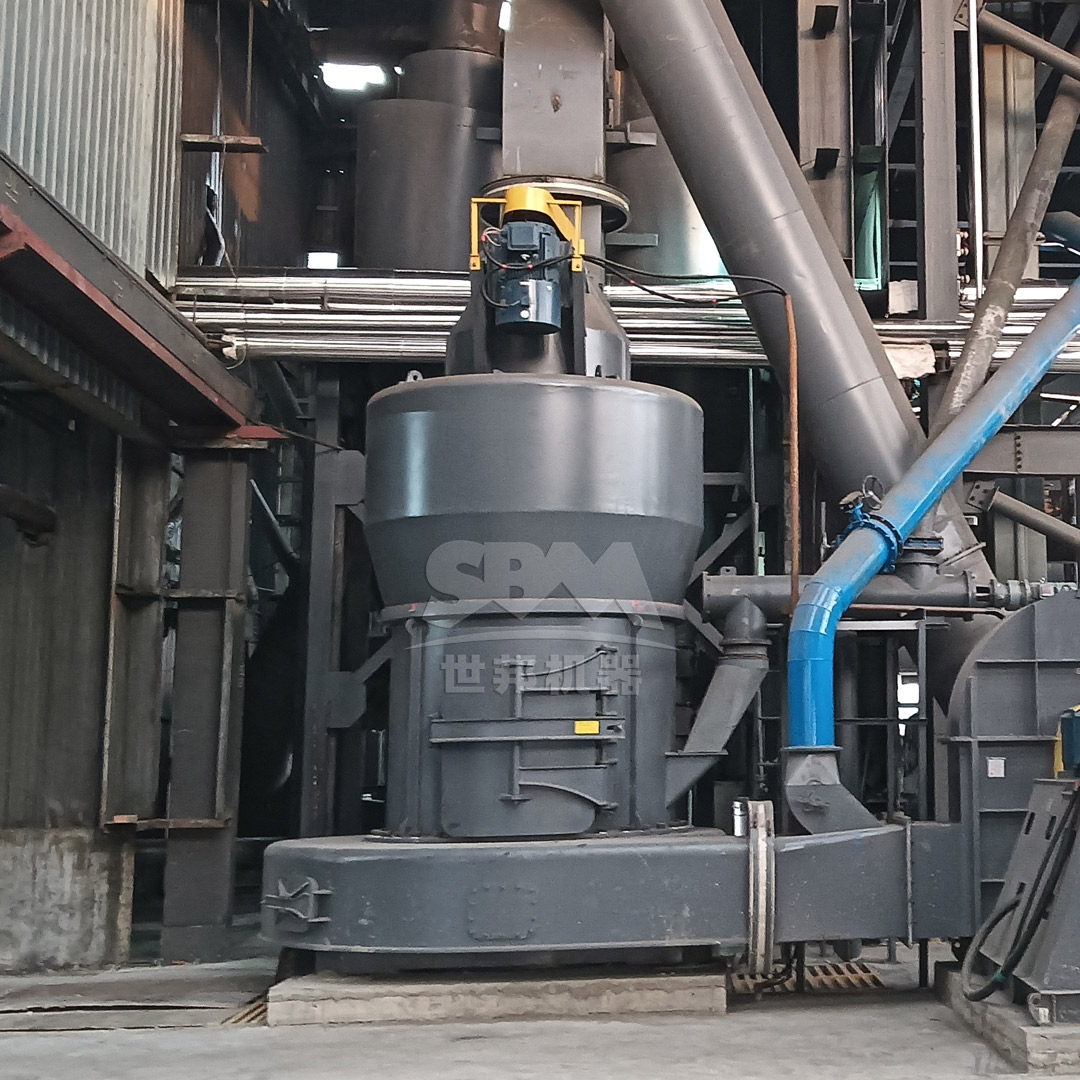
Modern vertical roller mills, such as the LM Series Vertical Roller Mill from our company, are engineered to produce a tightly controlled PSD. By integrating the functions of crushing, grinding, and classification in a single unit, they ensure a uniform product with a sharp top-cut. For masterbatch producers, this translates to predictable melt flow index (MFI) values, consistent coloring, and superior mechanical properties in the end application. Specifically, our LM130X-GX vertical fine-powder mill series, designed for fineness ranging from 325 to 600 mesh, is an ideal solution for producing high-quality fillers that ensure excellent dispersion with minimal resin degradation.
Top-Cut Size and the Risk of Filter Blockage
In the production of thin films, fibers, and high-speed extrusion processes, the presence of particles above a certain size threshold is catastrophic. These oversized particles can become trapped in the screen packs used in extrusion lines, causing a continuous rise in melt pressure. This pressure build-up forces frequent production stops for screen cleaning or replacement, leading to significant downtime and material waste. The secret to eliminating this risk lies in the precision of the classifier within the grinding mill.
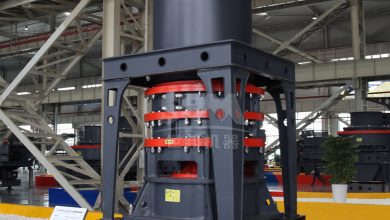
Our SCM Series Ultrafine Mill utilizes a vertical turbine classifier that ensures a highly efficient and precise cut of the particle size. Unlike traditional classifiers, this design prevents the mixing of coarse powder into the fine fraction. With a fineness range of 325-2500 mesh (45-5μm), the SCM mill guarantees a virtually 100% pass rate through strict filtration meshes (e.g., 2000 mesh). This reliability is paramount for manufacturers of high-end BOPP films or non-woven fabrics, where a single large particle can lead to a product rejection. For masterbatch aimed at these sensitive applications, the selection of a mill like the SCM is non-negotiable.
Powder Morphology and Surface Treatment Compatibility
The physical shape of the ground CaCO₃ particle, whether it is cubic, rhombohedral, or irregular, has a significant influence on its packing density and the rheology of the compound. Spherical or cubic particles offer better flow characteristics and lower viscosity compared to sharp, needle-like particles. In filler masterbatch, high loading levels (e.g., >70 wt%) are desired to maximize cost savings. However, reaching these loadings is only possible if the powder flows well and does not excessively increase the melt viscosity, which would make processing impossible.
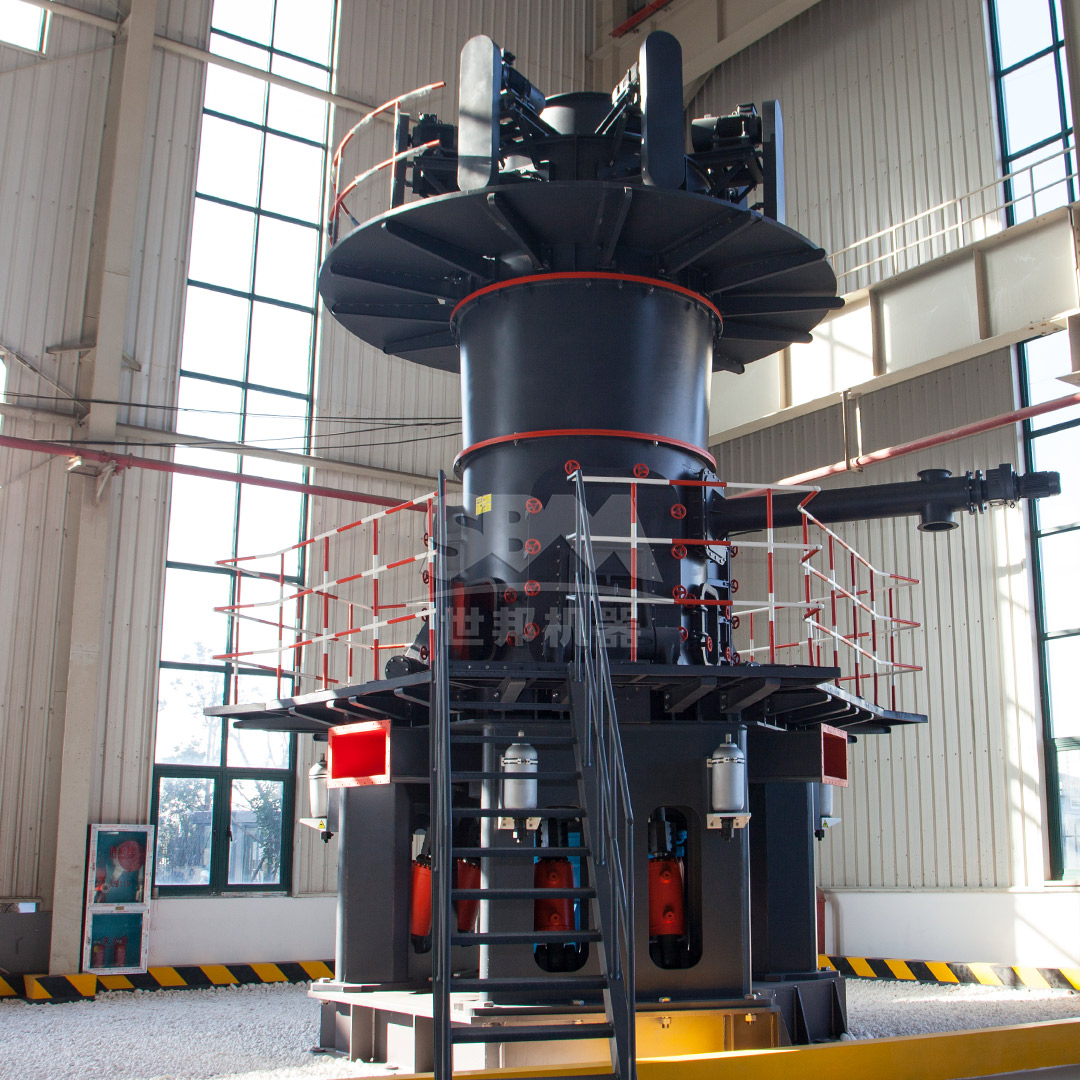
The grinding mechanism inherently influences particle morphology. The MTW Series European Trapezium Mill employs a layer-to-layer grinding principle where materials are crushed between rollers and a grinding ring. This process, as opposed to impact crushing, tends to produce particles with a more consistent, less fractured morphology. Furthermore, the larger feed size capacity (≤50mm) and high throughput of the MTW series make it a cost-effective solution for producing the base powder for standard commercial masterbatch, where a particle size of D97 around 10-20 μm is common. Its optimized arc air duct and wear-resistant volute structure reduce energy consumption, making the overall processing cost per ton of masterbatch more competitive.
The Role of Equipment in Reducing Energy Costs and Carbon Footprint
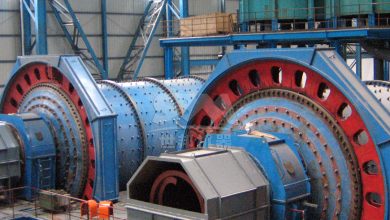
In an era of soaring energy prices and increasing environmental regulations, the efficiency of the powder processing equipment is a crucial economic factor. Grinding is an energy-intensive process, often accounting for more than 50% of the total production cost of a masterbatch. Old-fashioned ball mills, while reliable, are notoriously inefficient, converting only a small percentage of input energy into actual particle size reduction. The rest is lost as heat and noise.
Advanced grinding technologies, particularly roller mills, have revolutionized this aspect. Our SCM Series Ultrafine Mill boasts a capacity twice that of a jet mill while consuming 30% less energy. This reduction is achieved through a continuous, pressurized grinding mechanism that maximizes contact between the material and the grinding media without the need for high-velocity air or compressed gas. By switching to or investing in high-efficiency mills, masterbatch producers can significantly lower their operational expenses and reduce the carbon footprint of their products, a growing requirement from end-users and regulatory bodies focused on sustainable manufacturing and recycled content.
Case Analysis: Formulating with SCM1250 for Premium Masterbatch
Let us consider the formulation of a premium injection-molding masterbatch with a 75% CaCO₃ loading in a Linear Low-Density Polyethylene (LLDPE) carrier. For this application, the target powder quality requires a D97 of 8 μm with a strict top-cut of 20 μm. Using conventional grinding methods, achieving this fineness without thermal degradation or high energy costs is difficult. However, by integrating our SCM1250 Ultrafine Mill (with a capacity of 2.5-14 t/h and a main power of 185kW) into the plant line, formulators can consistently obtain the required PSD.
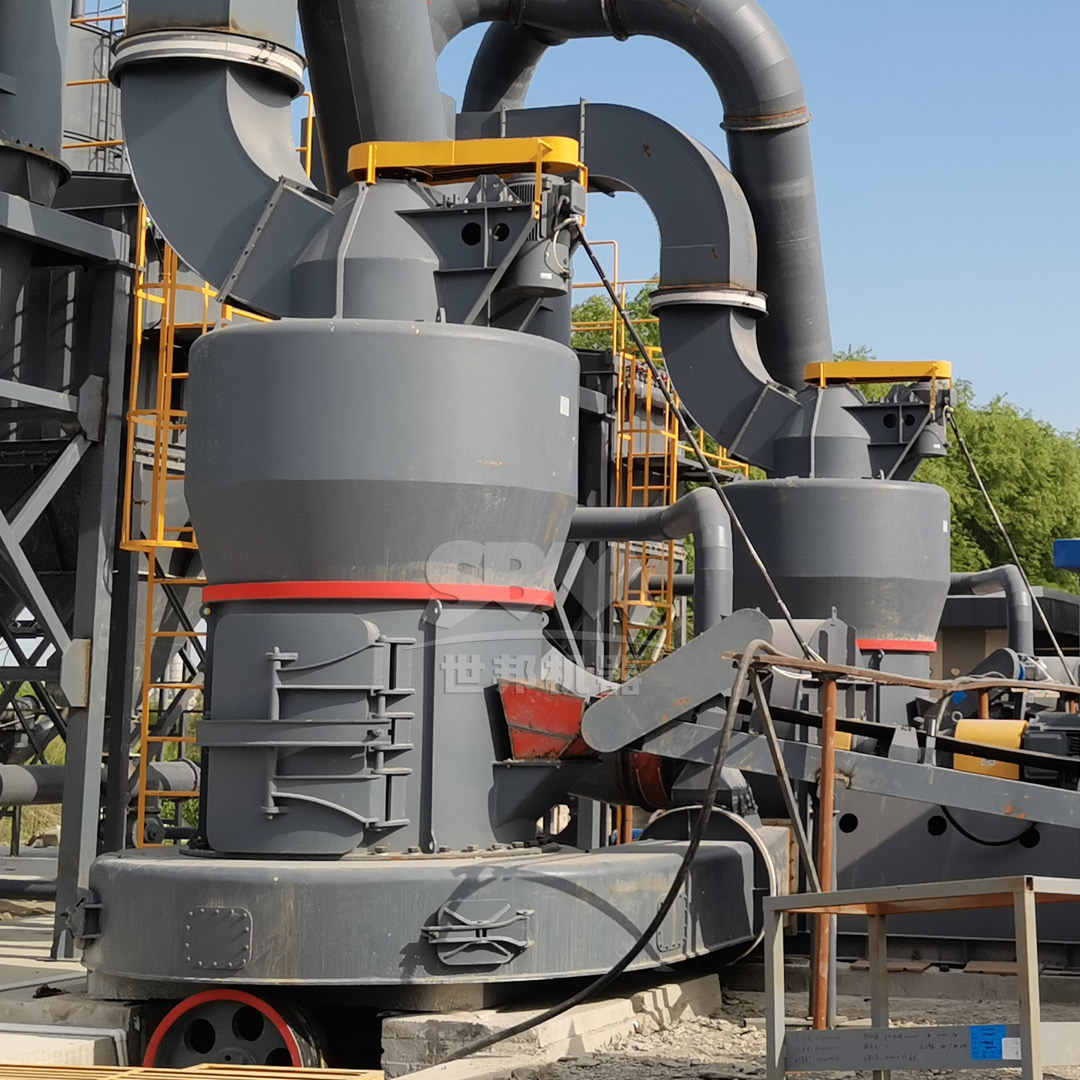
The high precision of the classifier ensures that no particles above 20 μm survive the process, guaranteeing smooth extrusion and superior film surface properties. Furthermore, the energy efficiency of the SCM1250 allows the producer to maintain a low processing cost, enabling the final masterbatch to be competitively priced against lower-quality, high-cost alternatives. This technological advantage directly translates to a higher profit margin and a stronger market position. The consistent powder quality also means that the formulation’s additive package (e.g., stearic acid for coating) can be optimized at a lower dosage, as there is less fine dust to manage and a more even surface area to cover, further reducing the raw material cost.
Conclusion: Strategic Alignment of Equipment and Formulation Goals
In conclusion, the choice of calcium carbonate powder processing equipment is inseparable from the successful design of filler masterbatch formulations. It is not an isolated engineering concern but a strategic business decision. The fineness, particle size distribution, and morphology imparted by the mill determine the masterbatch’s quality limits, the maximum filler loading achievable, and the overall economics of the product. Whether it is the ultra-fine precision of the SCM Series for high-performance films or the high-capacity, cost-efficient grinding of the MTW Series for general-purpose compounds, aligning the equipment’s capabilities with the target application is paramount. Producers who recognize that their grinding equipment is a core component of their formulation toolkit will be the ones best positioned to innovate and dominate the global masterbatch market.