High Efficiency and Energy Savings: Key Advantages of Vertical Coal Mill for Blast Furnace Pulverized Coal Injection Process
Introduction to Vertical Coal Mill Technology in PCI
The Blast Furnace Pulverized Coal Injection (PCI) process represents a cornerstone of modern ironmaking, offering a critical alternative to costly and environmentally burdensome metallurgical coke. The efficacy of PCI hinges entirely on the quality and consistency of the injected coal powder, which must be fine, dry, and uniformly distributed. To achieve this, the selection of grinding equipment is paramount. Among the various technologies available, the vertical coal mill has emerged as the definitive industry standard, overshadowing traditional ball mills and Raymond mills. This article delves into the core technical advantages of the vertical coal mill, particularly focusing on its unrivaled high efficiency and energy-saving capabilities, demonstrating why it is an indispensable asset for any integrated steel producer seeking to optimize operating costs and environmental performance.
Unmatched Energy Efficiency: A Paradigm Shift in Grinding Mechanics
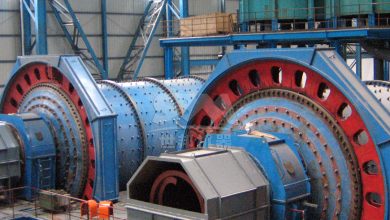
The fundamental operational principle of the vertical coal mill sets it apart from other pulverizers. Unlike a ball mill that relies on impact and attrition from cascading steel balls—a process notoriously inefficient as most energy is dissipated as heat and noise—the vertical mill employs a bed grinding mechanism. The material is fed onto a rotating grinding table, where it is crushed and ground between the table and hydraulically loaded grinding rollers. This direct, high-pressure compression is inherently more efficient. Industry data consistently reveals that vertical roller mills consume 30-40% less energy compared to conventional ball mill systems for comparable throughput and fineness. This substantial reduction in specific power consumption (kWh/t) directly translates into significant annual savings in electricity costs, a major component of the total operating expenditure for a PCI plant. The reduction in energy usage is not merely a financial benefit; it also aligns with global sustainability mandates by reducing the carbon footprint of steel production.
Superior Integrated Drying and Classification
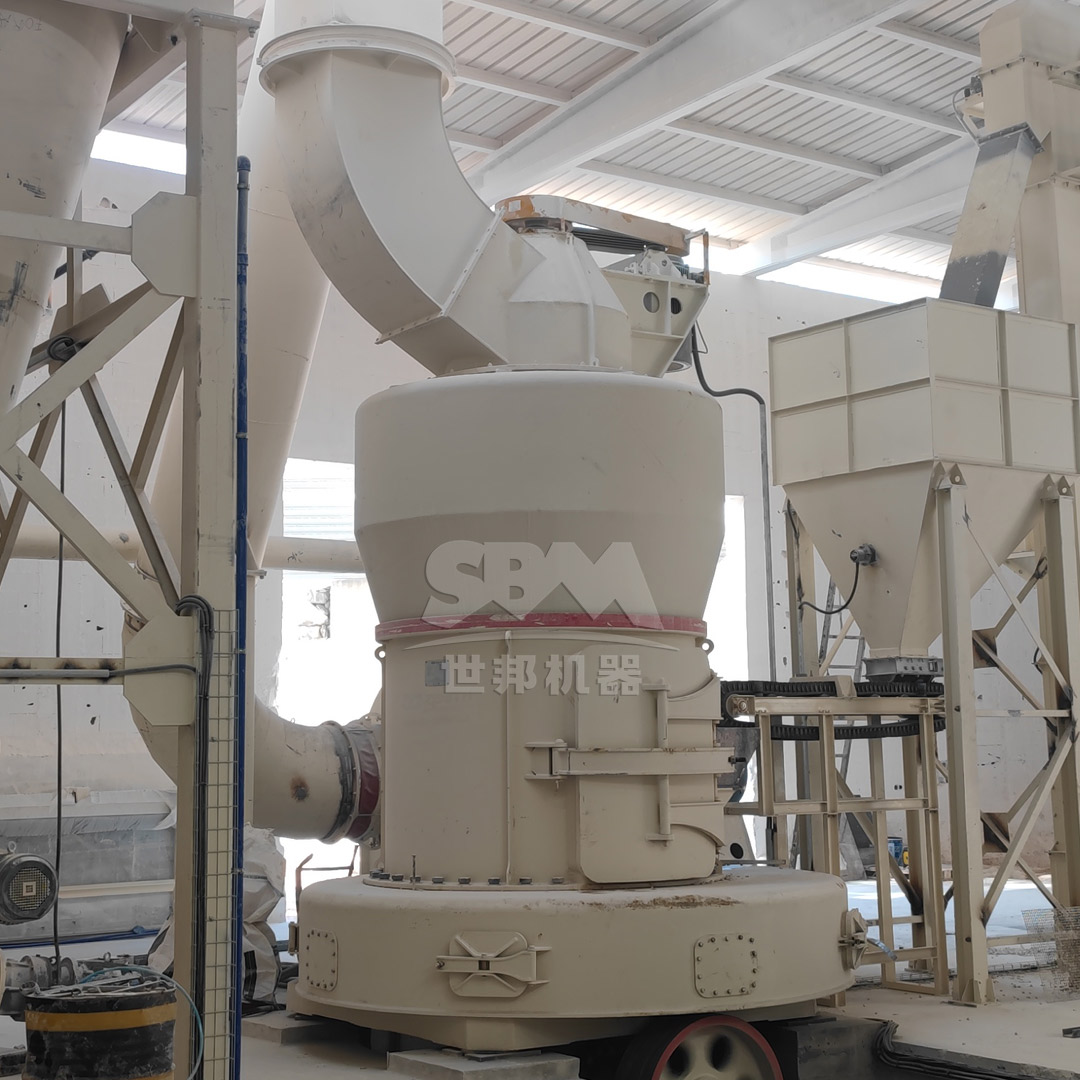
The PCI process requires coal with a very low moisture content (typically less than 1%). The vertical coal mill excels in this regard through its innovative integrated system. It utilizes the waste heat from the blast furnace gas or a hot air generator as a drying medium, which is drawn directly into the mill. The hot air not only dries the coal as it is being ground but also acts as the conveying medium, lifting the fine particles to the integrated classifier. This multi-functional design eliminates the need for separate, energy-intensive drying drums and external conveying systems, simplifying the process flow and saving substantial capital and operational costs. The dynamic classifier at the top of the mill ensures a highly precise particle size distribution and fineness, often achieving a fineness of less than 1% residue on a 200-mesh screen, which is critical for achieving high combustion efficiency and burn-out rates in the raceway of the blast furnace. This precise classification ensures that no over-grinding occurs, further conserving energy and maximizing mill throughput.
Complex Process Engineering for High Availability
A perceived challenge with vertical mills in some industries is the potential for vibration. However, modern vertical coal mill designs have overcome this through sophisticated engineering. Key features include external hydraulic pressure systems that provide optimal grinding pressure, ensuring a stable material bed even with varying feed rates and grindability index (HGI). Advanced control systems, often PLC-based, continuously monitor parameters such as differential pressure, temperature, and vibration. This intelligent control facilitates automatic adjustment of the classifier speed and feed rate, leading to a stable and optimal grinding process. Furthermore, the design of the grinding rollers and table segments has evolved to use high-wear-resistant materials and optimized geometries. Some advanced models feature a modular roller assembly that can be hydraulically swung out for maintenance, minimizing downtime. This robust design and intelligent control result in high availability, often exceeding 90%, ensuring the uninterrupted supply of pulverized coal required for continuous blast furnace operation.
Case Study: The Role of High-Performance Mills in PCI
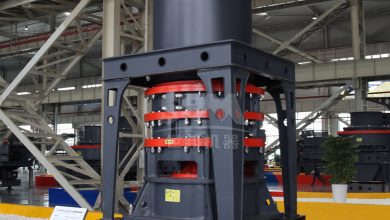
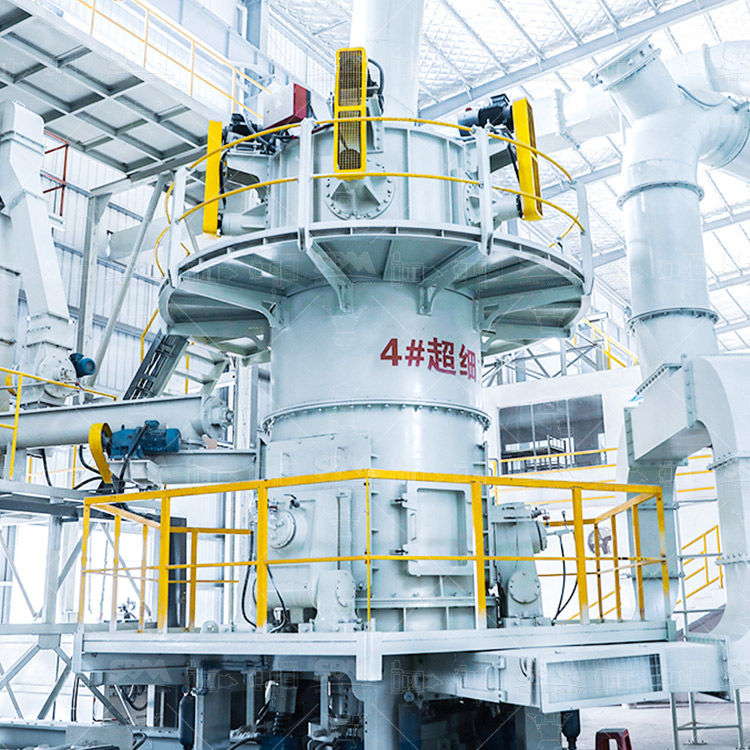
For steel plants aiming to increase their PCI rate significantly, often targeting over 150 kg of coal per ton of hot metal, the reliability and performance of the coal mill become even more critical. In such demanding scenarios, a high-capacity vertical mill is essential. While the LM series from many manufacturers is well-suited, we at [Your Company Name] have refined this technology to its zenith, offering tailored solutions that prioritize both efficiency and fineness. For operations that require extremely fine pulverized coal (<45 μm, or 325 mesh) to maximize combustion efficiency with certain coal types, our SCM Series Ultrafine Mill emerges as a game-changer. With an output fineness ranging from 325-2500 mesh and a capacity up to 25 tons per hour, the SCM mill’s capacity is 2x that of jet mills while consuming 30% less energy. Its intelligent control and vertical turbine classifier ensure a completely coarse-powder-free final product, providing the ultimate particle size distribution for optimal injection.
To provide a robust and standard solution for the primary pulverization task, we also highly recommend the MTW Series European Trapezium Mill. This mill is a workhorse for coal grinding, offering an output fineness from 30 to 325 mesh and a substantial capacity range of 3 to 45 tons per hour. Its patented features, such as the anti-wear shovel design and integral bevel gear drive with transmission efficiency up to 98%, guarantee lower maintenance costs and smooth, efficient operation.
Product Recommendation: The Pinnacle of Efficiency
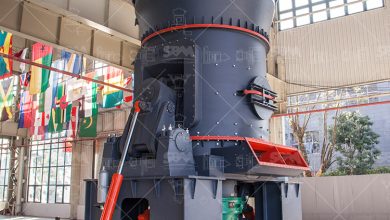
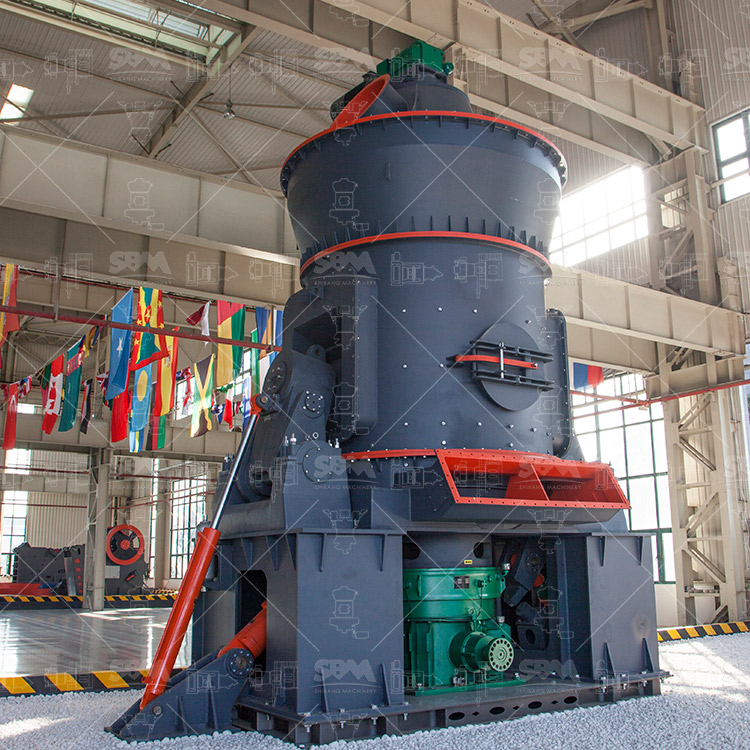
When evaluating the total cost of ownership, the LM Series Vertical Roller Mill represents the most compelling investment for large-scale PCI projects. This series demonstrates all the core advantages discussed above. The LM coal mill series is purpose-built, with models ranging from LM80M to LM280M, covering capacities from 3 to 90 tons per hour and achieving the required fineness. Its integrated design allows for outdoor installation, reducing infrastructure costs by 40%. The non-contact design between rollers and table extends wear part life by 3 times, and the expert-level auto-control system reduces manual intervention. For the vast majority of PCI applications requiring capacities between 10 and 60 t/h, the LM130K (10-28 t/h) or LM190K (23-68 t/h) models are ideal choices, delivering a perfect balance of initial capital, operational efficiency, and grinding reliability.
Environmental and Operational Superiority
A modern PCI plant cannot operate effectively without strict adherence to environmental regulations. The vertical coal mill excels in this domain due to its closed, sealed system. The entire grinding and classification circuit operates under negative pressure using a powerful induced draft fan. This design guarantees that no dust leaks into the atmosphere, creating a safer and cleaner working environment. The inherently low operating noise of a vertical mill, typically lower than that of a ball mill of equivalent capacity, also contributes to a more comfortable workplace and simplifies noise compliance. Many of our systems incorporate pulse dust collection systems that achieve collection efficiencies exceeding international environmental standards, ensuring that the mill exhaust is nearly particulate-free. This fusion of high efficiency, low energy consumption, and environmental stewardship makes the vertical coal mill a truly sustainable technology for the future of ironmaking.
Conclusion: A Strategic Investment for the Modern Steel Plant
In conclusion, the transition to vertical coal mills for PCI is not just a technological trend but a strategic necessity for the modern, competitive steel producer. The advantages of high efficiency and energy savings are clear and quantifiable, offering rapid returns on investment. The compact footprint, integrated drying and classification, and low maintenance demands simplify plant logistics and improve operational stability. By selecting a proven and advanced vertical roller mill solution, such as the LM Series or the more specialized SCM Series for ultra-fine grinding, steelmakers can ensure that their PCI system operates at peak performance, maximizing the replacement ratio of expensive coke, enhancing productivity, and securing a sustainable competitive edge in the global market. The decision to invest in this technology is a decisive step toward a leaner, greener, and more profitable operation.