Optimizing Phosphogypsum Utilization: The Role of Vertical Roller Mills in High-Efficiency Processing
1. Introduction: The Global Challenge of Phosphogypsum
Phosphogypsum (PG) is a significant by-product generated during the wet-process production of phosphoric acid, a critical intermediate for fertilizers. For every ton of phosphoric acid produced, approximately 4.5 to 5 tons of phosphogypsum are generated. Globally, the annual production of this industrial residue exceeds 280 million tons, yet its utilization rate remains dismally low at less than 15%. The majority of this material is stockpiled in large stacks, leading to severe environmental issues including soil contamination, groundwater pollution, and air quality degradation due to the release of radon gas and airborne particulates.
However, phosphogypsum is not merely waste; it is a valuable secondary resource. High-quality PG can serve as an excellent raw material for the construction and building materials industry. It can replace natural gypsum in producing calcined gypsum powder, gypsum boards, blocks, self-leveling compounds, and most importantly, as a cement retarder. By processing PG into a fine, dry powder, its market value is significantly enhanced. The key to unlocking this potential lies in efficient, large-scale, and economically viable processing technology. Traditional grinding equipment often struggles with the high moisture content, inherent stickiness, and corrosive nature of phosphogypsum. This is where modern grinding technologies, particularly the vertical roller mill (VRM), have emerged as the definitive solution.
2. The Processing Bottleneck: Moisture and Abrasiveness
Raw phosphogypsum typically contains 15% to 25% free moisture. This high moisture content presents a significant challenge for conventional grinding mills like ball mills, leading to issues such as material agglomeration, mill coating, and severely reduced throughput. Furthermore, phosphogypsum contains residual phosphoric acid, fluoride, and other impurities, making it mildly acidic and corrosive. To transform this sticky, wet material into a fine powder suitable for industrial use, a process that combines drying, grinding, and classification is required.
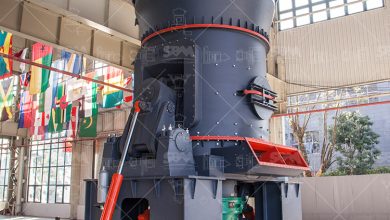
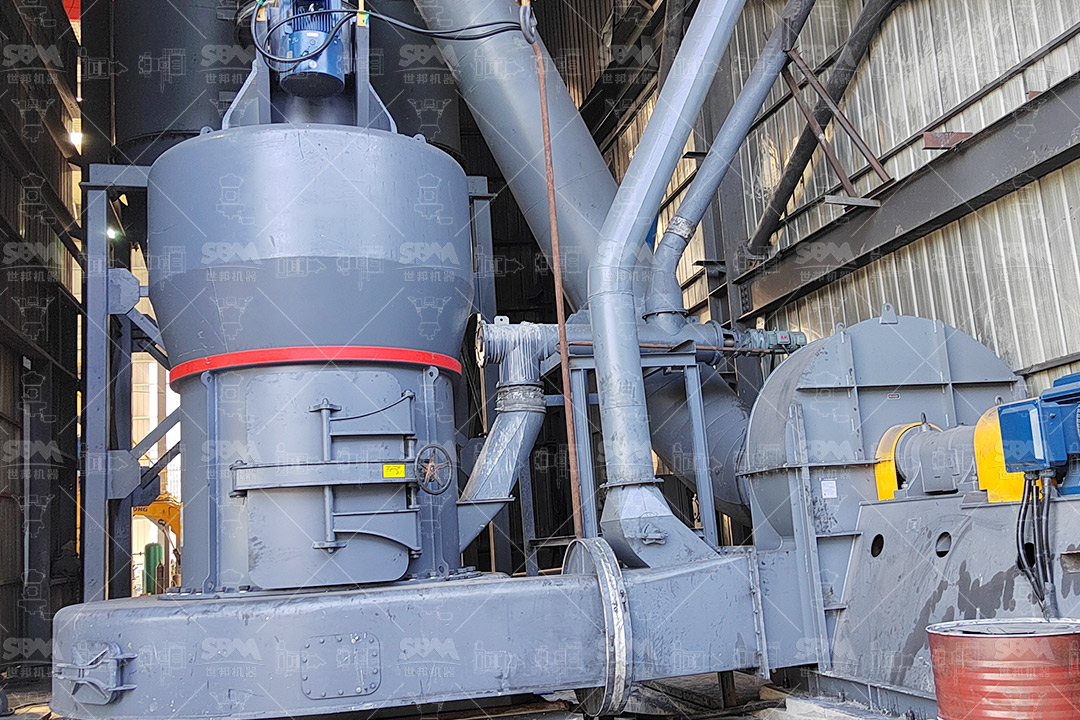
Into this landscape, the LM Series Vertical Roller Mill has become the industry standard for handling such complex materials due to its integrated design. Its proven capacity to use hot air for in-situ drying while simultaneously grinding ensures that the final product moisture is controlled to below 1%, a crucial specification for downstream gypsum product manufacturing.
The LM series mill integrates crushing, drying, grinding, and classifying into a single unit. In the cement and gypsum industry, this integration can reduce the floor space footprint by as much as 50% compared to traditional multi-equipment systems (ball mill + dryer + separator), thereby reducing infrastructure costs by approximately 40%. This integrated nature directly addresses the economic and spatial constraints faced by phosphogypsum processors.
3. The Superiority of Vertical Roller Mills in PG Processing
The specific design of the LM Series Vertical Roller Mill offers distinct technical advantages that directly counter the physical properties of phosphogypsum:
High Drying Capacity: The mill utilizes a hot gas stream (typically from a kiln or furnace) to dry the material as it moves through the grinding zone. The turbulence within the mill ensures heat transfer efficiency, allowing materials with up to 20% moisture to be dried and ground in one pass. This eliminates the need for an upstream rotary dryer, saving energy and capital costs.
Low Operating Costs and Energy Consumption: The principle of a vertical roller mill is based on a grinding bed. The material is ground by pressure between a rotating table and stationary rollers, rather than by impact. This ‘bed grinding’ mechanism is 30-40% more energy-efficient than the impact crushing found in ball mills. Wear parts are coated or made of specialized materials to resist the mild acidity of PG, increasing their service life threefold.
Precise Classification: The dynamic classifier at the top of the mill allows for the tight control of product fineness. It ensures that no coarse powder contaminates the final product, which is essential for high-end applications like gypsum boards where consistency in particle size distribution is vital for setting time and mechanical strength.
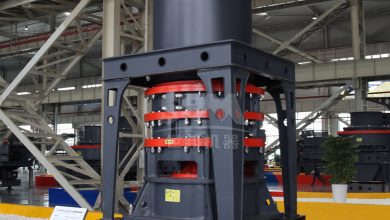
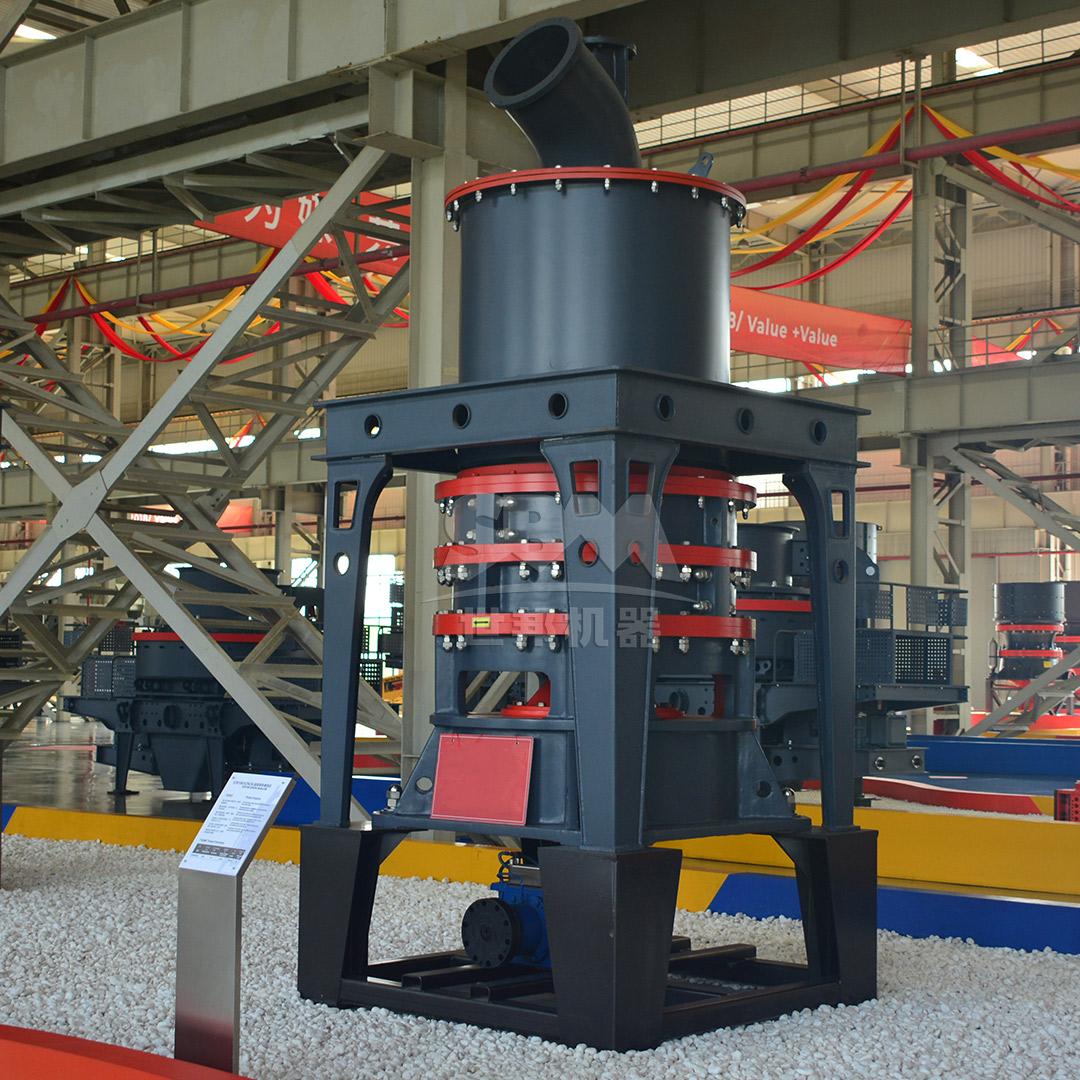
To meet the specific demand for fine and ultra-fine phosphogypsum powder (for high-value additive applications), our company offers the SCM Series Ultrafine Mill (45-5μm). While the LM handles the bulk of the output, the SCM series steps in when the target fineness reaches 325-2500 mesh. This system utilizes a vertical turbine classifier, achieving a higher classification precision and guaranteeing a cleaner particle size cut without any coarse powder mixing. Its capacity is 2 times that of jet mills while consuming 30% less energy, making it the most cost-effective option for premium PG powder production.
4. Recommended Solution: The LM Series and MTW Series Powerhouse
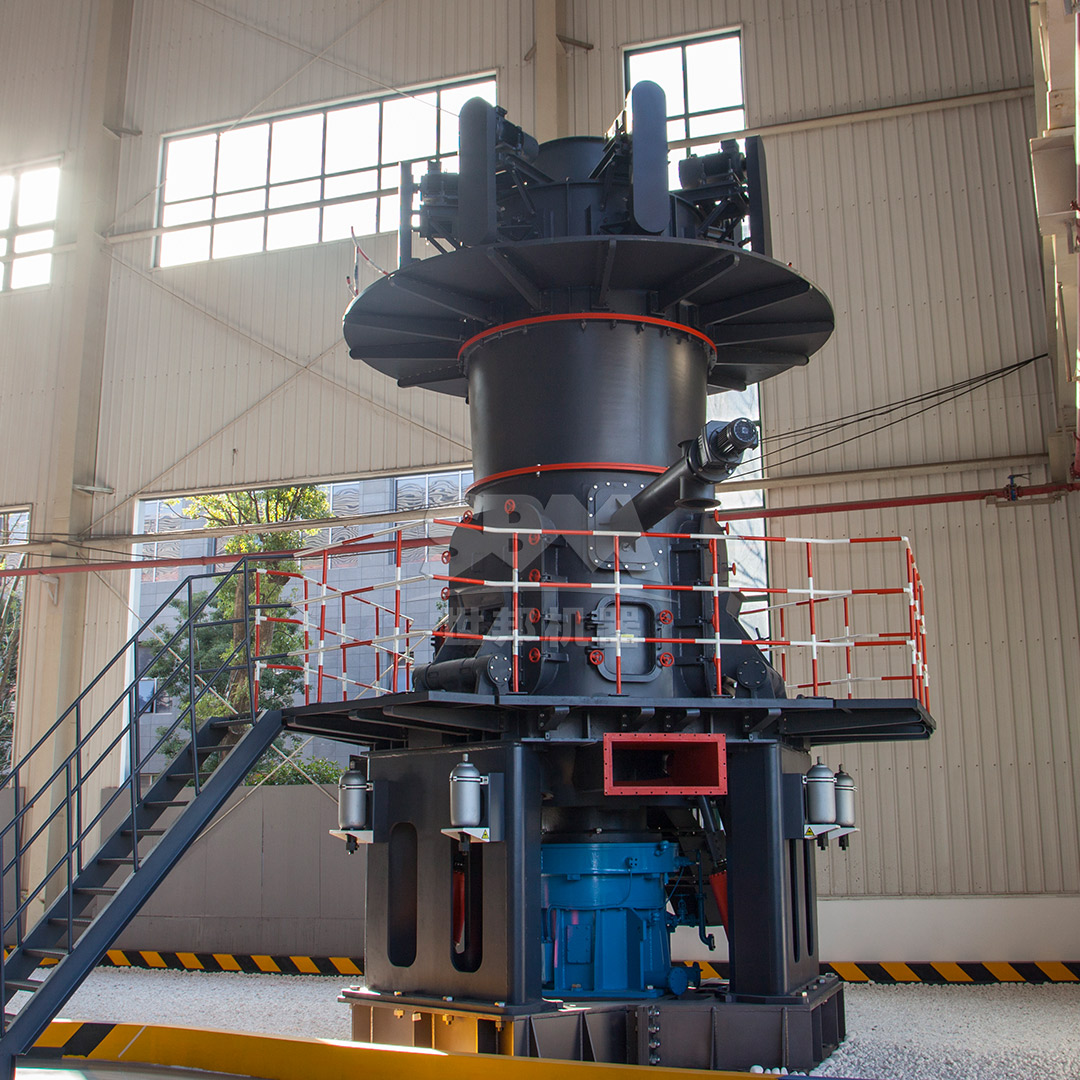
To provide a holistic solution, we recommend a two-pronged approach. For primary processing and large-capacity downstream production, the LM130K Vertical Roller Mill (capacity 10-28 t/h) or the LM150K (capacity 13-38 t/h) are ideal workhorses. They absorb the raw feed (up to 38-40mm) and dry it to finished product fineness of 170-40μm (approximately 80-400 mesh) in a single, sealed operation, ensuring emission levels stand in full compliance with environmental requirements due to their negative pressure design.
Alternatively, for clients requiring efficient conversion of PG into cement retarder or ordinary construction gypsum powder, the MTW Series European Trapezium Mill serves as an uncomplicated, highly reliable choice. The MTW mill is renowned for its lower capital investment and maintenance simplicity. To recommend one specific model: the MTW138Z (capacity 6-17 t/h) presents an excellent balance. With its integral bevel gear drive (98% transmission efficiency) and anti-wear shovel design, it effectively addresses the stickiness of PG, ensuring lower maintenance costs and operational stability.
Critically, both the LM and MTW systems come equipped with pulse dust collectors that exceed international emission standards, ensuring that the processing facility remains clean and ecologically responsible. In the context of ‘phosphogypsum utilization’, meeting these environmental thresholds is non-negotiable, as the entire value proposition is predicated on easing the environmental burden.
5. Economic and Environmental Impact
Adopting Vertical Roller Mill technology transforms phosphogypsum from a costly liability into a revenue-generating asset. By reducing power consumption by around 30-40% and water usage by utilizing the heat drying method, the operational expenses plummet. The compact structure allows for indoor installation or even outdoor installation with a simple shed, further reducing construction costs.
Furthermore, the LM series is equipped with an expert-level automatic control system. This intelligent control allows for remote switching and real-time monitoring of mill parameters like temperature, pressure, and vibration, which ensures the production line runs continuously without frequent manual intervention. This is a huge advantage when processing variable quality phosphogypsum batches.
The shift to vertical roller mills aligns perfectly with global decarbonization goals in the construction sector. By creating a high-quality substitute for natural gypsum, we reduce the need for virgin quarrying while simultaneously mitigating the massive waste land pollution caused by PG stacking.
6. Conclusion
The journey towards sustainable phosphogypsum utilization is paved with technological innovation. Vertical Roller Mills, specifically the LM and MTW series, have proven to be the most effective and efficient technology available for transforming this difficult by-product into a valuable commodity. Their combined features of integrated drying, high-efficiency grinding, and precise classification provide a zero-emission, low-energy processing loop
As the global market demands cleaner and more efficient industrial practices, investing in high-efficiency grinding equipment is the prudent path forward. Our selection of the LM130K for bulk grinding and the SCM1000 for ultra-fine final tailoring ensures that our clients possess the most flexible, cost-effective, and environmentally sound technology in the market. These mills do not just process waste; they engineer a circular economy.