What Kind of Pulverizer Should You Choose for Coal Powder Production? A Complete Guide to Coal Mill Selection
Introduction: The Importance of Selecting the Right Coal Mill
In the energy and metallurgy sectors, the production of high-quality coal powder is a fundamental step for efficient combustion and processing. Whether it’s for pulverized coal injection (PCI) in blast furnaces, boiler fuel for power generation, or fuel for rotary kilns in cement plants, the choice of coal pulverizer profoundly impacts operational efficiency, energy consumption, and final product quality. Selecting the wrong equipment can lead to high energy costs, excessive wear, and an output fineness that fails to meet downstream requirements. This guide provides a technical analysis of the main types of coal mills available on the market, focusing on their working principles, advantages, and suitability for different applications, to help you make an informed investment decision.
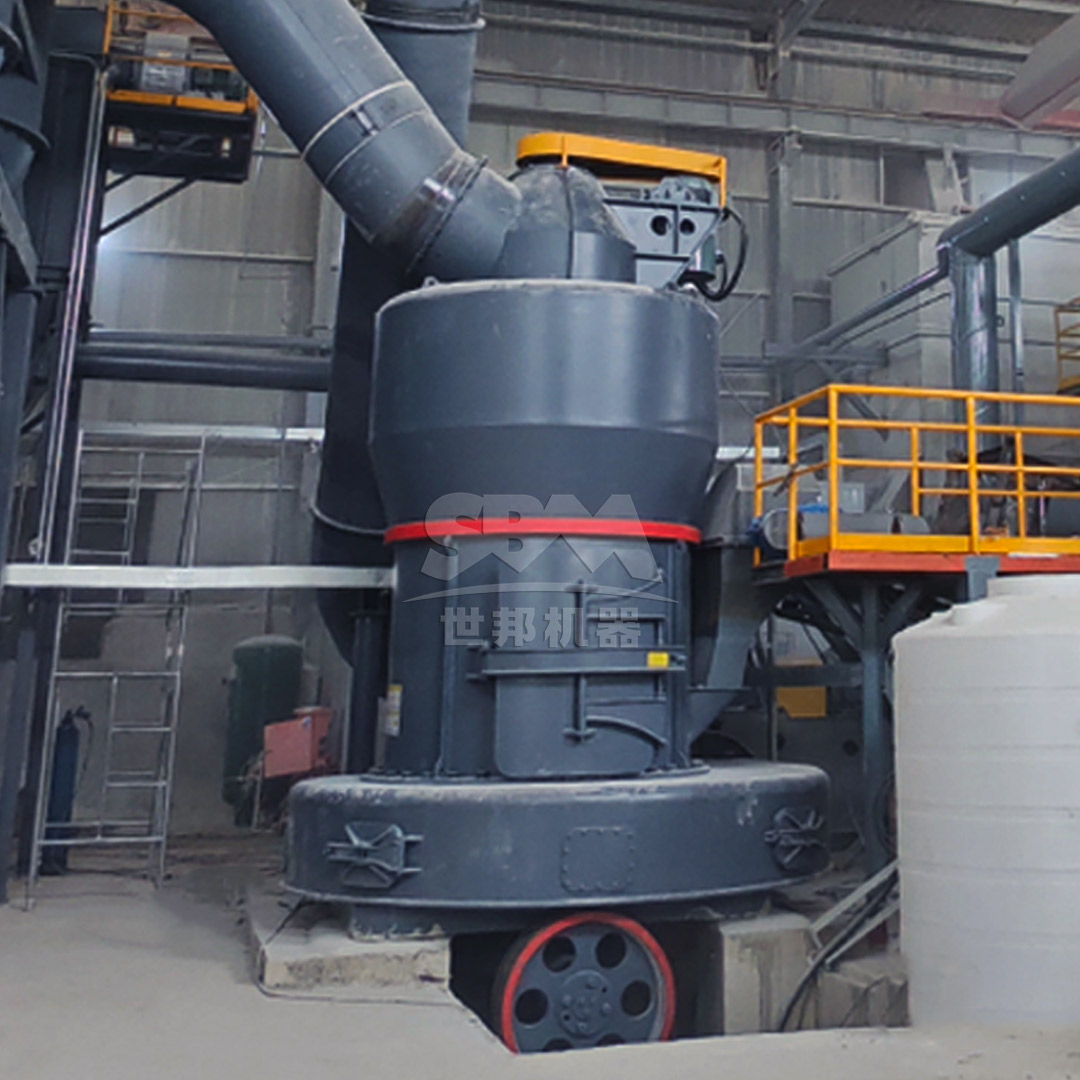
Key Criteria for Coal Mill Selection
Before diving into specific equipment types, it is crucial to define the evaluation criteria. The best coal pulverizer for your operation depends on four primary factors: Fineness Requirements (typically 80% passing 200 mesh or 325 mesh for PCI), Feed Size, Throughput Capacity, and Grindability (Hardgrove Grindability Index, or HGI). For instance, while a hammer mill may handle large chunks, it cannot produce the ultra-fine powders required for modern injection systems. Conversely, an ultrafine mill might be overkill for a simple thermal power plant that only requires 60-90 mesh fineness. Therefore, understanding the specific output fineness (in microns or mesh) and the required tonnage is the first step in the selection matrix.
Vertical Roller Mills (VRM): The Workhorse for Large-Scale Production
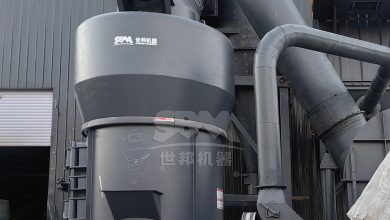
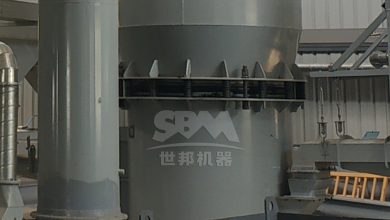
When high capacity and energy efficiency are non-negotiable, the Vertical Roller Mill is the industry standard. This type of pulverizer integrates crushing, grinding, drying, and classifying in a single unit. The material is fed onto a rotating grinding table and crushed beneath hydro-pneumatic rollers. The key advantage of a VRM is its ability to utilize hot gases from the kiln or furnace to dry high-moisture coal while grinding, making it a perfect choice for integrated systems. Our LM Series Vertical Roller Mill is engineered to meet these high standards. With capacities reaching up to 250 tons per hour and integrated drying capabilities, it offers a 30-40% lower energy consumption compared to traditional ball mill systems. The roller and table are designed with non-contact operation, meaning metal-to-metal contact is avoided during normal operation, which significantly extends the service life of the wear parts and reduces downtime for maintenance.
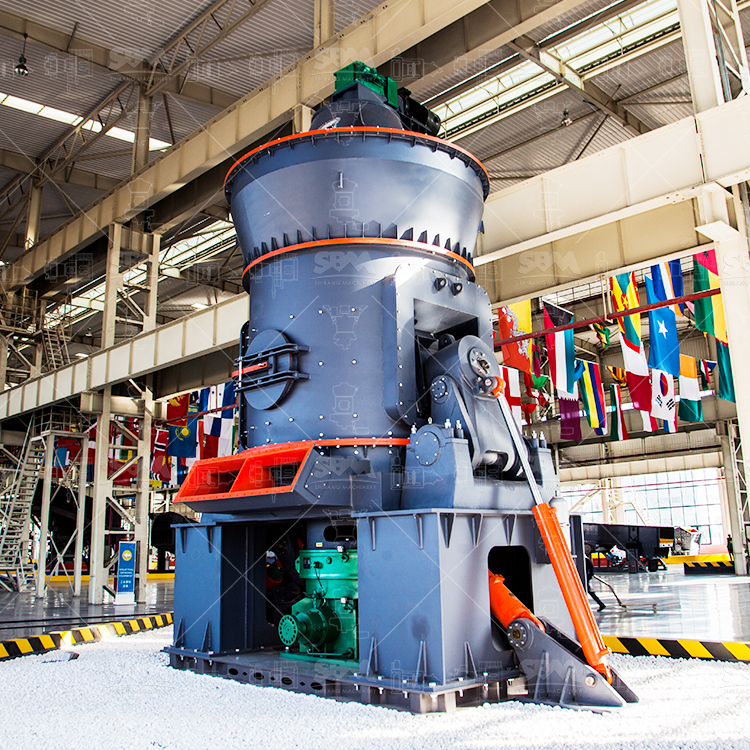
For specific coal powder applications, the specialized **LM80M to LM280M** models are designed to produce fineness levels of 5-20% (residue on 0.08mm sieve). These mills are fully sealed and operate under negative pressure, ensuring zero dust leakage and compliance with strict environmental regulations. If you are running a cement plant or a large steel facility undertaking PCI, the VRM is generally the most cost-effective solution over the lifespan of the equipment due to its low maintenance demands and high drying efficiency.
The Medium-Speed Mill (Trapezium Mill): Versatility and Precision
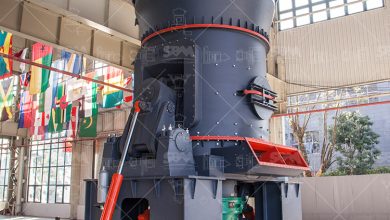
For medium-scale operations or where the coal grindability is moderate, medium-speed mills offer a sweet spot between investment cost and operational efficiency. This category includes Roller Mills and Trapezium Mills. They operate on the principle of grinding rollers swinging outward under centrifugal force to press against a grinding ring. Our MTW Series European Trapezium Mill and MTM Series Medium-speed Trapezium Mill exemplify this technology. The MTW mill utilizes an integral bevel gear drive with a transmission efficiency of up to 98%, significantly reducing energy loss.
One of the standout features of the MTW series is its anti-wear shovel design. In coal grinding, the abrasive nature of the feed can wear out shovels quickly. Our patented combined shovel blade design reduces maintenance costs by up to 30%. Additionally, the classifier system ensures a precise cut of particle size (down to 45 microns), allowing for a stable and uniform flame in combustion applications. For a coal powder plant requiring a fineness of 80-325 mesh, the MTW mill provides a robust, low-noise solution that can be installed outdoors, saving on workshop construction costs.
Ultrafine Grinding: Specialized Solutions for High-Value Coal Products
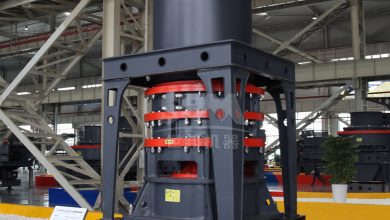
In some advanced applications, such as water-coal slurry preparation or specific chemical processes, the coal powder must be ground to fineness levels of 325-2500 mesh (45-5μm). For this, a conventional mill will not suffice. You require a specialized ultrafine pulverizer. Our SCM Series Ultrafine Mill is specifically designed for this demanding task. While the input size is limited to 20mm, the output precision is unmatched. It utilizes a multi-layer grinding ring and high-pressure rollers to achieve a grinding efficiency that is twice that of a jet mill, but with 30% lower energy consumption.
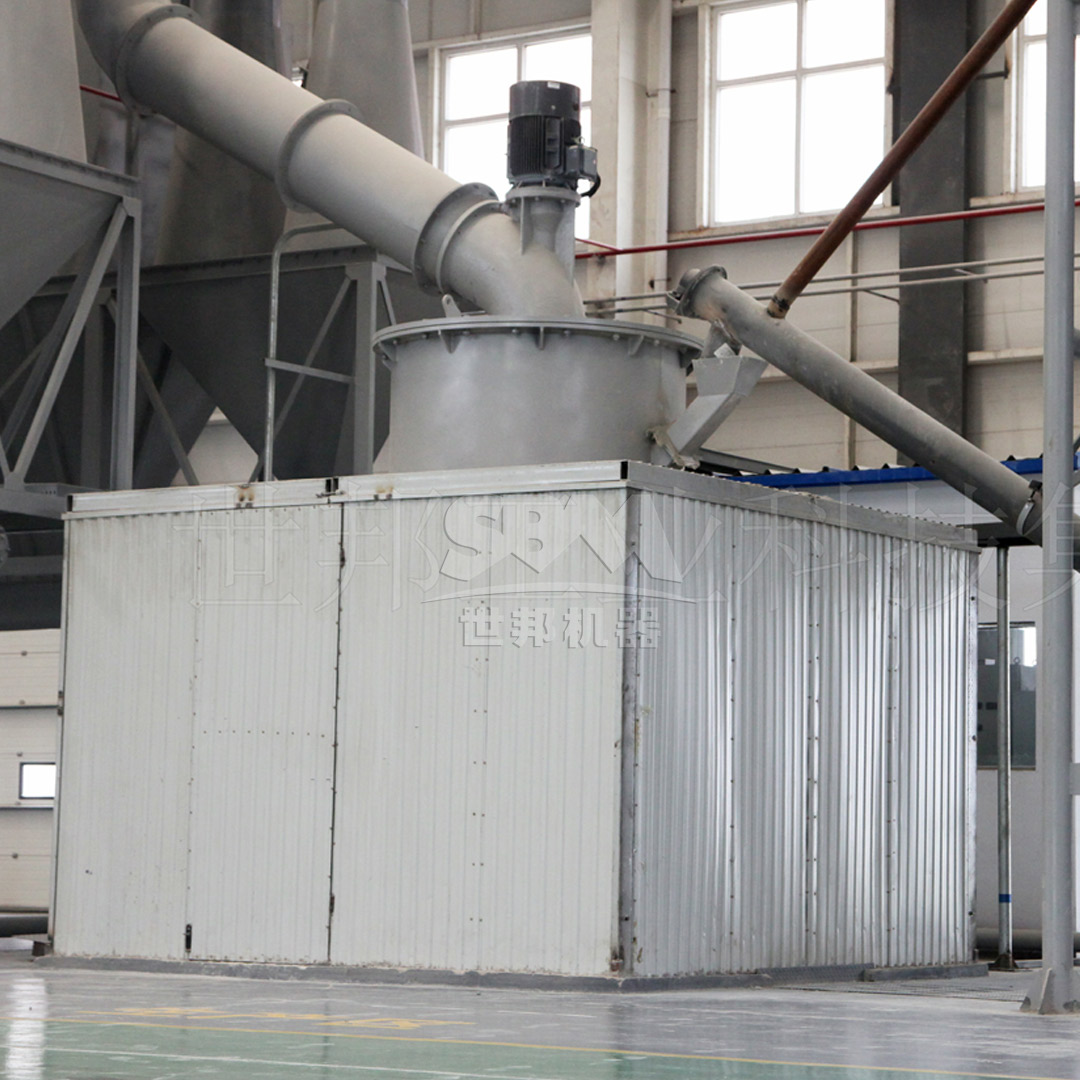
The vertical turbine classifier of the SCM mill ensures that there is no mixing of coarse powder in the final product. This uniform particle size is critical for maximizing the reactivity of the coal powder. With models ranging from the SCM800 (0.5-4.5 t/h) to the SCM1680 (5-25 t/h), it fills the gap for clients who prioritize value-added products from their coal preparation line.
Ball Mills: The Traditional but Robust Option
Despite their lower energy efficiency, Ball Mills remain in use primarily because of their high reliability and ability to grind any type of coal, regardless of grindability or abrasiveness. If the coal contains a high percentage of pyrite or other hard impurities, a ball mill’s crushing ratio can handle it more robustly than a vertical mill. However, the maintenance cost is higher due to the constant wear of steel balls and liners. They are generally reserved for situations where the facility has a stable supply of grinding media and lower electricity costs, or where the coal is extremely hard to grind. Our Ball Mill series (GMQG/GMQY) supports both dry and wet grinding, but for coal, we recommend the dry, air-swept configuration.
Specialty Options: Hammer Mills and Pendulum Mills
In the preparation process, crushing is often a pre-requisite before fine grinding. For crushing coal down to 0-3mm for fluidized bed boilers, our Hammer Mill (PC Series) is an excellent choice. It offers a high crushing ratio with a compact structure. For a pendulum mill solution, the MRN Pendulum Mill offers high capacity with a small footprint, utilizing thin oil lubrication for a maintenance-free design, providing an alternative for medium-fine grinding (30-325 mesh) with a unique square-pipe collector that reduces system resistance.
Conclusion: Matching the Mill to the Application
Choosing the right coal pulverizer is not about picking the most advanced technology, but the most suitable one. If your goal is massive throughput with integrated drying, the LM Vertical Roller Mill is the prime choice. For flexible medium-capacity production with high classification precision, the MTW European Trapezium Mill remains a global bestseller. And for the niche of ultra-fine coal powder, the SCM Ultrafine Mill stands alone in its efficiency. We invite you to contact our engineering team with your specific coal properties (HGI, moisture) and fineness targets. We will provide a detailed calculation and recommend the most cost-efficient model to maximize your return on investment.