How to Choose a Raymond Mill: A Complete Buyer’s Guide for Powder Grinding Equipment
1. Introduction: The Importance of Selecting the Right Raymond Mill
In the competitive world of powder processing, the choice of grinding equipment directly impacts production efficiency, product quality, and operational costs. A Raymond mill, known for its versatility and reliability, remains a staple in industries ranging from mining and metallurgy to chemical engineering and building materials. However, not all Raymond mills are created equal. With a myriad of models, specifications, and technological advancements available, making an informed purchase decision can be overwhelming. This comprehensive buyer’s guide aims to demystify the selection process, providing you with the essential criteria and expert insights needed to choose a Raymond mill that perfectly aligns with your production goals and material characteristics.
2. Understanding Your Material and Production Requirements
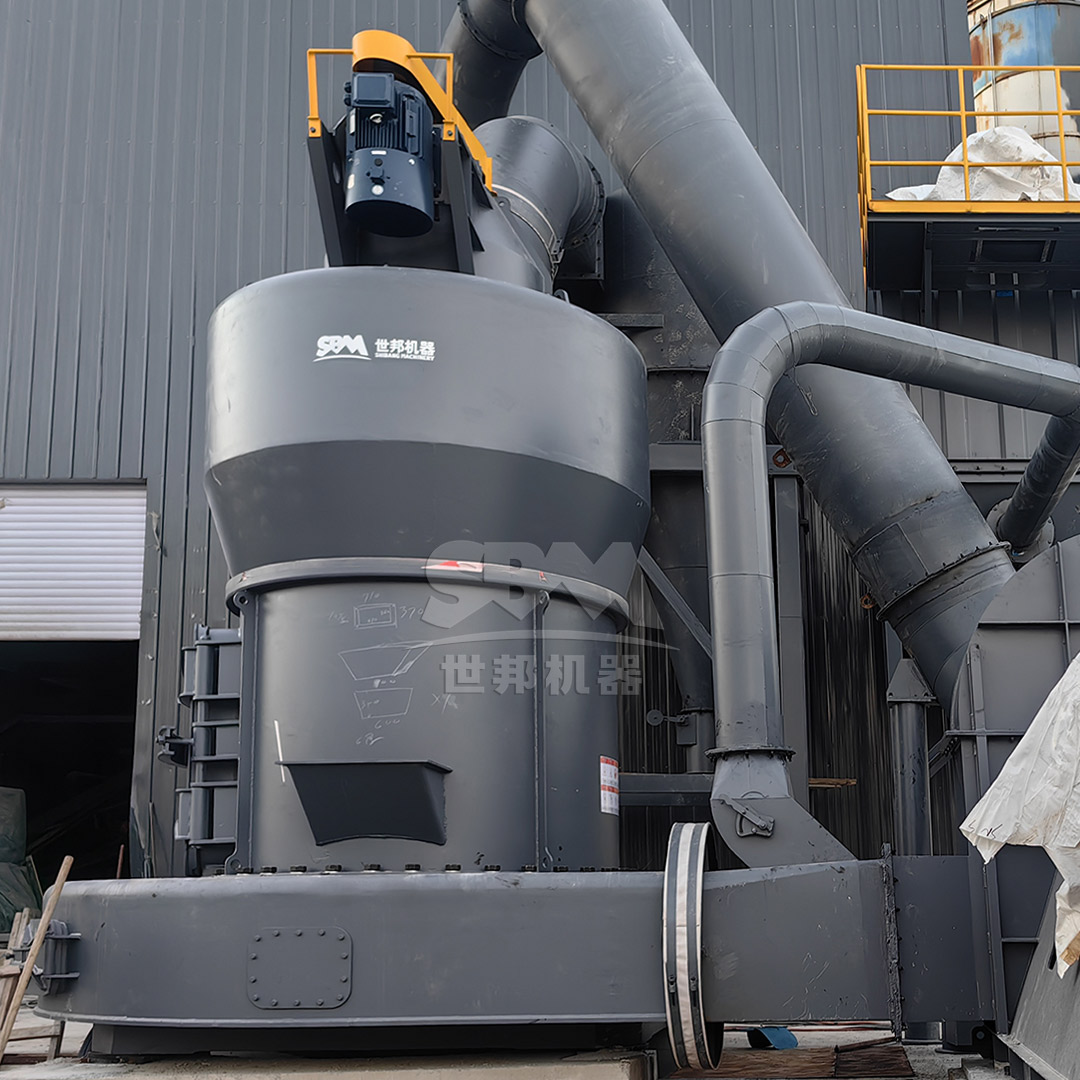
Before diving into machine specifications, you must first conduct a thorough analysis of your raw materials and desired end products. The physical and chemical properties of the feed material—such as hardness (Mohs scale), moisture content, abrasiveness, and feed size—will dictate the mill design and power requirements. For instance, processing highly abrasive minerals like quartz or granite requires mills with enhanced wear-resistant components, while heat-sensitive materials demand efficient cooling systems. Simultaneously, define your target output fineness (measured in mesh or microns) and capacity (tons per hour). Are you aiming for a coarse powder of 80 mesh or an ultra-fine powder of 1200 mesh? These parameters are non-negotiable and serve as the foundation for shortlisting suitable equipment models.
3. Key Selection Criteria: Performance and Efficiency
Once you have a clear profile of your material and production targets, you can begin evaluating potential mills based on their performance metrics. Focus on these critical factors:
- Capacity vs. Fineness: A mill’s capacity is often inversely proportional to its output fineness. A machine that can produce 10 tons per hour of 100-mesh powder may only produce 2 tons of 800-mesh powder. Always review the manufacturer’s capacity chart across different fineness levels to ensure it meets your specific needs.
- Energy Consumption: Grinding is an energy-intensive process. Look for mills with advanced technologies that offer higher grinding efficiency, such as optimized airflow paths, intelligent control systems, and high-pressure grinding mechanisms. Lower energy consumption per ton of product translates directly to significant operational cost savings.
- Classification Precision: The quality of your final product is heavily influenced by the mill’s classification system. A high-precision dynamic classifier ensures that the final powder has a uniform particle size distribution with minimal coarse particles. This is particularly crucial for industries like pharmaceuticals and advanced materials where consistency is paramount.
- Wear and Tear Durability: Grinding is inherently abrasive. Assess the quality of the grinding rollers and rings. Mills that utilize special alloy materials or employ unique design principles (like the bed-of-material grinding principle) can significantly extend the service life of wear parts, thus reducing downtime and maintenance frequency.
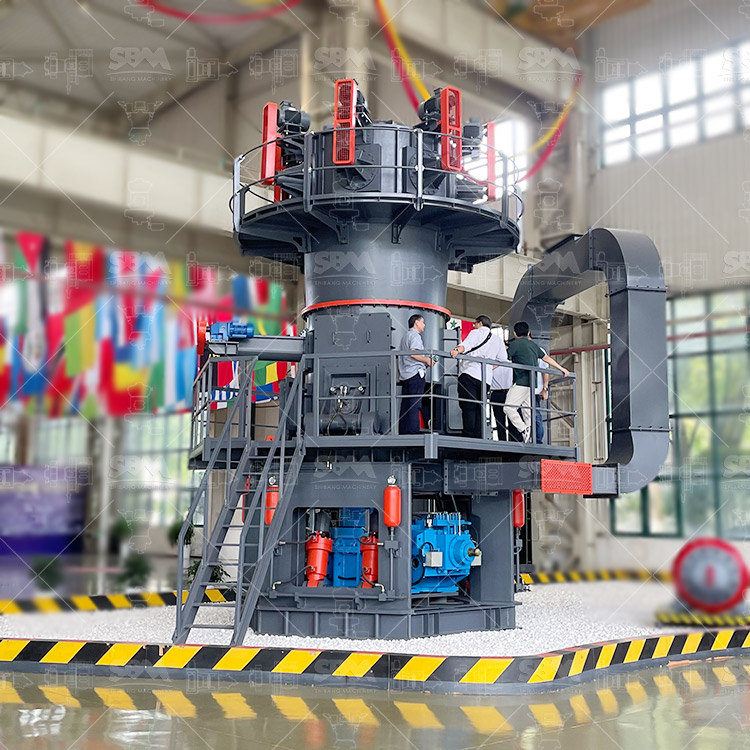
For instance, our SCM Series Ultrafine Mill exemplifies these principles. It is engineered for high-efficiency and energy savings, with a capacity that is 2x that of jet mills while consuming 30% less energy. Its advanced double-layer classifier ensures high-precision classification with no coarse powder mixing, delivering a uniformly fine product from 325 to 2500 mesh. If your application demands such ultra-fine output, this is a solution worth serious consideration.
4. Matching the Mill to Your Application: From 45μm to 5μm
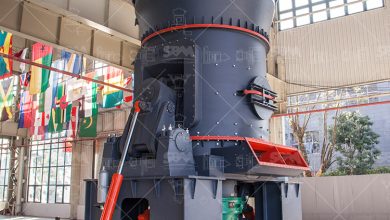
The required fineness is the single most decisive factor in choosing between different mill types. For general industrial applications requiring a powder fineness between 30 and 325 mesh (600-45μm), classic pendulum mills and European trapezium mills are excellent choices. They offer a robust design and high throughput. For example, our MTW Series European Trapezium Mill is a workhorse in this category. It features an integral bevel gear drive with up to 98% transmission efficiency and an anti-wear shovel design, making it an ideal solution for large-volume production runs where reliability and cost-effectiveness are key. It handles feed sizes up to 50mm and can produce up to 45 tons per hour, a testament to its industrial strength.
| Fineness Range | Recommended Mill Series | Common Applications |
|---|---|---|
| 30-325 mesh (600-45μm) | MTW, LM, MTM | Cement, coal, gypsum, limestone, phosphate rock |
| 325-2500 mesh (45-5μm) | SCM, LUM | Calcium carbonate, kaolin, pigments, rubber fillers |
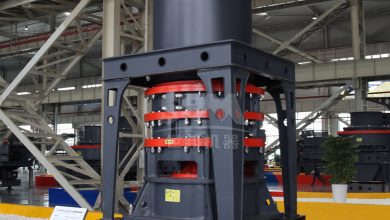
However, when you step into the realm of ultra-fine powders (below 325 mesh), you require specialized equipment. This is where the SCM Series Ultrafine Mill shines. Its unique working principle, involving three layers of grinding rings, enables the production of powders down to 5 microns. With models ranging from SCM800 to SCM1680, it offers capacities between 0.5 to 25 tons per hour. This mill is not just about fineness; it also boasts intelligence, with automatic feedback on finished product granularity, ensuring consistent quality in the most demanding ultra-fine applications.
5. Operational Considerations: Environmental Compliance and Ease of Maintenance
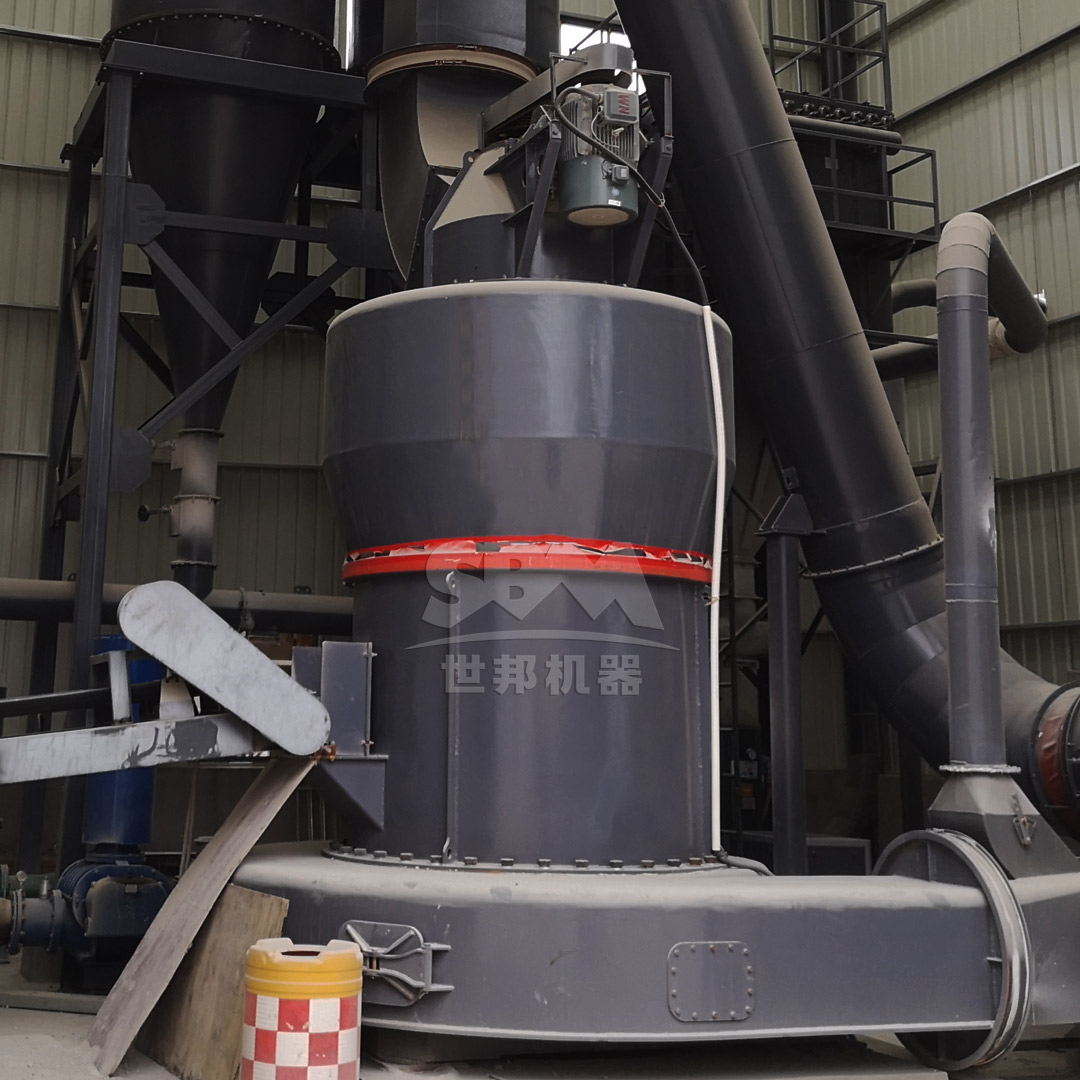
Modern industrial operations are subject to stringent environmental regulations. Your chosen Raymond mill must be equipped with effective dust collection systems to ensure clean operation and compliance with emission standards. Look for features like pulse dust collectors, fully sealed negative-pressure systems, and optional soundproofing enclosures. Our mills are designed with the environment in mind; for instance, the SCM Series includes pulse dust collection efficiency that exceeds international standards and a soundproof room design to minimize noise pollution, ensuring a safe and compliant work environment. Furthermore, consider maintenance accessibility. A mill with a modular design, quick-change wear parts, and intelligent diagnostic systems will minimize downtime and simplify service routines, protecting your long-term investment.
6. Finalizing Your Choice: Paper Specifications vs. Real-World Performance
After narrowing down your options based on technical specifications, take a holistic view. Consider the manufacturer’s reputation for quality and after-sales support. Request a test grinding of your actual material using their equipment. This empirical data is invaluable and will verify the mill’s performance claims under real-world conditions. Scrutinize the total cost of ownership, which includes initial capital, installation, energy, maintenance, and spare parts. A cheaper machine that fails frequently can end up costing more in the long run. By carefully weighing all these factors—material characteristics, target fineness, capacity, efficiency, environmental compliance, and lifecycle cost—you can confidently choose a Raymond mill that will be a productive and profitable asset for your business for years to come.