How to Improve the Output of Bentonite Vertical Roller Mill? – Key Factors Affecting Grinding Efficiency
Introduction
Bentonite, a clay mineral primarily composed of montmorillonite, is widely used in drilling fluids, foundry sands, iron ore pelletizing, and environmental protection. As industries demand higher production rates and finer product quality, operators of bentonite vertical roller mills (VRMs) face the challenge of maximizing output while maintaining energy efficiency and product consistency. This article explores the key factors that influence the grinding efficiency of bentonite vertical roller mills and provides actionable strategies to improve output. We will draw on advanced technologies from leading milling solutions to demonstrate how you can achieve optimal performance.
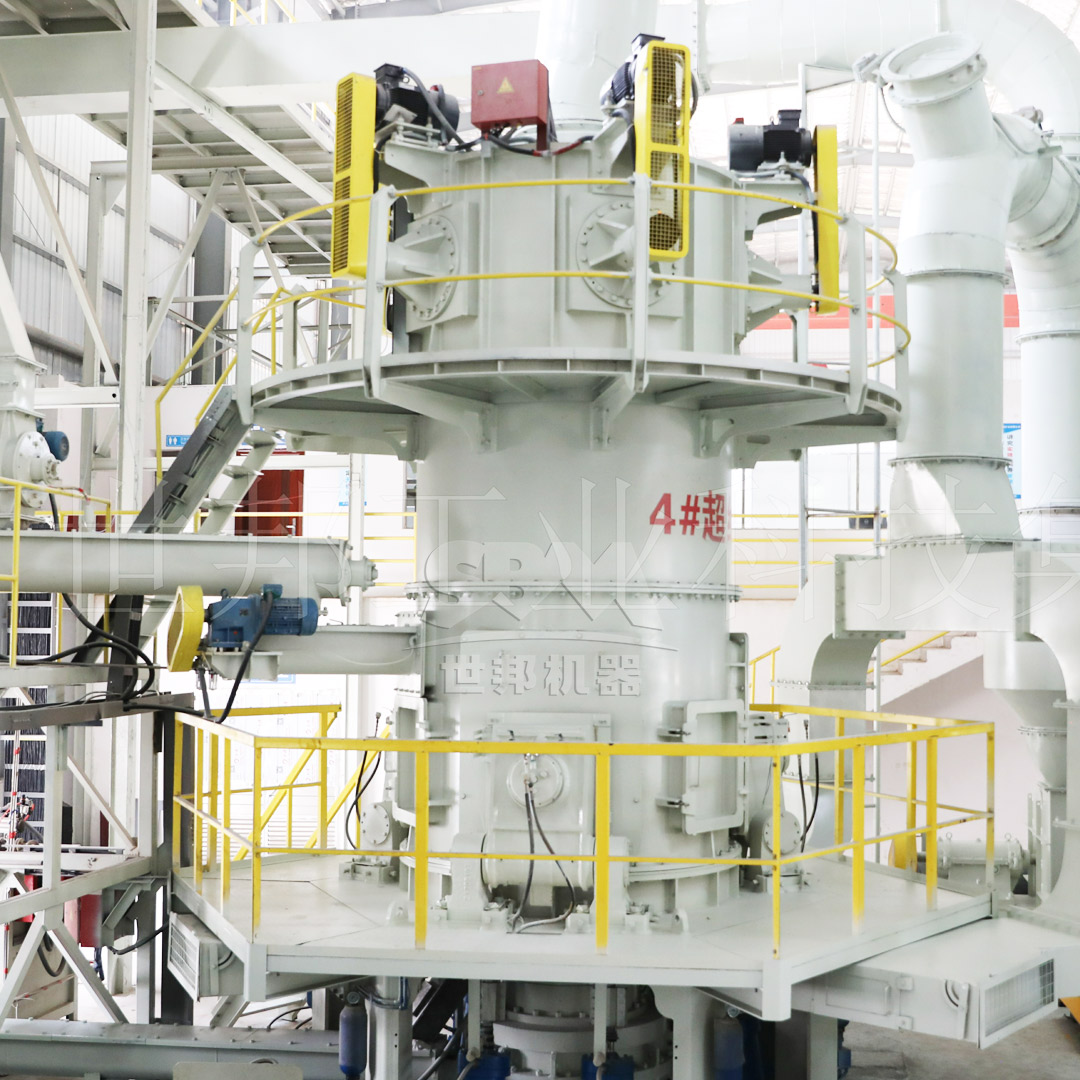
1. Raw Material Characteristics
The physical and chemical properties of bentonite directly impact grinding efficiency. Bentonite often contains moisture (typically 8-20%) and has a high plasticity index, which can lead to material sticking and ring build-up inside the mill. To improve output, pre-drying the feed to below 5% moisture is critical. Additionally, controlling feed particle size to ≤50mm reduces the load on the grinding rollers. For bentonite with high viscosity, adding a small proportion of dry additives or using a hot air system inside the mill can maintain material flow and prevent clogging.
2. Mill Operating Parameters
Optimizing mill operating parameters is essential for high output. The grinding pressure applied by the rollers must be adjusted based on the hardness and moisture of bentonite. Higher pressure increases breakage but also raises energy consumption and wear. A balance must be struck. The classifier speed directly controls product fineness: for bentonite used in drilling fluids (typically 200-325 mesh), a lower classifier RPM can boost output while still meeting specifications. Table speed is another variable – increasing the rotational speed of the grinding table generally lifts the material layer and enhances grinding, but excessive speed may cause unstable vibration. Real-time monitoring of mill differential pressure and motor current helps operators fine-tune these parameters for maximum throughput.
3. Grinding Roller & Table Wear Condition
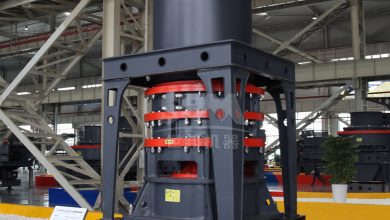
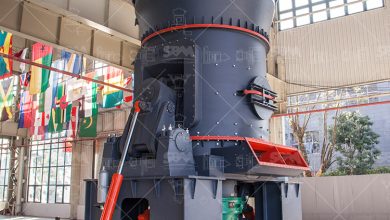
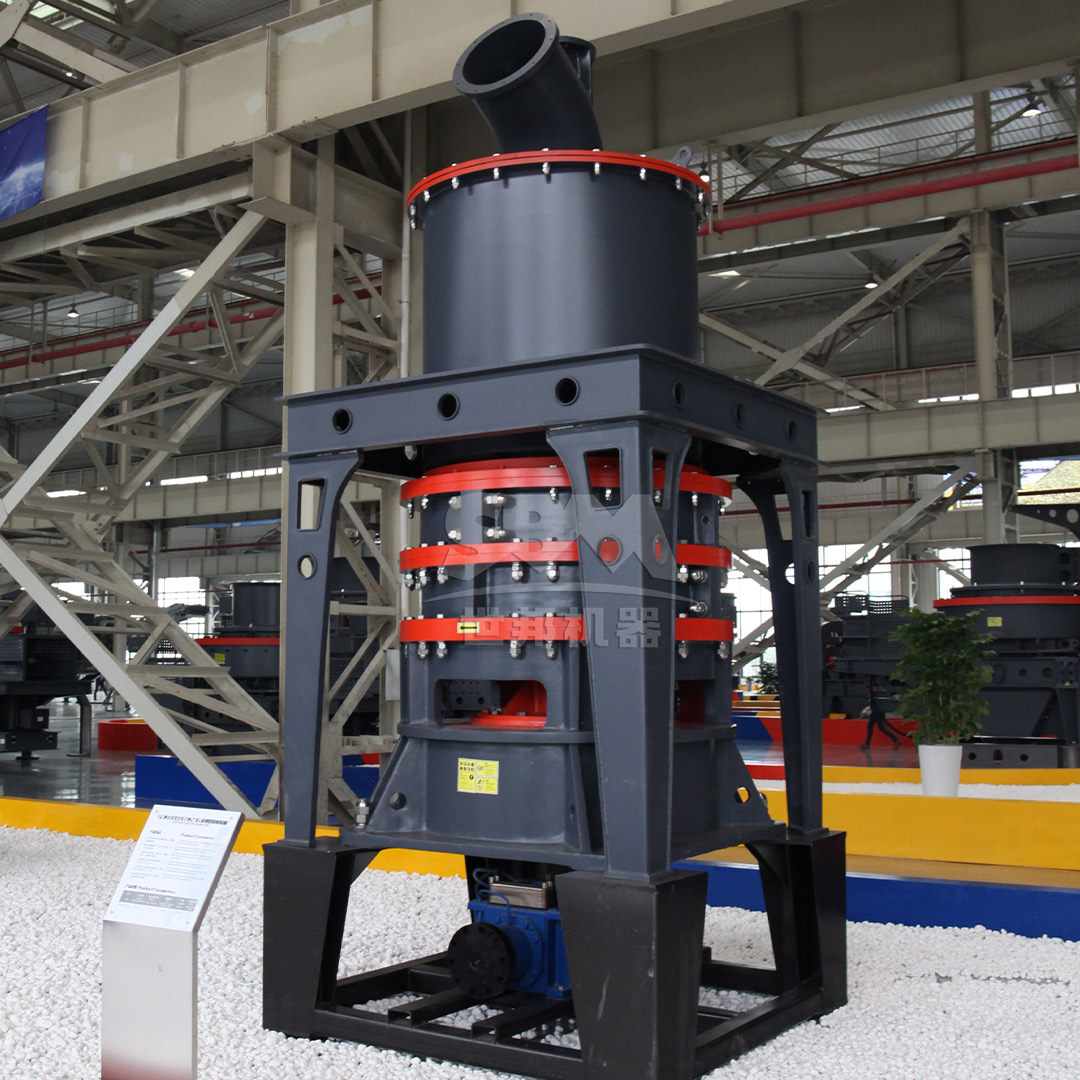
Worn rollers and grinding rings drastically reduce grinding efficiency. In bentonite processing, due to the abrasive nature of quartz impurities present in the ore, roller and table wear is accelerated. Regular inspection and timely replacement of worn parts are necessary. Our LM Series Vertical Roller Mill is designed with non-contact between rollers and table, and wear part life is extended by up to 3 times compared to conventional mills. The high-strength modular grinding roller assembly allows quick-change during maintenance shutdowns, minimizing downtime. For ultra-fine bentonite grades (325-2500 mesh), the SCM Series Ultrafine Mill uses special material rollers and rings that further enhance wear resistance, ensuring sustained high output over longer production cycles.
4. Airflow and Classification System
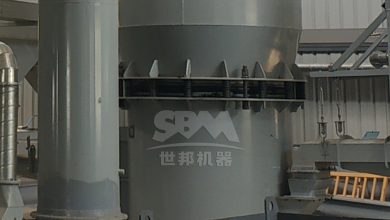
The air volume and velocity inside the mill determine how efficiently ground particles are transported to the classifier. Insufficient airflow leads to over-grinding and reduced capacity, while excessive airflow can carry coarse particles to the finished product bin, degrading quality. In bentonite VRMs, the classifier’s cut size must be accurately controlled. Our SCM Series Ultrafine Mill features a vertical turbine classifier that achieves precise particle size cutting with no coarse powder mixing. The intelligent control system automatically adjusts the classifier speed based on real-time fineness feedback from the finished product, optimizing output without sacrificing quality. Additionally, optimizing the main fan speed to match the grinding capacity can reduce energy consumption by up to 30% while increasing throughput.
5. Material Layer Thickness and Bed Stability
Vertical roller mills operate on the principle of a stable material bed. A thin bed leads to metal-to-metal contact, causing vibration and wear; a thick bed reduces grinding force transfer and lowers efficiency. For bentonite, which tends to fluidize easily, maintaining a bed thickness of 20-40mm is optimal. Automatic hydraulic pressure systems that adjust grinding force in response to bed thickness variations help stabilize the operation. The LM Series Vertical Roller Mill integrates an expert-level auto-control system that monitors parameters like mill vibration and bed depth, allowing it to maintain a consistent grinding environment. This stability directly translates to higher continuous output, less downtime, and consistent product quality.
6. Feed Rate and Uniformity
Consistent and controlled feed rate is a cornerstone of high mill output. Fluctuations in feed cause the mill to either choke or run under-loaded, both of which reduce efficiency. Installing a weigh feeder with a variable speed drive ensures the material enters the mill at a steady rate. For bentonite, a pre-crusher or hammer mill should be used to ensure the feed size is uniform and ≤50mm. Our LM Series offers a complete integrated system solution – from feeding to classification – which eliminates bottlenecks and ensures smooth material flow. The feeder’s speed can be linked to the mill’s main motor power to automatically reduce feed rate when the mill is overloaded, protecting the equipment and maintaining output.
7. System Sealing and Maintenance
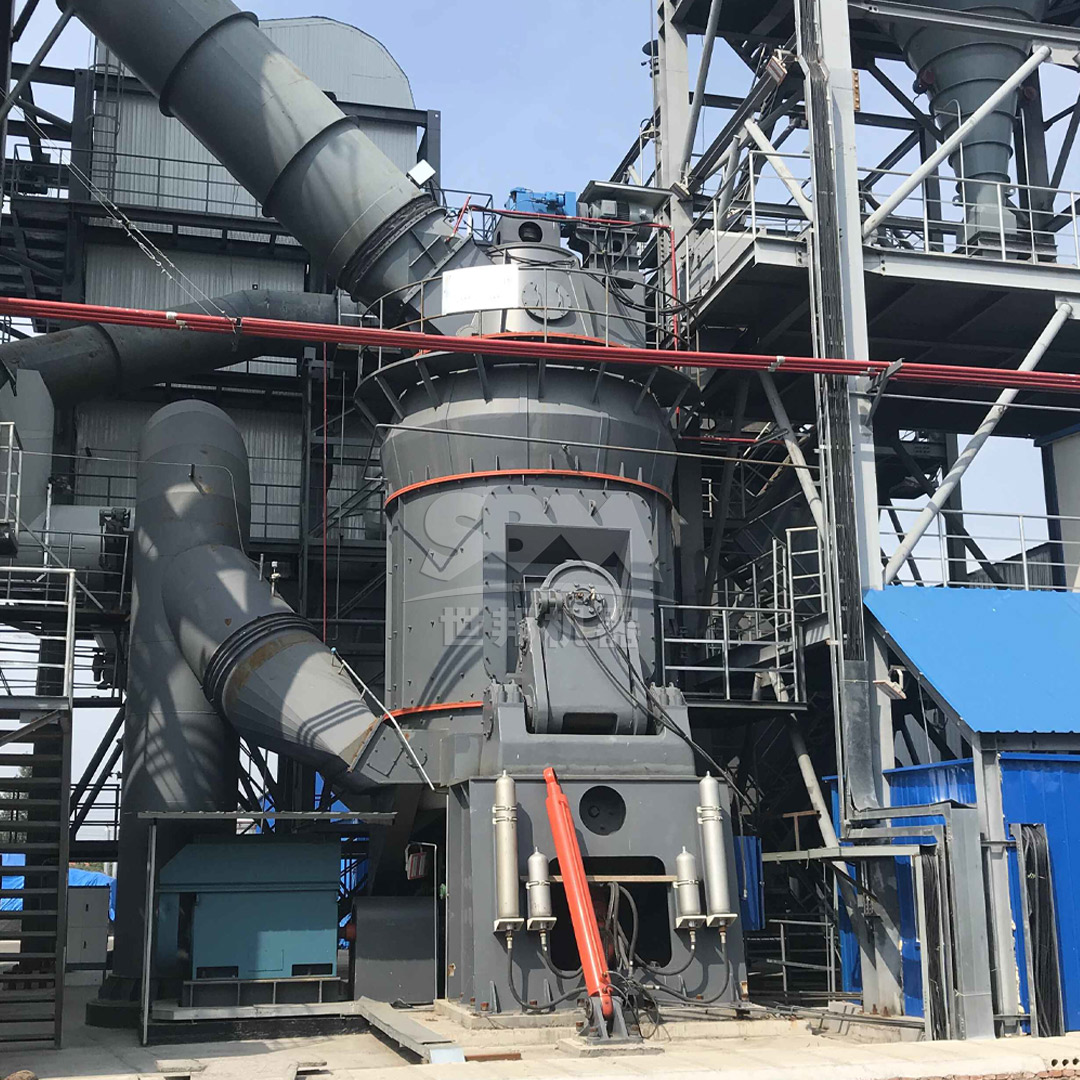
Air leakage in the mill system reduces the effective airflow available for material transport, leading to lower classifier efficiency and decreased output. Regular inspection of sealing points – such as the mill inlet/outlet flanges, classifier housing, and piping connections – is essential. Using a fully sealed negative pressure operation, like that in the LM Series Vertical Roller Mill, prevents dust leakage and maintains stable internal airflow. Additionally, routine lubrication of bearings and gearboxes, using the internal suction oil lubrication system, reduces friction losses and keeps the drive efficiency high. A well-maintained mill operates closer to its designed capacity for longer periods.
8. System Configuration: Mill Selection
Finally, selecting the right mill for your bentonite application is perhaps the most important decision. For standard bentonite grinding to 200 mesh, the MTW Series European Trapezium Mill is an excellent choice, featuring an integral bevel gear drive with 98% transmission efficiency and an anti-wear shovel design that reduces maintenance costs. For higher capacity requirements (up to 250 t/h), the LM Series Vertical Roller Mill integrates crushing, grinding, and selection in one unit, reducing floor space by 50% and operating costs by 30-40% compared to ball mill systems. For ultra-fine bentonite products used in high-end markets (e.g., 800-2500 mesh for cosmetics or pharmaceutical fillers), the SCM Series Ultrafine Mill delivers 2x the capacity of jet mills with 30% lower energy consumption, making it the ideal solution for specialized applications.
Conclusion
Improving the output of a bentonite vertical roller mill requires a holistic approach: understanding raw material properties, optimizing mill parameters, maintaining wear parts, and choosing the correct equipment for your target fineness and capacity. By implementing the strategies outlined in this article and leveraging our proven technologies – such as the SCM Series Ultrafine Mill for ultra-fine grinding or the LM Series Vertical Roller Mill for high-throughput integrated processing – operators can achieve significant gains in productivity, energy efficiency, and product quality. Contact our team for a customized analysis of your bentonite grinding operation.