Recent Progress in Recycling Technologies for Lithium Iron Phosphate (LFP) Cathode Materials
1. Introduction
The rapid proliferation of electric vehicles (EVs) and energy storage systems has led to an unprecedented surge in demand for lithium-ion batteries (LIBs). Among various cathode chemistries, Lithium Iron Phosphate (LiFePO₄, commonly referred to as LFP) has gained significant traction due to its inherent safety, long cycle life, low toxicity, and cost-effectiveness. Unlike nickel-rich cathodes such as NMC (Nickel Manganese Cobalt) or NCA (Nickel Cobalt Aluminum), LFP does not contain valuable cobalt or nickel, making its economic recycling a distinct challenge. Early recycling efforts predominantly focused on high-value cathode materials; however, the growing volume of LFP batteries reaching end-of-life (EOL) necessitates the development of efficient, scalable, and economically viable recycling pathways. This article reviews recent progress in recycling technologies for LFP cathode materials, covering direct recycling, hydrometallurgical processes, and pyrometallurgical approaches, with a particular emphasis on the critical role of material preparation and grinding technologies in enhancing recovery efficiency.
2. The LFP Recycling Landscape: Why It Matters
The global shift towards LFP batteries, particularly in the Chinese EV market and for stationary storage, means that millions of tons of LFP black mass will require processing in the coming decade. The primary economic drivers for LFP recycling are the recovery of lithium (Li), iron (Fe), and phosphorus (P), as well as the graphite anode. While the material value per kilogram of LFP is lower than NMC, the sheer volume makes processing profitable if the operational costs, particularly energy and reagent consumption, are minimized. Key challenges include the strong Fe-P-O bonds in the olivine structure, which require energy-intensive breaking, and the need to separate the cathode material from binders, aluminum foil, and other cell components. A critical stage in any recycling process—whether hydrometallurgical or direct recycling—is the physical pre-treatment step, which involves crushing, sieving, and grinding of the battery materials to liberate the active components and achieve a homogeneous, fine powder.
3. Pre-Treatment: The Gateway to Efficient Recovery
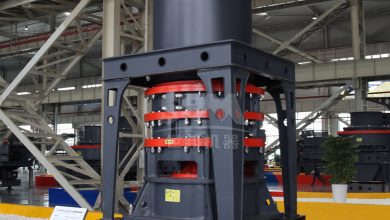
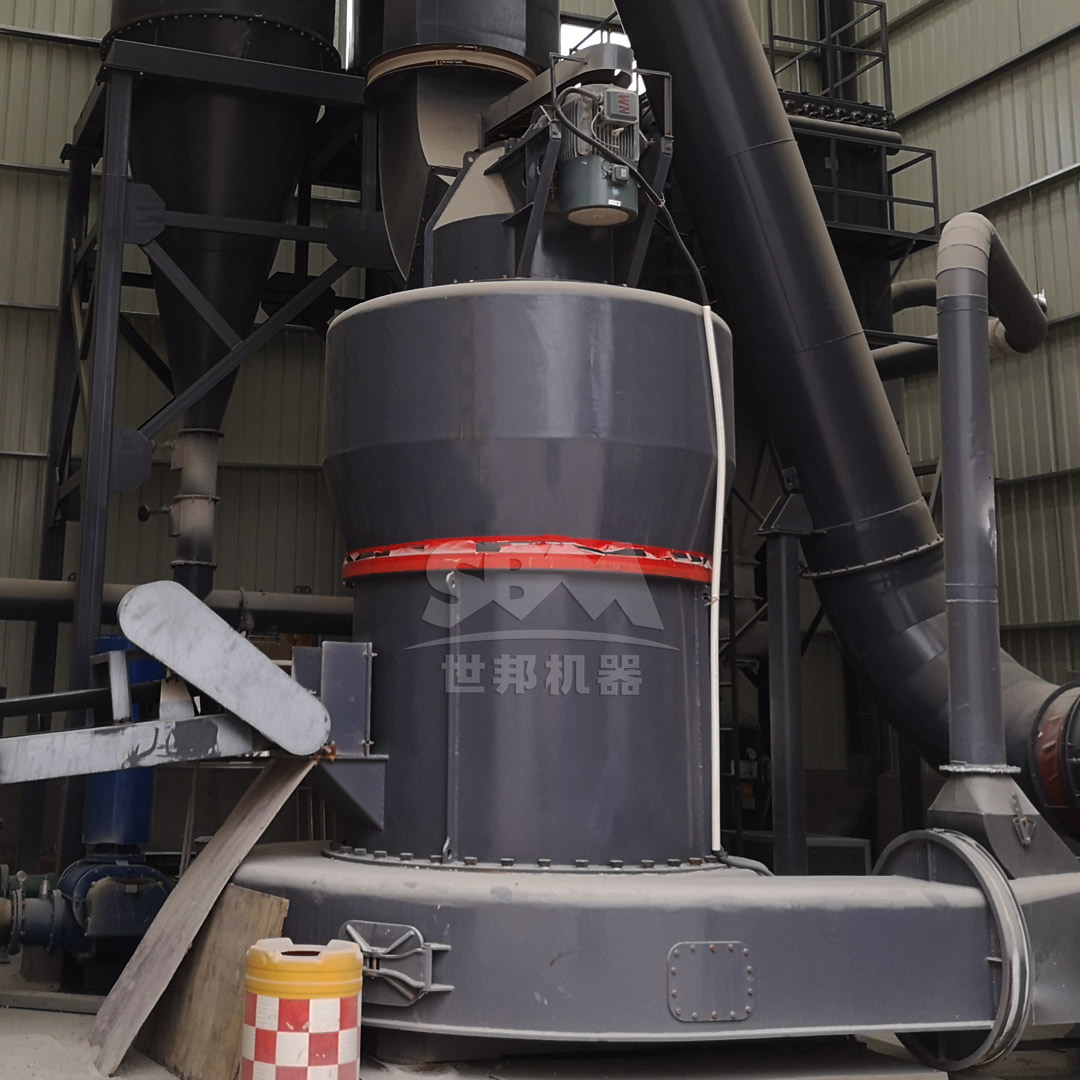
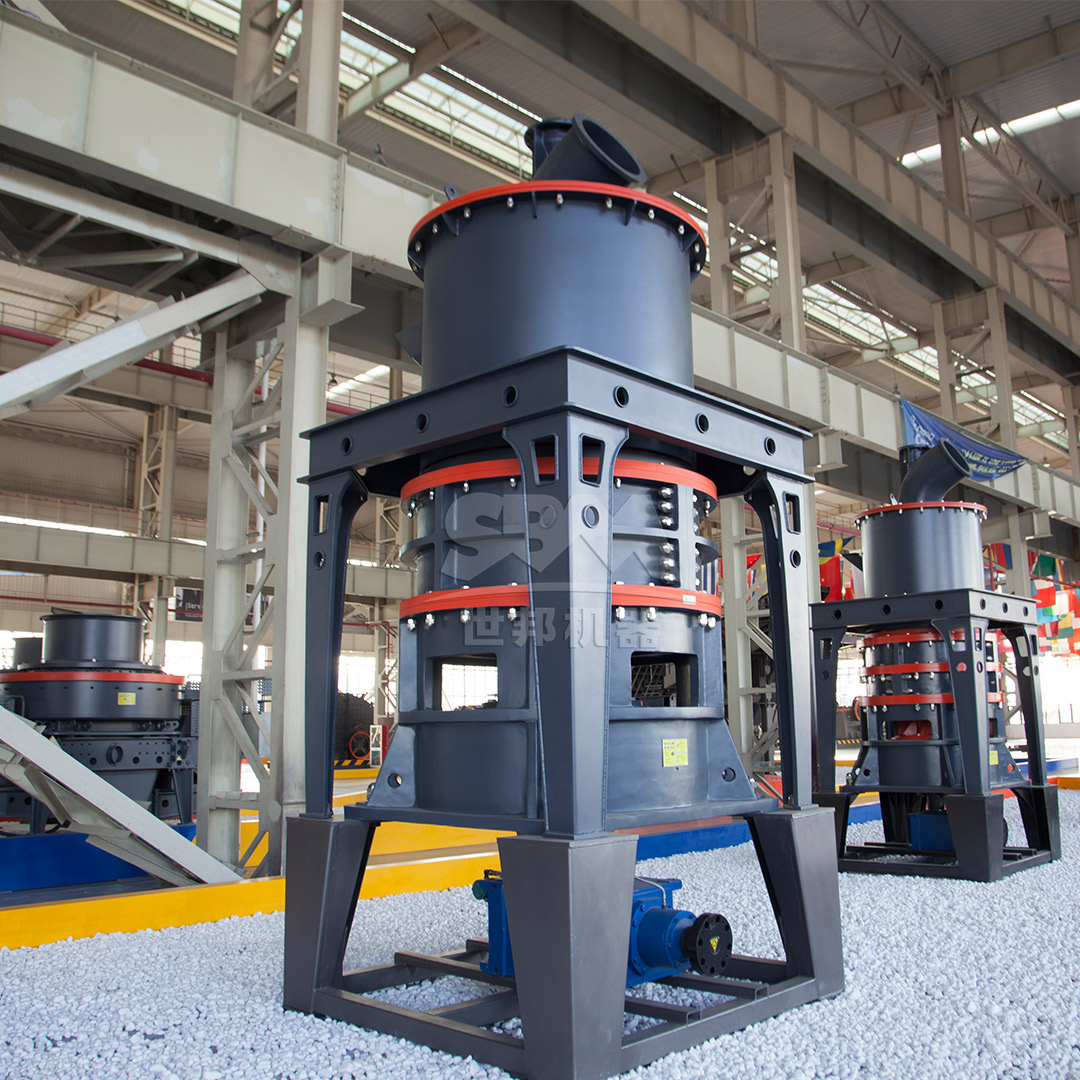
The efficiency of downstream chemical extraction or regeneration is heavily dependent on the particle size and surface area of the spent cathode material. Most recycling processes begin with a pre-treatment line that involves discharge, dismantling, shredding, and crushing of the battery packs. The resulting black mass is a complex mixture of LFP, graphite, current collector fragments (Al, Cu), and polymer binders (PVDF). To achieve high leaching efficiencies in hydrometallurgical routes or to ensure homogenous mixing in direct regeneration, this black mass must undergo fine grinding. A particle size distribution (PSD) in the range of 5 to 45 microns is often required for optimal solid-liquid interaction. This is where high-performance industrial grinding mills are essential. For instance, the SCM Series Ultrafine Mill is specifically designed to produce powders with an output fineness of 325-2500 mesh (45-5μm), making it an ideal solution for refining LFP black mass. Its high-precision vertical turbine classifier ensures no coarse powder mixing, which is critical for preventing unreacted cores in downstream leaching tanks. Furthermore, the intelligent control system with automatic granularity feedback allows for real-time adjustment of the grinding process to accommodate variations in the feed material, thereby maximizing throughput and energy efficiency, consuming 30% less energy while doubling the capacity compared to jet mills.
4. Hydrometallurgical Recycling of LFP
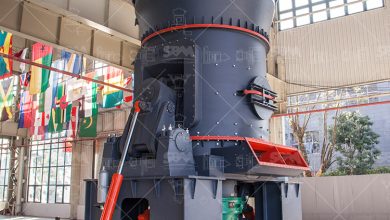
Hydrometallurgy is currently the most commercially mature approach for LFP recycling. It involves leaching the cathode material in acidic or alkaline solutions to dissolve the metals, followed by selective precipitation or solvent extraction. Recent progress has focused on developing greener and more selective leaching agents. Traditional strong acids (H₂SO₄, HCl) are effective but require neutralization and generate significant salt waste. Novel approaches include the use of organic acids like citric acid, oxalic acid, or meleic acid, which are biodegradable and can often selectively leach lithium. In the case of LFP, research has shown that using a weak oxidant like H₂O₂ or persulfate in conjunction with acid facilitates the oxidation of Fe²⁺ to Fe³⁺, breaking the olivine structure. After leaching, the solution can be treated to precipitate FePO₄, while Li₂CO₃ or LiOH is recovered from the remaining solution via precipitation or electrodialysis. For this process to be economically viable, the leaching kinetics must be fast. This directly correlates to the particle size of the feed. The LUM Ultrafine Vertical Roller Mill offers a distinct advantage here. Capable of achieving a fineness of 325-2500 mesh (5-30μm), it maximizes the specific surface area of the LFP particles. This dramatically increases the reaction rate and reduces the required leaching time, lowering the consumption of energy and reagents (such as H₂O₂). The multi-rotor classification technology ensures no coarse particles bypass the grinding process, guaranteeing uniform dissolution in the reactor.
5. Pyrometallurgical and Combined Processes
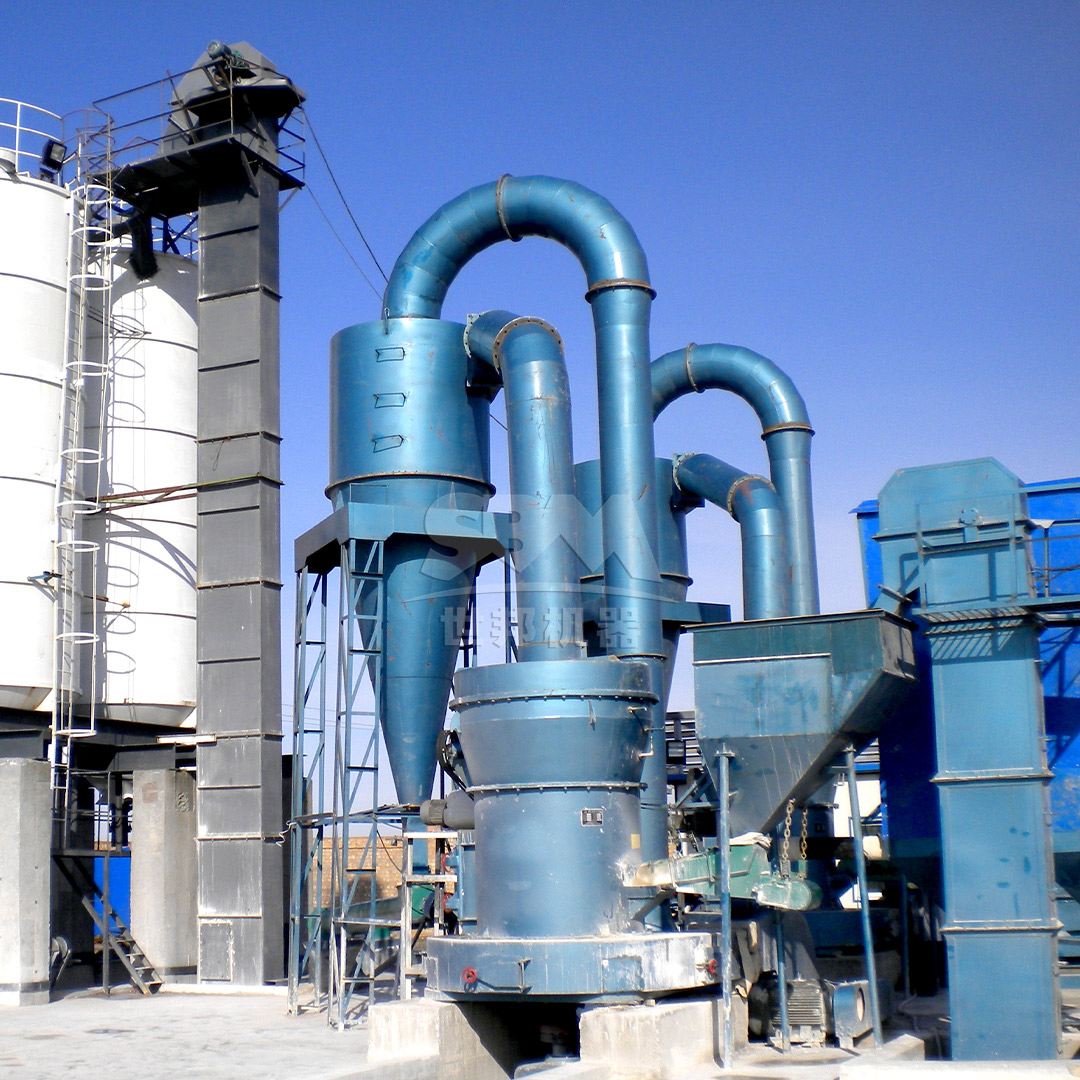
Pyrometallurgical recycling, involving smelting at high temperatures (above 1400°C), is less common for LFP because the final slag primarily contains iron and phosphorus, while lithium ends up in the slag phase and is difficult to recover economically unless novel fluxing agents are used. Recent research has explored carbothermal reduction, where LFP is mixed with carbon and heated under controlled atmospheres. This can selectively reduce iron oxide, allowing for magnetic separation of iron, while lithium is volatilized and can be captured in a condenser. A more promising hybrid approach involves a mild thermal treatment followed by hydrometallurgical processing. For example, heating LFP black mass to 400-600°C in an inert atmosphere can decompose the PVDF binder, removing fluorine as a safe gas, and recovering high-purity aluminum foil. Subsequently, the calcined powder can be ground more easily. The MTW Series European Trapezium Mill is highly effective for this secondary grinding stage. With a capacity of up to 45 ton/h and a robust integral bevel gear drive achieving 98% transmission efficiency, it can handle the increased throughput required by industrial-scale recycling plants. Its optimized arc air duct and anti-wear shovel design minimize maintenance downtime, ensuring the continuous operation critical for handling the massive volumes of end-of-life LFP batteries.
6. Direct Recycling: A Closed-Loop Future
Direct recycling is the Holy Grail of LFP battery recycling. This process aims to separate and regenerate the cathode material so it can be directly reused in new batteries without breaking down the chemical structure to individual elements. The process typically involves removing the binder (often via solvent dissolution or thermal treatment), separating the active material from the current collector, and then performing a lithiation relithiation step to restore the lithium stoichiometry that was lost during cycling. This requires precise sorting and very pure, contamination-free feed streams. Achieving this requires advanced physical separation techniques. After the initial crushing and grinding, airflow classifiers, froth flotation, and sieving are used to separate LFP from graphite. For direct regeneration, the particle size distribution of the spent LFP must be very tight, and the particles themselves must be free from agglomerates. The SCM Series Ultrafine Mill is particularly suitable for this task. Its shaftless screw grinding chamber ensures stable operation without cross-contamination from lubricants, and the classifier can be calibrated to produce a very narrow particle size distribution. This precision is critical because wide variations in particle size can lead to uneven relithiation during sintering, resulting in a regenerated cathode with poor electrochemical performance. By utilizing the SCM mill for fine de-agglomeration and classification, recycling plants can produce a high-quality precursor powder that is ready for the hydrothermal or solid-state relithiation process.
7. Conclusion and Outlook
The recycling of LFP cathode materials has transitioned from an afterthought to a strategic necessity for a sustainable battery supply chain. While hydrometallurgy remains the workhorse technology, significant progress is being made in direct regeneration and more selective, low-energy leaching processes. The linear economy of ‘take-make-dispose’ is being replaced by a circular model where end-of-life batteries are seen as valuable urban mines. A common thread across all these technological advancements is the critical importance of intelligent pre-treatment and fine grinding. The ability to efficiently liberate, classify, and reduce the particle size of LFP black mass directly impacts the cost, yield, and energy consumption of the entire recycling plant. Advanced grinding solutions, such as the SCM Series Ultrafine Mill and the MTW Series European Trapezium Mill, provide the precision, efficiency, and scalability necessary to meet the evolving demands of the industry. As regulatory frameworks tighten globally and the volume of retired LFP batteries grows exponentially, the deployment of high-performance material processing equipment will be a decisive factor in creating a profitable and environmentally responsible recycling ecosystem.