Prospects of Barite Powder Processing Plants: Market Trends and Future Opportunities
Introduction
Barite (barium sulfate, BaSO4) is a critical industrial mineral widely used in oil and gas drilling fluids, paints, plastics, rubber, pharmaceuticals, and radiation shielding. As global energy demand rises and deep-well drilling expands, the need for high-quality barite powder—with strict specifications on fineness, density, and purity—is growing rapidly. This article examines the market trends shaping the barite powder processing industry and explores future opportunities, while highlighting advanced milling technologies that enable efficient production.
Market Trends Driving Barite Powder Demand
1. Oil and Gas Drilling Expansion
The oil and gas sector remains the largest consumer of barite, accounting for over 80%% of total demand. Barite is used as a weighting agent in drilling muds to control downhole pressure and prevent blowouts. With increasing exploration in deep-water and ultra-deep reservoirs—particularly in the Gulf of Mexico, North Sea, and Middle East—the demand for API-grade barite powder (specific gravity ≥4.2, fineness 200-325 mesh) is surging. This trend is expected to continue as global energy consumption rises and new drilling technologies require higher density muds.
2. Infrastructure and Construction Growth
Barite is used in heavy concrete for radiation shielding in hospitals, nuclear power plants, and research facilities. As urbanization accelerates in developing countries—especially in Asia and Africa—the construction of medical centers and infrastructure projects is boosting demand for high-density concrete containing barite aggregates. Additionally, barite is used in paints, coatings, and plastics to improve opacity, brightness, and chemical resistance.
3. Chemical and Pharmaceutical Applications
In the chemical industry, barite serves as a filler for rubber and plastics, improving mechanical properties and reducing costs. Pharmaceutical-grade barite is used in medical imaging as a contrast agent for X-ray and CT scans. Stringent purity and particle size requirements (as fine as 5-10 μm) create opportunities for ultrafine grinding technologies.
4. Environmental Regulations and Quality Standards
Increasingly strict environmental regulations worldwide are pushing barite processors to adopt cleaner, more energy-efficient production methods. Dust emissions, noise levels, and energy consumption are under scrutiny. Companies investing in advanced milling equipment with pulse dust collectors, intelligent control systems, and low-energy designs gain a competitive edge.
Challenges in Barite Powder Processing
Barite is a relatively soft mineral (Mohs hardness 3-3.5) but has high specific gravity (4.2-4.5 g/cm³). Processing it efficiently presents several challenges:
- High wear rates: The abrasive nature of barite accelerates wear on grinding components, increasing maintenance costs and downtime.
- Particle size control: Oil drilling requires consistent 200-325 mesh powder, while chemical applications demand ultrafine grades below 10 μm. Precise classification is essential.
- Energy consumption: Traditional ball mills and jet mills consume large amounts of energy, raising operational costs.
- Environmental compliance: Dust and noise emissions must meet local regulations, requiring sophisticated filtration and soundproofing systems.
To address these challenges, modern barite processing plants are turning to advanced grinding technologies that combine high efficiency, durability, and environmental friendliness. One such solution is the SCM Series Ultrafine Mill, designed specifically for fine and ultrafine powder production.
Technological Innovations in Barite Grinding
SCM Series Ultrafine Mill
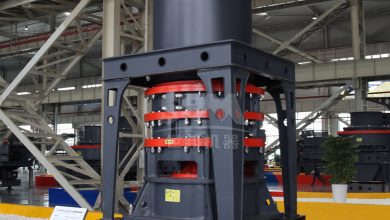
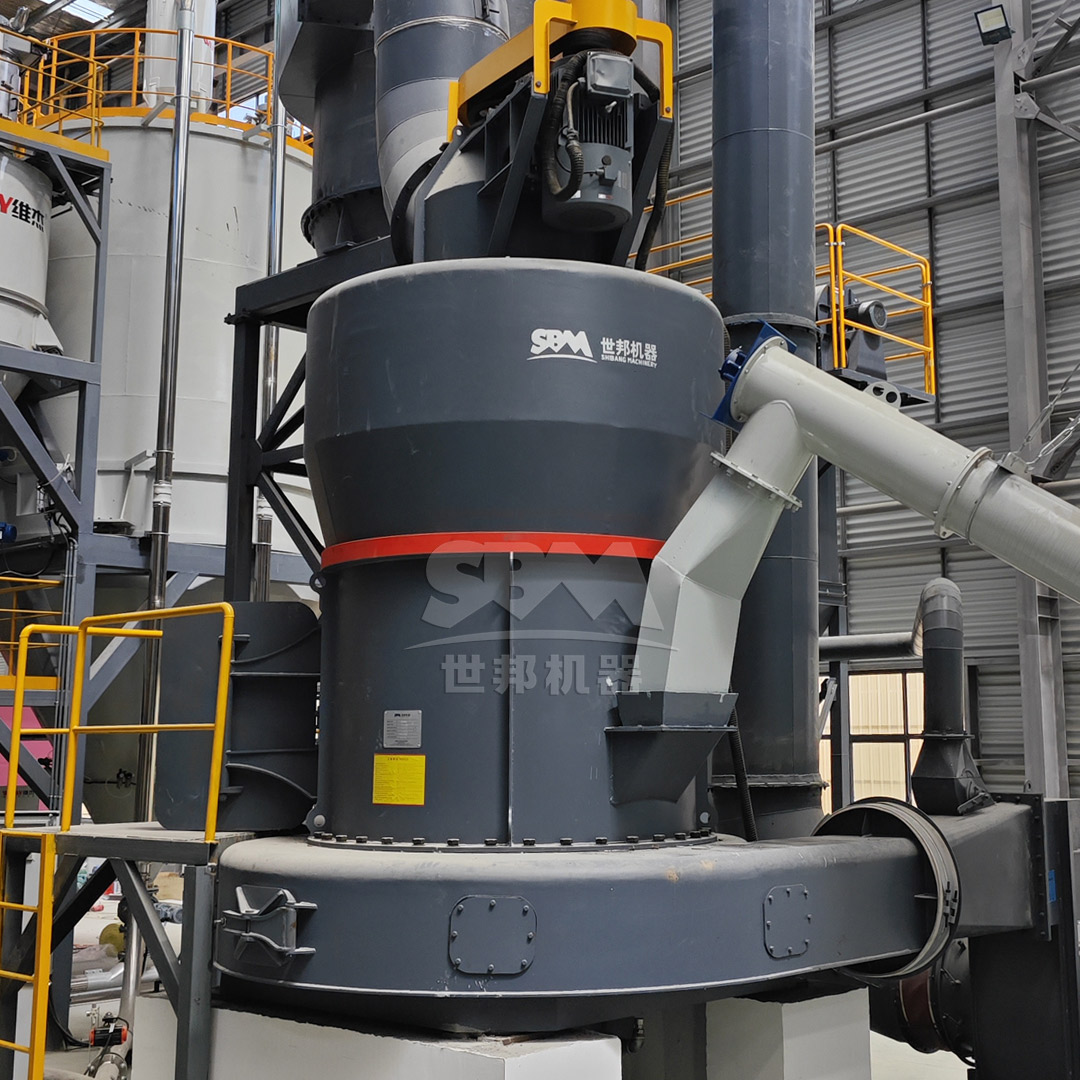
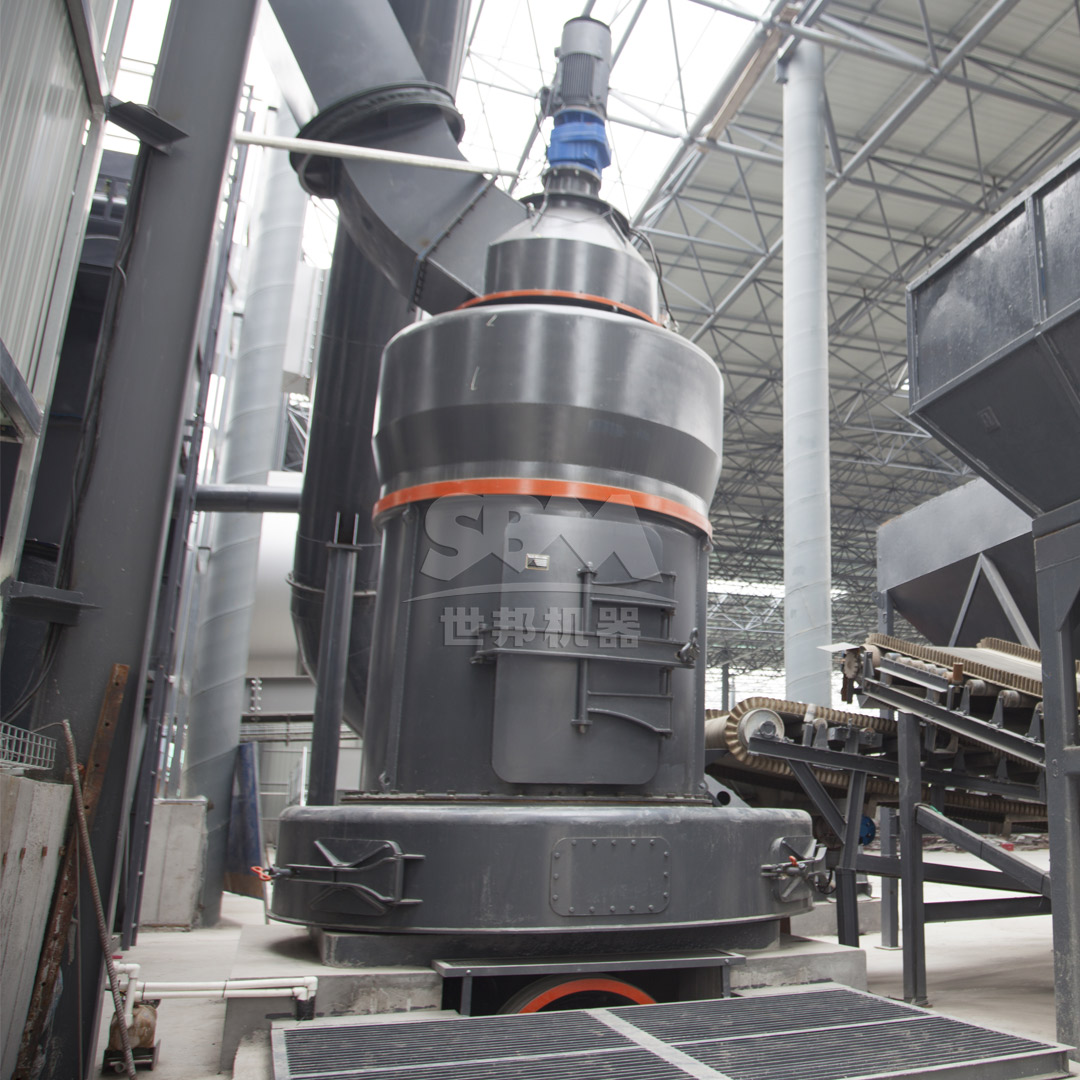
The SCM Series Ultrafine Mill is a high-efficiency grinding machine ideal for producing barite powder in the 325-2500 mesh range (45-5 μm). Its core advantages include:
- High capacity: Twice that of jet mills, with 30%% lower energy consumption.
- Intelligent control: Automatic feedback adjusts grinding parameters for consistent product quality.
- Precise classification: Vertical turbine classifier ensures no coarse powder mixing, delivering uniform finished products.
- Durable construction: Special wear-resistant rollers and rings extend service life, reducing maintenance costs.
- Eco-friendly: Pulse dust collection system achieves emission levels below international standards, and soundproof room design keeps noise at comfortable levels.
Models range from SCM800 (capacity 0.5-4.5 t/h, main power 75 kW) to SCM1680 (capacity 5.0-25 t/h, main power 315 kW), accommodating both small-scale and large-scale processing plants.
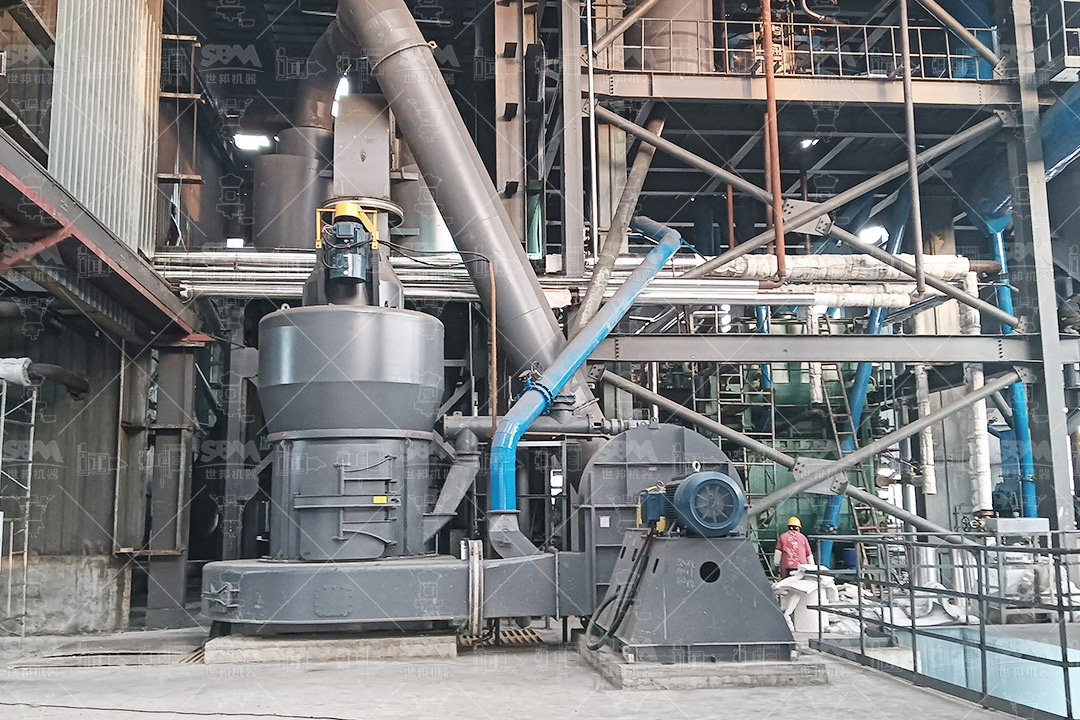
For applications requiring coarser barite powder (30-325 mesh, 600-45 μm), the MTW Series European Trapezium Mill is an excellent choice. It features an anti-wear shovel design, optimized arc air duct, integral bevel gear drive (efficiency up to 98%%), and wear-resistant volute structure that reduces maintenance costs by 30%%. Capacities range from 3 t/h (MTW110) to 45 t/h (MTW215G/MTW218), making it suitable for large-scale operations.
Future Opportunities in Barite Processing
1. Ultrafine Barite for Specialty Markets
The growing demand for high-value barite grades (fineness >1000 mesh, purity >97%%) in paints, plastics, rubber, and pharmaceuticals presents significant opportunities. Ultrafine barite enhances product performance—improving gloss, opacity, and chemical resistance—and commands premium pricing. Advanced mills like the SCM Series can efficiently produce these fine grades.
2. Automation and Industry 4.0
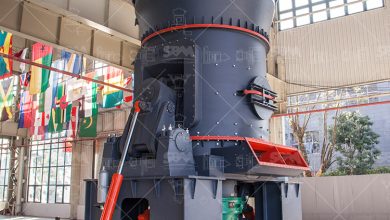
Smart processing plants with expert-level auto-control systems, real-time monitoring, and remote diagnostics reduce labor costs and improve product consistency. Mills with PLC-based feedback loops, like the LM Series Vertical Roller Mill, enable automatic adjustment of grinding pressure, classifier speed, and airflow. These capabilities are crucial for meeting stringent quality specifications and reducing operational risks.
3. Sustainability and Green Production
Energy-efficient grinding technologies—such as vertical roller mills (30-40%% lower energy consumption than ball mills) and ultrafine mills (30%% less energy than jet mills)—are becoming essential for compliance with carbon emission targets. Integrated systems that combine crushing, grinding, and classification in one unit also reduce floor space and infrastructure costs, making plants easier to locate near mining sites or markets.
4. Regional Market Expansion
The Middle East and Asia-Pacific regions are poised for rapid growth in barite consumption due to expanding oil drilling and construction activities. Establishing local grinding plants with efficient equipment reduces logistics costs and ensures product quality. The MTW Series, with its robust design and high capacity, is particularly suitable for these projects.
Conclusion
The barite powder processing industry is evolving rapidly, driven by strong demand from oil drilling, construction, and specialty chemical markets. To succeed in this competitive landscape, companies must invest in modern milling technologies that offer high efficiency, precise particle size control, low energy consumption, and environmental compliance. The SCM Series Ultrafine Mill and MTW Series European Trapezium Mill are proven solutions that deliver superior performance for barite grinding applications, helping processors maximize profitability while meeting the highest quality standards. Embracing automation, sustainability, and innovation will unlock future growth opportunities in this dynamic sector.