The Application of Attapulgite in Agriculture and Environmental Remediation
1. Introduction
Attapulgite, also known as palygorskite, is a naturally occurring magnesium-aluminum silicate clay mineral with a unique needle-like, fibrous crystal structure. This distinctive morphology endows attapulgite with a high specific surface area, excellent cation exchange capacity, and remarkable adsorption and rheological properties. Unlike other common clays such as bentonite or kaolin, attapulgite’s one-dimensional nanorod structure creates internal channels and a porous network, making it an exceptionally versatile material for a wide range of industrial applications. In recent years, its potential in sustainable agriculture and environmental protection has garnered significant global attention. This article explores the critical roles attapulgite plays in these two vital sectors, highlighting how advanced processing technologies can unlock its full potential.
2. Attapulgite in Agriculture: Enhancing Soil and Crop Health
The application of attapulgite in agriculture is multifaceted, primarily focusing on soil improvement, slow-release fertilizers, and animal feed additives.
2.1 Soil Conditioner and Remediation
Intensive agricultural practices often lead to soil degradation, including acidification, salinization, and heavy metal contamination. Attapulgite acts as an excellent soil amendment. Its high adsorption capacity allows it to bind to heavy metal ions like cadmium (Cd), lead (Pb), and arsenic (As), reducing their bioavailability and preventing their uptake by crops. Furthermore, its high water-holding capacity improves soil structure, particularly in sandy soils, reducing water runoff and erosion. In saline-alkali soils, attapulgite can help mitigate salt stress by adsorbing sodium ions, thereby lowering the soil’s electrical conductivity and creating a more favorable environment for plant growth.
2.2 Carrier for Slow-Release Fertilizers and Pesticides
Conventional fertilizers suffer from low nutrient use efficiency due to rapid leaching and volatilization. Attapulgite’s porous structure makes it an ideal carrier for creating slow-release formulations. Nutrients such as nitrogen (N), phosphorus (P), and potassium (K) can be intercalated or adsorbed onto the attapulgite matrix. When applied to soil, these nutrients are released gradually, synchronizing with plant uptake demands. This not only boosts crop yields but also significantly reduces environmental pollution caused by agricultural runoff. Similarly, attapulgite can encapsulate pesticides, prolonging their efficacy and reducing the frequency of application.
2.3 Feed Binder and Mycotoxin Adsorbent
In animal husbandry, attapulgite is widely used as a pellet binder in feed manufacturing. Its binding properties improve pellet durability and reduce feed waste. More importantly, it acts as a powerful mycotoxin binder. Mycotoxins, such as aflatoxins produced by fungi, are common contaminants in animal feed and pose serious health risks to livestock. Attapulgite’s high surface area and specific surface charge allow it to effectively adsorb these toxic molecules in the gastrointestinal tract, preventing their absorption into the bloodstream and protecting animal health and productivity.
3. Attapulgite in Environmental Remediation: A Green Solution
The unique adsorptive and catalytic properties of attapulgite make it a highly promising material for addressing various environmental challenges.
3.1 Wastewater Treatment
Industrial and municipal wastewater contains a plethora of pollutants, including heavy metals, dyes, organic compounds, and phosphates. Attapulgite-based adsorbents have proven highly effective in removing these contaminants. Its negatively charged surface can attract and bind cationic heavy metals like Cu²⁺, Zn²⁺, and Cr³⁺. Modified attapulgite, for instance by acid activation or organic surfactant intercalation, can also be tailored to remove anionic pollutants and hydrophobic organic dyes. This makes it a cost-effective and eco-friendly alternative to expensive activated carbon for many wastewater treatment applications. After adsorption, the pollutant-laden attapulgite can often be regenerated or safely disposed of through stabilization/solidification processes.
3.2 Air Pollution Control
Attapulgite’s high specific surface area also makes it suitable for air purification. It can be used as a filter medium to remove particulate matter (PM2.5 and PM10) and gaseous pollutants like volatile organic compounds (VOCs) and ammonia. In industrial settings, attapulgite-based catalysts and catalyst supports are being developed for the catalytic oxidation of harmful gases, converting them into less harmful substances. Its thermal stability and chemical inertness further enhance its suitability for high-temperature exhaust gas treatment.
3.3 Soil and Sediment Remediation
In situ remediation of contaminated soil and sediment is a major challenge. Attapulgite can be directly injected or mixed into contaminated zones to immobilize pollutants. For example, in a site contaminated with industrial solvents or heavy metals, attapulgite injection can create a permeable reactive barrier that adsorbs and traps the contaminants, preventing their migration into groundwater. This technology, often referred to as soil stabilization/solidification (S/S), is a well-established and cost-effective method for managing polluted land.
4. Enhancing Attapulgite Performance with Advanced Grinding Technology
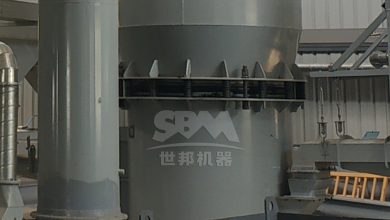
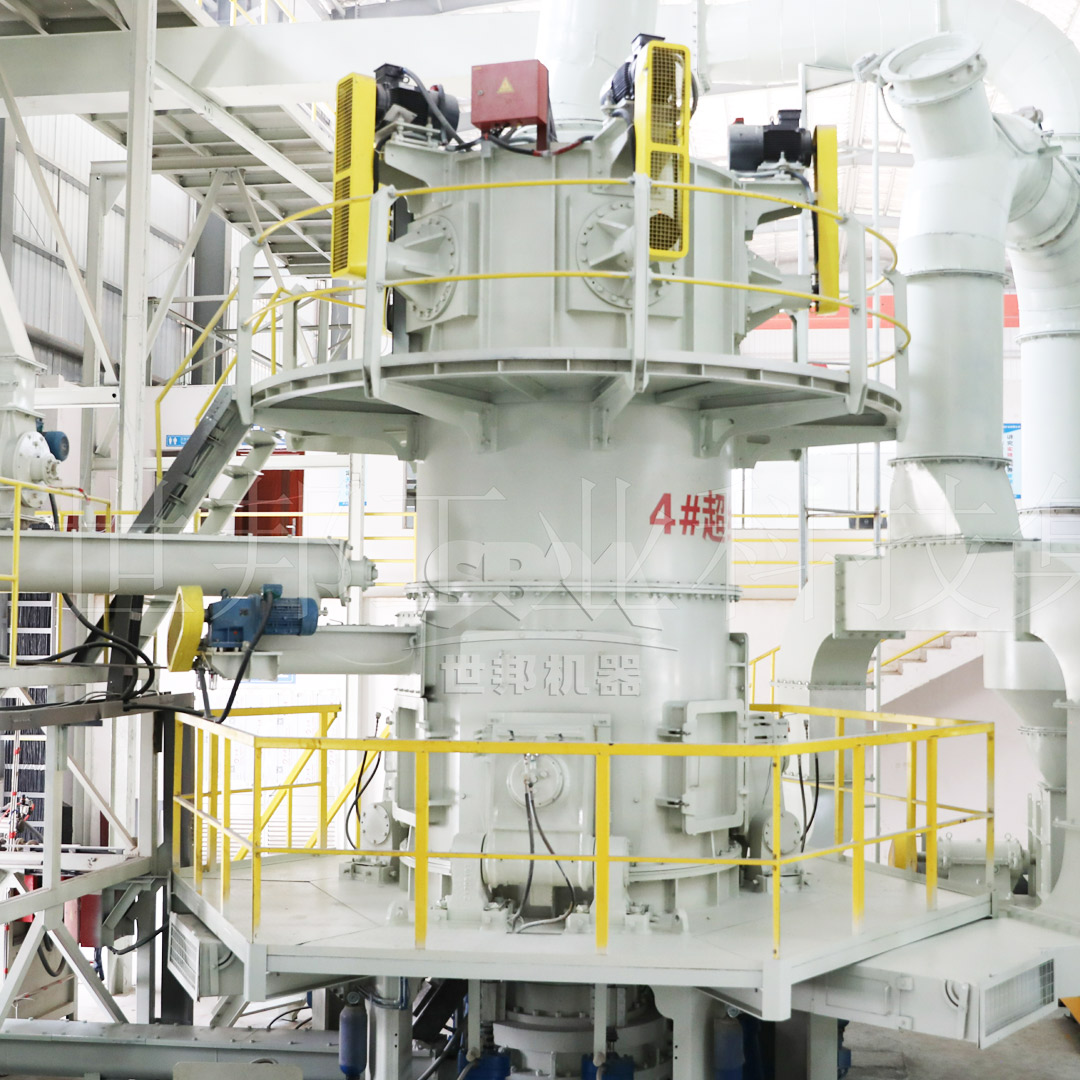
The efficacy of attapulgite in both agriculture and environmental applications is directly dependent on its particle size, specific surface area, and uniformity. Raw attapulgite ore typically requires processing to achieve the desired fineness and reactivity. This is where advanced grinding and classification technologies from SBM become critical. By precisely controlling the particle size distribution, we can dramatically enhance the material’s adsorption capacity, rheological properties, and reactivity. For ultra-fine applications requiring exceptional performance, we recommend the SCM Series Ultrafine Mill.
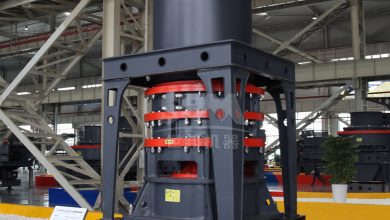
4.1 Recommended Product: SCM Series Ultrafine Mill
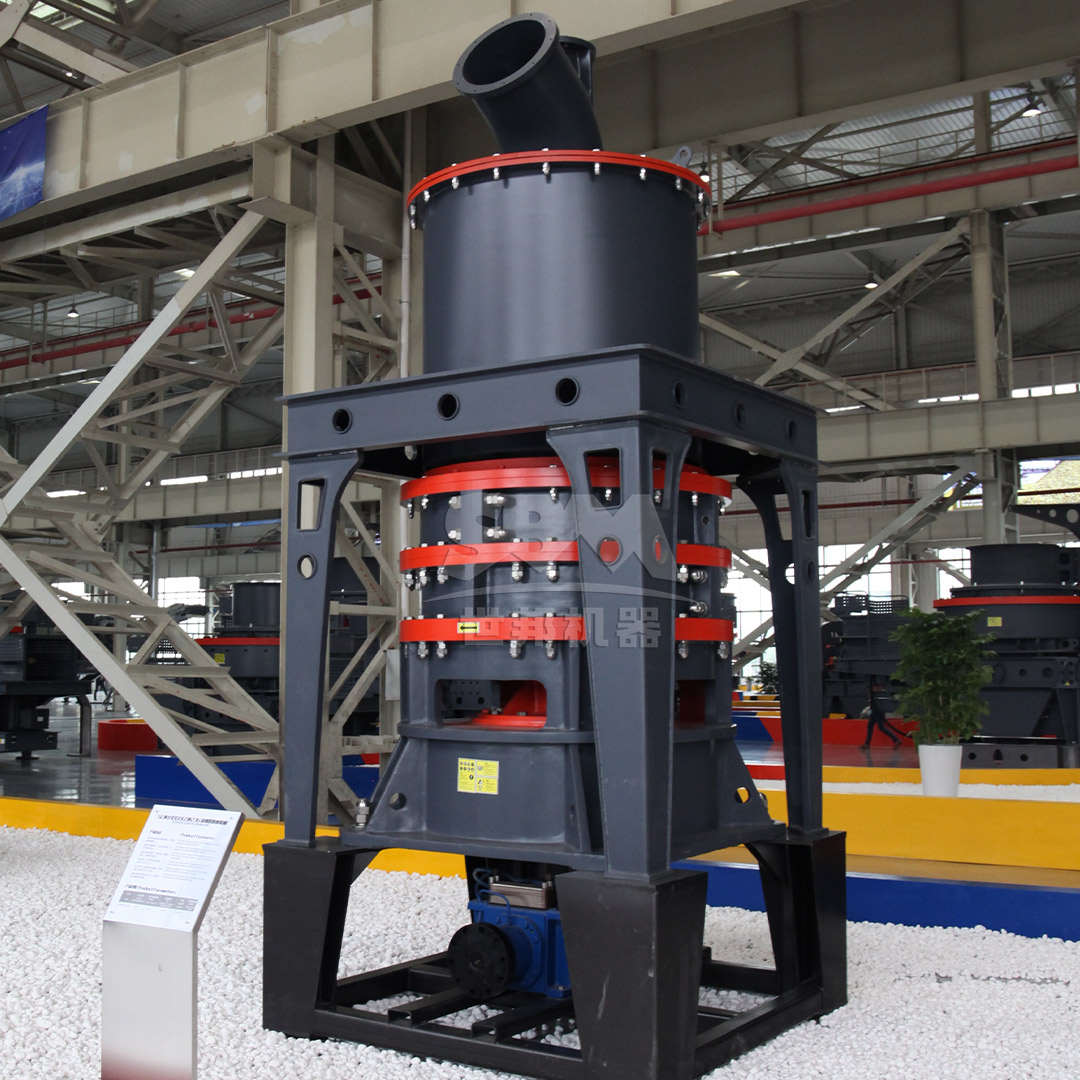
The SCM Series Ultrafine Mill is the perfect solution for producing high-value attapulgite powders with a fineness range of 325-2500 mesh (45-5μm). This mill utilizes a three-layer grinding ring design that generates intense centrifugal force, efficiently crushing and grinding the material layer by layer. The vertical turbine classifier ensures high-precision particle size cutting, guaranteeing a uniform final product with no coarse particle contamination – a critical factor for high-performance adsorbents. With a capacity 2x that of jet mills and 30% lower energy consumption, the SCM series is both highly efficient and economical. Its intelligent control system provides automatic feedback on finished product granularity, ensuring consistent quality. Models such as the SCM800 (0.5-4.5t/h) or the SCM1680 (5-25t/h) can be matched to different production scales. The pulse dust collection system ensures an eco-friendly, low-noise operation, meeting the highest international standards. For applications needing ultra-fine attapulgite powder, the SCM series is the industrial workhorse.
4.2 Product Selection for Different Applications
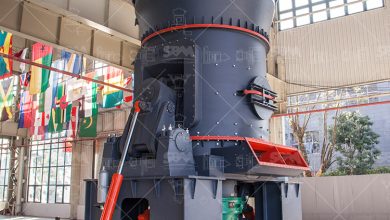
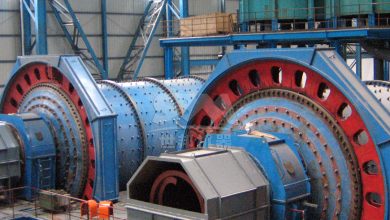
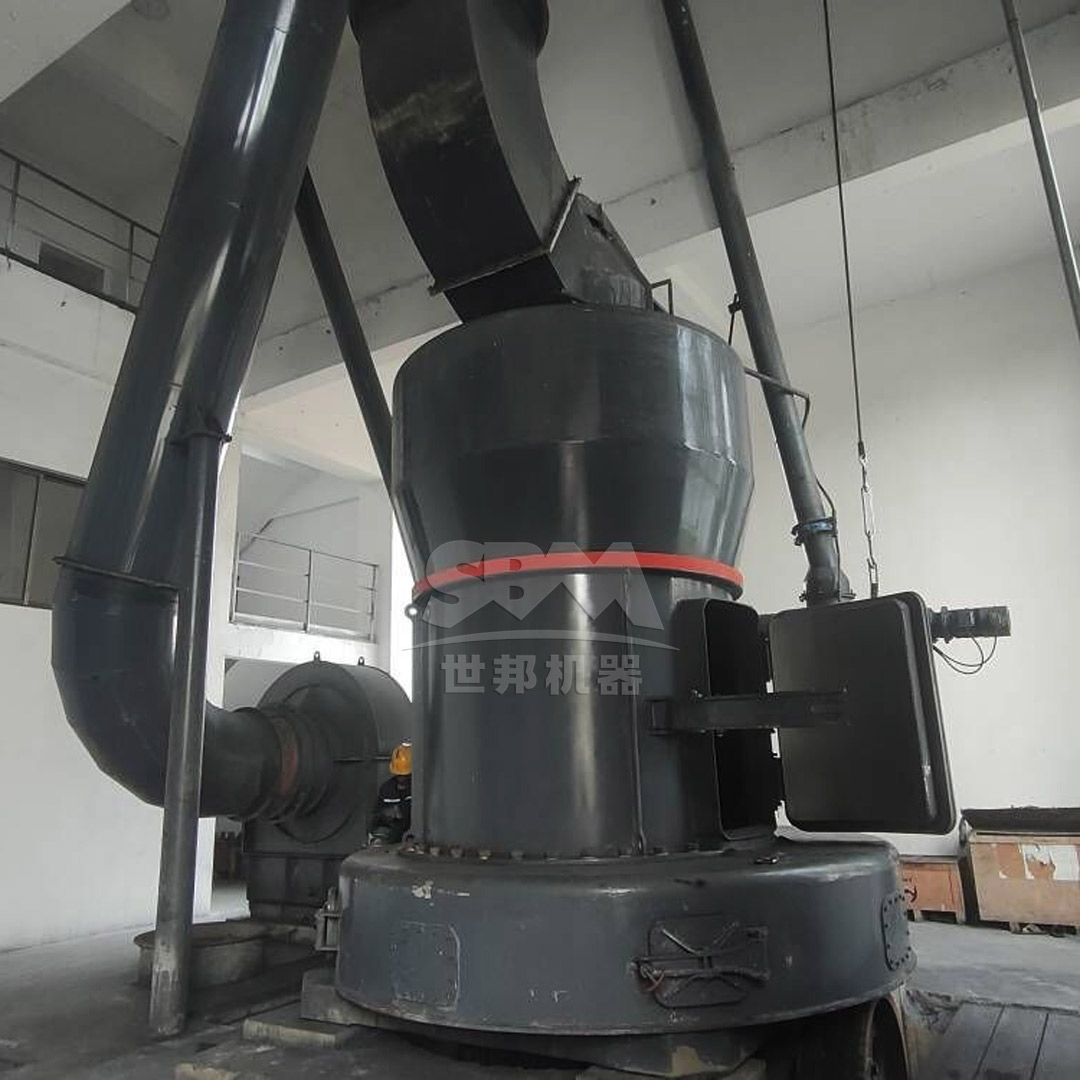
While the SCM series is ideal for ultra-fine powders, other applications may benefit from different processing equipment. For instance, if attapulgite is being used as a general soil conditioner or feed binder where a coarser powder (e.g., 30-325 mesh) is sufficient, the MTW Series European Trapezium Mill or the LM Series Vertical Roller Mill offer excellent efficiency and high capacity. The MTW series, with its integral bevel gear drive (98% transmission efficiency) and anti-wear shovel design, is a robust choice for medium-fineness grinding. For large-scale production, the LM vertical roller mill integrates crushing, grinding, and drying, reducing floor space and energy consumption by up to 40% compared to traditional ball mill systems. The choice of mill depends on the target application for the attapulgite product.
5. Conclusion
Attapulgite stands as a remarkable natural mineral with vast potential to address some of the most pressing challenges in sustainable agriculture and environmental remediation. From improving soil health and creating smart fertilizers to cleaning up polluted water and air, its applications are diverse and impactful. The key to unlocking this potential lies in effective processing. By utilizing advanced grinding mills like the SCM Series Ultrafine Mill and the MTW Series Trapezium Mill, industries can produce attapulgite powders with precisely controlled characteristics, maximizing their performance for specific applications. As global demand for green, efficient, and sustainable materials continues to rise, attapulgite, enhanced by modern engineering, is poised to play an increasingly vital role.