Why Is Coating-Grade Titanium Dioxide So Hard to Grind? What Mill Is Best for TiO2?
Understanding the Challenge: The Unique Properties of Coating-Grade TiO2
Titanium Dioxide (TiO2) is the premier white pigment used in coatings, paints, plastics, and paper. Its unparalleled brightness, high refractive index, and opacity make it indispensable. However, coating-grade TiO2 is notoriously difficult to grind. To understand why, we must first look at the material itself. TiO2 particles intended for high-performance coatings must be extremely fine, typically in the sub-micron to micron range (less than 1 micrometer). This fineness is critical for maximizing light scattering and achieving optimal hiding power.
The primary reason TiO2 is hard to grind lies in its crystal structure and the physical forces at play. The most common forms, rutile and anatase, are relatively hard minerals (Mohs hardness of 6.0-6.5). More importantly, during the final stages of grinding, the particles become so small that Van der Waals forces and electrostatic attraction become dominant. These forces cause the ultra-fine particles to agglomerate or re-agglomerate almost as quickly as they are separated. The grinding process must overcome not only the fracture energy of the crystal lattice but also these powerful surface adhesion forces.
The ‘Over-Grinding’ Trap and Particle Size Distribution
A common mistake in TiO2 grinding is assuming that more energy input equals better results. Conventional ball mills, for instance, can apply extreme impact forces. However, this often leads to ‘over-grinding’ – creating a population of very fine particles that immediately re-agglomerate. This results in a broad, non-ideal particle size distribution. For coating applications, a very tight, uniform distribution is required. Coarse particles (above 1 micron) reduce opacity and gloss, while excessively fine ‘dust’ particles (below 0.2 microns) contribute little to light scattering and increase binder demand, ruining the coating’s performance. Therefore, the ideal mill for TiO2 must not only achieve extreme fineness but must also have a highly efficient classification system to remove finished product instantly and prevent over-grinding.
Why Jet Mills Fall Short: The Energy Dilemma
For decades, jet mills (fluid energy mills) have been the standard choice for ultra-fine grinding of materials like TiO2. They use high-speed compressed air or steam to cause particle-on-particle collisions. While they can achieve the required fineness (d97 < 5µm), they are notoriously inefficient. Energy consumption is extremely high, and the process generates significant heat. More critically, the grinding chamber offers no internal classification. The mill relies on a separate, external classifier to separate fines from coarse particles. This system is prone to the very re-agglomeration problem mentioned earlier, leading to inconsistent product quality. The high operating costs and low throughput of jet mills make them a less than optimal solution for high-volume TiO2 production.
Introducing the Superior Solution: Roller Mill Technology
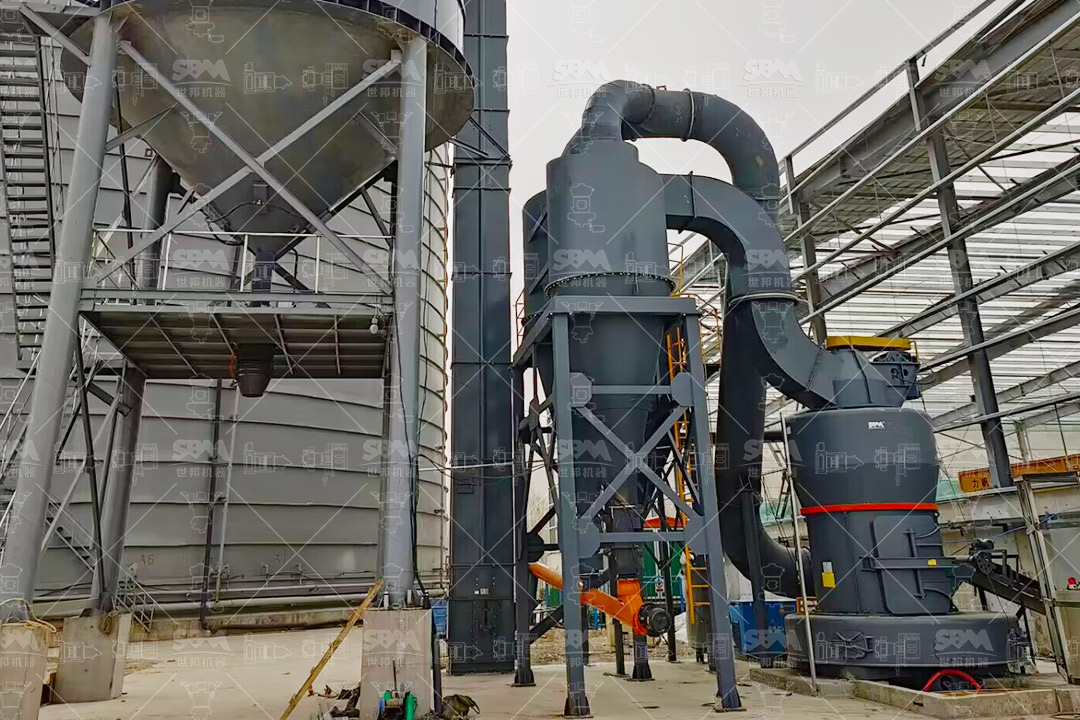
The limitations of jet mills have led innovators to develop more efficient technologies. Our company’s extensive research has shown that advanced roller mill designs, specifically those employing a bed-of-material grinding principle combined with high-precision, multi-stage classification, offer a revolutionary alternative. These mills are not only more energy-efficient but also deliver a more consistent, higher-quality product. Two of our best solutions for coating-grade TiO2 grinding are the SCM Series Ultrafine Mill and the LUM Ultrafine Vertical Roller Mill.
Why Choose a Roller Mill over a Jet Mill?
- Energy Efficiency: Our SCM and LUM mills consume up to 30-40% less energy than a jet mill for the same final fineness. The SCM Series, for example, achieves a capacity 2x that of traditional jet mills with 30% lower energy consumption.
- Controlled Grinding: The pressure in a roller mill is precisely controlled, grinding the material layer-by-layer. This avoids generating excess fine ‘dust’ and reduces re-agglomeration.
- Integrated Classification: These mills feature an integrated, high-precision classifier. The SCM’s vertical turbine classifier and the LUM’s multi-rotor technology ensure that only particles meeting the exact size specification leave the mill. Coarse particles are immediately returned for further grinding.
Case Study 1: SCM Series Ultrafine Mill for Ultra-Fine Finishing
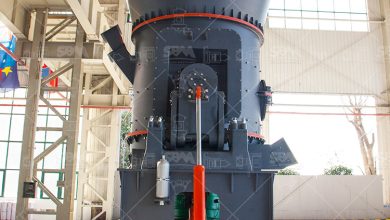
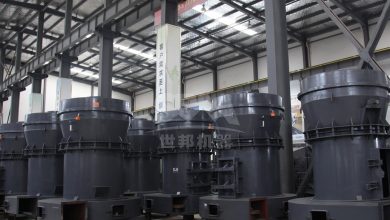
For applications requiring the absolute finest particle sizes (325-2500 mesh, or down to 5 microns), the SCM Series Ultrafine Mill is our premier recommendation. Its working principle is uniquely suited for TiO2. The main motor drives three layers of grinding rings. Materials are dispersed into the grinding path by centrifugal force, and then crushed by roller pressure layer by layer. The key advantage is the combination of this layered grinding action with the vertical turbine classifier. This classifier provides a ‘sharp cut’ of the particle size, ensuring no coarse powder mixes into the final product. The SCM is an ideal choice for batch or modest-throughput production where precise fineness is paramount. Models like the SCM1000 (up to 8.5 t/h) and SCM1250 (up to 14 t/h) are perfectly sized for dedicated TiO2 grinding lines, offering a robust, intelligent, and eco-friendly solution.
Case Study 2: LUM Ultrafine Vertical Roller Mill for High-Volume Production
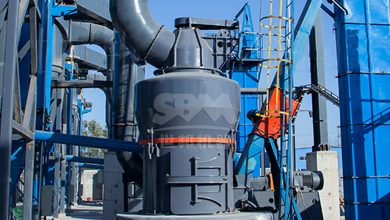
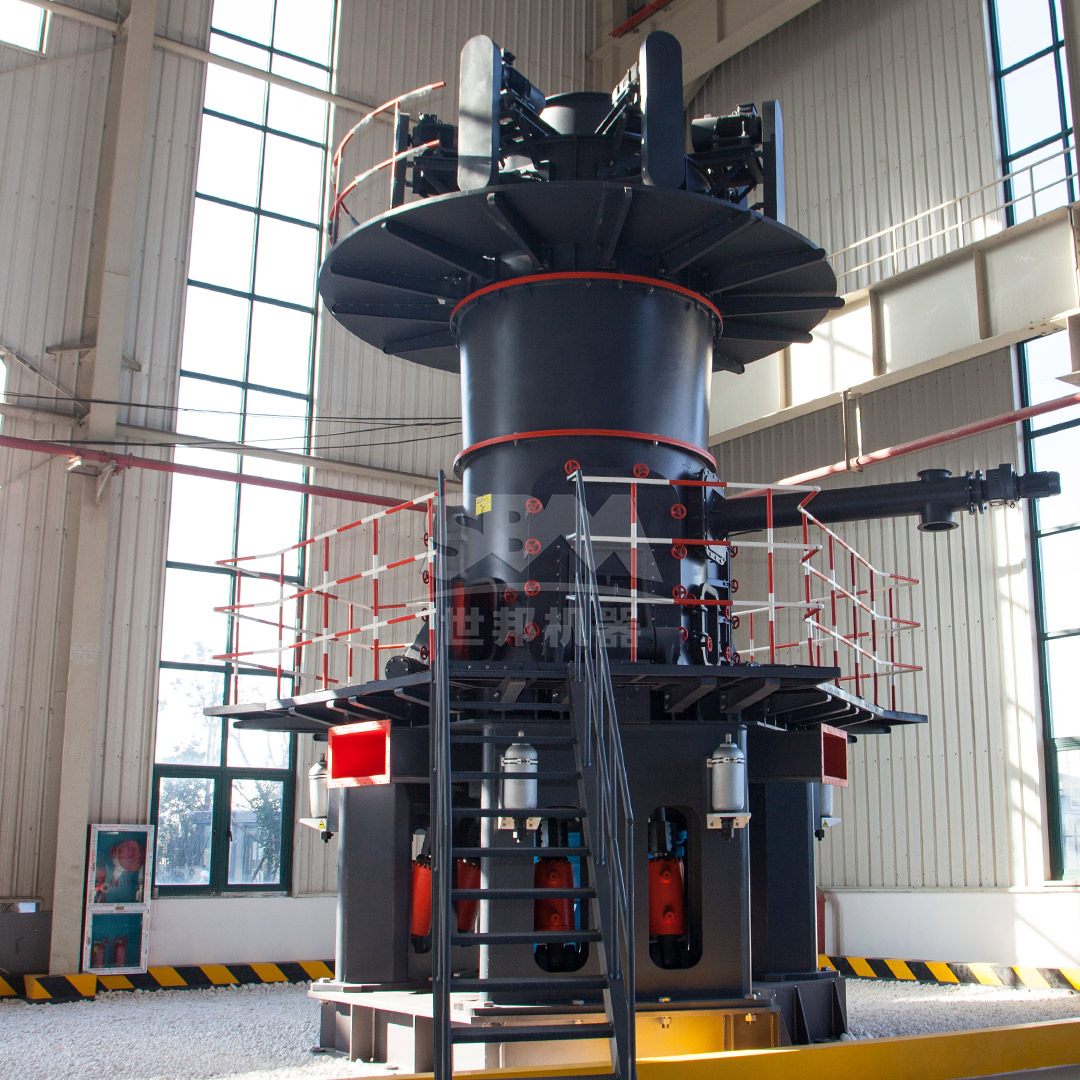
When high throughput and large-scale industrial production of TiO2 are required, the LUM Ultrafine Vertical Roller Mill is the superior choice. This mill is designed with a unique roller and grinding liner curve geometry that maximizes the ‘bed-of-material’ grinding efficiency. It also features advanced multi-rotor classification technology, which is even more effective at de-agglomerating ultra-fine particles than traditional classifiers. The LUM series operates under negative pressure, ensuring a completely dust-free environment. Its PLC automated control system allows for stable, uninterrupted operation. For a high-volume TiO2 plant, a mill like the LUM1836 (with a main power of up to 400kW) was specifically engineered to handle the demands of grinding such a challenging material. It processes output fineness in the 5-30 micron range, making it an excellent, all-in-one grinding and classification module for final product finishing.
Working Principle: A Tale of Two Powerful Technologies
While both mills are superior, it’s helpful to understand their distinct working principles.
SCM Ultrafine Mill Working Principle:
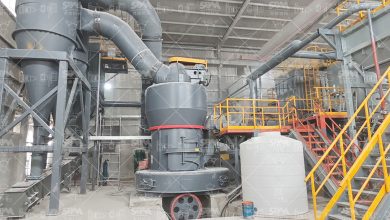
The main motor drives the central axis and the three-layer grinding rings. Material falls from the feeder onto the center of the turntable and is thrown outward by centrifugal force into the grinding zone between the roller and the ring. After being crushed and ground, the material is carried by the air stream to the integrated vertical turbine classifier. Coarse particles fall back to the millstone for re-grinding, while qualified fines pass through the classifier and are collected by a cyclone collector and a pulse dust collector.
LUM Ultrafine Vertical Roller Mill Working Principle:
The motor drives the grinding table to rotate through a reducer. Material is fed to the center of the rotating table and is ground between the rollers and the table by the centrifugal force. The ground material is taken up by the hot air flow to the separator. The separator’s multi-rotor system performs the final separation. Coarse particles are returned to the grinding table, and fine powder exits with the airflow to be collected by the dust collector system.
Summary: The Best Mill for TiO2
In conclusion, grinding coating-grade titanium dioxide is difficult due to its hardness, the dominance of surface forces at ultra-fine sizes, and the need for a highly uniform particle distribution. Jet mills, while capable, are energy-hungry and inefficient. The best solution is a modern roller mill with an integrated, high-precision classifier. Our company provides two exceptional options.
- For ultra-fine grinding (325-2500 mesh) and precise quality control, the SCM Series Ultrafine Mill is the ideal choice. Its intelligent control and high-efficiency classification make it a powerhouse of precision.
- For high-capacity, industrial-scale production, the LUM Ultrafine Vertical Roller Mill offers unparalleled efficiency, automation, and stability.
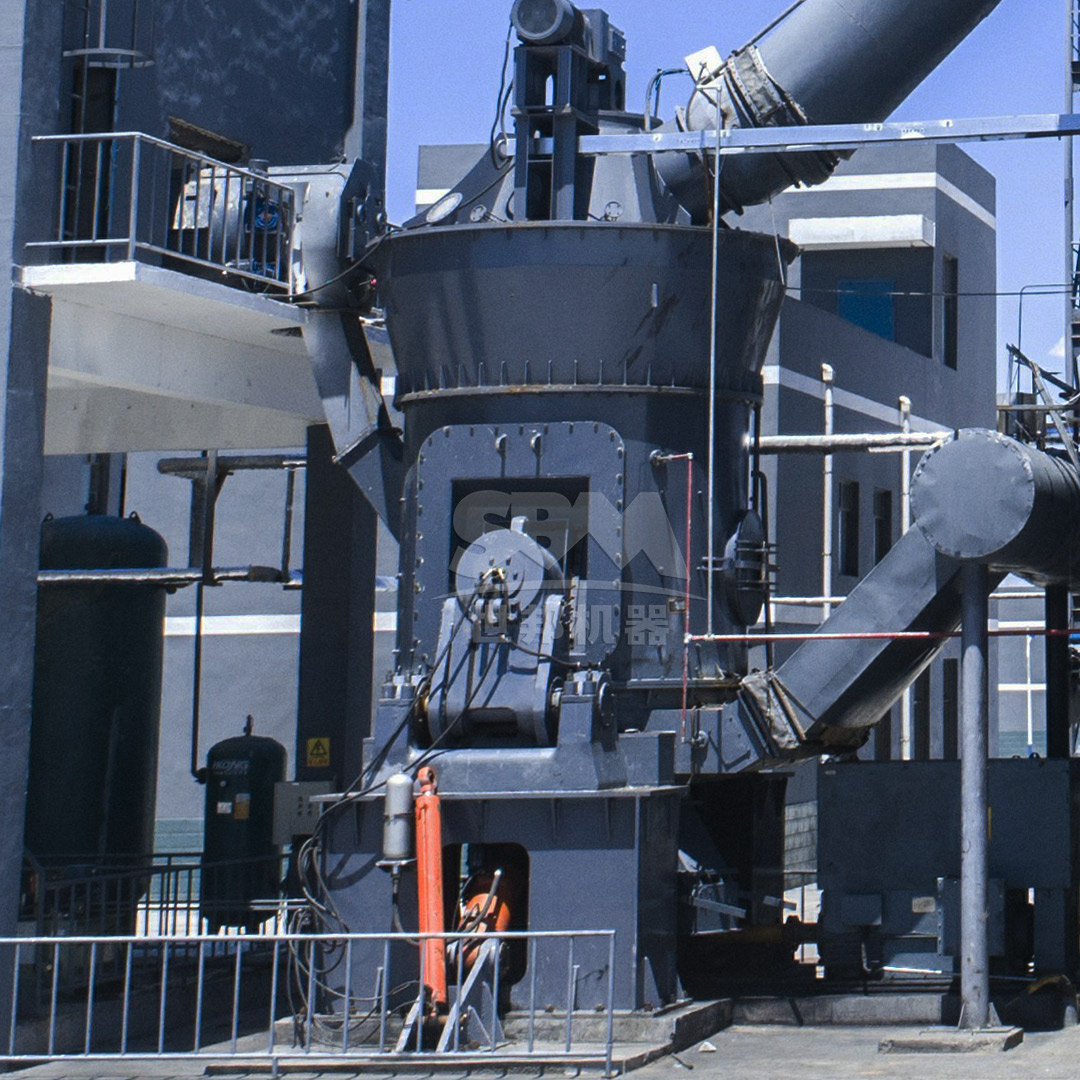
By adopting either the SCM or LUM series, TiO2 producers can overcome the historic challenges of grinding this essential pigment, achieving lower operating costs, higher yields, and a superior coating product that meets the most demanding specifications. Our mills are not just grinding tools; they are engineered systems designed to solve the unique problems of powder processing in the modern era.