Comprehensive Comparison of Dry and Wet Processing Methods for Ground Calcium Carbonate (GCC) Production
Introduction
Ground Calcium Carbonate (GCC) is one of the most widely used mineral fillers across industries such as plastics, paper, paints, coatings, adhesives, and construction. The production of GCC involves mechanical grinding of natural calcium carbonate (limestone, marble, or chalk) to achieve specific particle size distributions. Two primary processing routes dominate the industry: dry processing and wet processing. Each method offers distinct advantages and limitations regarding energy efficiency, product quality, capital investment, and environmental impact. This article provides a comprehensive comparison of dry and wet processing methods for GCC production, drawing on advanced milling technologies to illustrate best practices.
Dry Processing Method: Principles and Advantages
Dry processing is the most common method for GCC production, particularly for coarser to medium-fineness powders ranging from 600 μm down to 45 μm (30 to 325 mesh). The process involves crushing, grinding, classifying, and collecting the powder without the addition of water. The key equipment includes crushers, hammer mills, ball mills, Raymond mills, vertical roller mills, and ultrafine mills.
Energy Efficiency and Cost
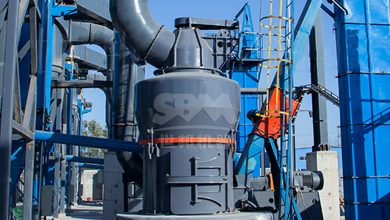
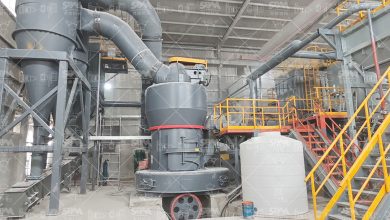
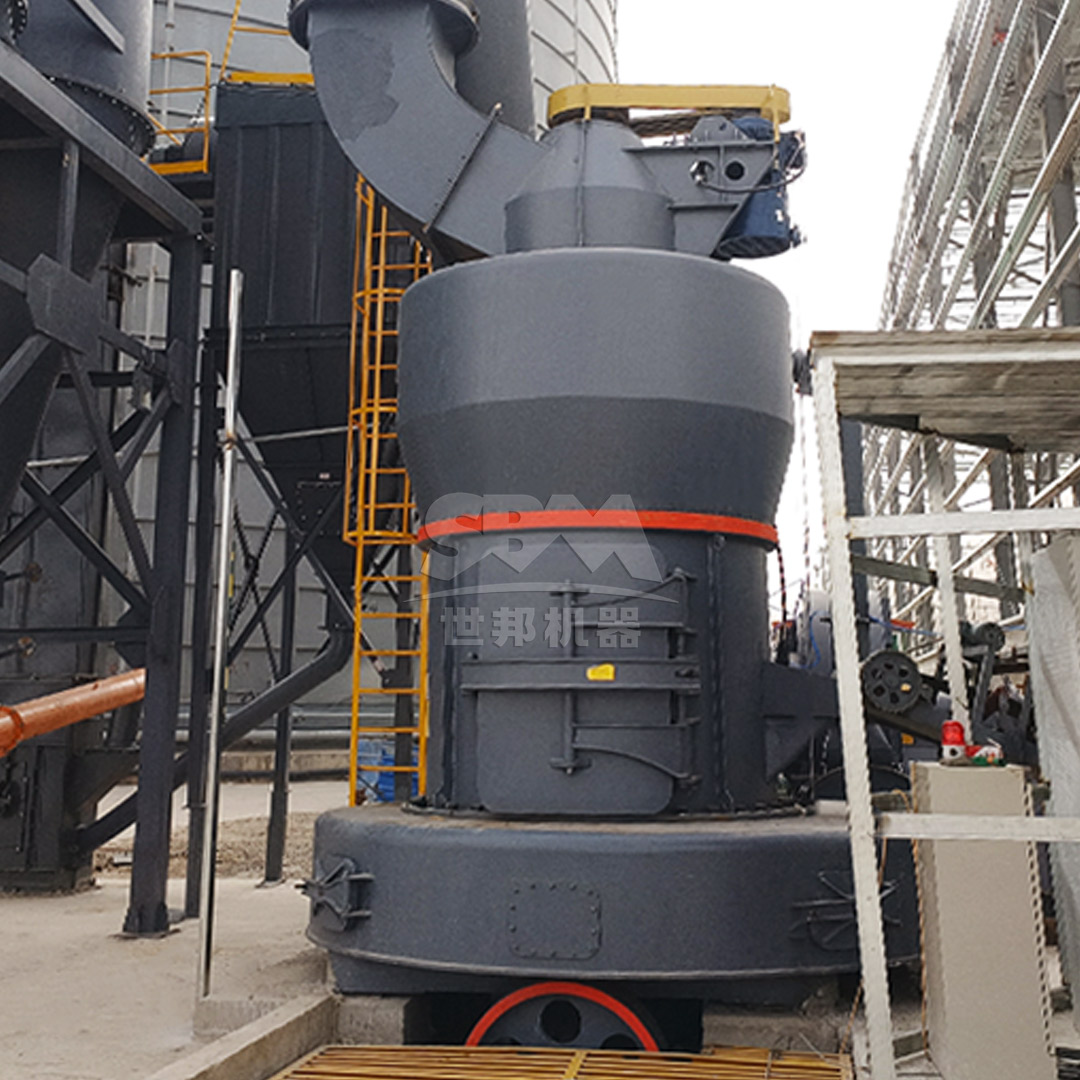
Dry grinding is generally more energy-efficient for producing particles above 10 μm. Modern dry mills incorporate advanced grinding principles such as inter-particle compression and bed grinding, which significantly reduce energy consumption. For instance, our LM Series Vertical Roller Mill integrates crushing, grinding, and classification into a single unit, reducing floor space by 50% and energy consumption by 30-40% compared to traditional ball mill systems. This integrated design also lowers infrastructure costs by enabling outdoor installation.
Product Characteristics
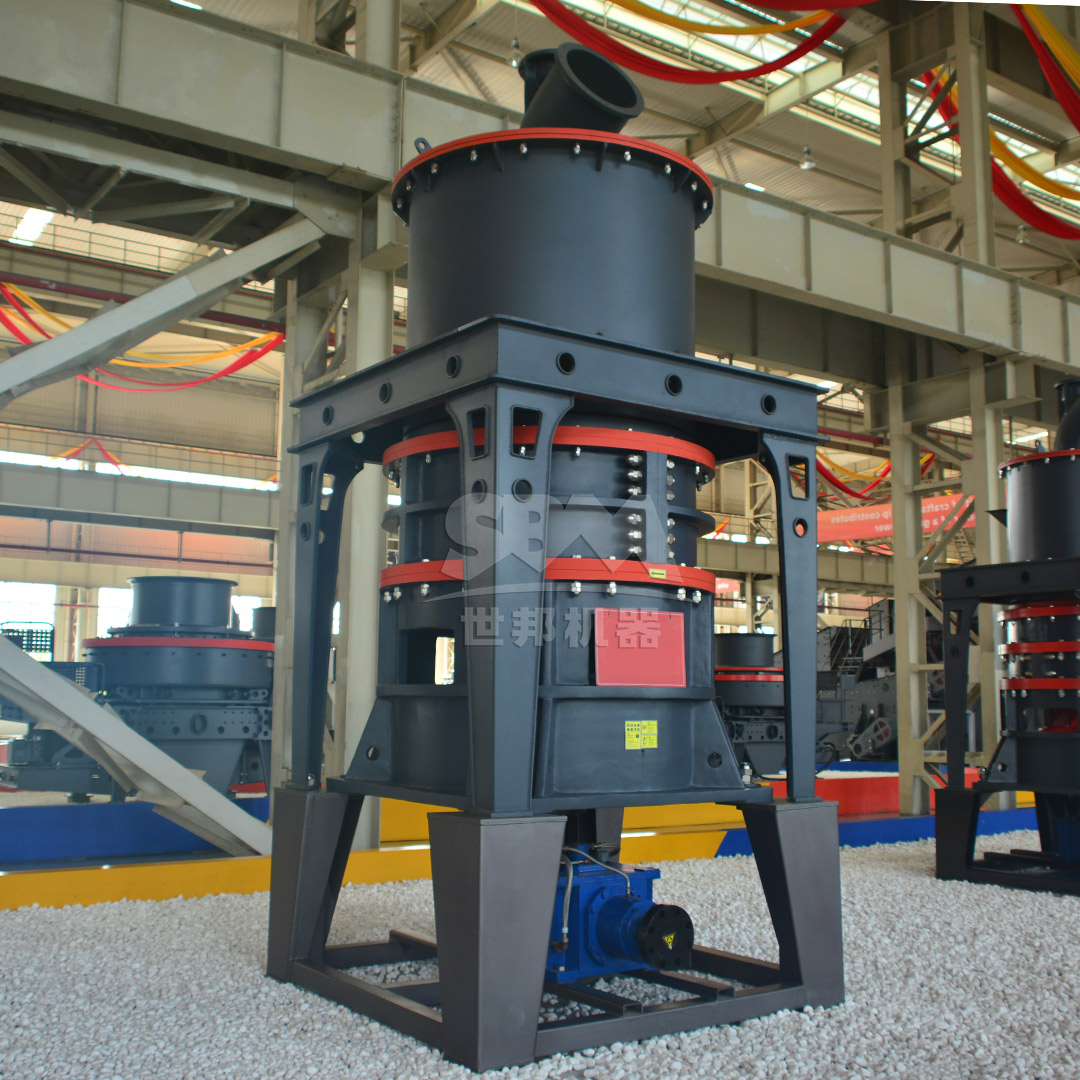
Dry-processed GCC typically exhibits a broader particle size distribution compared to wet-processed material. However, with advanced classifiers such as the vertical turbine classifier found in our SCM Series Ultrafine Mill, precise particle size cutting is achievable without coarse powder mixing. The SCM Series produces ultrafine powders from 325 to 2500 mesh (45-5 μm) with throughput capacities ranging from 0.5 to 25 tons per hour, depending on the model. This makes dry processing highly suitable for applications where moderate fineness and high throughput are required.
Wet Processing Method: Principles and Advantages
Wet processing involves grinding calcium carbonate in a liquid medium, typically water, often with the addition of dispersing agents. The slurry is ground in wet ball mills, stirred mills, or agitated media mills, followed by dewatering, drying, and de-agglomeration steps. Wet grinding is the preferred method for producing ultra-fine GCC powders below 10 μm, especially for high-value applications such as coated paper, high-gloss paints, and specialty plastics.
Fineness and Quality
Wet grinding can achieve particle sizes down to the sub-micron range (1-2 μm) with extremely narrow particle size distributions. The liquid medium prevents agglomeration and allows for more efficient energy transfer to individual particles. The resulting product has higher surface area, better dispersion properties, and improved optical characteristics like brightness and opacity. These qualities are essential for premium paper coatings and high-performance masterbatches.
Energy and Environmental Considerations
While wet grinding can achieve finer particles, it is inherently more energy-intensive than dry grinding on a per-ton basis due to the need for dewatering and drying. The total energy consumption for a wet process can be 1.5 to 2 times higher than for a dry process at equivalent fineness levels. Additionally, wet processing generates significant wastewater that requires treatment, increasing operational complexity and environmental compliance costs.
Comparative Analysis: Dry vs. Wet Processing
To make an informed decision between dry and wet processing, manufacturers must evaluate several critical factors:
1. Target Fineness and Application
For applications requiring d97 > 10 μm (e.g., 325 mesh for plastics or 600 mesh for adhesives), dry processing is unequivocally the more economical choice. Our MTW Series European Trapezium Mill offers capacities from 3 to 45 tons per hour with fineness ranging from 30 to 325 mesh, making it ideal for bulk GCC production. For ultra-fine applications requiring d97 < 10 μm (e.g., 2500 mesh for paper coating), wet processing may be necessary, though advanced dry ultrafine mills like the SCM Series can achieve 5 μm at competitive costs.
2. Capital and Operating Costs
Dry processing plants have lower capital expenditure because they require fewer unit operations. A typical dry GCC plant includes a crusher, mill, classifier, and baghouse dust collector. In contrast, a wet plant requires additional equipment: mixing tanks, slurry pumps, dewatering filters, and dryers. Our LM Series Vertical Roller Mill exemplifies the cost-efficiency of dry systems, with its non-contact grinding design extending wear part life by 3 times and reducing maintenance costs by 40%.
3. Moisture Sensitivity and Bulk Density
Dry-processed GCC has negligible moisture content (< 0.1%), which is critical for applications like PVC compounds and anhydrous adhesives. Wet-processed GCC, even after drying, may retain residual moisture (0.2-0.5%) and often requires surface coating to prevent re-agglomeration. Additionally, dry powders have lower bulk density, making them easier to pneumatically convey and store in silos.
Product Recommendation: SCM Series Ultrafine Mill for Dry Ultrafine GCC
For manufacturers seeking to produce high-quality ultrafine GCC (5-45 μm) through dry processing, we strongly recommend our SCM Series Ultrafine Mill. This mill delivers twice the capacity of traditional jet mills while reducing energy consumption by 30%. Its intelligent control system automatically adjusts the finished product granularity based on real-time feedback, ensuring consistent quality. The vertical turbine classifier provides precise particle size cutting, eliminating coarse powder mixing. With models ranging from SCM800 (0.5-4.5 t/h) to SCM1680 (5.0-25 t/h), the SCM Series covers a wide range of production scales. The eco-friendly design features pulse dust collection that exceeds international standards and soundproof enclosures for low-noise operation.
Product Recommendation: MTW Series European Trapezium Mill for Medium-Fineness GCC
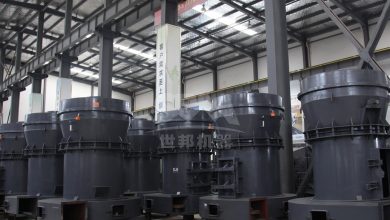
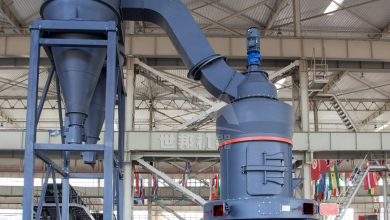
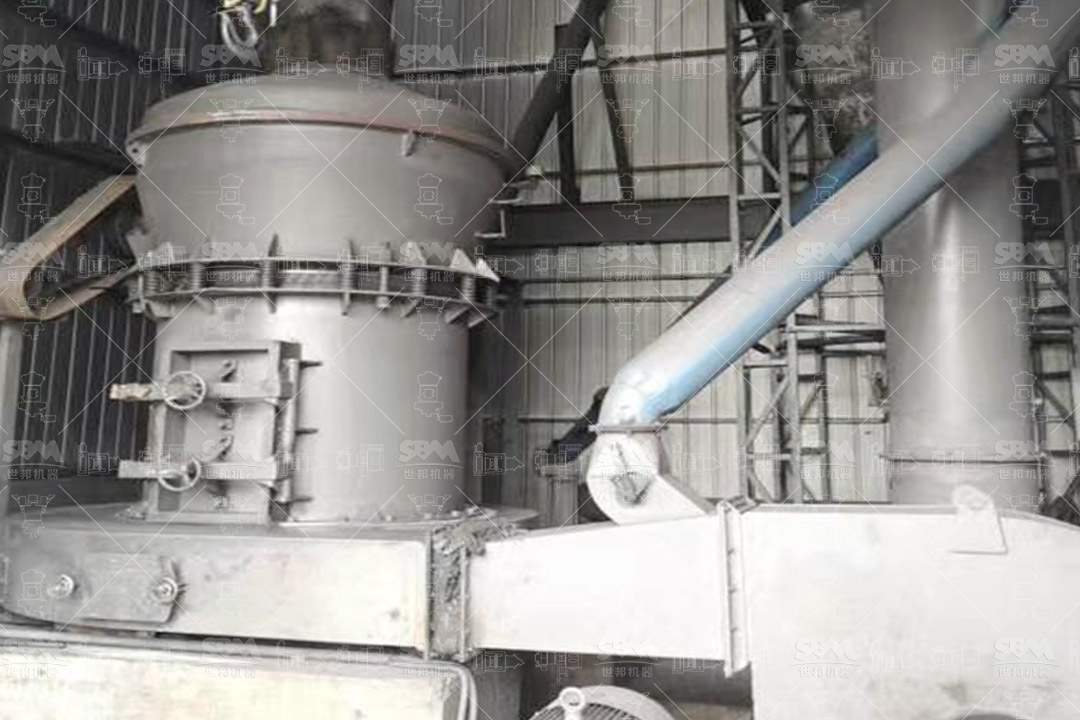
For bulk production of medium-fineness GCC (30-325 mesh), our MTW Series European Trapezium Mill offers the best balance of capacity, reliability, and cost-efficiency. The MTW175G model can produce 9.5-25 tons per hour with a main power of only 160 kW, achieving transmission efficiency of 98% through its integral bevel gear drive. The anti-wear shovel design with combined blades reduces maintenance costs, while the optimized arc air duct minimizes energy loss. The patented internal suction oil lubrication system and internationally advanced pulse dust removal technology ensure long-term stable operation. Models such as MTW138Z (6-17 t/h) and MTW215G (15-45 t/h) are particularly popular for large-scale GCC plants.
Emerging Trends and Future Outlook
The GCC industry is witnessing a gradual shift toward dry processing for ultra-fine applications, driven by advancements in mill technology. Modern dry grinding mills now incorporate features once exclusive to wet systems: precise classification, ultra-fine capabilities, and surface treatment integration. The LM Series Vertical Roller Mill, for example, can achieve fineness up to 600 mesh (23 μm) in special configurations, approaching the lower range of wet-processed products. Furthermore, the environmental benefits of dry processing—zero wastewater, lower energy consumption, and reduced carbon footprint—align with global sustainability goals.
Hybrid approaches are also emerging, where dry grinding is used for initial size reduction followed by a brief wet polishing stage for the finest fractions. This method optimizes energy use while achieving the narrow particle size distributions required for premium markets. Companies investing in advanced classification and automation, such as the PLC-controlled systems in our mills, are better positioned to adapt to changing market demands for higher brightness, controlled particle morphology, and consistent quality.
Conclusion
Both dry and wet processing methods have their rightful place in GCC production. Dry processing excels in energy efficiency, capital economy, and environmental friendliness for the vast majority of GCC applications, from construction fillers to industrial extenders. Wet processing remains indispensable for the finest nanoparticle grades used in specialty coatings and high-end paper. However, with cutting-edge dry grinding mills like the SCM Series and MTW Series, manufacturers can now produce a broader range of GCC products through dry processing alone, simplifying operations and reducing costs. By carefully evaluating target fineness, throughput requirements, and end-use specifications, processors can select the optimal method—and the optimal mill—to maximize profitability and product quality.