Performance Advantages of Vertical Coal Mill for Grinding Coal Powder
Introduction
In the modern industrial landscape, the demand for efficient and reliable coal grinding solutions has never been higher. Coal powder, as a key fuel source for power generation, cement production, and industrial boilers, requires precise milling to achieve optimal combustion efficiency and reduce environmental emissions. Among the various milling technologies available, the vertical coal mill stands out as a superior choice, offering a range of performance advantages that cater to the needs of high-capacity and high-efficiency operations. This article explores the key performance benefits of vertical coal mills, highlighting their role in transforming coal powder preparation.

High Grinding Efficiency and Energy Savings
One of the most significant advantages of vertical coal mills is their exceptional grinding efficiency. Unlike traditional ball mills that rely on impact and attrition through tumbling media, vertical roller mills utilize a bed of material that is crushed between rotating rollers and a stationary grinding table. This principle of ‘bed grinding’ significantly reduces energy consumption. In fact, vertical coal mill systems can achieve energy savings of 30% to 40% compared to conventional ball mill systems. For coal powder preparation, this means lower operational costs and a reduced carbon footprint. The optimized internal design ensures that the grinding pressure is directly applied to the material layer, maximizing crushing efficiency while minimizing idle energy loss. For operations requiring high throughput with minimal power input, this efficiency is a game-changer.
Advanced Classification and Consistent Product Fineness
The quality of coal powder is defined by its fineness and uniformity. A vertical coal mill is equipped with a dynamic classifier that operates on the principle of centrifugal and air flow separation. This system ensures that only particles meeting the required fineness (typically 5-20% residue on a 0.08mm or 0.09mm sieve for pulverized coal) are allowed to pass through to the collection system. Coarse particles are returned to the grinding zone for further reduction. This precise classification eliminates the problem of coarse powder mixing, ensuring a consistent and uniform finished product. The ability to adjust the classifier speed in real-time allows operators to fine-tune the fineness according to the specific requirements of the burner or kiln, making the vertical mill highly flexible for different coal types, including anthracite, bituminous, and lignite.
Integrated Drying and Grinding Capabilities
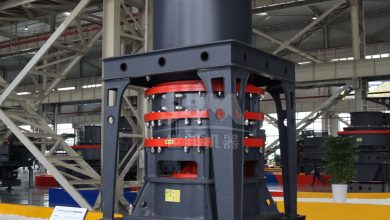
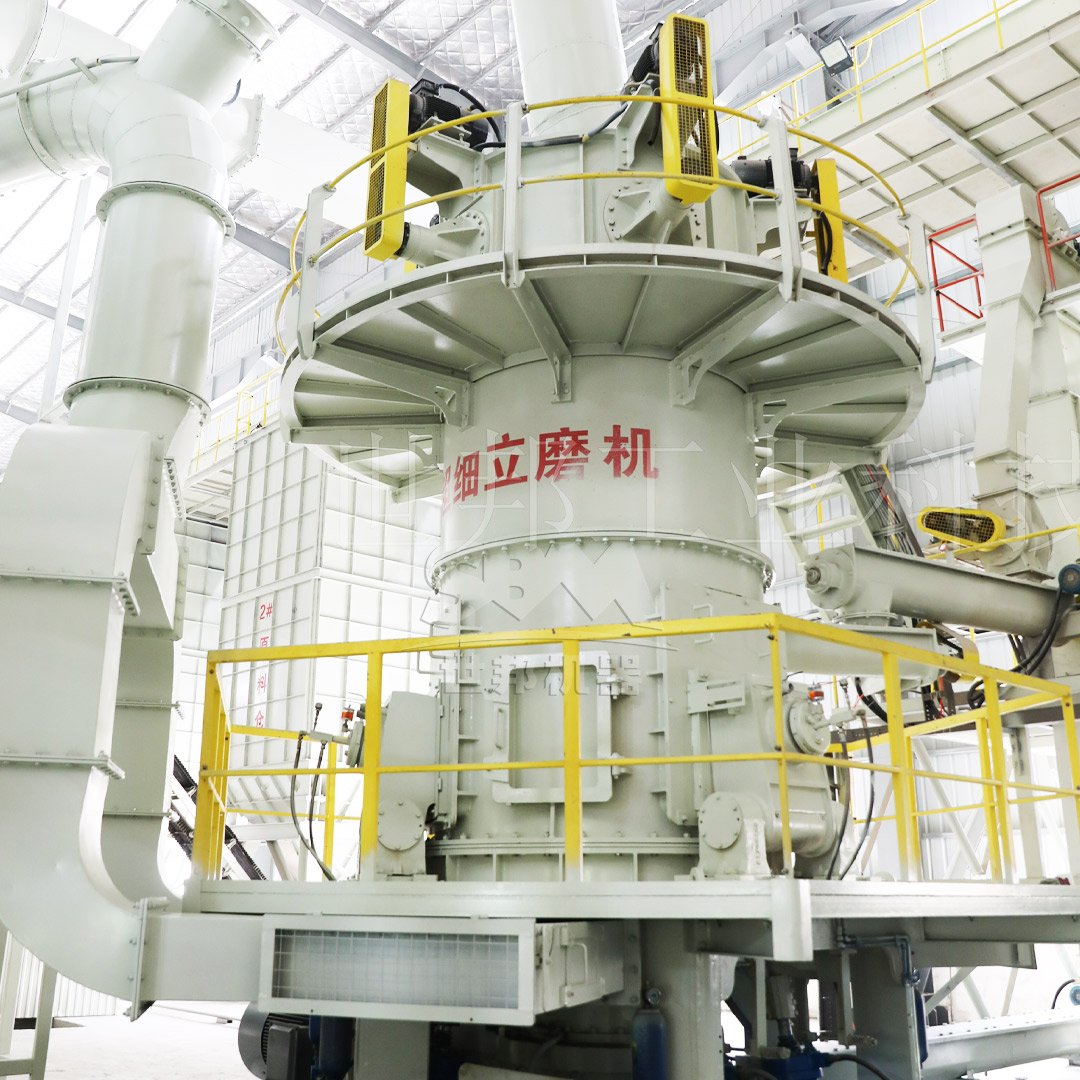
Coal often contains inherent moisture that must be removed before combustion to prevent ignition problems and maintain calorific value. Vertical coal mills excel in this area due to their integrated drying system. Hot air or flue gas is introduced into the mill through the air ring around the grinding table. As the material is ground, the hot gas stream lifts the fine particles, simultaneously drying them and transporting them to the classifier. This combined drying and grinding process eliminates the need for separate drying equipment, significantly simplifying the plant layout and reducing capital expenditure. The vertical mill’s ability to handle high moisture content (up to 15-25% depending on design) makes it particularly suitable for processing brown coal or lignite. The ‘LM Series Vertical Roller Mill’ from our company is engineered with a robust hot air circulation system that efficiently dries the coal while maintaining stable grinding conditions, ensuring that the final product has the ideal moisture content for safe and efficient combustion.
Reduced Maintenance and Extended Service Life
In any heavy industrial application, reliability and low maintenance are critical factors. Vertical coal mills are designed with durability in mind. Key wear parts, such as the grinding rollers and table liners, are made from specialized wear-resistant alloys. Furthermore, the design of many modern vertical mills ensures a non-contact operation between the rollers and the table when the mill is empty. This feature prevents metal-to-metal contact and drastically reduces wear during start-up and shut-down phases. The grinding roller assembly can be flipped or replaced independently, minimizing downtime. Additionally, the use of an internal suction oil lubrication system and pulse dust removal technology ensures that the moving parts are well-lubricated and the internal environment is clean, further extending the lifespan of the equipment. Our SCM Series Ultrafine Mill exemplifies this robust design philosophy, employing special material rollers and rings that extend service life several times over, ensuring long-term operational stability for ultra-fine grinding applications.
Intelligent Control and Automated Operation
Modern vertical coal mills are highly automated. They are equipped with advanced PLC control systems that monitor critical parameters such as grinding pressure, material thickness on the table, air flow, and mill differential pressure. The ‘Expert-level auto-control system’ found in our LM Series allows for remote switching and real-time feedback, automatically adjusting the feed rate and classifier speed to maintain optimal performance. This reduces the need for constant manual intervention and minimizes human error. For coal grinding, this intelligence is crucial for safety. The system can automatically shut down or modulate parameters in response to abnormal conditions (like high temperature or vibration), ensuring safe and continuous operation. This level of control not only enhances productivity but also contributes significantly to the safety of the pulverized coal preparation system.
Eco-Friendly Operation and Low Noise
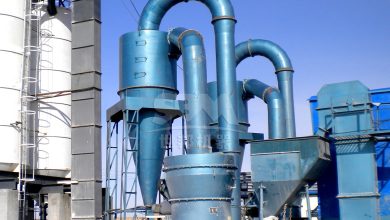
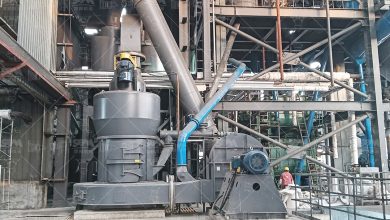
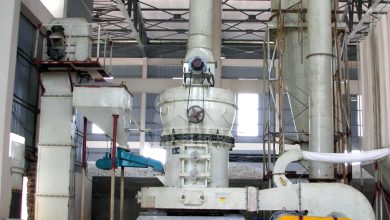
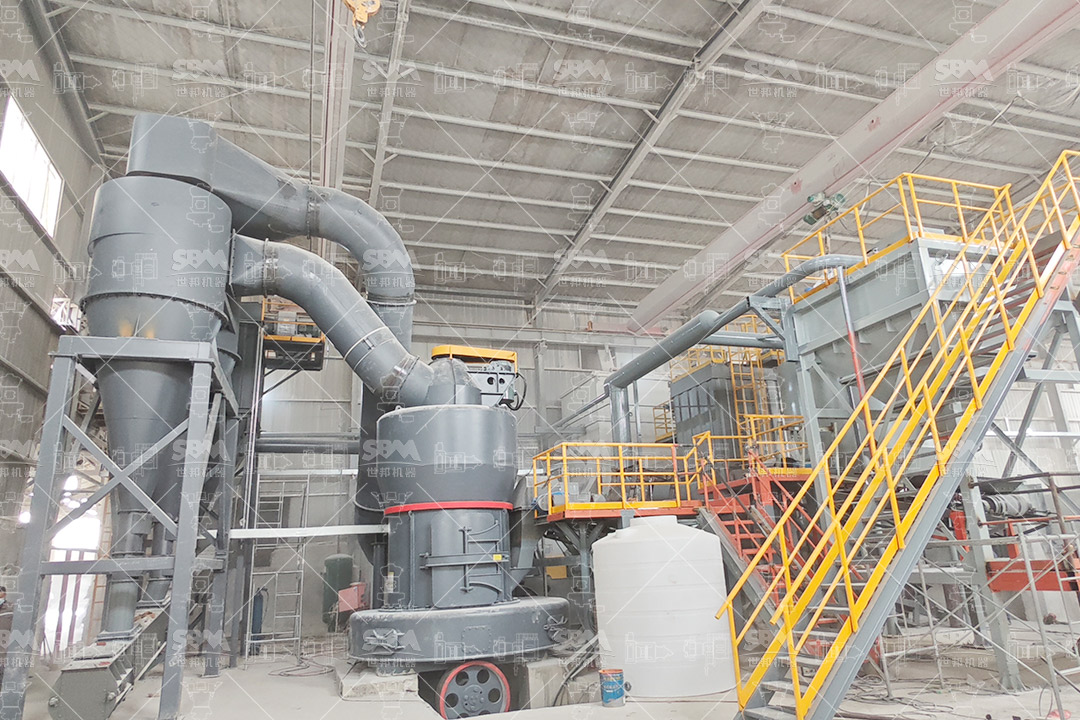
Environmental compliance is a top priority for industries using coal. Vertical coal mills operate under fully sealed negative pressure conditions, preventing any dust leakage into the atmosphere. The grinding process, being relatively quiet compared to ball mills, is further enhanced by soundproof room designs that can reduce noise levels to below 85dB. The integrated pulse dust collection system ensures that the exhaust air is clean, meeting or exceeding international emission standards. By minimizing dust and noise pollution, the vertical coal mill creates a safer and more pleasant working environment. For a comprehensive coal grinding solution that prioritizes efficiency, precision, and environmental responsibility, the LM80M to LM280M Vertical Coal Mill series offers a tailored capacity range of 3-90 t/h with fineness control of 5-20% R0.09mm, making it the ideal workhorse for any power plant or industrial boiler system.
Conclusion
The performance advantages of vertical coal mills for grinding coal powder are clear: superior energy efficiency, precise classification, integrated drying capabilities, reduced maintenance, intelligent automation, and eco-friendly operation. By investing in this advanced technology, industries can significantly lower their operational costs, improve combustion efficiency, and meet stringent environmental regulations. As the industry moves towards smarter and greener solutions, the vertical coal mill remains a cornerstone technology for coal powder preparation.