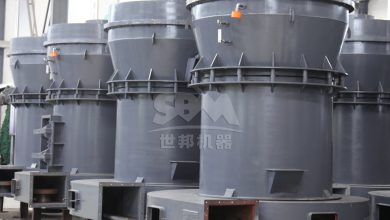
Pulverized Coal Injection Workshop: Grinding Process Flow and Equipment Overview
Introduction to Pulverized Coal Injection in Ironmaking
Pulverized Coal Injection (PCI) is a critical technology in modern blast furnace ironmaking. By injecting finely ground coal directly into the furnace, it reduces the reliance on expensive metallurgical coke, lowers production costs, and improves energy efficiency. The heart of any PCI workshop lies in its grinding system, where raw coal is transformed into a fine powder with specific particle size distribution and moisture content. This article provides a comprehensive overview of the grinding process flow and the key equipment used in a typical PCI workshop, highlighting the technological advancements that ensure high efficiency, reliability, and product quality.
Raw Material Preparation and Handling
The process begins with the handling of raw coal. Typically, coal with a moisture content of 8-12% and a size of 0-50mm is stored in a raw coal silo. From the silo, coal is fed via a belt conveyor or a vibrating feeder into the grinding system. A metal separator and a magnetic separator are installed in the conveying line to remove any tramp metal and iron impurities, protecting the downstream grinding equipment from damage. The feeding system is controlled by a variable-frequency drive (VFD) to ensure a consistent and adjustable feed rate, which is crucial for stable mill operation.
Core Grinding Equipment: The Heart of the Workshop
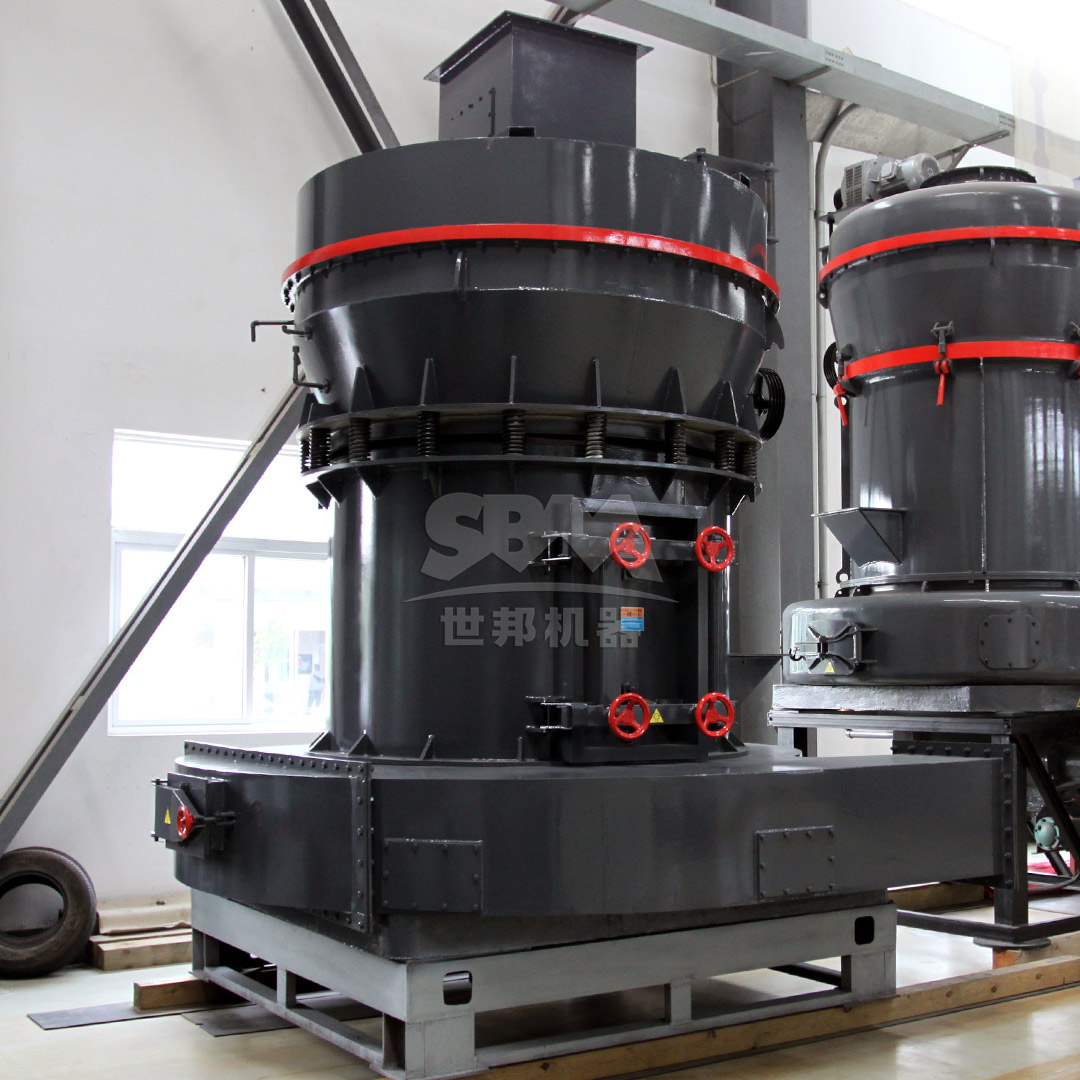
The grinding mill is the central piece of equipment in a PCI workshop. The choice of mill depends on the required capacity, fineness, coal characteristics, and energy efficiency goals. For most modern PCI applications, vertical roller mills (VRMs) and medium-speed trapezium mills are the preferred choices due to their high efficiency, low energy consumption, and ability to dry and grind coal simultaneously.
Vertical Roller Mill (VRM) for Coal Grinding
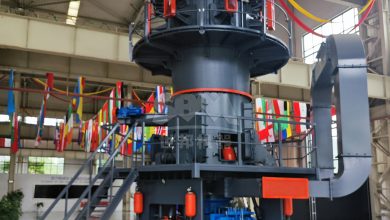
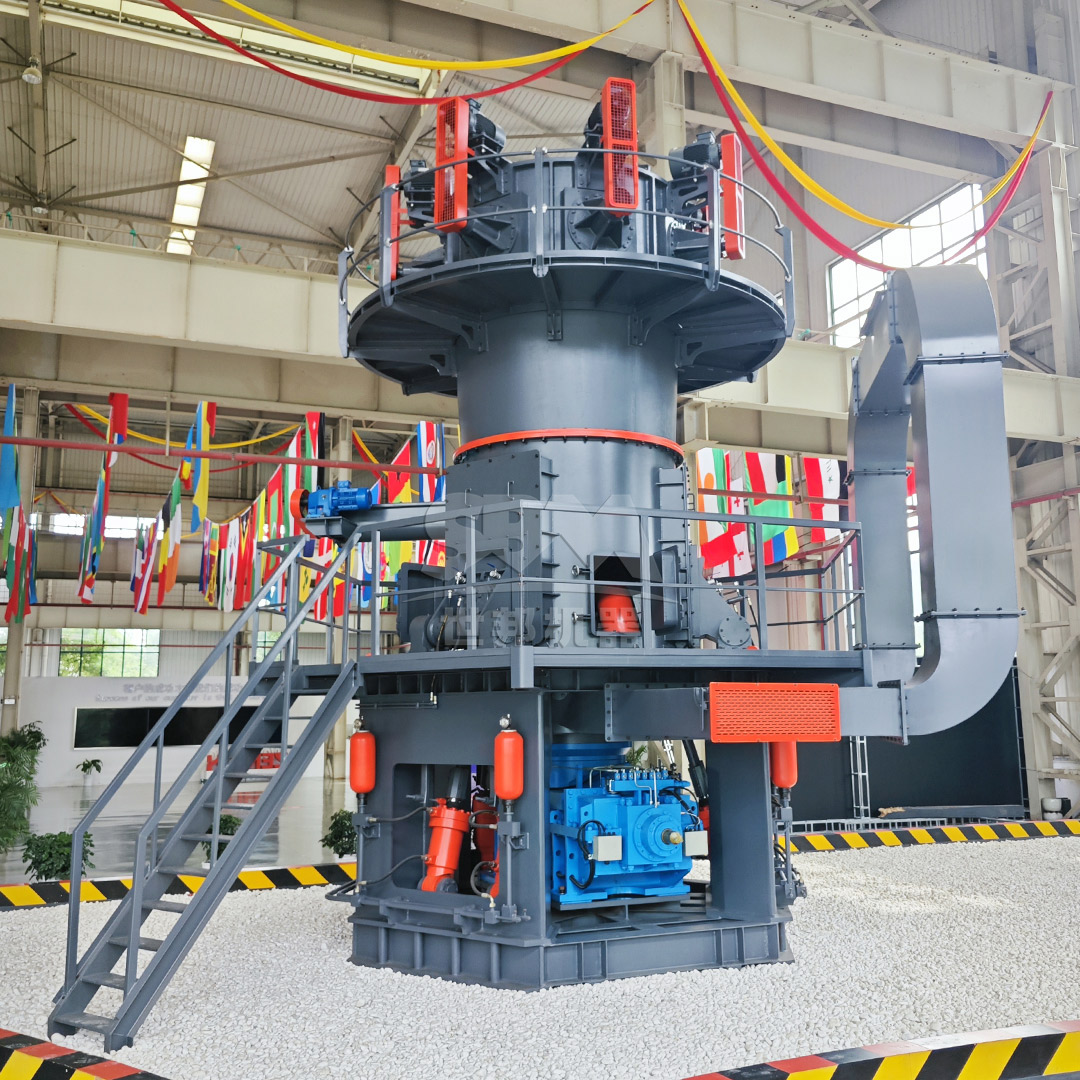
The LM Series Vertical Roller Mill is an ideal solution for pulverized coal grinding. Its integrated design combines crushing, grinding, drying, and classifying into a single unit, significantly reducing the footprint by up to 50% compared to traditional ball mill systems. The mill operates under negative pressure, ensuring a dust-free environment. The grinding rollers apply pressure to the material bed on the rotating grinding table. Hot air from a hot blast stove or waste heat source enters the mill, drying the coal as it is being ground. The classifier at the top of the mill ensures that only particles meeting the required fineness (typically 5-20% residue on a 0.08mm sieve) are carried out as finished product.
For PCI applications, the LM series offers several technical advantages:
- Low Energy Consumption: Energy consumption is 30-40% lower than ball mill systems due to the efficient bed grinding principle.
- Intelligent Control: An expert auto-control system supports remote or local switching, with real-time monitoring of parameters such as mill differential pressure, temperature, and vibration, reducing manual intervention.
- Durable Wear Parts: The non-contact design between the rollers and the table, combined with high-quality wear-resistant materials, extends the service life of wear parts by up to three times.
- Environmental Compliance: The fully sealed system operates with noise levels below 85dB(A) and ensures dust emissions are controlled to meet stringent environmental standards.
Medium-Speed Trapezium Mill for Fine Grinding
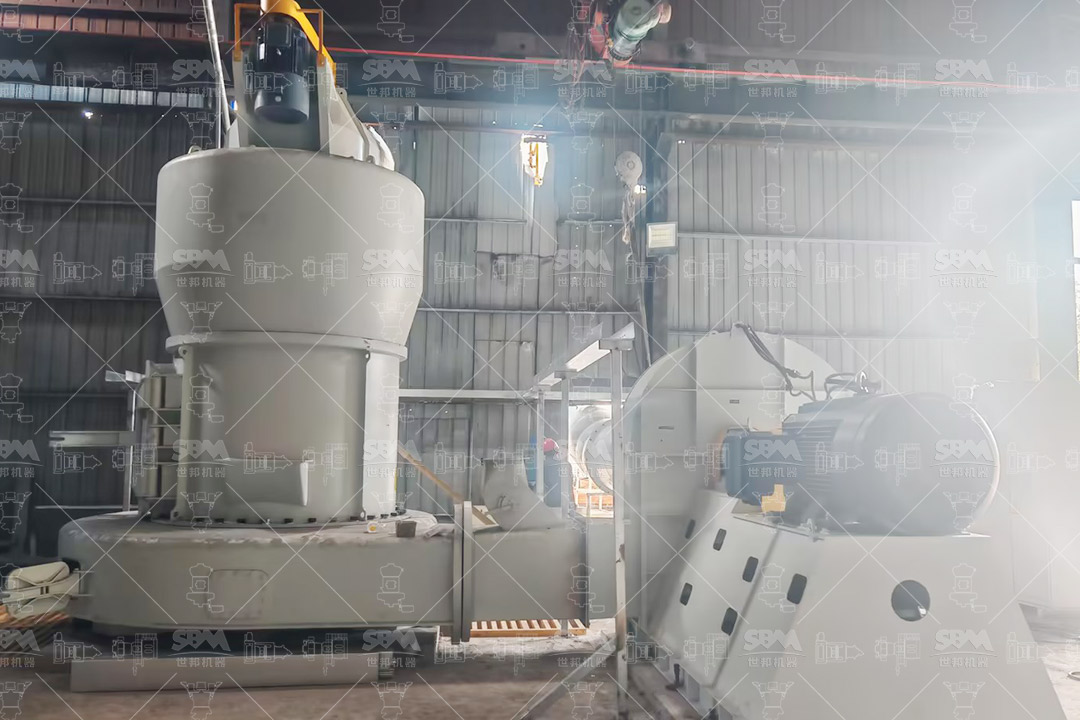
The MTW Series European Trapezium Mill is another excellent choice for coal grinding in PCI workshops. It is designed with advanced technologies such as an anti-wear shovel design, an optimized arc air duct, and an integral bevel gear drive with a transmission efficiency of up to 98%. The curved shovel blades reduce maintenance costs and extend the life of the grinding rollers. The mill is capable of producing a fineness of 30-325 mesh, making it highly versatile.
For smaller to medium-capacity PCI plants, the MTM Series Medium-speed Trapezium Mill also provides a reliable and cost-effective solution. Its intelligent pressure regulation system automatically compensates for roller wear, maintaining consistent grinding pressure and extending roller and ring life by 30%.
The Grinding and Drying Process
Inside the mill, the coal is ground through a combination of crushing and attrition. The grinding rollers revolve around the central axis while rotating on their own axes, creating centrifugal force that presses the material against the grinding ring or table. Hot gas (air or nitrogen, depending on safety requirements) is introduced into the mill to dry the coal and carry the ground particles upward to the classifier. The temperature and flow rate of the hot gas are carefully controlled to achieve the desired product moisture content, usually around 1-2%.
Classification and Fines Collection
After grinding, the air-coal mixture enters the dynamic classifier. The classifier rotor speed can be adjusted to precisely control the particle size distribution of the finished product. Coarse particles are rejected and returned to the grinding table for further grinding, while the fine particles pass through and are transported to the collection system.
The collection system typically consists of a high-efficiency pulse jet bag filter or a combination of a cyclone collector and a bag filter. The SCMM Series Ultrafine Mill features a highly efficient pulse dust collection system that exceeds international emission standards. The collected fine coal powder is then conveyed to the pulverized coal silo for storage and subsequent injection into the blast furnace.
Featured Product Recommendation: For demanding PCI workshops requiring ultra-fine coal powder to maximize combustion efficiency and coke replacement rates, we highly recommend the SCM Series Ultrafine Mill. Capable of producing a fineness of 325-2500 mesh (45-5μm) with an input size of up to 20mm, the SCM mill offers a capacity that is 2 times that of jet mills while consuming 30% less energy. Its vertical turbine classifier ensures precise particle size cutting with no coarse powder mixing, guaranteeing a uniform finished product. Models range from the SCM800 (0.5-4.5 ton/h) to the SCM1680 (5-25 ton/h), making it suitable for a wide variety of plant scales.
Another outstanding option for standard PCI applications is the LM Series Vertical Roller Mill. With capacities ranging from 3 to 90 ton/h specifically for coal (LM80M to LM280M models), its integrated design drastically reduces floor space and infrastructure costs. The intelligent control system and low operating cost make it the backbone of many modern PCI workshops. Its proven durability and energy savings offer an excellent return on investment.
Safety Systems in the PCI Grinding Circuit
Safety is paramount in a PCI workshop due to the combustible nature of coal dust. The grinding system is equipped with multiple safety features:
- Inert Gas Protection: Nitrogen or CO2 is used as an inerting medium to prevent explosions during start-up, shutdown, and emergency stops.
- Explosion Relief Vents: The mill, bag filter, and silos are fitted with explosion relief panels that open to release pressure in the event of an explosion.
- Temperature and CO Monitoring: Sensors continuously monitor the temperature and carbon monoxide levels inside the mill and filter to detect hot spots or smoldering coal.
- Electrical Interlocks: The entire system is interlocked to ensure safe start-up and shut-down sequences.
Conclusion
The grinding process in a Pulverized Coal Injection workshop is a complex yet highly optimized system. From raw coal receiving to the final storage of fine powder, each step is designed for maximum efficiency, safety, and product quality. The selection of the right grinding equipment, such as the advanced LM Vertical Roller Mill or the ultra-fine SCM Mill, is critical to the success of the PCI operation. With continuous innovations in wear protection, intelligent control, and energy-saving technologies, modern PCI grinding workshops are more reliable and cost-effective than ever before, playing a vital role in the sustainable development of the steel industry.